James Webb Telescope Forecasts Sandy Clouds on Alien Planet
Scientists just made the first daily weather forecast for a planet 690 light-years away, revealing sandy morning clouds that clear by evening. The breakthrough lets astronomers finally see what hot Jupiter planets are really made of.
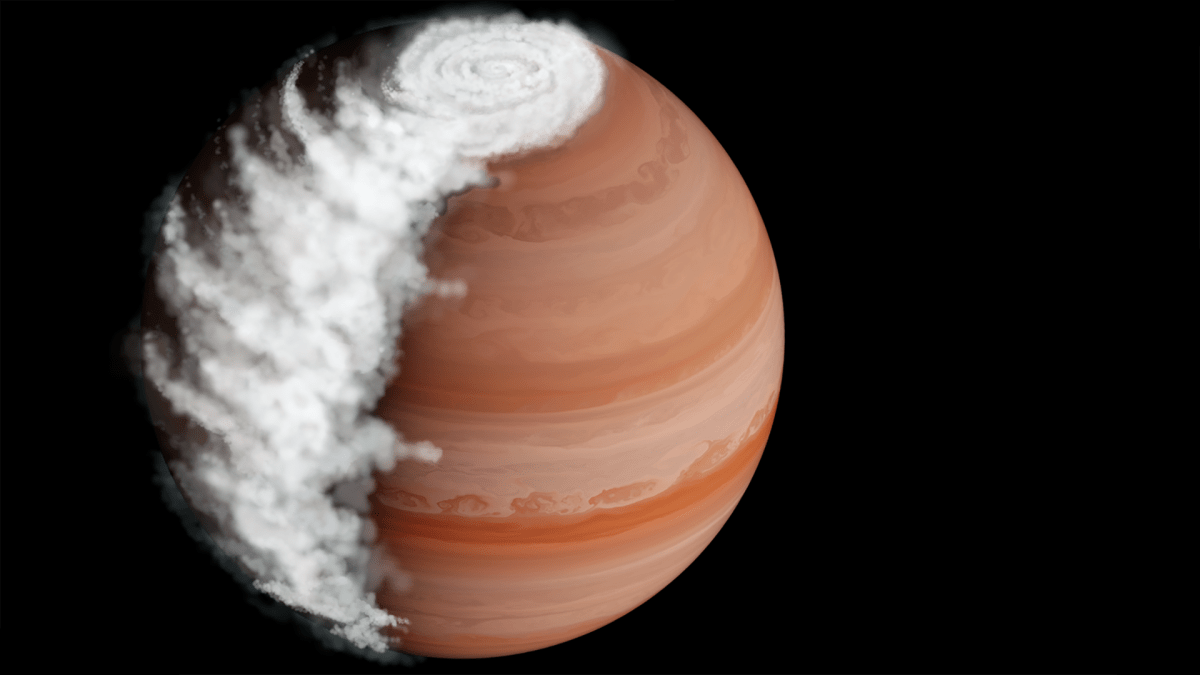
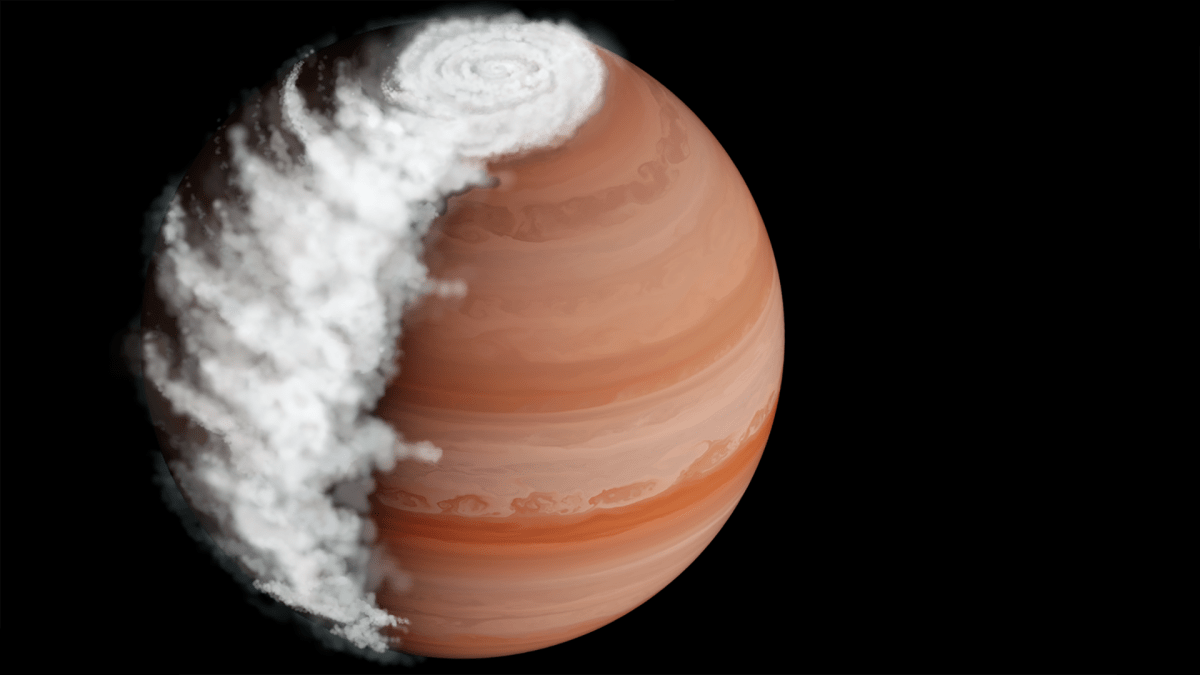
For the first time ever, astronomers have tracked the daily weather cycle on a planet outside our solar system, watching as clouds of vaporized sand appear in the morning and disappear by sunset.
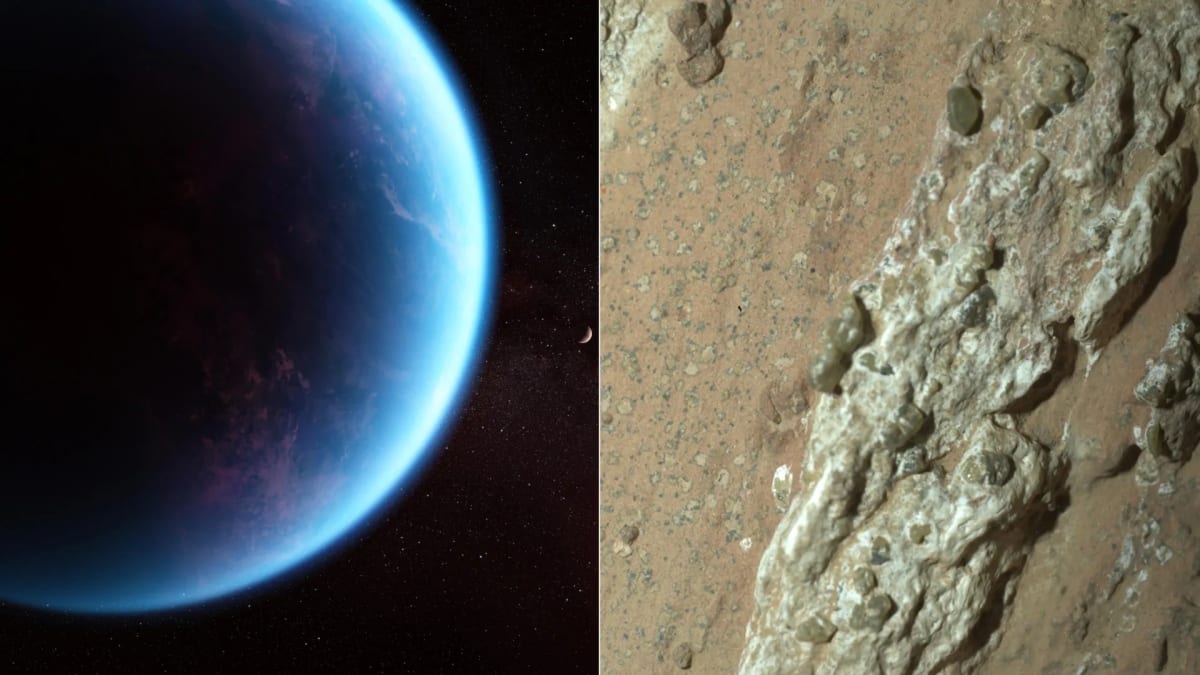
The James Webb Space Telescope observed WASP-94Ab, a gas giant planet located 690 light-years from Earth. By watching the planet pass in front of its star, scientists discovered something remarkable: the planet's cloudy "morning" side gradually clears to reveal a pristine sky by "evening."
This matters because clouds have been blocking astronomers from understanding what these distant worlds are really made of. For 20 years, scientists struggled to study hot Jupiter planets because the clouds act like foggy windows, obscuring everything beneath.
WASP-94Ab is 1.7 times larger than Jupiter and orbits incredibly close to its star, completing a full year in just four days. At only 5.1 million miles from its sun, the planet bakes at temperatures exceeding 2,200 degrees Fahrenheit.
The clouds themselves are nothing like Earth's fluffy water vapor. These alien clouds contain vaporized magnesium silicate, essentially floating sandstorms of rocky material heated until it evaporates into the atmosphere.
By observing both the cloudy leading edge and the clear trailing edge as the planet crossed its star, the telescope team solved a puzzle. Previous measurements suggested WASP-94Ab had hundreds of times more oxygen and carbon than our Jupiter, which didn't make sense given how gas giants form.
The clear evening sky gave scientists an unobstructed view, revealing the planet actually has only five times more of these elements than Jupiter. WASP-94Ab turns out to be a fairly ordinary gas giant after all, just wearing a sandy disguise part of the time.
Why This Inspires
This discovery shows how persistence pays off in science. After two decades of frustration peering through planetary fog, astronomers developed new techniques to work around the problem instead of being defeated by it.
The team found similar weather patterns on two other hot Jupiters, WASP-17b and WASP-39b. Now they're expanding their search to study planets with eccentric orbits that swing between extreme temperatures, which could reveal even more dramatic weather systems.
Each cloudy morning and clear sunset on these distant worlds brings us closer to understanding how planets form and evolve throughout the universe.
More Images

Based on reporting by Space.com
This story was written by BrightWire based on verified news reports.
Spread the positivity!
Share this good news with someone who needs it