Jupiter Helped Earth Become Habitable, NASA Scientists Find
NASA scientists discovered how Earth got the building blocks of life, and Jupiter played a starring role. New research reveals our planet's life-essential elements came from close to home, not deep space.
Scientists just solved a cosmic mystery about how Earth became the perfect home for life, and the answer involves our solar system's biggest planet acting like a cosmic gatekeeper.
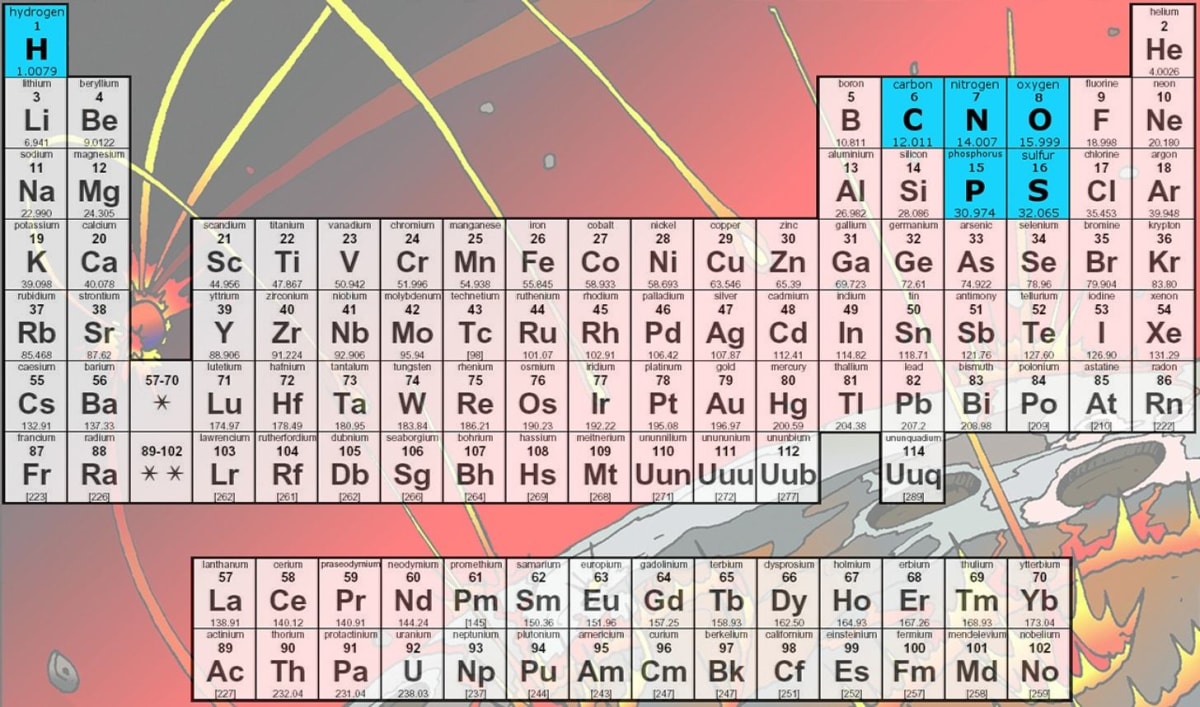
NASA-supported researchers at Rice University discovered that Earth received its critical life-building elements, phosphorus and nitrogen, primarily from the inner solar system rather than distant space rocks. Every living thing on Earth needs these two elements to exist.
The team studied meteorites from two different time periods in our solar system's early days, more than 4.5 billion years ago. Iron meteorites came from the oldest objects, while stony meteorites called chondrites formed 2 to 3 million years later.
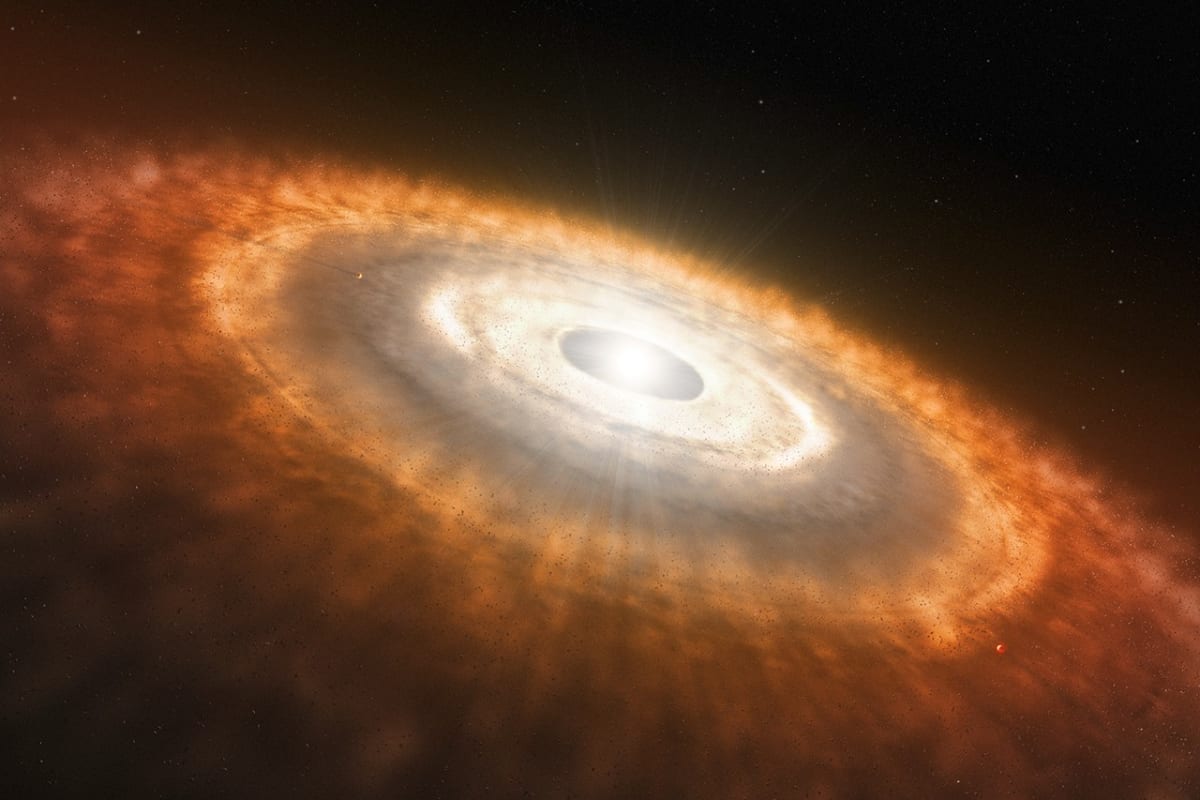
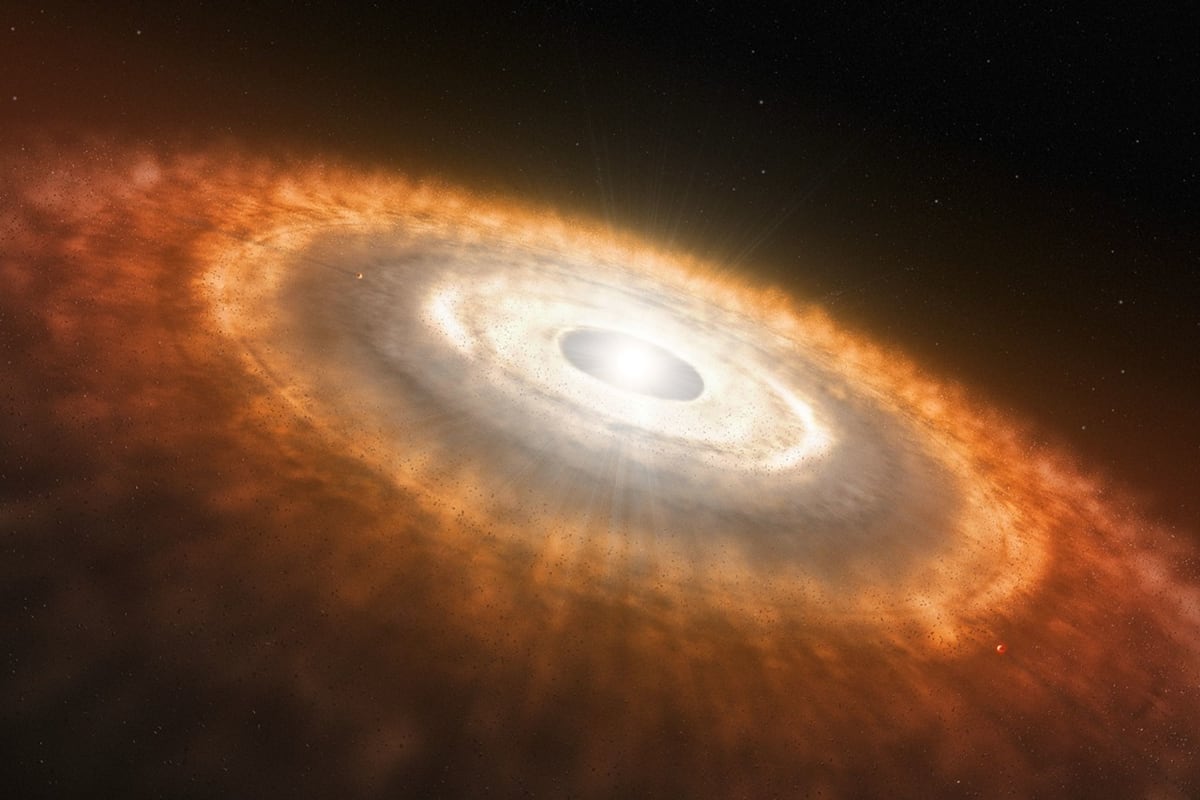
Using laboratory experiments and geochemical models, the scientists mapped how phosphorus and nitrogen were distributed across the young solar system. They found something surprising: the pattern flipped between the two generations of space rocks.
In the first generation, the outer solar system had higher ratios of phosphorus to nitrogen. Material was flowing outward from the Sun, carrying these elements to the far reaches of our cosmic neighborhood.
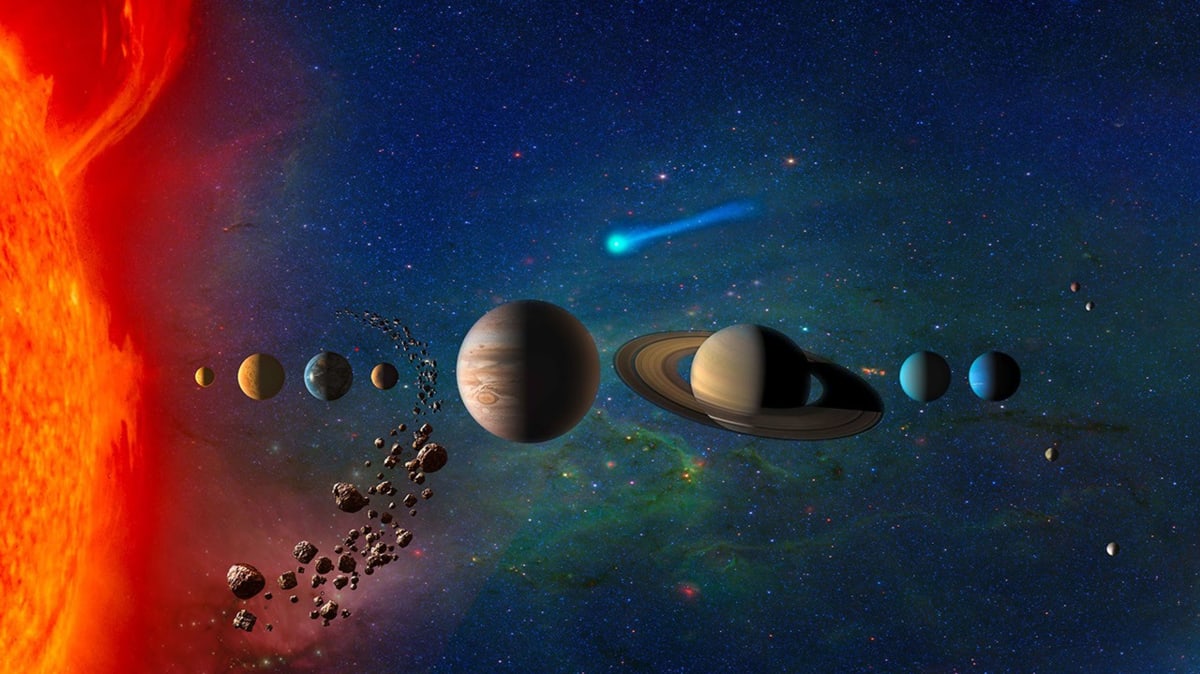
Then Jupiter changed everything. As the gas giant formed and grew massive, its powerful gravity acted like a barrier, blocking the outward flow of material.
This cosmic traffic jam meant the inner solar system kept its phosphorus and nitrogen close to home. When Earth formed from these nearby materials, it inherited the perfect chemical recipe for life.
The Ripple Effect
This discovery changes how scientists think about habitable planets throughout the universe. Jupiter's role wasn't just about protecting Earth from asteroids or shaping our solar system's structure. The planet fundamentally influenced whether Earth could support life at all.
"For our own solar system, Jupiter's presence and growth history indeed seem to have played a critical role in determining the distribution of the basic chemical ingredients necessary for habitable worlds," said Rajdeep Dasgupta, senior author of the study published in Science Advances.
The finding raises an intriguing question for astronomers searching for life beyond our solar system. Do other planets need their own Jupiter-like guardian to become habitable? The research suggests that giant planets might be more important to life's emergence than previously thought.
Lead author Debjeet Pathak, a graduate student at Rice University, emphasized that Earth didn't need materials from the far reaches of space to become our home. Everything necessary was already nearby, waiting to come together.
This research gives scientists a clearer picture of how rare or common Earth-like worlds might be across the galaxy, helping guide the search for life beyond our planet.
More Images

Based on reporting by Google News - Science
This story was written by BrightWire based on verified news reports.
Spread the positivity!
Share this good news with someone who needs it