Rocky Planet May Have Atmosphere That Could Support Life
Scientists found a rocky planet 49 light-years away with an atmosphere rich in helium, marking a breakthrough in the search for worlds that could support life. The planet sits in the habitable zone where liquid water might exist on its surface.
For the first time, scientists have confirmed that a rocky planet outside our solar system likely has an atmosphere, bringing us closer to finding life beyond Earth.
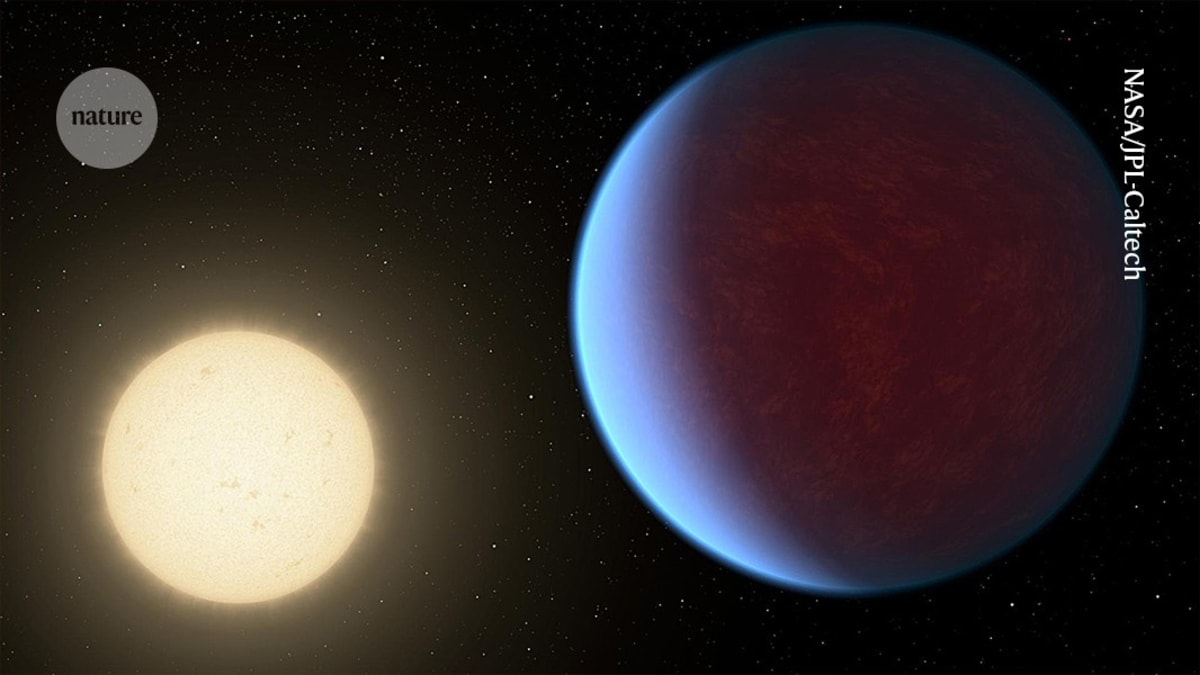
Researchers discovered helium escaping from the atmosphere of a rocky exoplanet called LHS 1140b, located about 49 light-years from Earth. The finding confirms that small, rocky planets can maintain atmospheres, something scientists have long predicted but struggled to prove.
The discovery matters because Earth-like life requires three key ingredients: a rocky surface, liquid water, and an atmosphere. LHS 1140b appears to have all three potential conditions.
"It's been a major goal in the field of exoplanets to find atmospheres on rocky exoplanets," says Collin Cherubim, a planetary scientist at Harvard University who led the study. His team chose LHS 1140b because their computer models predicted it would have escaping helium, a telltale sign of an atmosphere.
The planet orbits a red dwarf star in what astronomers call the "habitable zone," the sweet spot where temperatures allow liquid water to exist on a planet's surface. LHS 1140b was first discovered in 2017, but this new research published in Science magazine provides the first solid evidence of its atmosphere.
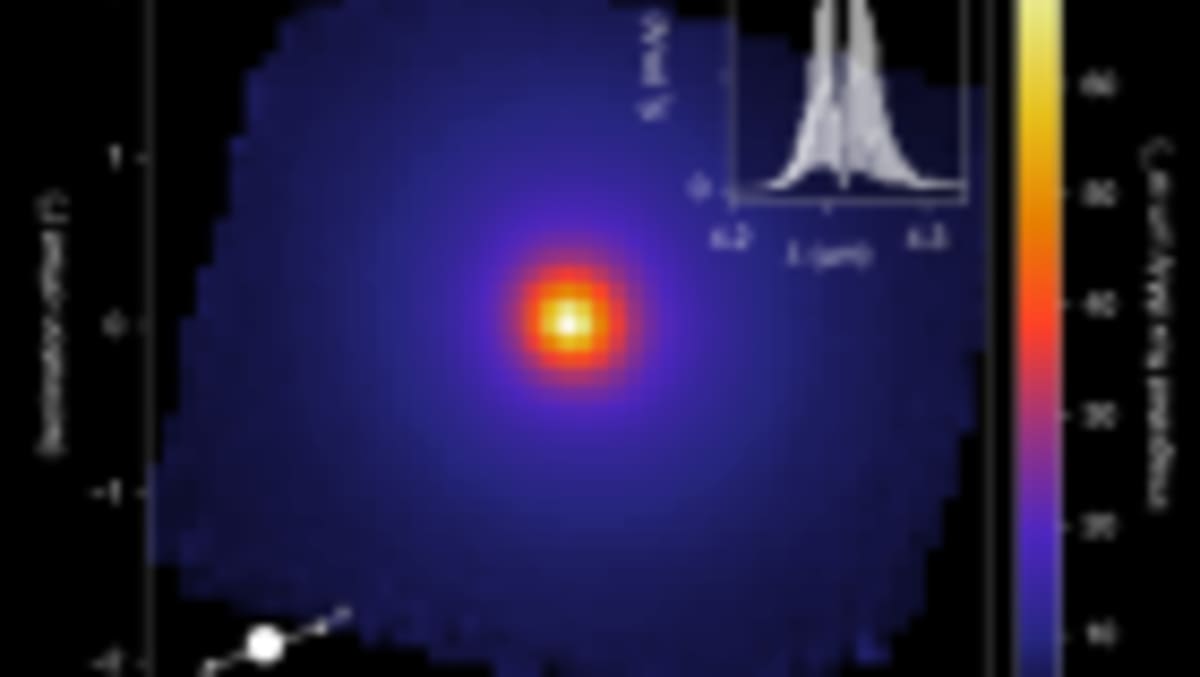
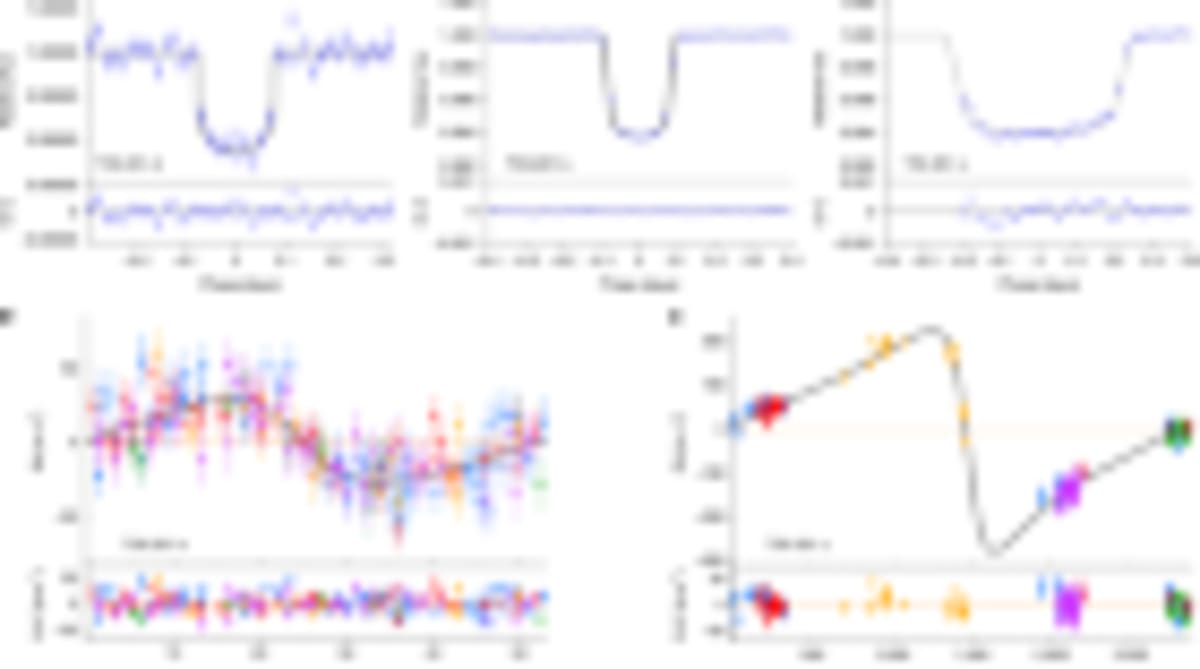
Using the Magellan Clay telescope in Chile, researchers observed the planet twice, once in 2024 and again in 2025, for 6.5 hours each time. Both observations revealed abundant helium in the planet's outer atmosphere through near-infrared absorption spectra.
Why This Inspires
This breakthrough represents an "amazing missing piece of the puzzle" in understanding whether rocky planets beyond our solar system can support the conditions necessary for life, according to Sara Seager, an astrophysicist at MIT.
While researchers can't yet confirm the exact composition of the planet's inner atmosphere, Cherubim suspects it contains water vapor and other small molecules like carbon dioxide. Future observations will help verify these predictions and search for more signs of habitability.
The technical challenge of observing exoplanet atmospheres has limited progress for years, with researchers mostly detecting airless worlds or atmospheres too faint to measure clearly. This discovery opens new possibilities for studying potentially habitable worlds beyond our solar system.
Finding rocky planets with atmospheres brings us one step closer to answering humanity's biggest question: are we alone in the universe?
More Images
Based on reporting by Google News - Science
This story was written by BrightWire based on verified news reports.
Spread the positivity!
Share this good news with someone who needs it