Mars Rover Finds 21 Organic Molecules in Ancient Crater
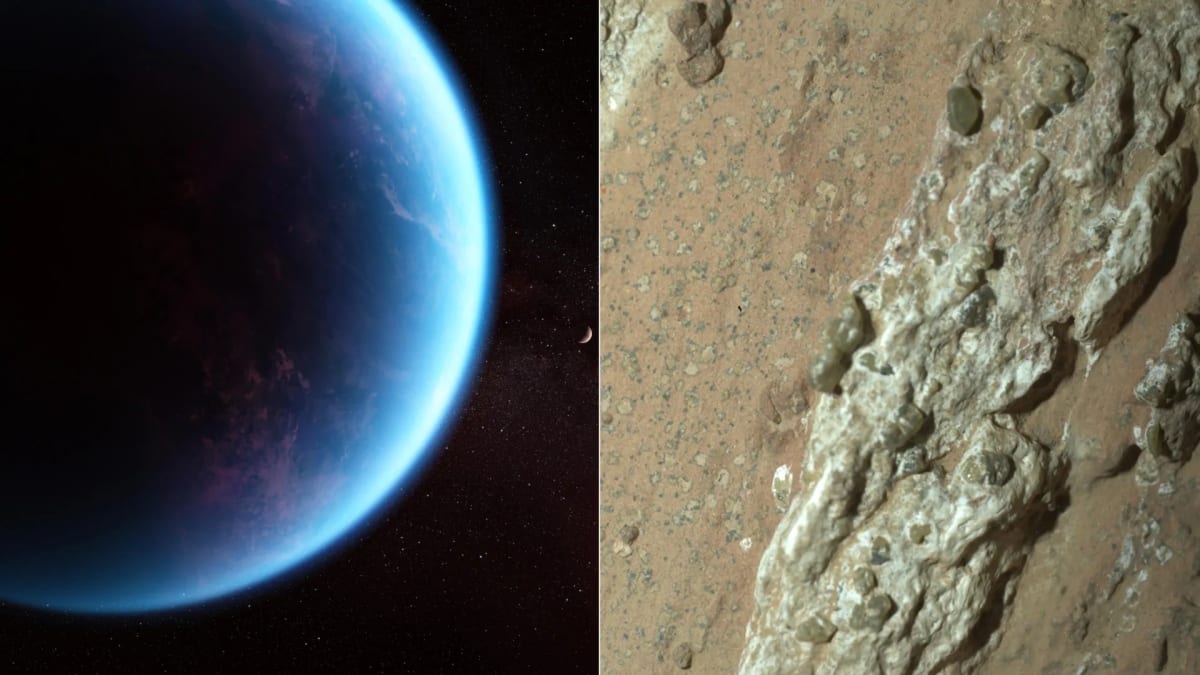
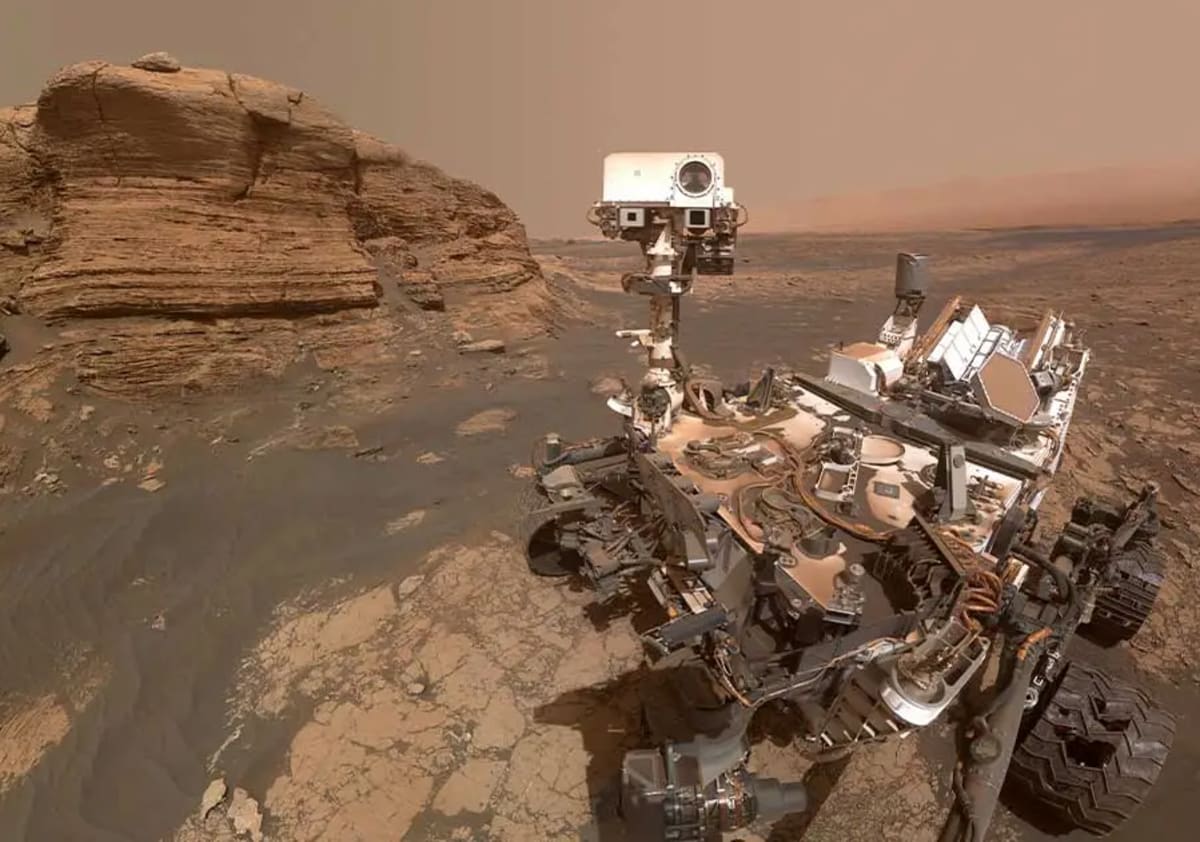
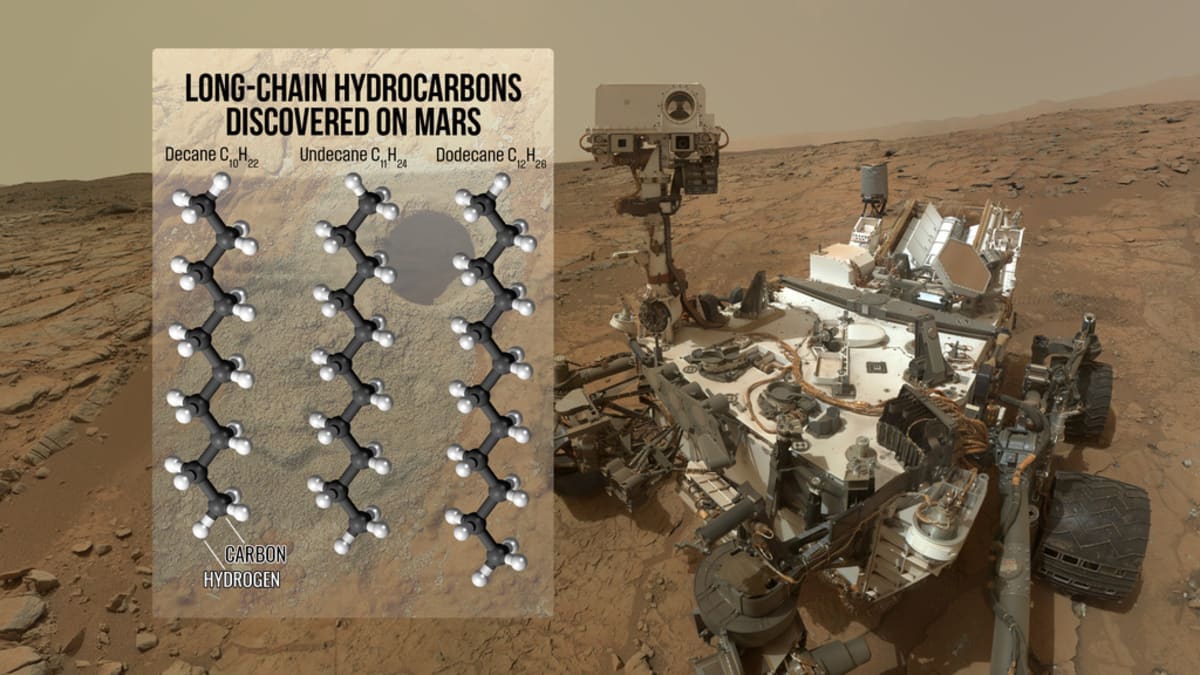
NASA's Curiosity rover discovered the most diverse set of organic molecules ever found on Mars, including seven never seen before on the planet. The finding shows that complex carbon chemistry can survive billions of years in Mars' harsh environment.
Scientists just found the strongest evidence yet that Mars once had the chemical ingredients needed for life.
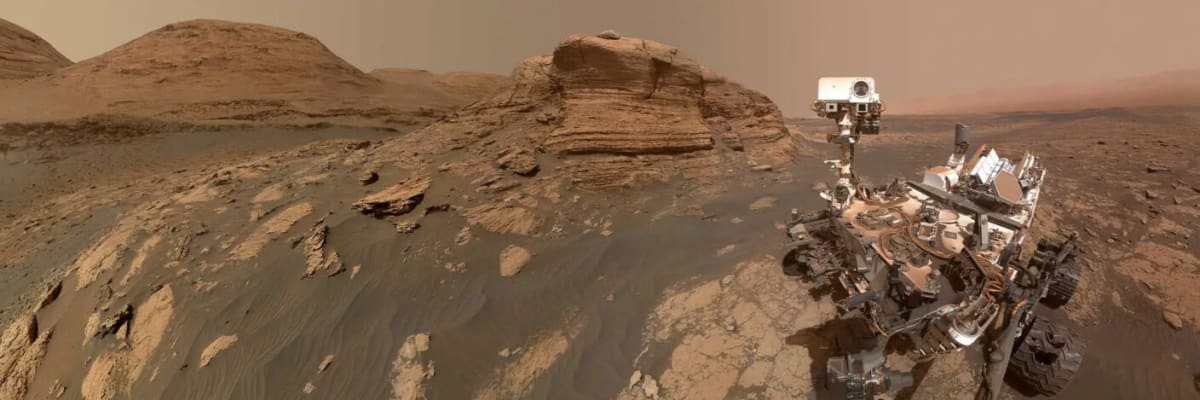
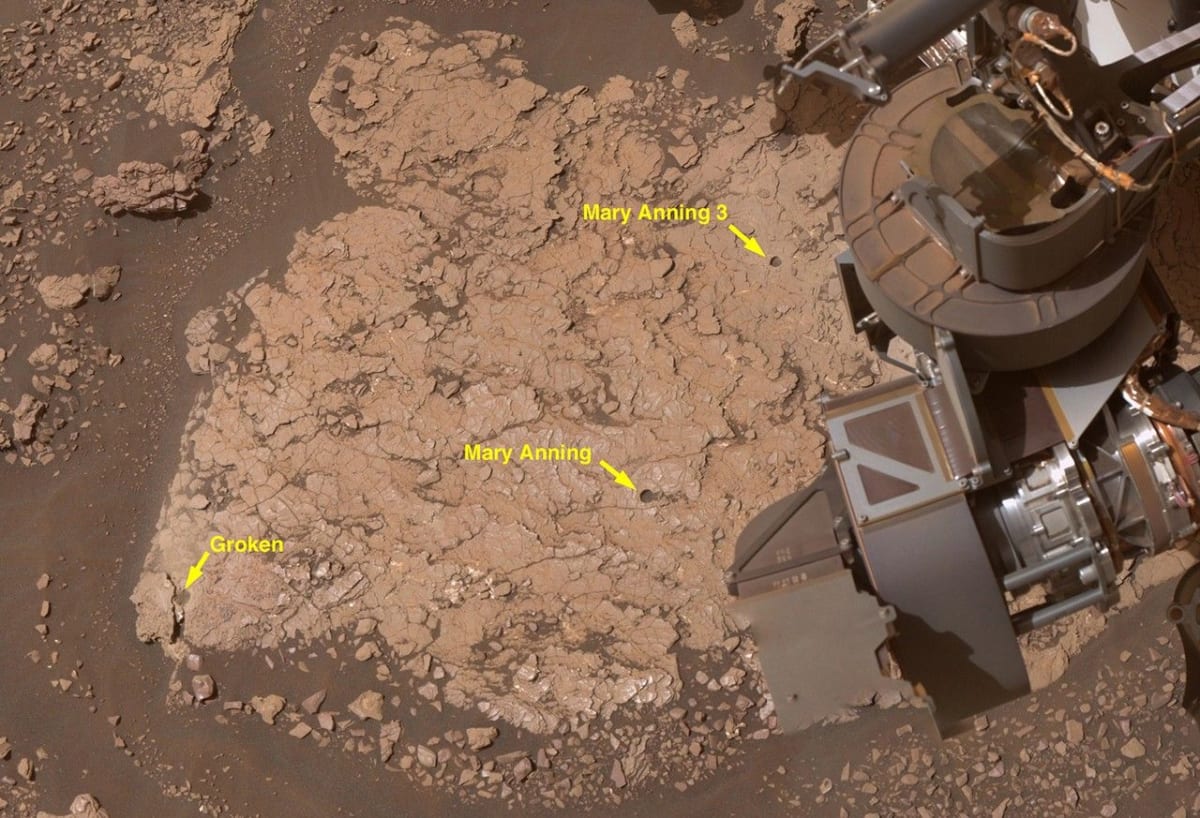
NASA's Curiosity rover uncovered 21 different organic molecules preserved in ancient rocks from Gale Crater, an area that held lakes and streams billions of years ago. Seven of those carbon-based compounds had never been detected on Mars before.
The discovery came from a rock sample Curiosity collected back in 2020 from clay-rich sedimentary rocks. Using advanced chemical analysis, scientists identified the molecules tucked away in layers of stone that formed when water shaped the Martian landscape.
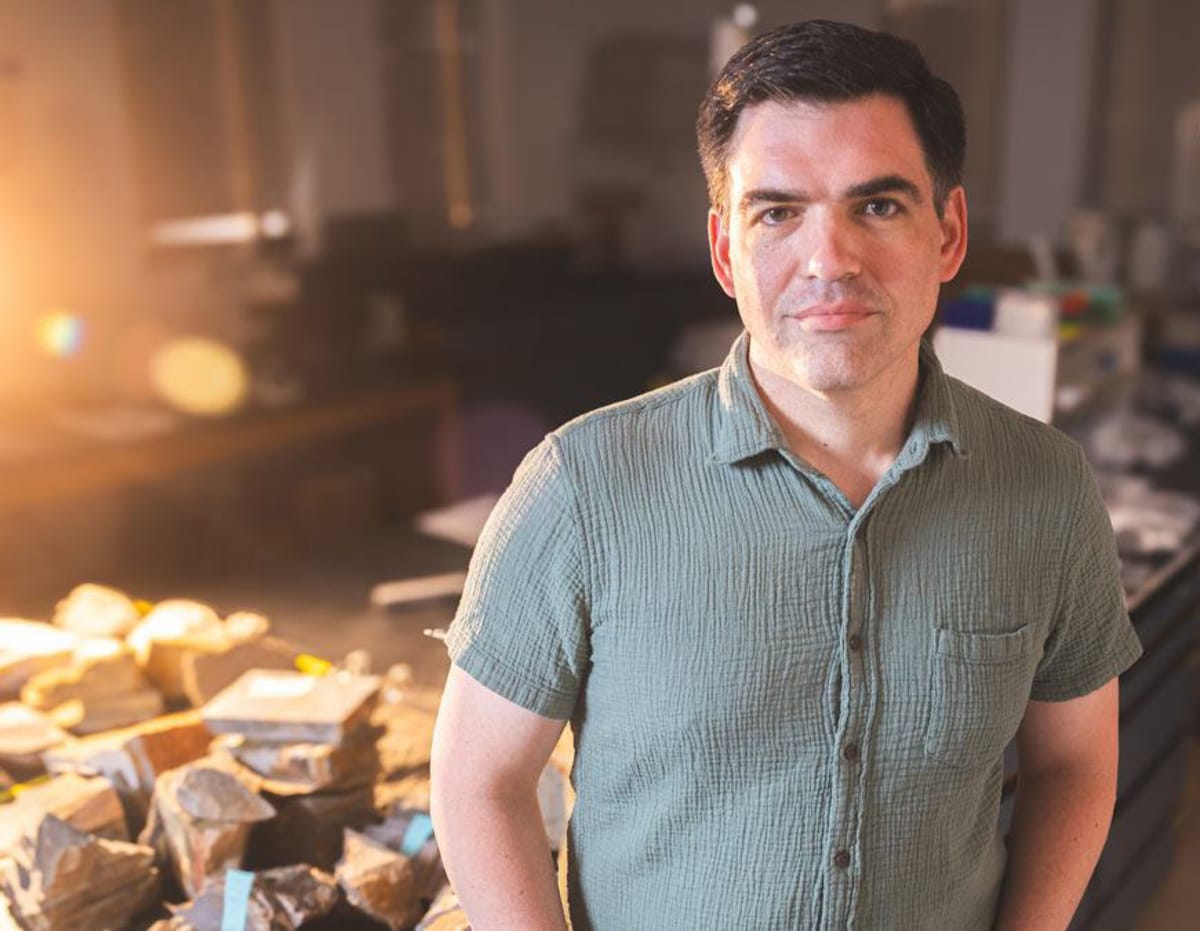
Dr. Michael Tice, an astrobiologist at Texas A&M University, wasn't involved in the new study but knows what makes this finding remarkable. "These organics were likely preserved in the rocks for a very long time, possibly billions of years, despite radiation and other harsh conditions on Mars," he said. "It blows my mind."
The molecules themselves don't prove life existed on Mars. Similar compounds can form through non-biological processes like meteor impacts or underground chemical reactions. What matters is that they survived at all.
On Earth, organic molecules preserved in sedimentary rocks tell scientists how ancient life and environments changed over millions of years. Finding similar preservation on Mars means the planet's rocks might hold the same kinds of stories.
Why This Inspires
This discovery opens a window into Mars' deep past that scientists thought might be closed forever. While Earth's active geology has erased much of our planet's early history, Mars has been keeping a record.
"It is even possible that some Mars rocks will tell us about times when there was no life there," Tice explained. Those rocks could show how chemistry worked before life began, something we can't study on Earth anymore.
The finding builds on earlier research from NASA's Perseverance rover, which identified chemical patterns in Jezero Crater that looked consistent with ancient microbial life. That study, co-led by Tice, found organic carbon alongside iron, sulfur and phosphorus in a combination that could have powered microorganisms.
But confirming whether life actually existed on Mars will require bringing samples back to Earth. Current rover instruments can only do so much from 140 million miles away. "With the right collection, we could find the next step in evidence for past life on Mars," Tice said.
For now, Tice continues analyzing data from Perseverance while comparing Mars samples with some of Earth's oldest rocks from South Africa. His work aims to improve how future missions search for signs of ancient life.
The chemistry that built life on Earth has been waiting on Mars all along.
More Images
Based on reporting by Google: Mars rover discovery
This story was written by BrightWire based on verified news reports.
Spread the positivity!
Share this good news with someone who needs it