Mars Rover Finds Record Nickel in 3-Billion-Year-Old Rocks
NASA's Perseverance rover discovered the highest nickel levels ever found in Martian bedrock, revealing a surprisingly rich ancient environment that could have supported life. The mineral patterns mirror formations on Earth that are sometimes linked to microbial activity.
NASA's Perseverance rover just found something remarkable in 3-billion-year-old Martian rocks: nickel levels higher than ever measured on the Red Planet before. The discovery hints at an ancient chemical environment that might have been friendly to life.
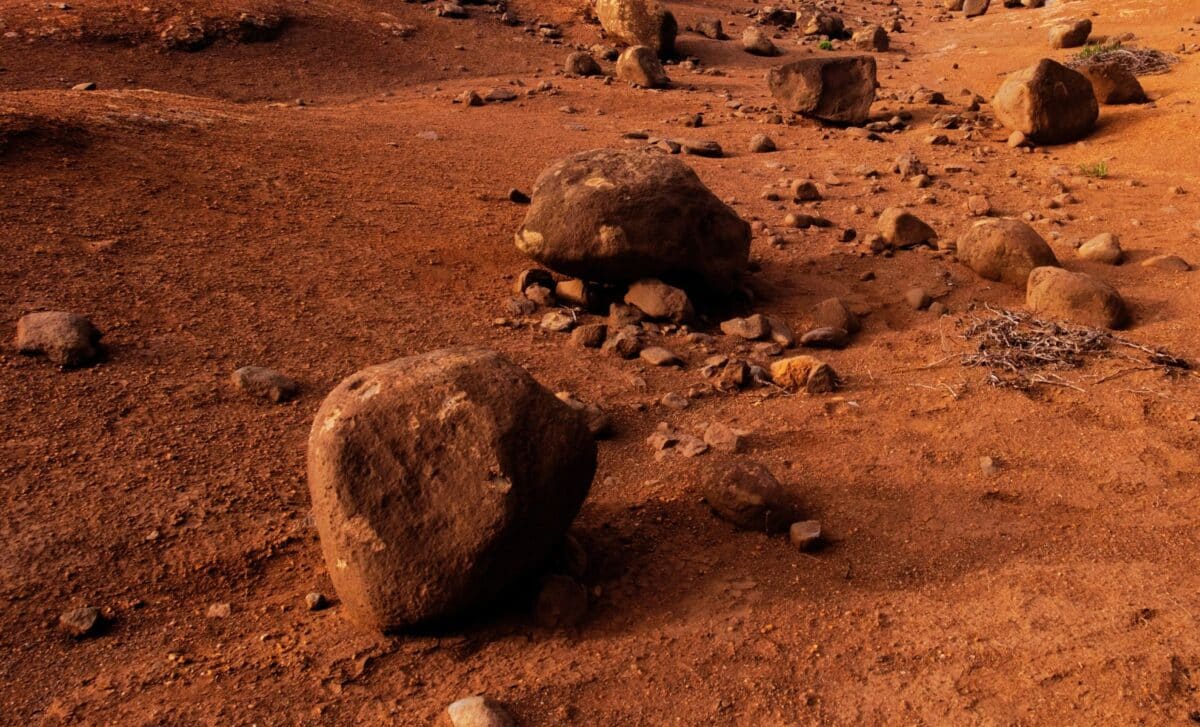
Since touching down in February 2021, Perseverance has been exploring Jezero crater, a massive 45-kilometer-wide basin that once held a lake. The rover recently reached Neretva Vallis, an ancient river inlet where time has perfectly preserved sediments from billions of years ago.
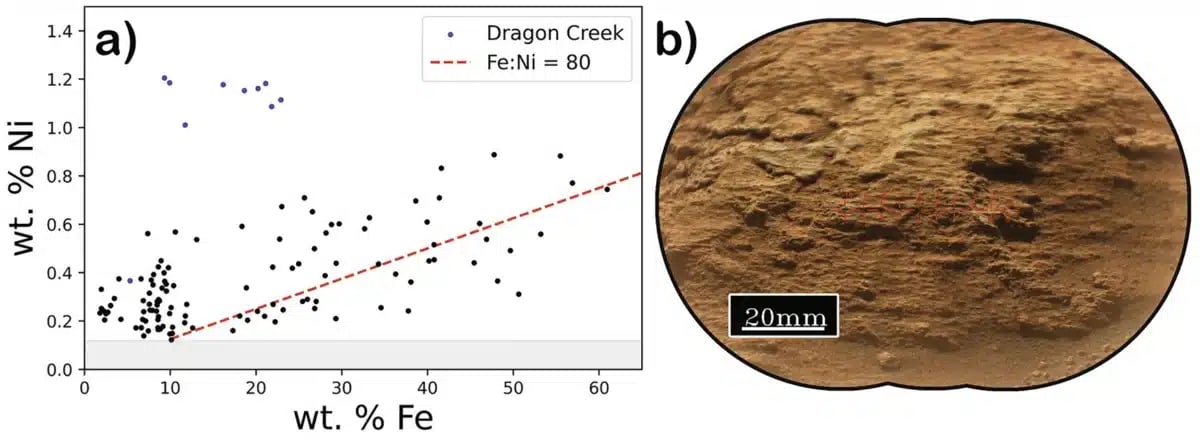
Using lasers, infrared sensors, and X-ray instruments, the rover analyzed 126 rocks in the area. Dr. Henry Manelski and his team at Purdue University found nickel in 32 of those samples, with some reaching concentrations of 1.1% by weight.
That might not sound like much, but it's actually extraordinary. Most of a planet's nickel sinks into its core during formation, so finding this much on the surface tells scientists something special happened here.
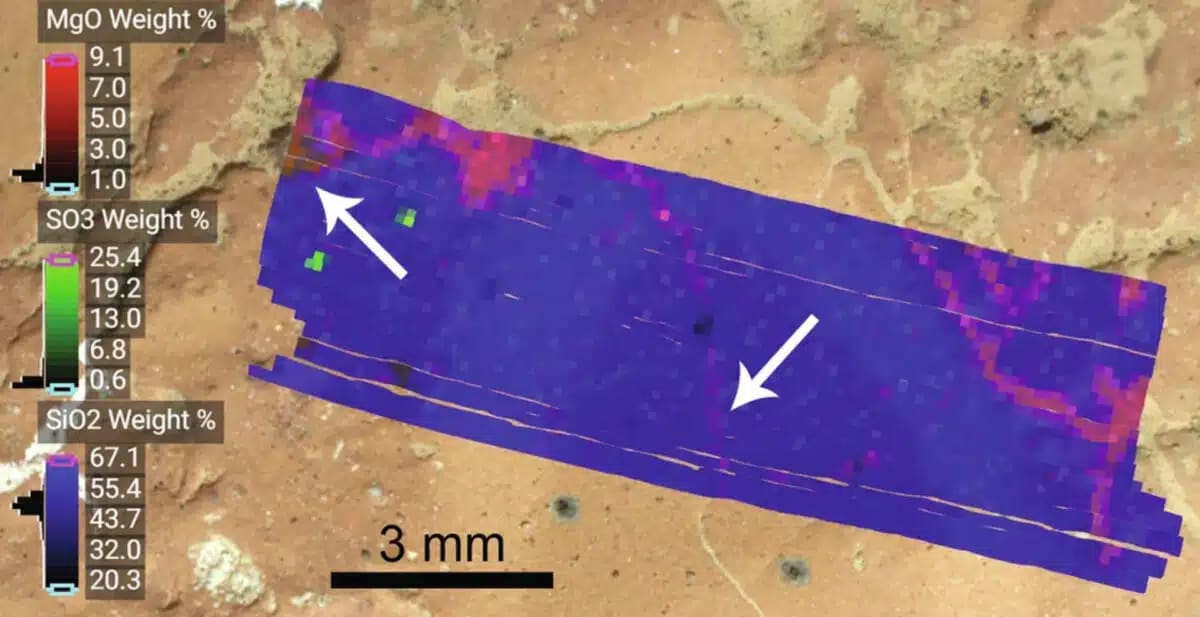
The nickel appeared alongside iron sulfide minerals and sulfates like jarosite and akaganeite. These minerals form as rocks break down over time, and they look remarkably similar to formations found in Earth's ancient sedimentary rocks.
Here's where it gets really interesting. On Earth, these same mineral combinations often show up in places where microbes once lived, especially in low-oxygen environments. Scientists also found organic carbon compounds in the same location, which can be produced by living organisms.
"If living organisms had been present on early Mars, nickel may have been available in a form that they could have used," Manelski explained. The nickel-rich iron sulfide also suggests Mars once had an oxygen-poor atmosphere, much like early Earth when life first emerged.
The team hasn't determined where all this nickel came from yet. It could be from volcanic rocks breaking down over billions of years, or possibly from a nickel-rich meteorite that crashed into the region long ago.
Why This Inspires
This discovery doesn't prove Mars once hosted life, but it shows the planet had the right chemical ingredients. Every rock Perseverance analyzes brings us closer to answering one of humanity's biggest questions: are we alone in the universe?
The rover continues its patient work in Jezero crater, gathering clues that will help scientists understand whether our neighboring planet ever bloomed with life. Each finding published in journals like Nature Communications builds a clearer picture of ancient Mars as a world that might have been more like early Earth than we ever imagined.
The search continues, one rock at a time, bringing hope that we might finally answer whether life found a way beyond our own planet.
More Images

Based on reporting by Google News - Science
This story was written by BrightWire based on verified news reports.
Spread the positivity!
Share this good news with someone who needs it