MIT Robot Swims Underwater and Flies Like a Puffin
Engineers at MIT created the world's first bird-sized robot that can both swim underwater and fly through the air, mimicking diving seabirds. The breakthrough could revolutionize how we monitor ocean life and coral reefs.
Scientists just built a robot that does something no machine has ever done before: swim like a puffin and soar like an eagle.
Mechanical engineer Raphael Zufferey and his team at MIT spent two years creating a half-pound flying robot inspired by Atlantic puffins, seabirds that use their wings to glide through both air and water. The robot, with a wingspan just under three feet, successfully transitions between flying and swimming on its own power.
"These puffins solve this really challenging task of moving in air, in water despite the huge difference in density," says Zufferey. His team wondered if they could replicate that natural engineering feat in a robot.
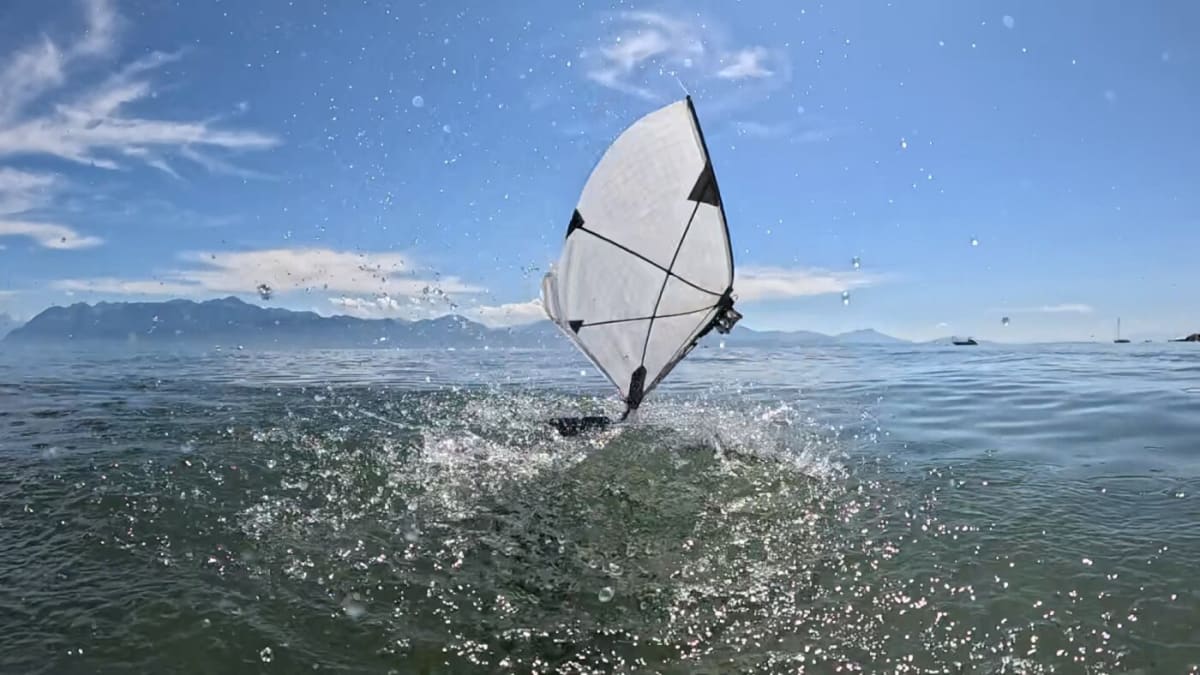
The breakthrough, published in the journal Science, required creative solutions. Instead of building complicated legs like real birds have, the engineers designed the robot to launch straight from the water using only its wings. By flapping ten times per second, it generates enough thrust to lift off from a lake's surface.
The wings themselves are elegant and simple. Made from translucent nylon fabric reinforced with carbon fiber, they flex naturally rather than folding like a real bird's wings. This keeps the design lightweight while maintaining the strength needed for both swimming and flying.
Perhaps most impressive is what's inside. The robot's electronic guts are completely exposed, allowing water to flood the entire system. Every component is individually waterproofed, making the robot neutrally buoyant so it hovers underwater without floating up or sinking down.
Why This Inspires
This robot isn't just a cool gadget. It opens doors to monitoring our oceans in ways that were previously impossible.
The robot could fly to remote coral reefs, dive down to collect water samples, then return to the surface and fly home with data. It could track whale pods, study algal blooms, or observe coastal ecosystems without disturbing them. Where boats are too intrusive and stationary sensors can't reach, these aerial-aquatic robots could go.
Glenna Clifton, an animal movement biologist at the University of Portland who wasn't involved in the research, calls it "a beautiful robot." She notes it helps scientists understand what makes diving birds so special while also creating new tools for environmental research.
The work represents more than engineering innovation. It shows how nature still has solutions to teach us, and how learning from animals can help us protect the natural world they inhabit.
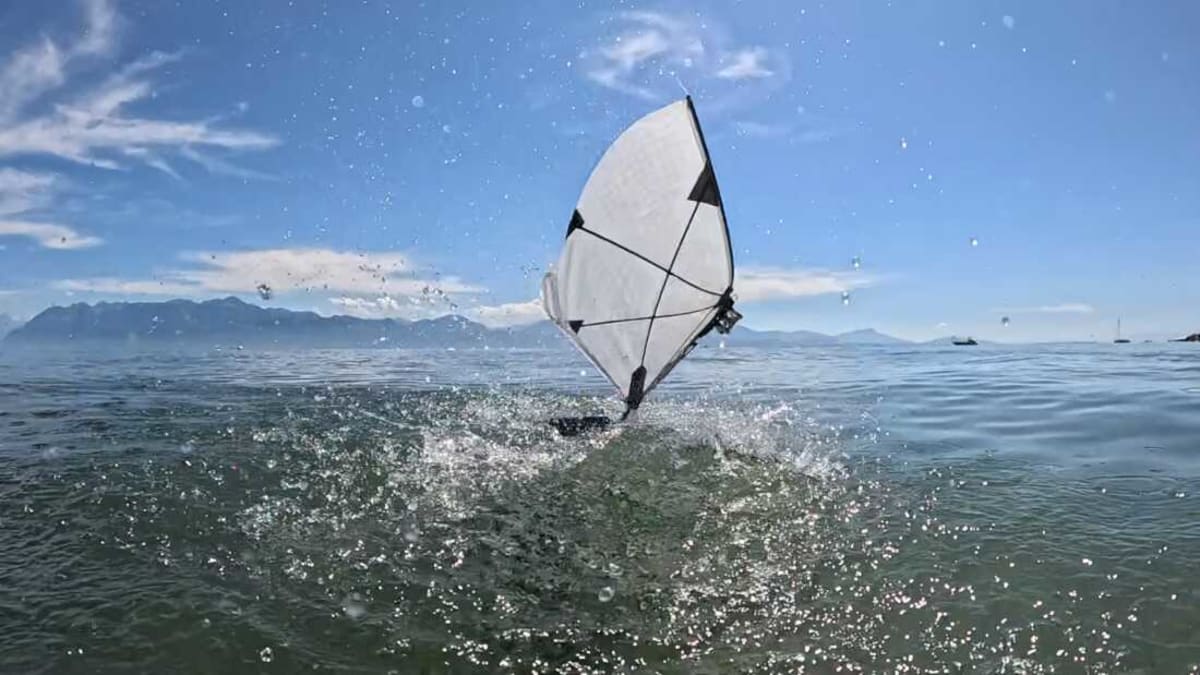
Field tests at Lake Geneva in Switzerland proved the concept works in real conditions, not just laboratory tanks. The robot successfully launched from calm water with the Swiss Alps rising in the distance, a moment Zufferey describes as monumental.
From studying puffins to building better ocean monitors, this breakthrough reminds us that the future of conservation technology might have wings.
More Images



Based on reporting by Google News - Science
This story was written by BrightWire based on verified news reports.
Spread the positivity!
Share this good news with someone who needs it