NASA Rover Finds Most Complex Organic Molecules on Mars
NASA's Curiosity rover discovered 12-atom carbon chains preserved in ancient Martian rocks, the largest organic molecules ever found beyond Earth. The finding suggests Mars sustained complex chemistry for billions of years.
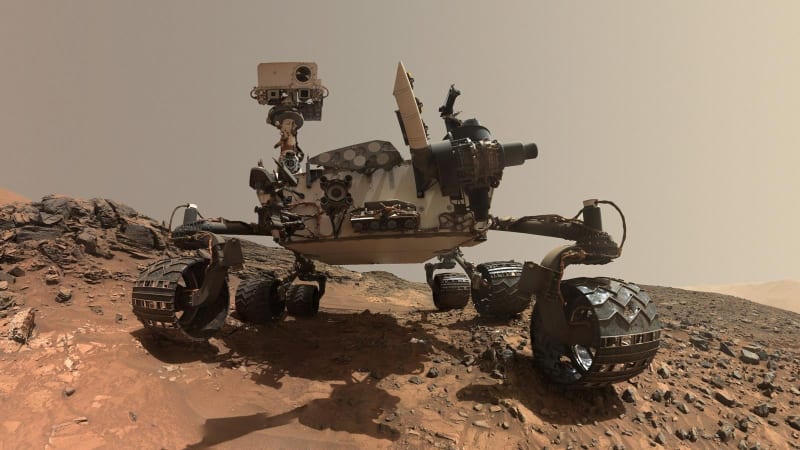
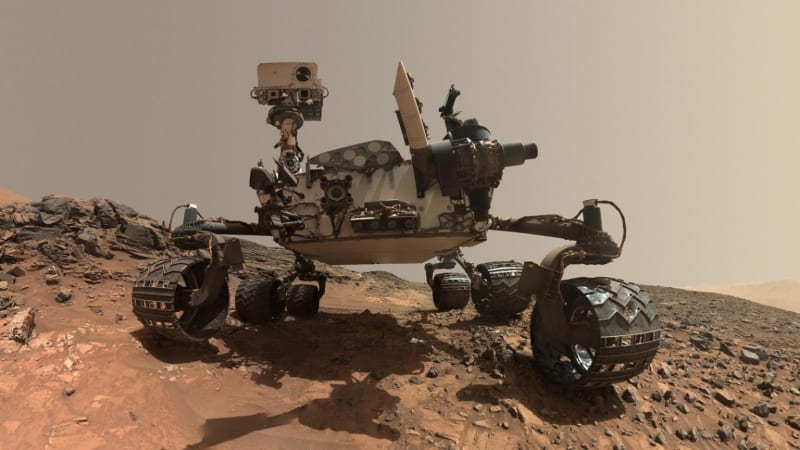
After 13 years exploring the Red Planet, NASA's Curiosity rover just made its most exciting discovery yet: complex organic molecules locked inside ancient Martian rock.
The rover detected decane, undecane, and dodecane, long chains of carbon and hydrogen atoms that stretch 12 atoms long. These molecules dwarf anything previously found on Mars, where scientists had only spotted simple compounds like methane.
Curiosity found them in a region called "boxwork," stunning geological formations that look like giant stone spiderwebs. Billions of years ago, water flowed through rock cracks and left mineral deposits behind. When softer rocks wore away over time, the hard mineral ridges remained.
The rover heated rock samples using its SAM instrument and analyzed the gases that escaped. The results came back in January 2026 from samples collected the previous November, after a communication blackout caused by solar conjunction blocked signals between Mars and Earth.
On our planet, these molecules show up in petroleum. Their presence on Mars opens three fascinating possibilities: they formed through geological processes, hitched a ride on meteorites, or hint at ancient life. Scientists can't yet determine which answer is correct.
The Ripple Effect
This discovery transforms our understanding of Mars. The planet preserved complex organic chemistry for billions of years, proving it once had the stable, water-rich conditions needed for intricate chemical reactions.
Curiosity landed in August 2012 for what was supposed to be a two-year mission. Instead, it's still climbing the slopes of Mount Sharp in Gale Crater, studying rock layers that formed eons ago. Earlier findings confirmed the crater once held a lake suitable for microbes and detected methane changes suggesting active underground processes.
The rover will spend 2026 studying more boxwork samples to see if these molecules are common across Mars. Meanwhile, NASA's Perseverance rover is collecting samples in Jezero Crater for return to Earth in the early 2030s, where lab analysis will reveal more about their origins.
If Perseverance finds similar molecules, it would prove complex chemistry existed across the entire planet. The most thrilling possibility remains that these organic compounds tell a story about ancient Martian life, waiting for future missions to unlock.
More Images


Based on reporting by Google: Mars rover discovery
This story was written by BrightWire based on verified news reports.
Spread the positivity!
Share this good news with someone who needs it