NASA Telescope Could Discover 100,000 Hidden Planets
NASA's Roman Space Telescope is expected to discover 100,000 new worlds beyond our solar system, transforming our understanding of how planets form across the Milky Way. The mission will explore distant regions of our galaxy never before studied for planets.
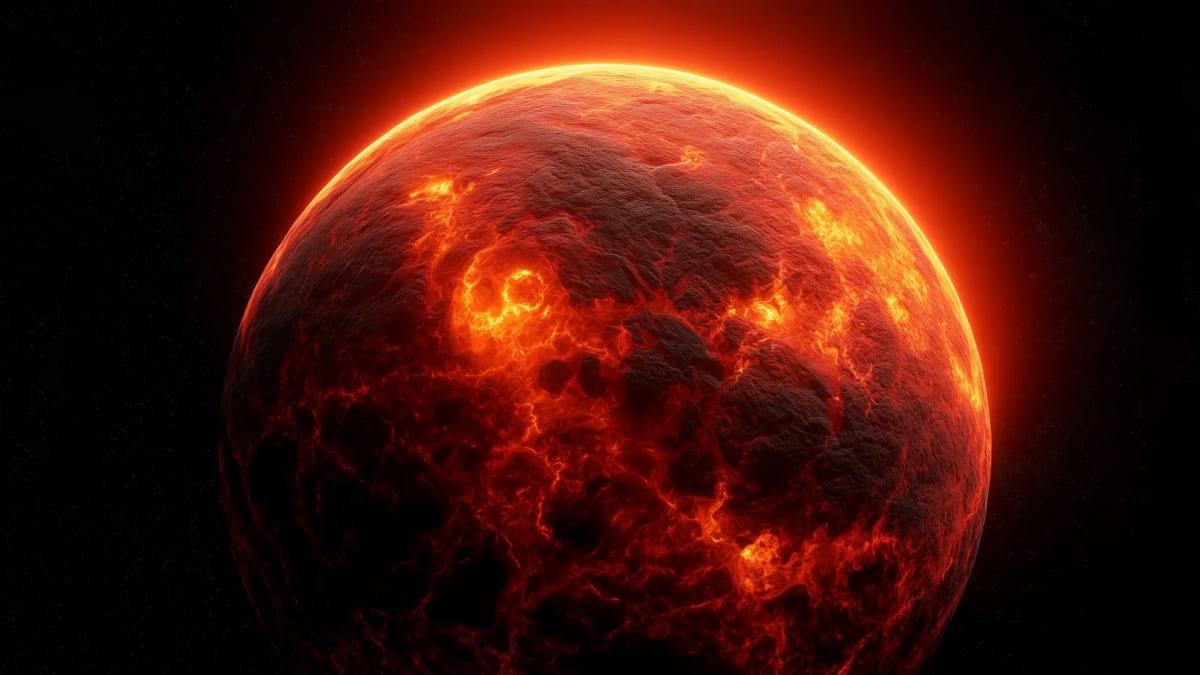
Scientists are preparing for the most ambitious planet-hunting mission in human history. NASA's Nancy Grace Roman Space Telescope could uncover roughly 100,000 previously unknown worlds, dwarfing the 6,300 exoplanets discovered by all previous missions combined.
What makes this telescope special isn't just how many planets it will find, but where it will look. Nearly all known exoplanets orbit stars within a few thousand light years of Earth, giving us a limited view of how planetary systems form.
Roman will search the entire Milky Way, from the densely packed stars in the galactic center all the way to the far side of our galaxy. This vast survey will reveal how different galactic environments affect planet formation.
"Our galaxy is home to a variety of different environments, but when it comes to hunting for exoplanets, we've really only explored one: our own neighborhood," said Elisa Quintana, an exoplanet researcher at NASA's Goddard Space Flight Center. Roman will change that completely.
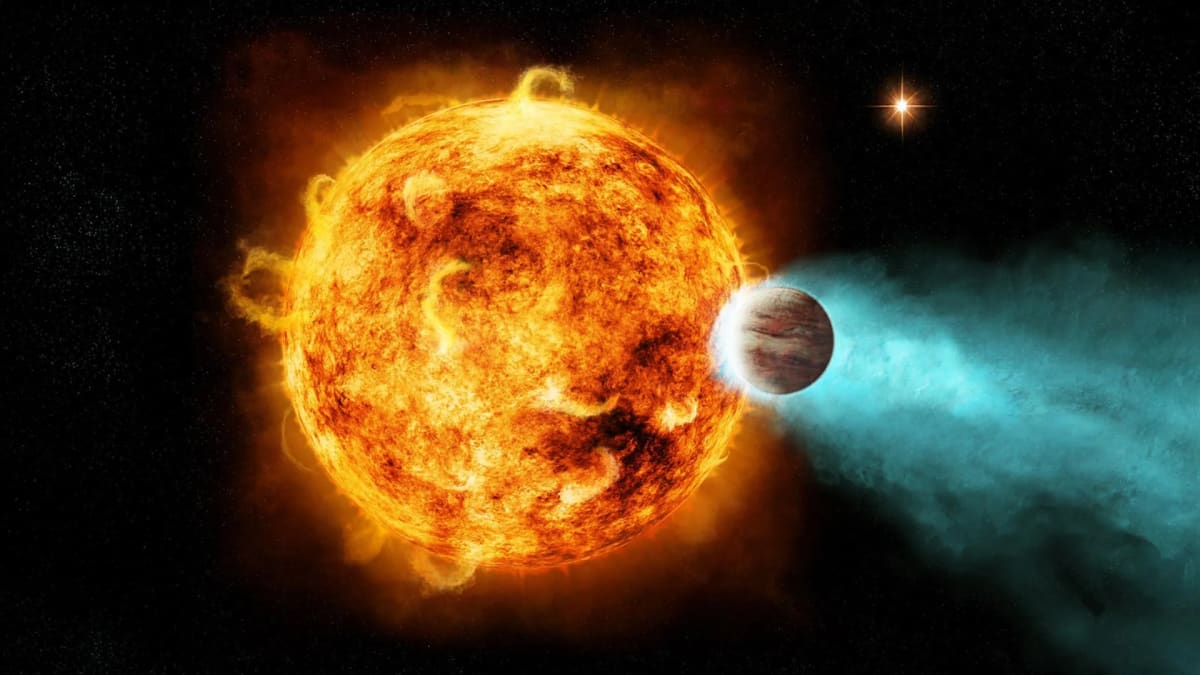
The telescope will use two powerful detection methods working together. Transit observations watch for planets passing in front of their stars, blocking tiny amounts of light. This technique excels at finding large, hot worlds orbiting close to their suns.
Microlensing observations detect the gravitational magnification that occurs when a star and its planets pass in front of a more distant star. This method can spot smaller planets, including Earth-sized worlds in habitable zones that other techniques miss entirely.
These discoveries matter for understanding our own origins. Scientists believe our solar system formed closer to the galactic center before drifting outward over billions of years. Stars in that region contain more heavy elements like silicon and oxygen, which may influence what kinds of planets can form.
The Ripple Effect
Roman's treasure trove of data will help scientists answer a fundamental question: how common are planetary systems like ours? By comparing planet populations across vastly different stellar environments, researchers can test theories about what conditions create rocky worlds, gas giants, or perhaps no planets at all.
Early studies of nearby stars suggest that systems with more heavy elements tend to host more planets, especially giant ones. Roman will examine hundreds of millions of distant stars to see if this pattern holds true galaxy-wide.
The mission's scientists are already preparing sophisticated software and machine learning tools to process the enormous flood of incoming data. They're creating simulations and detecting virtual planets now so they can hit the ground running when real observations begin.
This isn't just about finding new dots in the sky. Every new world Roman discovers adds another piece to the puzzle of how planetary systems form, evolve, and potentially support life across our cosmic neighborhood.
The universe is about to get much more crowded, and our understanding of our place in it is poised to grow beyond imagination.
Based on reporting by Science Daily
This story was written by BrightWire based on verified news reports.
Spread the positivity!
Share this good news with someone who needs it