NASA Telescope to Discover 100,000 New Planets
NASA's upcoming Roman Space Telescope could discover 100,000 new worlds beyond our solar system, dwarfing all previous planet discoveries combined. The mission will search unexplored regions of the Milky Way and reveal how planets form across different cosmic neighborhoods.
Scientists are about to get the ultimate cosmic treasure map, and it could rewrite everything we know about planets in our galaxy.
NASA's Nancy Grace Roman Space Telescope is gearing up to discover around 100,000 new exoplanets when it launches. That's more than 15 times all the planets we've found so far through every mission combined.
Here's what makes this special. Until now, we've only searched for planets in our galactic neighborhood, within a few thousand light years of Earth. Roman will peer much deeper, scanning stars from the densely packed center of the Milky Way all the way to the far side of our galaxy.
"Our galaxy is home to a variety of different environments, but when it comes to hunting for exoplanets, we've really only explored one: our own neighborhood," said Elisa Quintana, an exoplanet researcher at NASA's Goddard Space Flight Center. Roman will finally show us how planets form in completely different cosmic environments.
The telescope will use two planet-hunting techniques. The first watches for tiny dips in starlight when planets pass in front of their stars. The second uses gravity as a magnifying glass, detecting planets when their gravity brightens the light of more distant stars behind them.
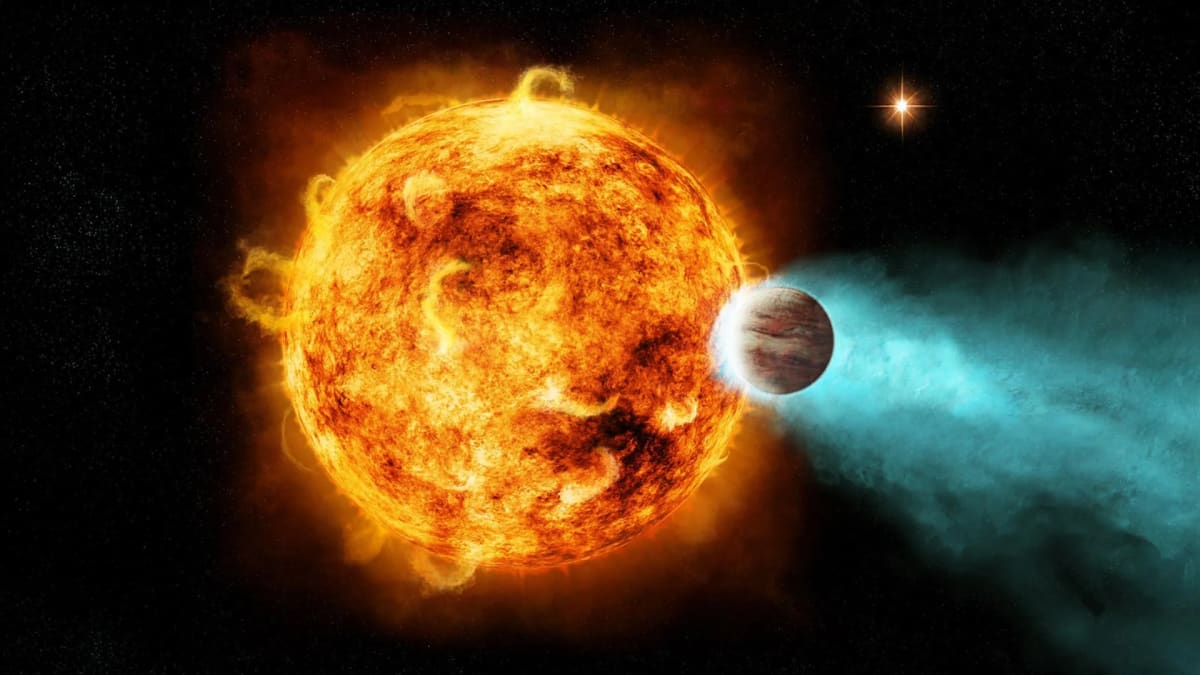
Together, these methods will spot everything from scorching hot giant planets to small, rocky worlds like Earth and Mars. Some of these planets orbit in habitable zones where liquid water could exist.
Why This Inspires
This mission could help solve one of our biggest cosmic mysteries: how common are planetary systems like our own?
Scientists believe our solar system formed closer to the galaxy's center before drifting outward over billions of years. Roman will search those inner regions where Earth may have originated, comparing planets there to ones in our current neighborhood.
The chemical makeup of stars varies across the galaxy, and that chemistry likely influences what kinds of planets form around them. Stars rich in elements like silicon and oxygen might create more rocky worlds or bigger planets. By studying hundreds of millions of stars across different galactic regions, Roman will reveal these patterns for the first time.
Robby Wilson, a postdoctoral fellow at NASA Goddard who led a study on Roman's expected discoveries, said the telescope will let scientists compare faraway planet populations to nearby ones on an unprecedented scale. His team is already preparing machine learning tools to sift through the massive amount of data Roman will generate.
The discoveries could reshape our understanding of how planets form and help answer whether worlds like Earth are rare cosmic accidents or common throughout the galaxy.
Based on reporting by Google: NASA discovery
This story was written by BrightWire based on verified news reports.
Spread the positivity!
Share this good news with someone who needs it