NASA's Pandora Telescope Hunts for Habitable Worlds
A new NASA telescope just launched to solve a major problem blocking our search for life on distant planets. Pandora will help scientists see through stellar interference that's been confusing data from the James Webb Space Telescope.
Scientists just launched a telescope that could change everything about how we search for life beyond Earth.
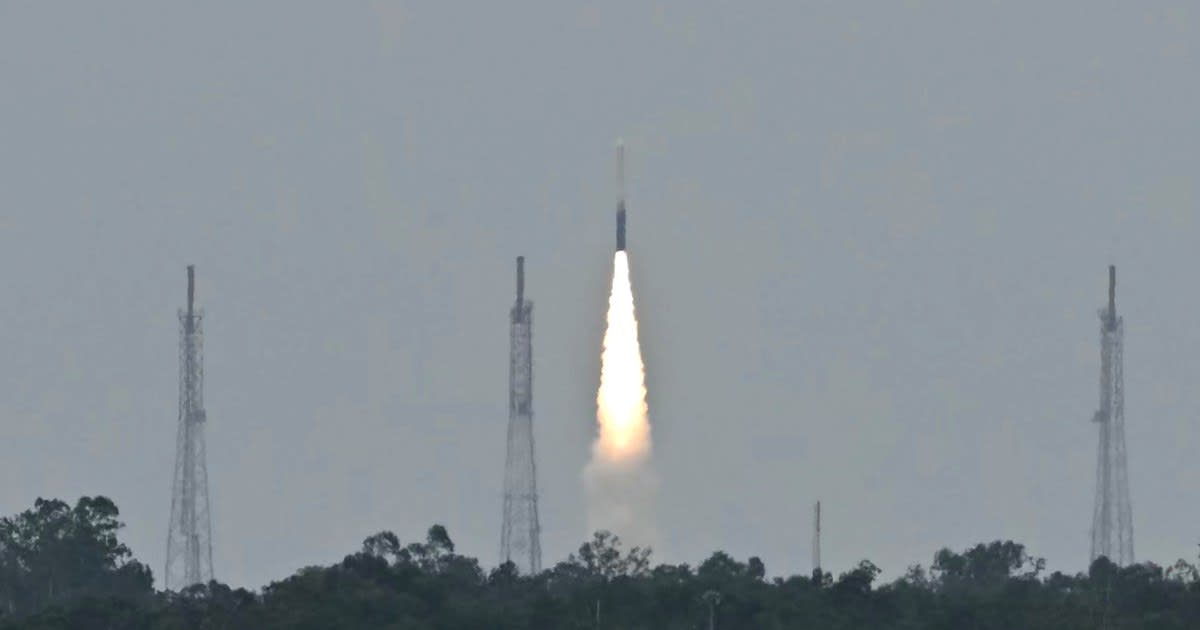
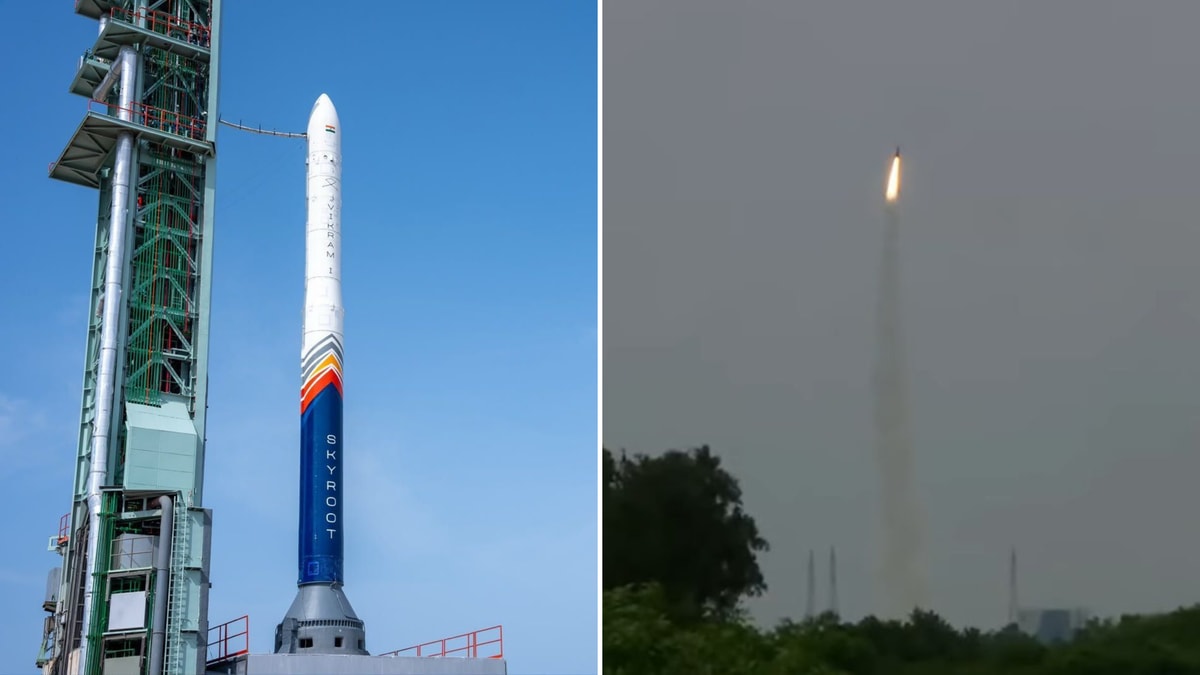
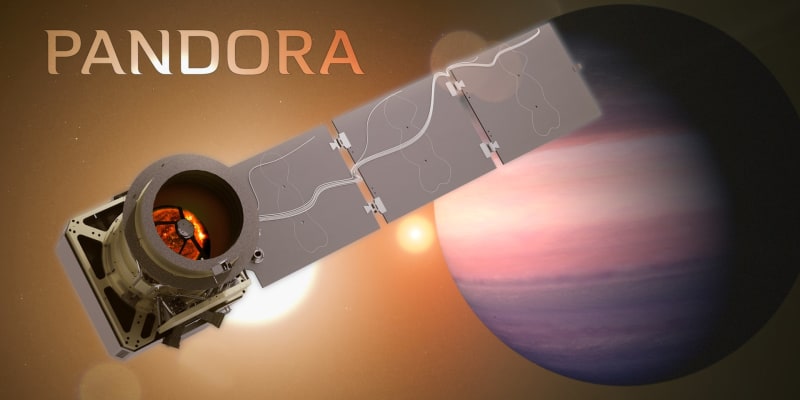
On January 11, 2026, NASA's Pandora telescope blasted into orbit from California's Vandenberg Space Force Base. This small but mighty telescope has one critical job: helping astronomers figure out which distant planets might actually host life.
The challenge sounds simple, but it's been stumping scientists for years. When researchers study planets orbiting other stars, they watch starlight filter through those planets' atmospheres, looking for signs of water vapor and other hints of life. It's like holding a glass of wine up to a candle to judge its quality.
But there's a problem. Stars aren't steady candles. They have dark spots, bright active regions, and their own water vapor that constantly changes and throws off measurements.
University of Arizona astronomer and Pandora co-investigator discovered this issue years ago with his colleagues. They found that these stellar changes were seriously misleading planet measurements. Some stars even have more water vapor in their spots than planets do, causing false alarms in the search for habitable worlds.
They published their findings in 2018 and 2019, warning that even the powerful James Webb Space Telescope couldn't reach its full potential without solving this contamination problem. The scientific community listened.
Why This Inspires
Pandora represents a new way of doing space science. Instead of spending decades and billions on massive missions, NASA built this telescope quickly and affordably by keeping it simple. The team took a risk, but they knew the payoff was worth it.
The telescope will patiently watch stars for 24 hours at a time, tracking how their brightness and colors change as spots rotate and active regions evolve. This data will help scientists separate what belongs to the star from what belongs to the planet.
Think of Pandora as Webb's essential partner. Webb is bigger and collects more light, but Pandora does what Webb cannot: it watches stars long enough to understand their moods and quirks. Together, they'll give us the clearest picture yet of which distant worlds might harbor life.
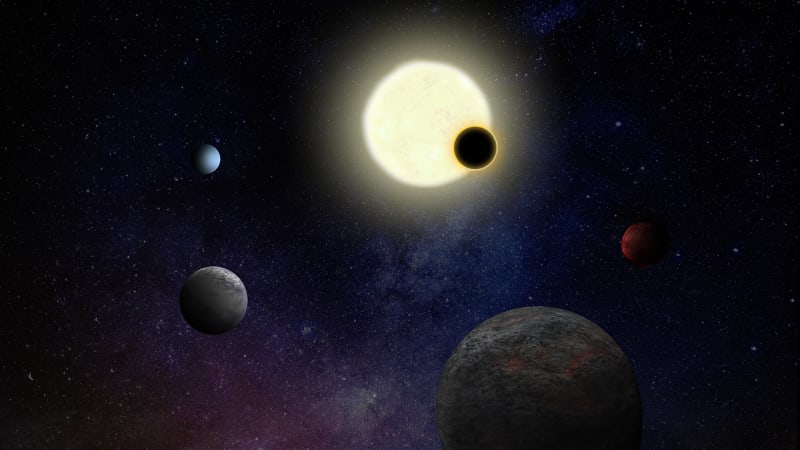
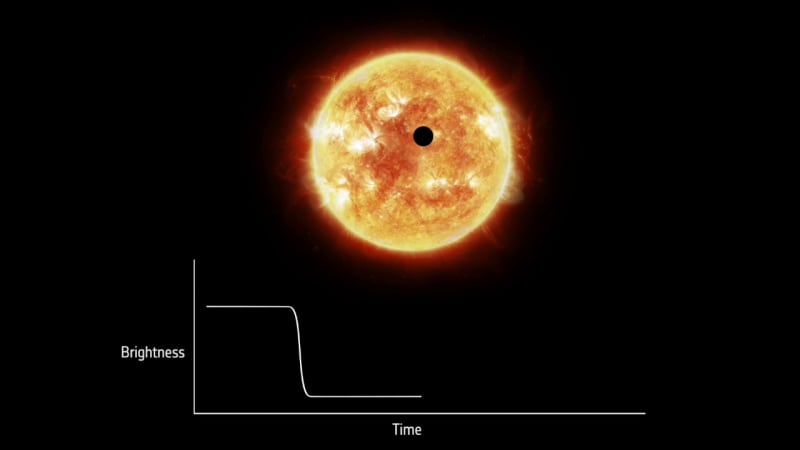
The telescope works by observing planets as they pass in front of their stars, measuring the filtered starlight with both visible and infrared cameras. By understanding the star's own contribution to that light, scientists can finally see the planets clearly.
This mission proves that when scientists identify a problem, they don't just complain about it. They build solutions, even if it means launching a telescope in record time to help humanity's most profound quest: finding out if we're alone in the universe.
More Images
Based on reporting by Live Science
This story was written by BrightWire based on verified news reports.
Spread the positivity!
Share this good news with someone who needs it