NASA's Pandora Telescope Joins Hunt for Alien Life
A new NASA telescope launched to help scientists solve a major problem blocking our search for life on distant planets. Pandora will work alongside the James Webb Space Telescope to filter out confusing signals from stars and get clearer readings of alien worlds.
Scientists just got a powerful new tool in humanity's search for life beyond Earth, and it launched with a mission to solve a problem that's been holding us back for years.
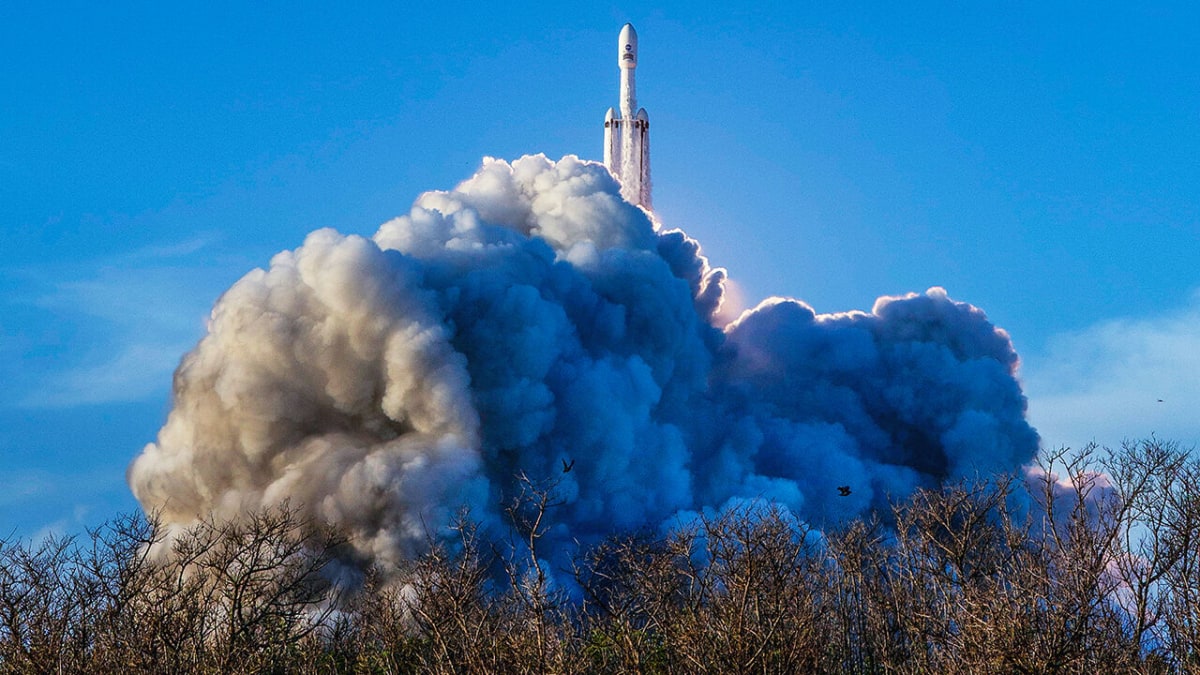
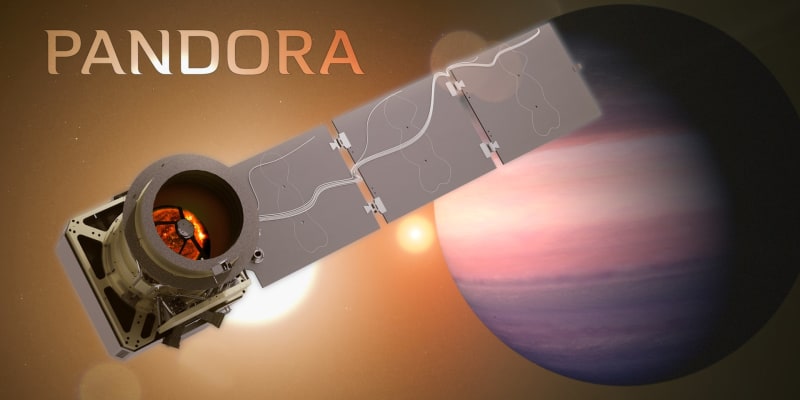
On January 11, 2026, NASA's Pandora telescope blasted into orbit aboard a SpaceX Falcon 9 rocket from California. The small but mighty telescope has one job: help astronomers see exoplanets more clearly by understanding the stars they orbit.
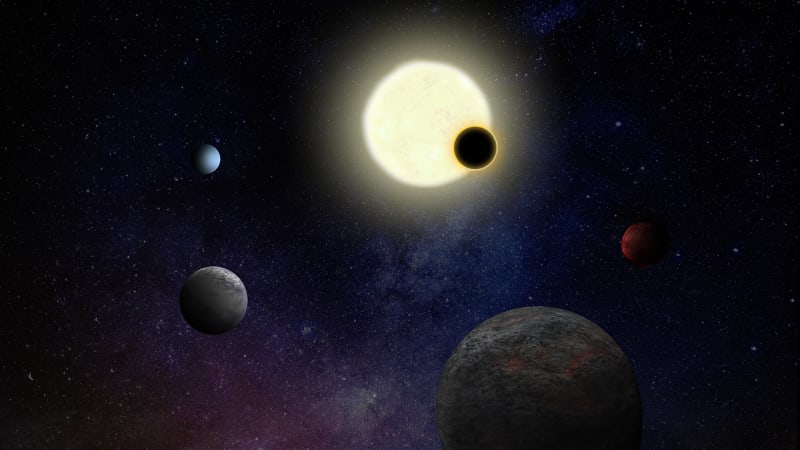
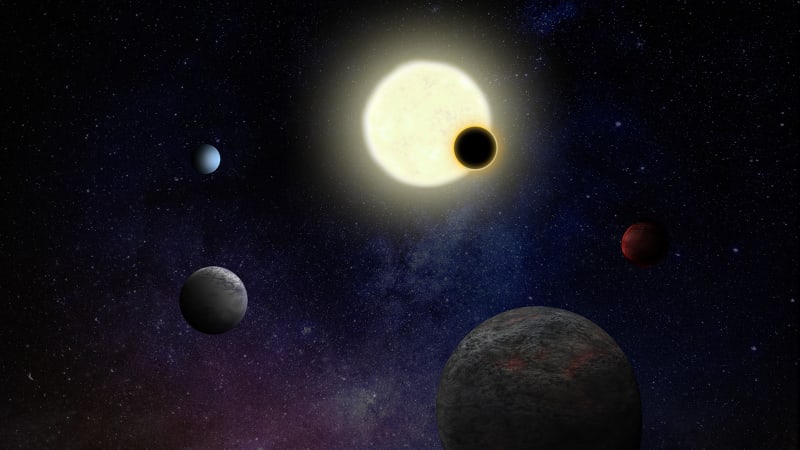
Exoplanets are worlds circling distant stars, and they're incredibly hard to study. These planets appear as faint dots next to stars that are millions or billions of times brighter, making it nearly impossible to see details clearly.
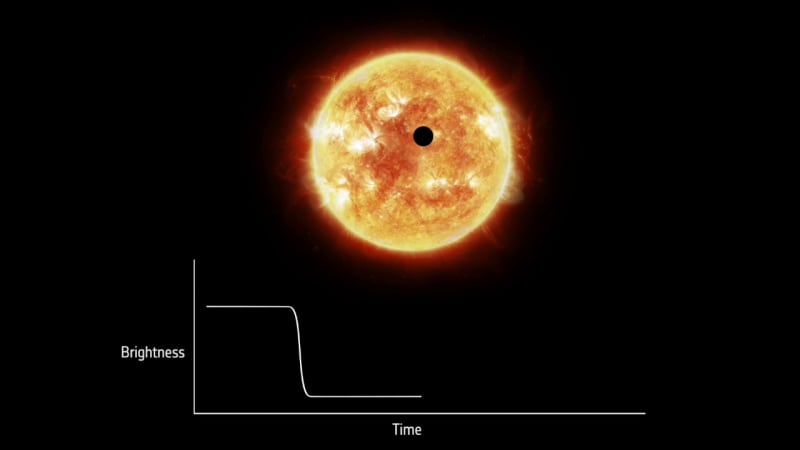
For two decades, astronomers have used a clever trick to study these faraway worlds. When planets pass in front of their stars, scientists can analyze starlight filtering through the planets' atmospheres, searching for signs of water, clouds, and even potential life.
But there's been a major problem. Starting in 2007, scientists realized that starspots and active regions on stars were messing up their measurements. University of Arizona astronomers discovered that these stellar features can seriously mislead exoplanet observations, even making scientists think they found water on a planet when they were actually detecting water in the star itself.
They called it "the transit light source effect," and it threatened to limit what even the mighty James Webb Space Telescope could accomplish.
The Ripple Effect
Pandora represents a new way of doing space science. NASA built this telescope faster and cheaper than usual, keeping it simple but effective.
While the James Webb Space Telescope is larger and more powerful, Pandora can do something Webb cannot. It will patiently watch the same stars for 24 hours at a time, tracking how their brightness and colors change as starspots form and fade.
Pandora will visit its target stars 10 times over a year, spending over 200 hours on each one. By combining Pandora's detailed star observations with Webb's planetary data, scientists will finally be able to separate the star's noise from the planet's actual atmosphere.
This breakthrough means astronomers can search for life on smaller Earth-like planets with confidence they're not being fooled by their host stars. The telescope is already orbiting Earth every 90 minutes, with science operations beginning soon after testing completes.
For the first time, we have the tools to truly understand what distant worlds are made of and whether they might harbor life.
More Images
Based on reporting by Google: James Webb telescope
This story was written by BrightWire based on verified news reports.
Spread the positivity!
Share this good news with someone who needs it