%2Fhttps%3A%2F%2Ftf-cmsv2-smithsonianmag-media.s3.amazonaws.com%2Ffiler_public%2F7f%2F38%2F7f38918b-31e3-42f8-942d-06eedb65924d%2Ffigure-4.jpg)
New Jersey Meteorite Contains Building Blocks of Life
A space rock that crashed through a bedroom ceiling in New Jersey last year turned out to be one of the rarest meteorites ever found on Earth. Scientists just discovered it contains amino acids and evidence of ancient salty water from the dawn of our solar system.
Imagine waking up to a crash so loud your house shakes, only to find a hole in your bedroom ceiling and rocks from outer space scattered across your bed. That's exactly what happened to a couple in Hillsborough, New Jersey, on July 16, 2024, when a meteor exploded over New York City and sent fragments hurtling into their home.
The homeowner rushed to the bedroom after hearing the impact. He found black soot everywhere, a sulfuric smell like rotten eggs, and several dark rocks that had punched through the roof. The meteorite fragments, weighing about three pounds together, had narrowly missed the bed where he'd been sleeping.
Instead of panicking, the couple did something remarkable. They quickly contacted experts and carefully preserved the space rocks using gloves, aluminum foil, and glass containers. Their quick thinking meant scientists could study one of the most pristine meteorites ever recovered.
The analysis revealed something extraordinary. The Hillsborough meteorite belongs to an ultra-rare class called CM carbonaceous chondrites, ancient rocks that resemble the chemistry that formed our planets. Even more exciting, this particular specimen sits between two classifications, making it only the second intermediate CM1/2-type meteorite ever witnessed falling to Earth.
Researchers found microscopic cracks filled with sodium-rich material, suggesting the parent asteroid once had salty water flowing through it billions of years ago. The meteorite also contains a treasure trove of amino acids, the building blocks of proteins, most of which don't exist naturally on Earth.
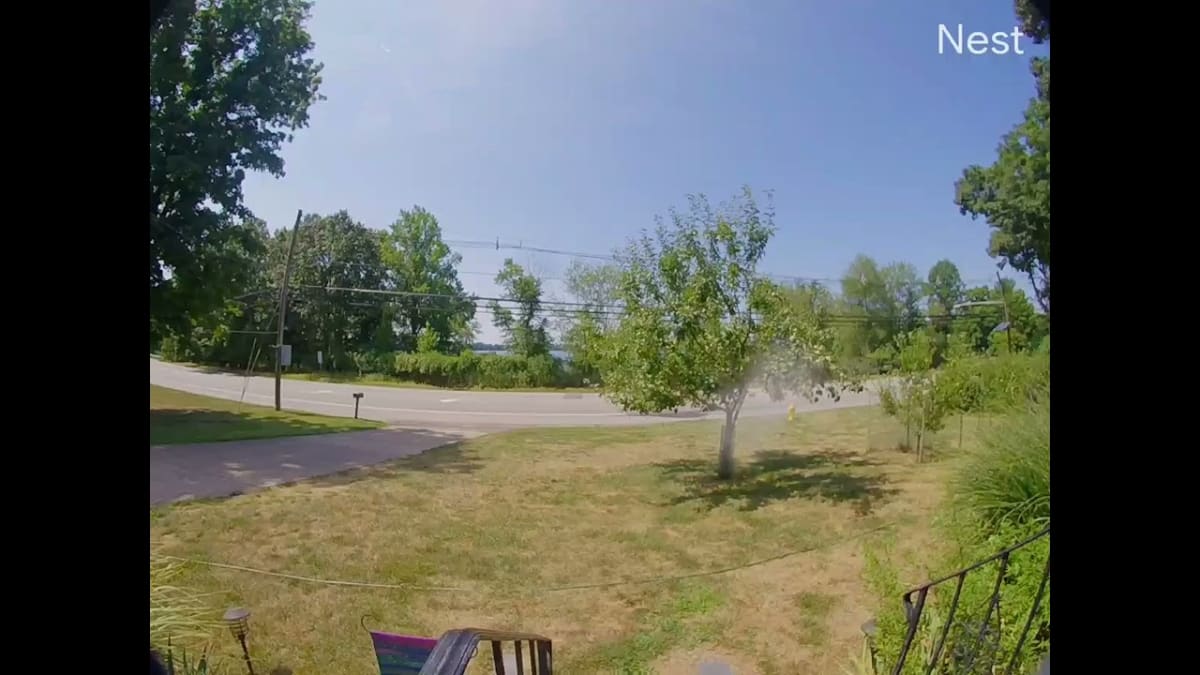
Using camera footage from across New Jersey, scientists traced the meteor's blazing path back through space. They believe it came from asteroid 163 Erigone in the belt between Mars and Jupiter, broken off about 200,000 years ago after millions of years of cosmic collisions. The fragment eventually entered our atmosphere at 32,000 miles per hour, with most of it vaporizing before reaching that bedroom in New Jersey.
Why This Inspires
This story reminds us that incredible discoveries can literally fall from the sky into our everyday lives. A couple faced an alarming home invasion from space and turned it into a gift for science, helping us understand where life's ingredients came from and how water might have arrived on young Earth.
The lead researcher calls getting hit by a meteorite a stroke of luck, not bad fortune. After all, how many people get to hold a piece of the early solar system in their hands and contribute to humanity's understanding of our cosmic origins?
More Images
%2Fhttps%3A%2F%2Ftf-cmsv2-smithsonianmag-media.s3.amazonaws.com%2Ffiler_public%2F7f%2F38%2F7f38918b-31e3-42f8-942d-06eedb65924d%2Ffigure-4.jpg)
%3Afocal(585x451%3A586x452)%2Fhttps%3A%2F%2Ftf-cmsv2-smithsonianmag-media.s3.amazonaws.com%2Ffiler_public%2F7f%2F38%2F7f38918b-31e3-42f8-942d-06eedb65924d%2Ffigure-4.jpg)
%2Fhttps%3A%2F%2Ftf-cmsv2-smithsonianmag-media.s3.amazonaws.com%2Ffiler_public%2Fb0%2F8b%2Fb08b9fb3-d43d-4740-ba5f-b6b1dd57ac6d%2Fs1.jpg)
Based on reporting by Smithsonian
This story was written by BrightWire based on verified news reports.
Spread the positivity!
Share this good news with someone who needs it