NJ Meteorite Contains Building Blocks of Life, Scientists Say
A meteorite that crashed into a New Jersey home last year contains rare organic compounds and chemistry that may explain how life began on Earth. Scientists say it's one of the most valuable meteorites ever recovered.
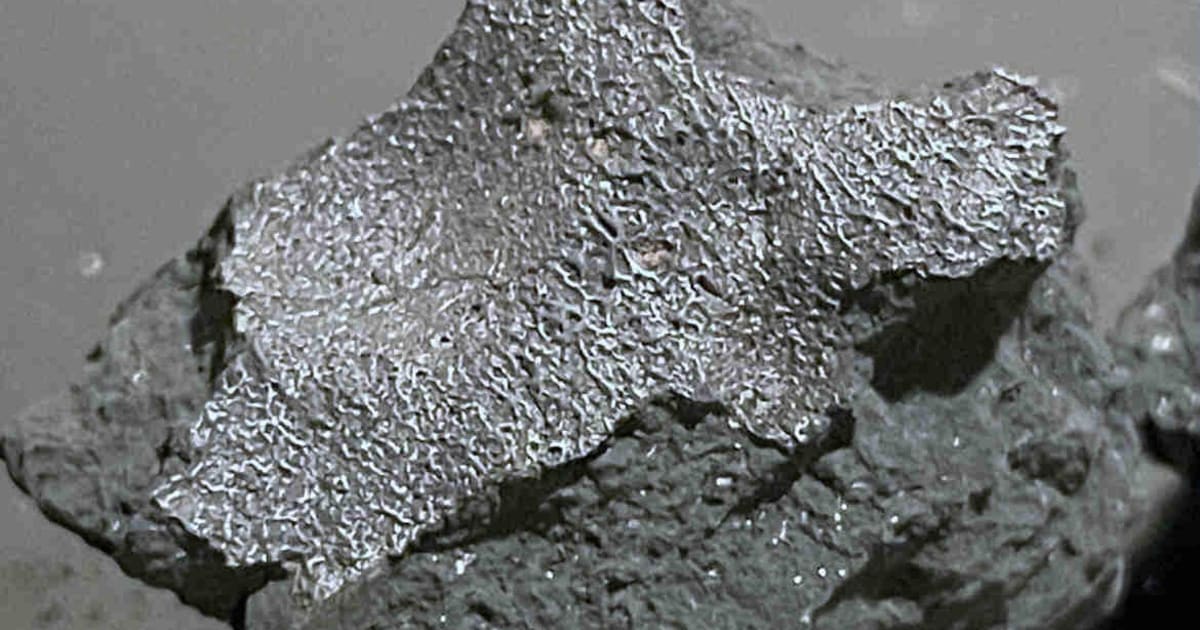
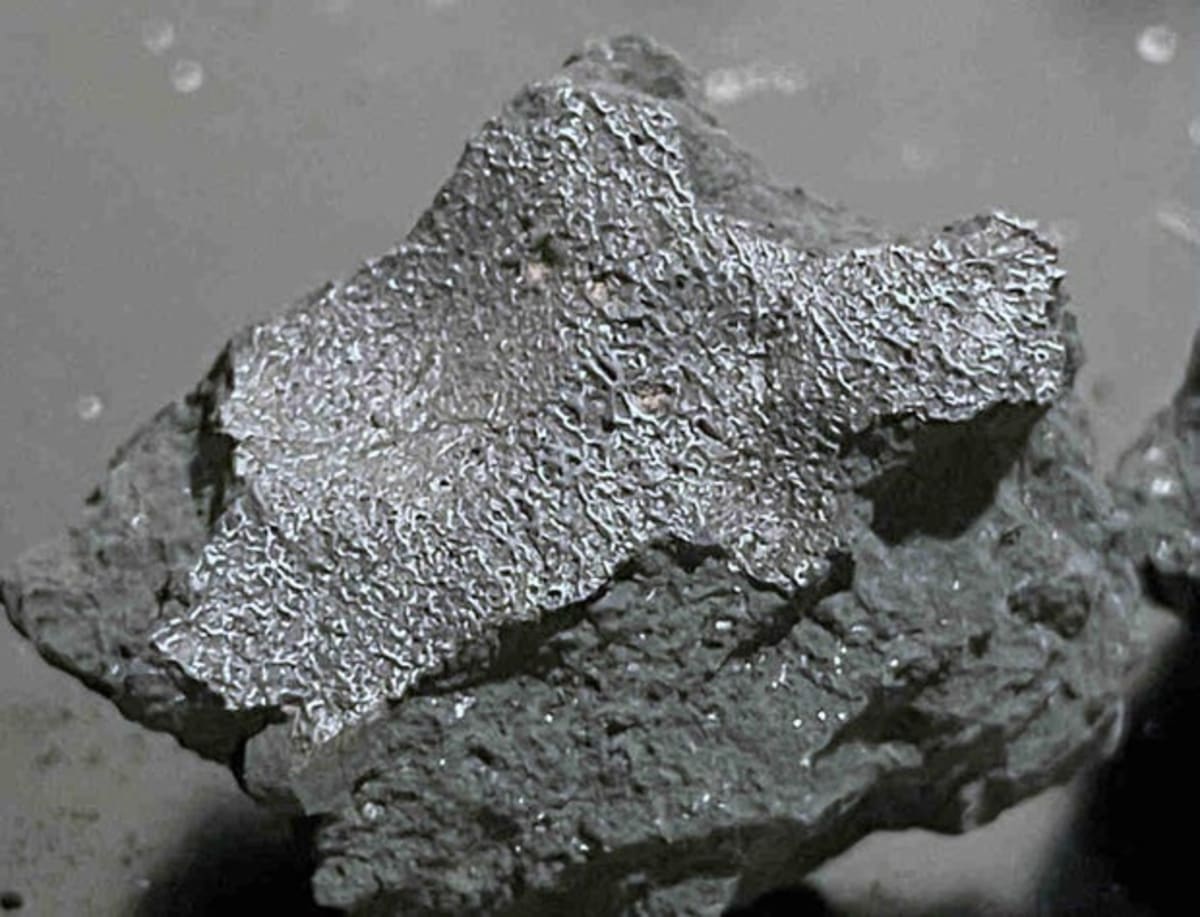
When a meteorite crashed through a New Jersey roof in July 2024, the quick-thinking homeowner did something extraordinary. She carefully preserved the fragments in glass jars using disposable gloves and aluminum foil, giving scientists a rare chance to study pristine material from space.
That decision paid off in a big way. An international team of researchers discovered the meteorite contained rare primitive material called CM1/2 carbonaceous chondrite, making it only the second observed fall of such a meteorite ever recorded.
What they found inside was even more remarkable. The fragments held prebiotic molecules, amino acids, and magnesium organic compounds found in blood and used in photosynthesis by living organisms here on Earth.
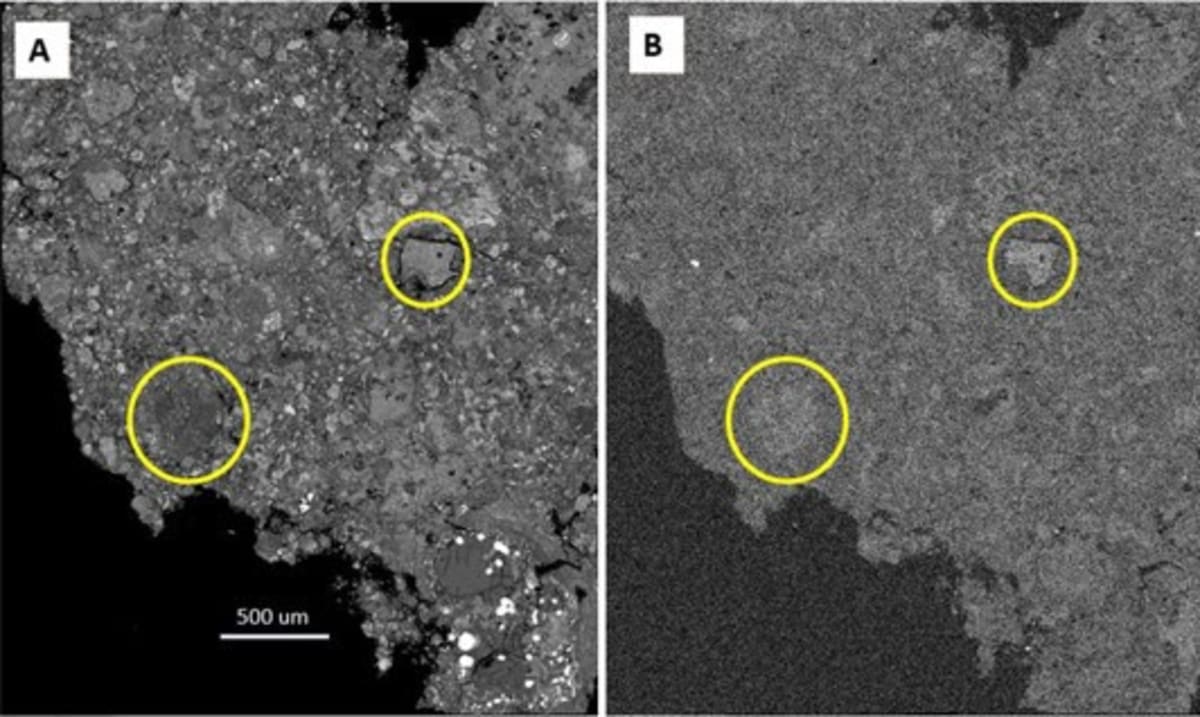
Before breaking off from its parent asteroid, the meteorite had been covered in concentrated salty fluids called brine. This had never been seen before on this kind of object, indicating that the parent asteroid once had liquid water that evaporated.
That discovery matters because brines create the perfect conditions for life's building blocks to form. The high salt concentration allows phosphate to stay suspended in solution and can spark chemical reactions between materials that eventually become crucial to life.
Study author Peter Jenniskens, a meteor astronomer, said the collection of "alien world chemistry" inside suggests these types of meteorites may have delivered organic materials to early Earth that later resulted in organic life.
Why This Inspires
This homeowner's simple act of preservation unlocked secrets about the origins of life itself. Her careful handling meant scientists could study materials that traveled millions of miles through space to land on our doorstep with answers about where we came from.
Cosmochemist Queenie Chan noted that other asteroids made of carbonaceous chondrite likely delivered similar organic matter to early Earth billions of years ago.
Some fragments will now join the collection at the American Museum of Natural History in New York City, where they'll continue teaching us about our cosmic beginnings. Museum curator Denton Ebel captured the moment perfectly: "We are thrilled that nature delivered such a precious asteroid sample on our doorstep."
Sometimes the answers to our biggest questions literally fall from the sky.
More Images
Based on reporting by Google News - Science
This story was written by BrightWire based on verified news reports.
Spread the positivity!
Share this good news with someone who needs it
%2Fhttps%3A%2F%2Ftf-cmsv2-smithsonianmag-media.s3.amazonaws.com%2Ffiler_public%2F7f%2F38%2F7f38918b-31e3-42f8-942d-06eedb65924d%2Ffigure-4.jpg)