Penn State's Eel-Inspired Gel Battery Works at -112°F
Scientists created a flexible, nontoxic battery inspired by electric eels that stays functional in extreme cold and could power medical implants safely inside the human body. The breakthrough solves a major challenge in biomedical devices.
Scientists just solved one of the biggest puzzles in medical technology by copying nature's most shocking creature.
Researchers at Penn State developed a soft, water-based battery inspired by electric eels that can power medical implants and flexible electronics without toxic chemicals or rigid parts. The innovation could transform everything from heart monitors to soft robots that work alongside human tissue.
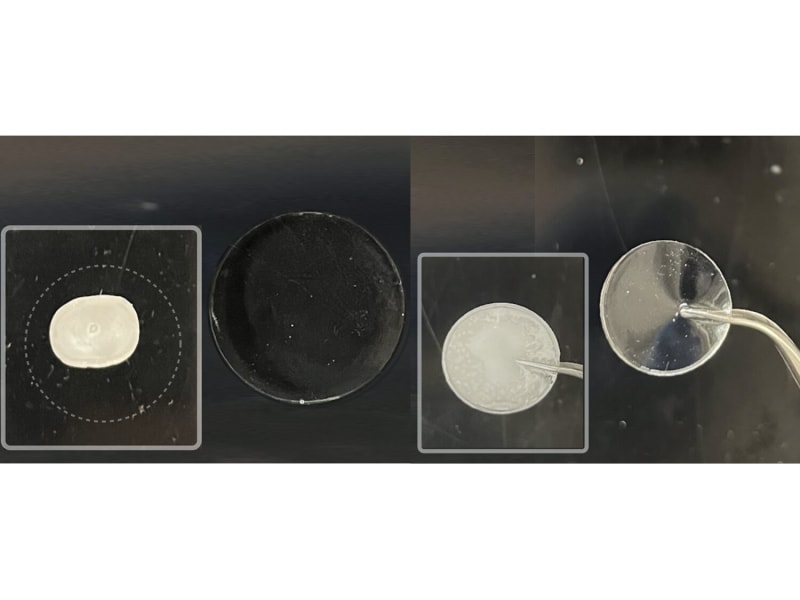
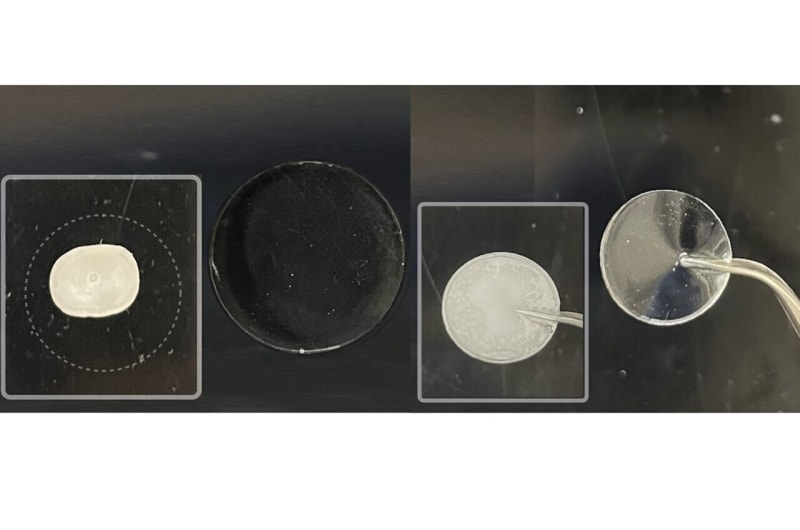
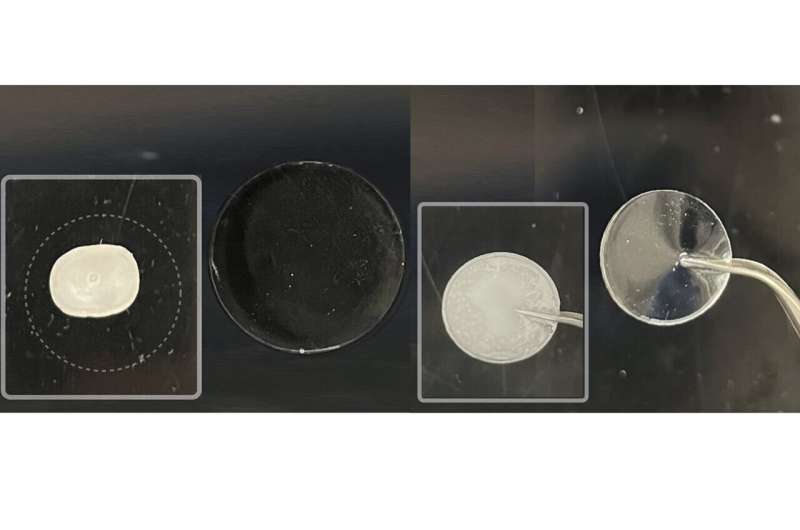
Electric eels generate over 600 volts using ultra-thin cells called electrocytes. The Penn State team mimicked this design by layering four different hydrogels, each only 20 micrometers thick—thinner than a human hair. This approach creates more power from smaller spaces while staying completely flexible.
"For biomedical applications, batteries must be compatible with their surroundings, flexible, and safe," explained Joseph Najem, assistant professor of mechanical engineering who led the research. The team published their findings in Advanced Science.
Previous attempts at eel-inspired batteries produced limited power and needed bulky support structures. The Penn State breakthrough changed the chemistry itself to make the hydrogels work independently.
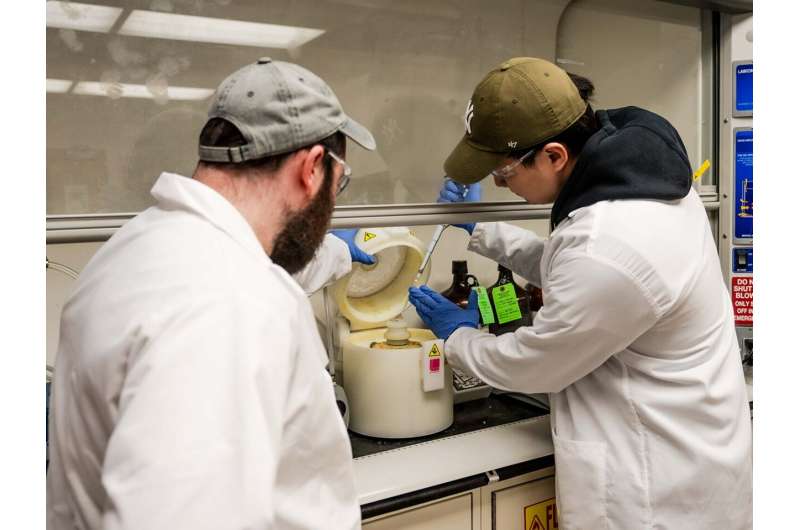
Doctoral candidate Wonbae Lee explained the challenge. "Conventional formulations would simply fly off the spinning surface during fabrication," he said. The team carefully adjusted viscosity and mechanical strength until they found the perfect mixture.
The results exceeded expectations. The new batteries generate power densities around 44 kilowatts per cubic meter—higher than any previous hydrogel-based design. That's enough to run complex medical sensors, wearable electronics, and soft robotics controllers.
The Ripple Effect
The technology works in conditions that would destroy normal batteries. By adding glycerol, the team created hydrogels that function at temperatures as low as negative 112 degrees Fahrenheit without freezing. Standard hydrogels dehydrate within minutes, but this new version stays functional for days.
These batteries could make medical implants safer and more comfortable for millions of patients. Current devices often require rigid battery cases that can irritate surrounding tissue or need replacement surgeries when they run out of power.
The flexible, water-based design means devices could potentially recharge using the body's own fluids. No toxic materials means no risk if the battery ever leaks or breaks down.
"To our knowledge, this is the first power source entirely contained within a hydrogel solution that requires no external support," Najem said. The team used a technique called spin coating to deposit each ultra-thin layer precisely onto a rotating surface.
Doctoral candidate Dor Tillinger noted that making the hydrogels thinner naturally reduced internal resistance, boosting power output without sacrificing flexibility or strength.
The research opens doors for medical devices that work seamlessly with human biology rather than against it.
More Images

Based on reporting by Phys.org - Technology
This story was written by BrightWire based on verified news reports.
Spread the positivity!
Share this good news with someone who needs it