
Rocky Planet 116 Light-Years Away Rewrites Formation Rules
Scientists discovered a solar system that flips our understanding of how planets form, with a rocky planet orbiting beyond gas giants in a pattern never seen before. The finding could reshape what we know about planetary birth around the universe's most common stars.
A solar system 116 light-years from Earth is rewriting the rules scientists thought they understood about how planets are born.
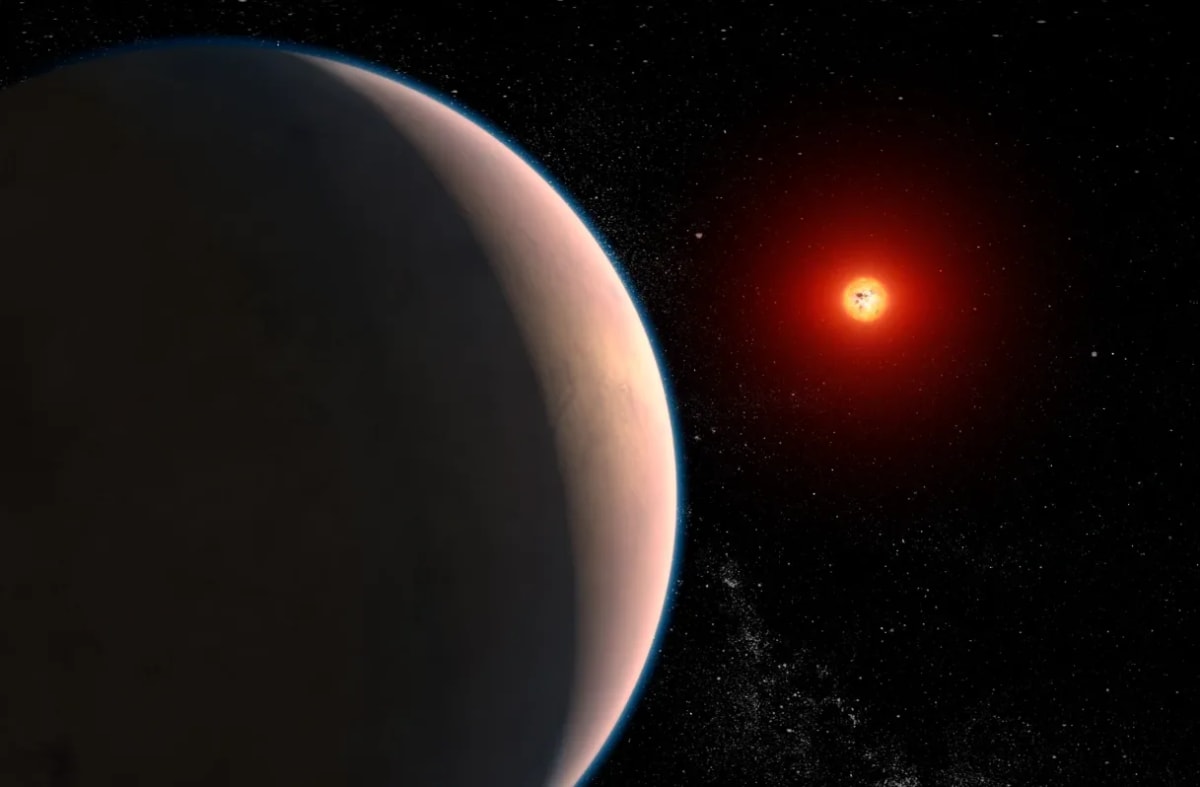
Astronomers discovered four planets orbiting a red dwarf star called LHS 1903, arranged in a sequence that shouldn't exist according to current theories. The innermost planet is rocky, the next two are gaseous, and then the outermost one is rocky again.
This reverses the pattern we see everywhere else in the galaxy, including our own solar system. Here on Earth, rocky planets like ours orbit close to the sun while gas giants like Jupiter stay farther out.
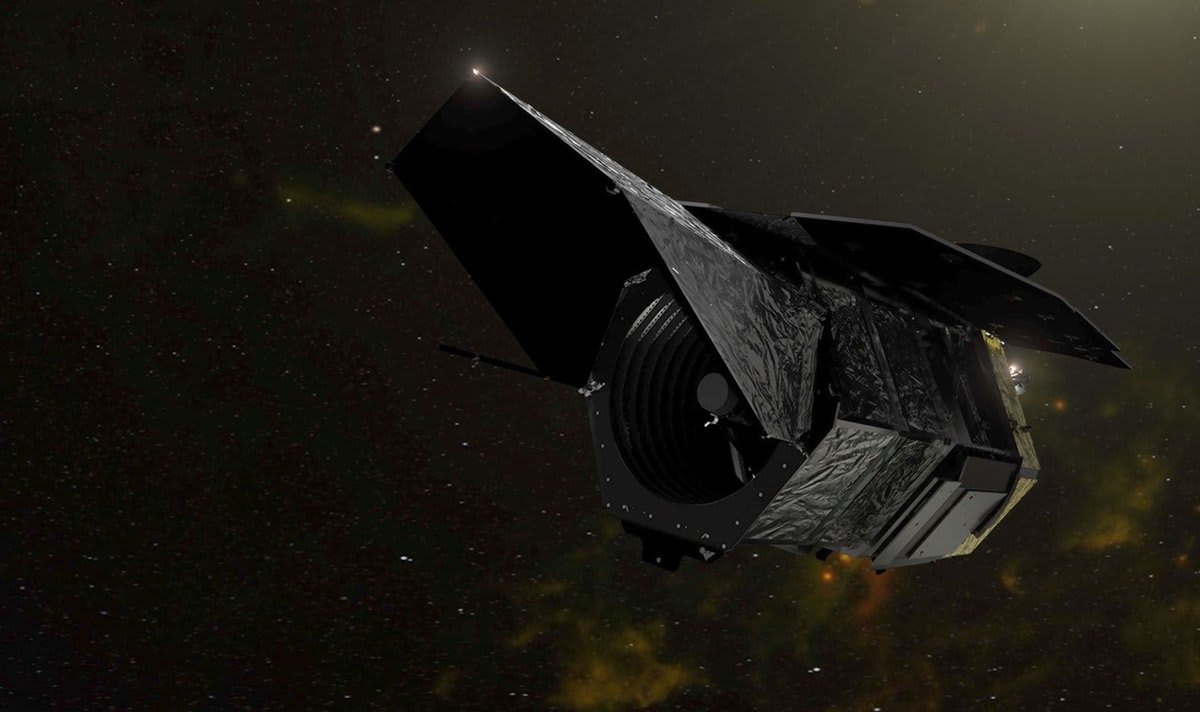
The discovery came from NASA's Transiting Exoplanet Survey Satellite and the European Space Agency's Cheops telescope. Thomas Wilson, a physics professor at the University of Warwick in England, led the international team that published the findings in the journal Science.
The outer rocky planet, called LHS 1903 e, is about 1.7 times Earth's radius. Wilson and his team tested multiple explanations for why it exists where it does, including whether it formed from planetary collisions or lost a gaseous atmosphere over time.
None of those scenarios worked. Instead, the evidence points to something fascinating: the planets formed in reverse order compared to our solar system, starting with the innermost one and moving outward over millions of years.
By the time the outermost planet began forming, most of the gas and dust in the system had already been used up. That left only rocky materials to build from, creating what Wilson calls a "gas-depleted" formation.
Red dwarf stars are the most common type in the universe, making this discovery particularly meaningful for understanding planetary systems beyond our own.
Why This Inspires
This upside-down solar system proves that the universe still has surprises waiting for us. Just when scientists think they understand the rules of planetary formation, nature reveals there are multiple ways to build a solar system.
Sara Seager, a planetary science professor at MIT and study coauthor, says the finding offers some of the first evidence that planet formation around common stars might work differently than we thought. Even as our understanding of space matures, new discoveries remind us how much remains to explore.
The finding opens doors for future observations of small planets around red dwarf stars, potentially revealing an entirely new category of solar systems we never knew existed.
More Images



Based on reporting by Google News - Science
This story was written by BrightWire based on verified news reports.
Spread the positivity!
Share this good news with someone who needs it
%2Fhttps%3A%2F%2Ftf-cmsv2-smithsonianmag-media.s3.amazonaws.com%2Ffiler_public%2F3f%2F55%2F3f5579c8-c4a7-43a5-bb54-6498478792fd%2Fhelix1940__fitmaxwzk3mcw2ntbd.jpg)