Scientists Find Habitable Super-Earth Just 25 Light Years Away
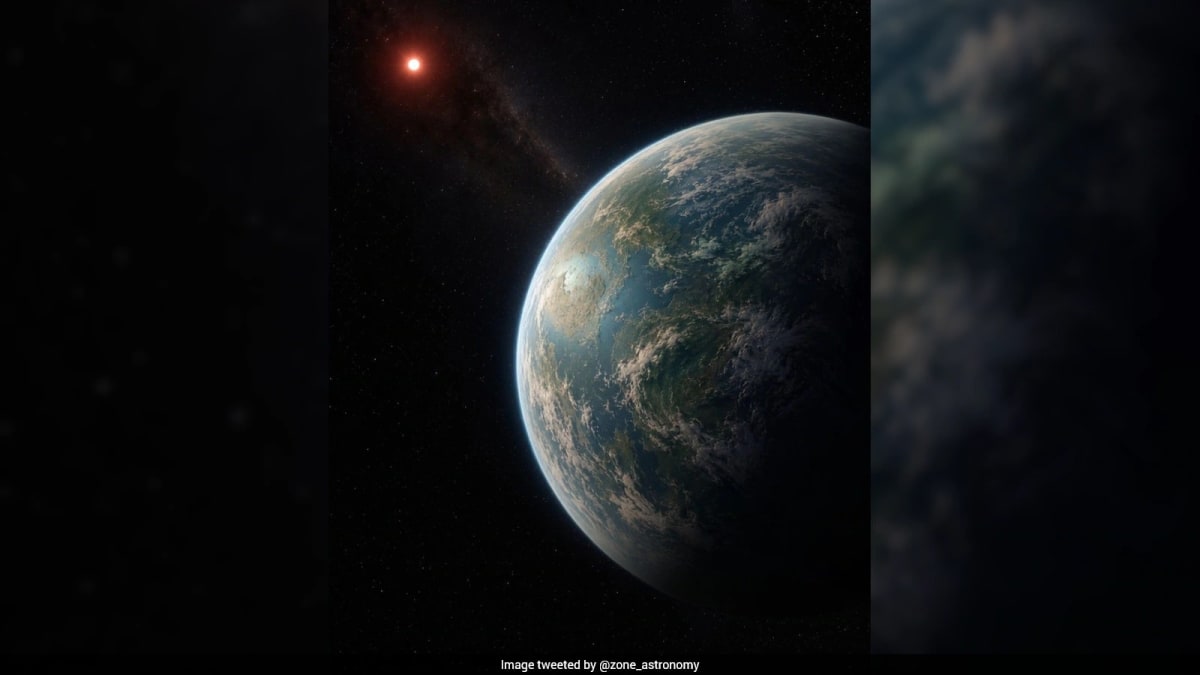
Astronomers have discovered GJ 3378b, an Earth-like planet twice our size sitting in the "Goldilocks zone" where liquid water could exist. The cosmic neighbor is close enough to study for signs of life using next-generation telescopes.
A planet that could support life has been found right in our cosmic backyard, and scientists are calling it one of the most exciting discoveries in the search for extraterrestrial worlds.
GJ 3378b is a super-Earth roughly twice the size of our planet, orbiting a red dwarf star just 25 light years away. That might sound far, but in a galaxy spanning 100,000 light years, it's practically next door.
What makes this discovery remarkable is where GJ 3378b sits. The planet orbits within its star's habitable zone, the region astronomers call the "Goldilocks zone" where temperatures are just right for liquid water to exist on the surface.
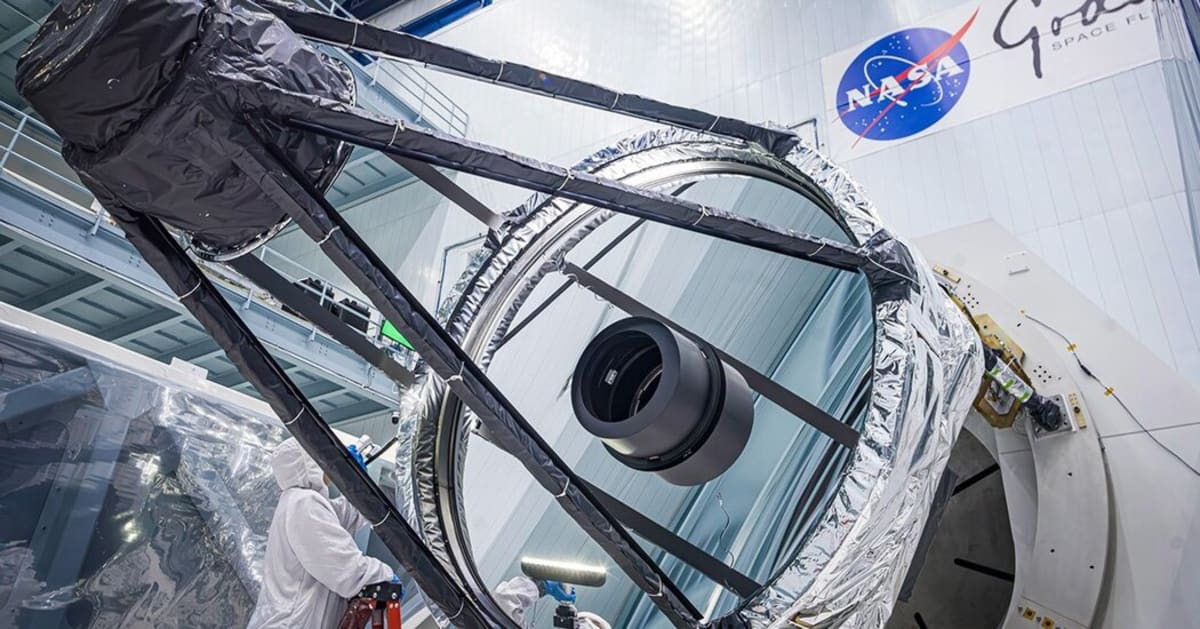
"This super-Earth gets about 90 per cent of the radiation from its host star as Earth gets from its sun, so it's right in the sweet spot," said Paul Robertson, lead author of the study published in The Astrophysical Journal. Robertson and his team discovered the planet using the Habitable-zone Planet Finder on the 10-meter Hobby-Eberly Telescope in Texas and the NEID spectrometer in Arizona.
The proximity to Earth makes GJ 3378b an ideal target for future observations. Scientists can actually study this world in detail to determine whether it could support life.
One critical question remains unanswered: does the planet have an atmosphere? An atmosphere is essential for maintaining stable surface conditions and protecting a planet from harmful radiation. Without one, any potential for life quickly evaporates.
GJ 3378b sits on what researchers call the "cosmic shoreline," a threshold that determines whether a planet's gravity is strong enough to hold onto its atmosphere despite radiation from its host star. Robertson explains that Earth's atmosphere is surprisingly thin, about as thick as an apple's skin when scaled down, but it's just enough to maintain surface pressure for liquid water and breathable air while providing protection from space radiation.
Mars serves as a cautionary tale. Scientists believe the Red Planet once had a thicker atmosphere that was gradually stripped away by solar radiation, leaving the cold, dry world we see today.
Why This Inspires
This discovery represents more than just another exoplanet added to the catalog. GJ 3378b's unique combination of size, location, and proximity makes it one of the most compelling candidates in the search for potentially habitable worlds beyond our solar system.
The next generation of powerful space and ground-based observatories will aim to detect whether GJ 3378b has an atmosphere. If confirmed, scientists can begin searching for biosignatures, liquid water, and other potential indicators of life.
"If a planet in the habitable zone has a proper atmosphere, we can justify further research looking for biosignatures, liquid water or other signs of life," said Gogod James, a UC Irvine student who helped characterize the planet's size.
The discovery opens a door that seemed impossible just decades ago: the ability to study potentially habitable worlds in detail and search for signs of life beyond Earth.
More Images


Based on reporting by Google News - Scientists Discover
This story was written by BrightWire based on verified news reports.
Spread the positivity!
Share this good news with someone who needs it