Spain Finds Best-Preserved Stegosaur Skull in Europe
Scientists in Spain just discovered the most complete stegosaur skull ever found in Europe, unlocking secrets about how these iconic plated dinosaurs evolved. The 150-million-year-old fossil is so well preserved that it's helping researchers rewrite the evolutionary story of stegosaurs across the globe.
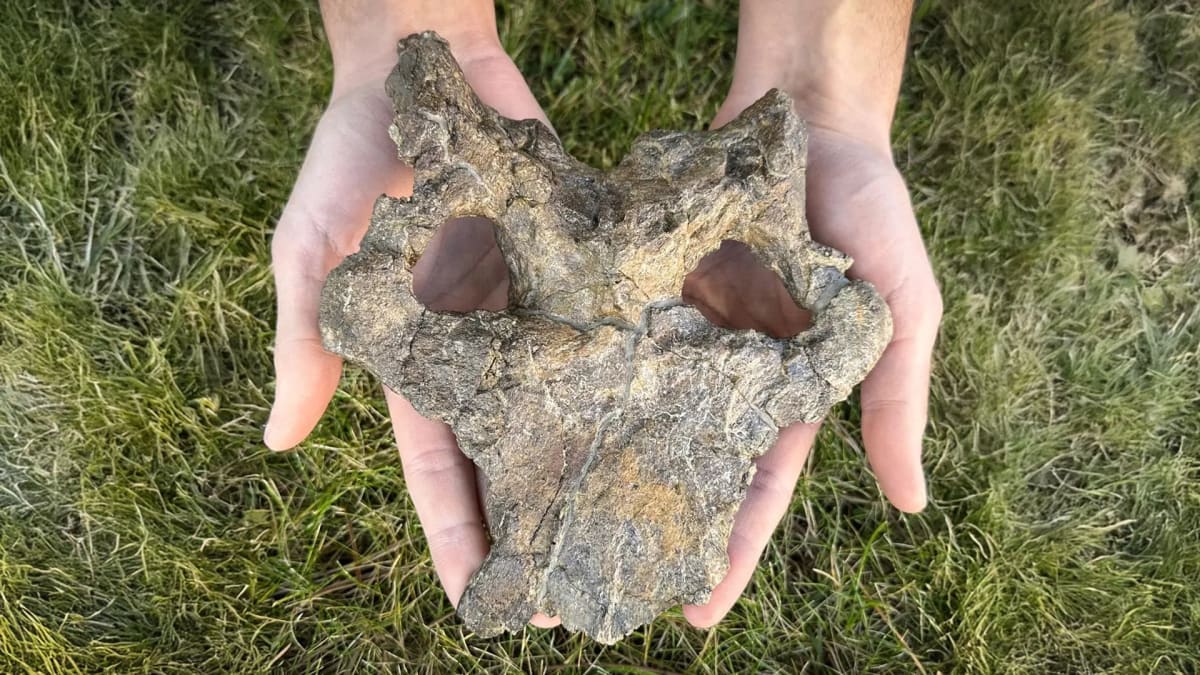
Paleontologists in Spain have unearthed a spectacular fossil that's giving the world a brand new window into the age of dinosaurs. The team from Fundación Dinópolis discovered the best-preserved stegosaur skull ever found in Europe, belonging to Dacentrurus armatus, a massive plated dinosaur that roamed what is now Spain 150 million years ago.
This discovery is rare for a powerful reason. Stegosaur skulls are incredibly fragile and almost never survive intact through millions of years of geological pressure and time.
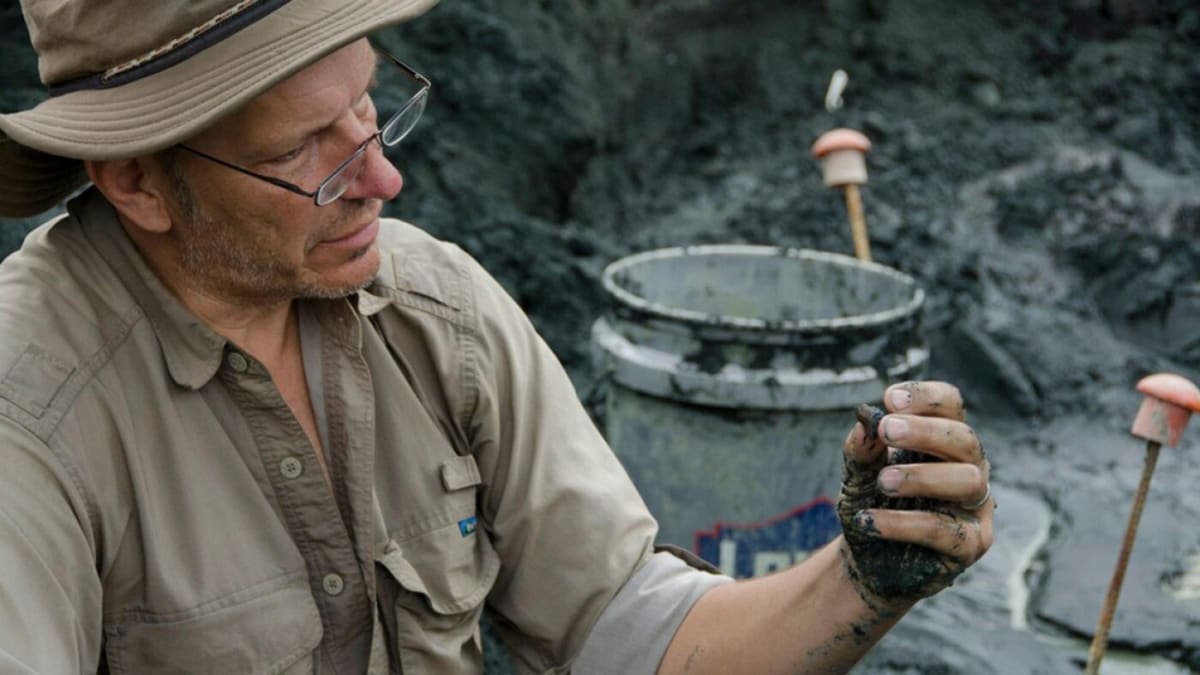
The fossil was excavated from the "Están de Colón" site in Riodeva, a region in Teruel, Spain. Stegosaurs are the plant-eating, four-legged dinosaurs famous for the dramatic plates and spikes running down their backs and tails.
Researcher Sergio Sánchez Fenollosa explained that the exceptional preservation allowed scientists to see anatomical details never before observed in this species. The timing is meaningful too: 2025 marked 150 years since Dacentrurus armatus was first described by scientists.
But the team didn't stop at studying the skull. They used their findings to propose an entirely new hypothesis about how stegosaurs evolved and spread across continents.
Why This Inspires
The researchers formally defined a new dinosaur group called Neostegosauria. This classification includes medium and large stegosaur species that lived across Africa, Europe, North America, and Asia during the Jurassic and Early Cretaceous periods.
The new framework is reshaping how scientists understand the global journey of these armored giants. It shows how life found a way to spread and adapt across ancient continents that looked nothing like our world today.
What makes this even more exciting is that the Riodeva site keeps delivering treasures. Scientists are still uncovering more bones from the same adult dinosaur, plus juvenile remains, which are incredibly rare for stegosaurs.
Alberto Cobos, managing director of Fundación Dinópolis, emphasized that these ongoing discoveries are making Teruel one of the world's most important regions for understanding how life evolved on Earth. The research was published in the journal Vertebrate Zoology and is already being recognized as a global reference point for stegosaur studies.
Every fossil tells a story, and this one is reminding us that there's still so much left to discover about our planet's incredible past.
Based on reporting by Science Daily
This story was written by BrightWire based on verified news reports.
Spread the positivity!
Share this good news with someone who needs it