Spider Eyes Inspire Camera Using Less Power Than Nightlight
Scientists built a 3D camera that mimics jumping spider vision and runs on just 624 milliwatts of power. The breakthrough could transform wearable tech, assistive devices, and augmented reality.
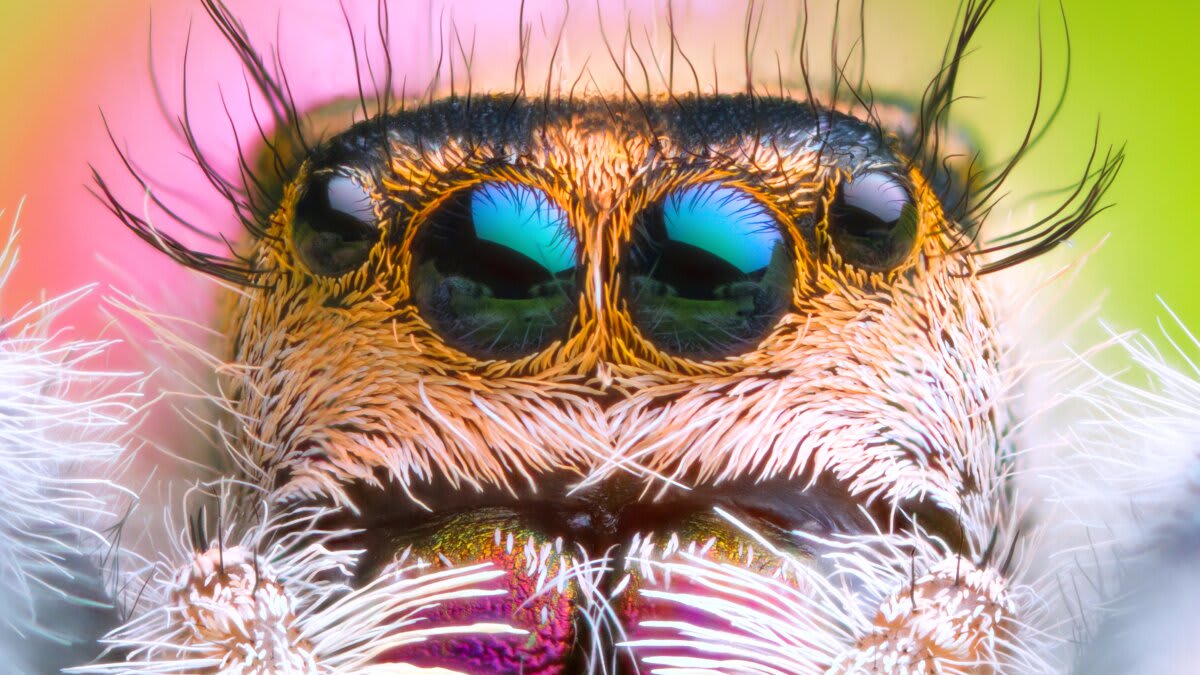
A tiny creature with eyes the size of poppy seeds just inspired a revolutionary camera that could change how robots, drones, and wearable devices see the world.
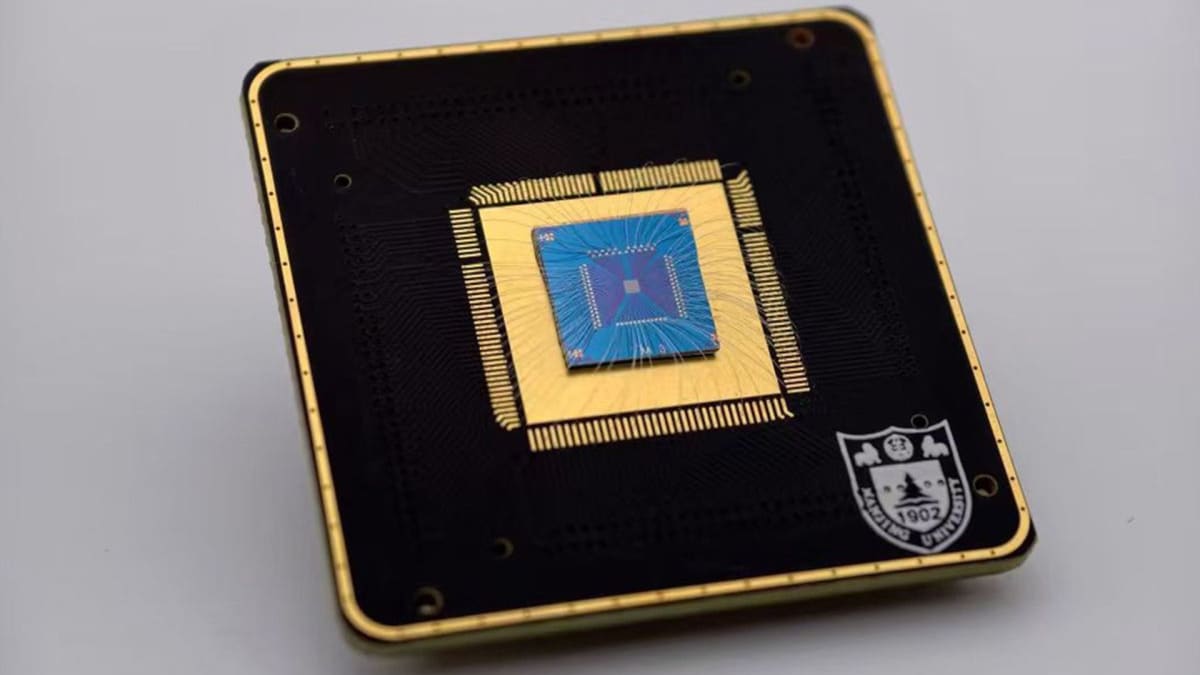
Researchers at Northwestern University created the SpiderCam, a 3D depth-sensing camera that copies how jumping spiders gauge distance before they leap at prey. The breakthrough technology uses less energy than a nightlight, consuming only 624 milliwatts of power while processing 32.5 frames per second.
Most standard 3D cameras are energy hogs. They need expensive hardware and significant computing power to capture multiple viewpoints, compare images, or project and measure light to estimate depth.
Jumping spiders solve this problem differently. Unlike humans with one retina per eye, these spiders have multiple retinal layers in each eye that focus at slightly different distances simultaneously. One layer sees an object in sharp focus while another layer sees the same object slightly blurred.
"They see multiple levels of focus at all times," says Assistant Professor Emma Alexander, the study's lead researcher and expert in bio-inspired computer vision. "So they are always collecting pairs of images. Then their brains could compare these differences in sharpness to judge distance."
The SpiderCam replicates this system with a custom-built camera that captures two images simultaneously with minute focus differences. Instead of running power-hungry software on a regular processor, the team built a custom algorithm directly into a specially programmed computer chip optimized for energy efficiency.
The chip interprets how edges and textures differ in sharpness between the two images, converting that data into depth measurements in real time. The team claims the SpiderCam is the first 3D camera to operate below one watt of power.
Why This Inspires
This innovation opens doors for technology in places where power is scarce. Field researchers working in remote locations could deploy 3D cameras without worrying about battery life. People using augmented reality glasses could navigate the physical world for hours without recharging.
The SpiderCam could also transform assistive devices for people with visual impairments, giving them better spatial awareness without the weight of heavy batteries. Small robots and drones could operate longer and more efficiently with lightweight depth-sensing capabilities.
Alexander's team is already working on improvements. They plan to enhance the optics, expand the field of view, and redesign the chip to use even less power. They're also exploring how to merge the technology into wearable devices and small robots.
"I'm very interested in settings where you're very resource-constrained and can't just plug a camera into a wall," Alexander explains. "I also think it's particularly exciting for applications like augmented reality where you're interfacing with the physical world and need to know the locations of objects around you."
Sometimes the best solutions come from the smallest teachers, and jumping spiders just showed us how to see the world more efficiently.
More Images


Based on reporting by New Atlas
This story was written by BrightWire based on verified news reports.
Spread the positivity!
Share this good news with someone who needs it