Telescope Captures 650,000 Galaxies in Single Photo
The Vera C. Rubin Observatory just revealed one of the most detailed images of the universe ever taken, capturing more than 650,000 galaxies and 50,000 stars in a single stunning view. This breathtaking snapshot is just the beginning of a cosmic journey that will unlock mysteries about dark matter, distant worlds, and the history of our universe.
The universe just got a lot more detailed, and what scientists are seeing will help us understand the cosmos like never before.
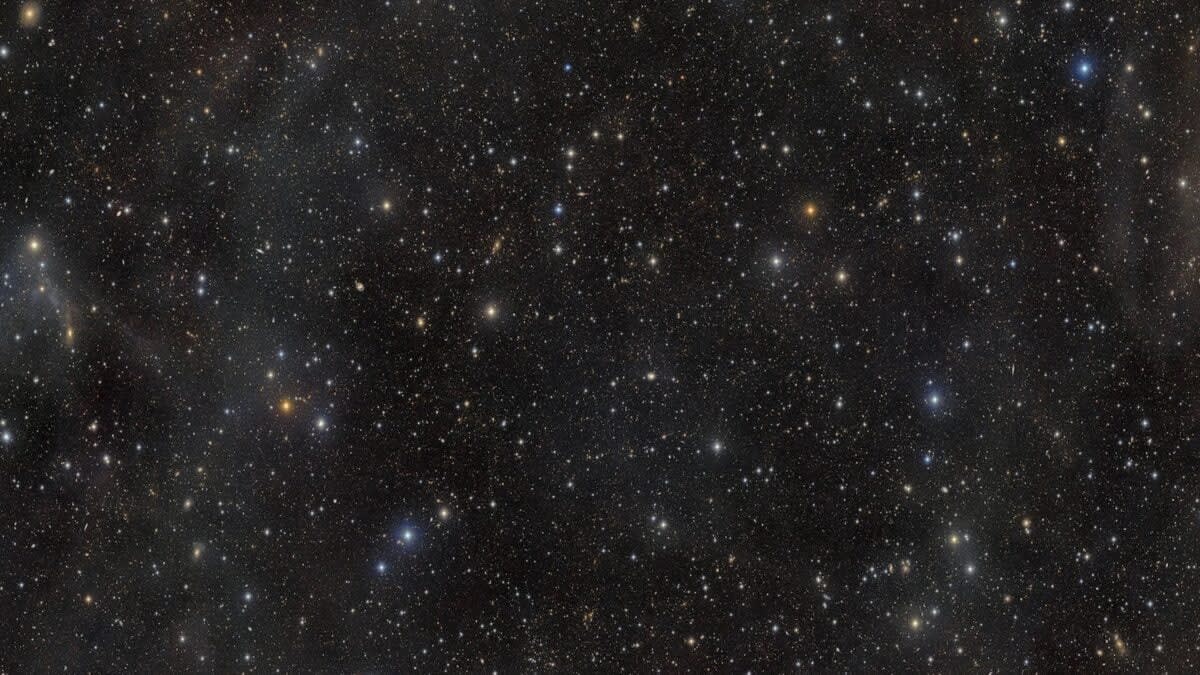
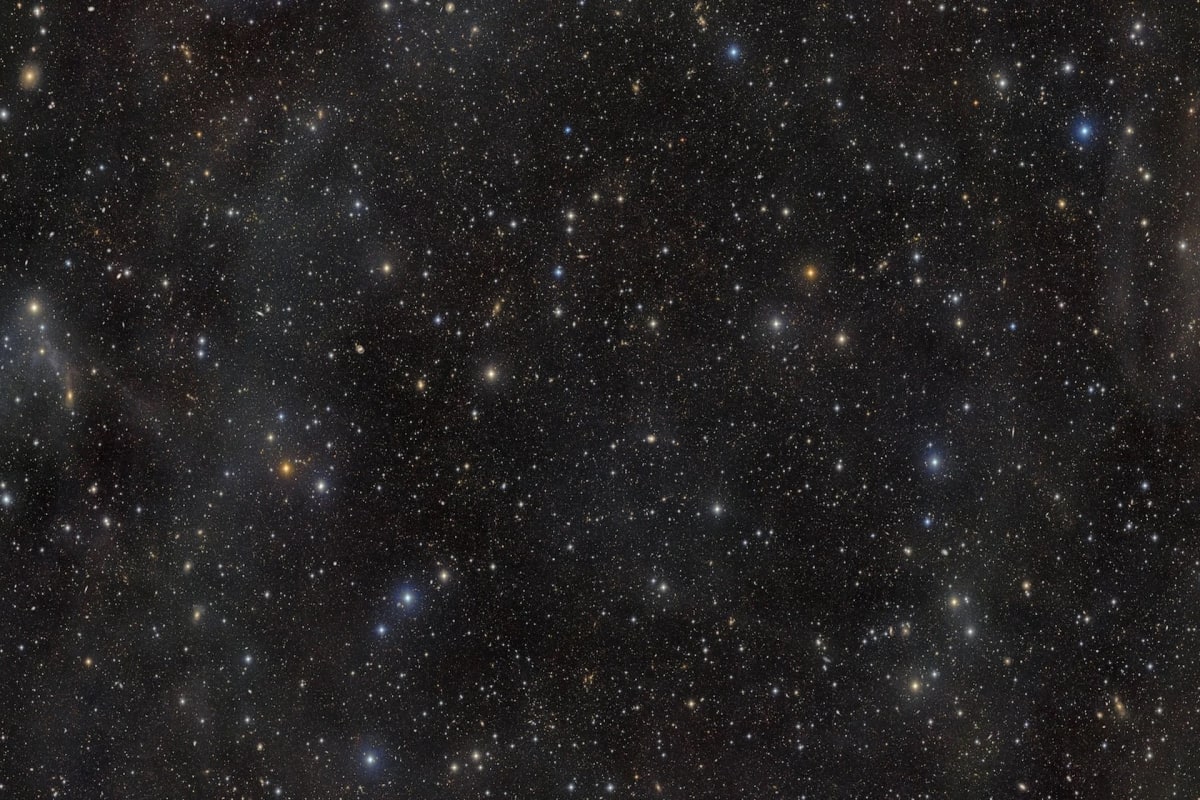
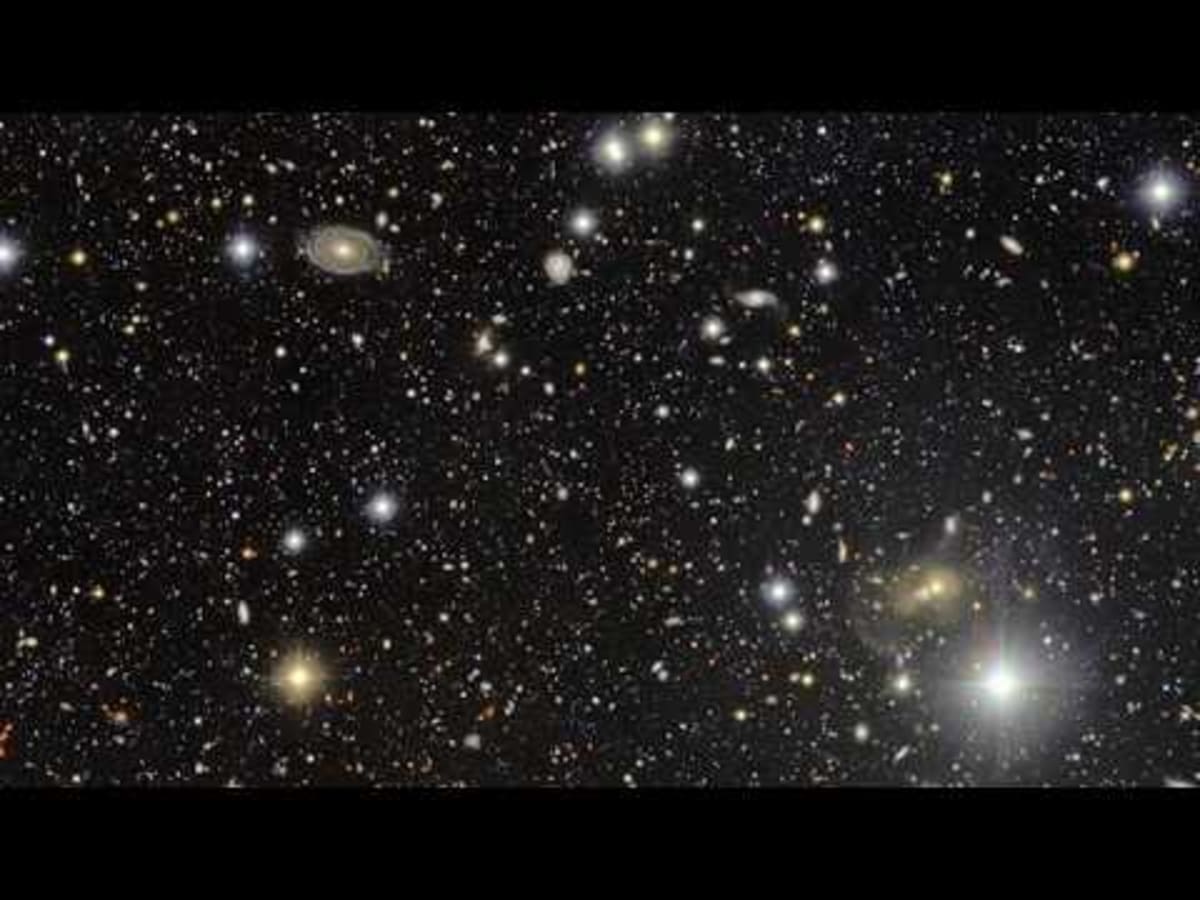
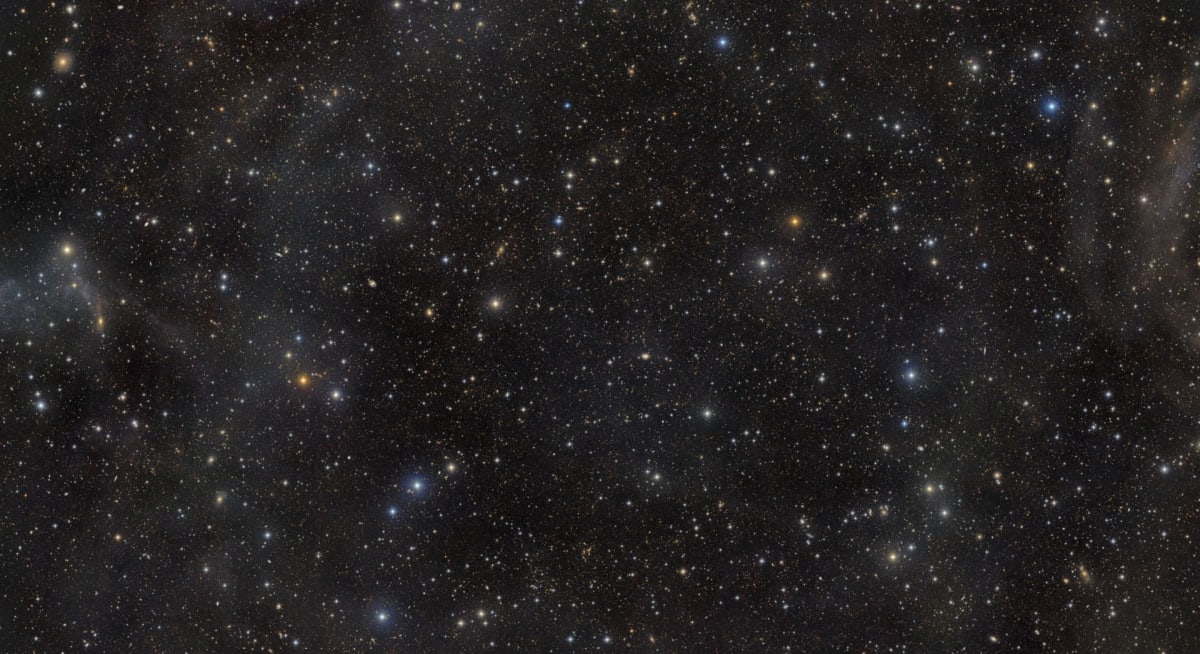
The Vera C. Rubin Observatory in Chile has captured an extraordinary image of a region called the COSMOS field, packing more than 650,000 galaxies and over 50,000 stars into one incredible view. Using the largest digital camera ever built for astronomy, a massive 3.2-gigapixel instrument, the telescope peered deep into a patch of sky that has fascinated astronomers for decades.
The COSMOS field sits in the constellation Sextans, covering an area about three times the size of the full Moon. What makes this spot special is its clear view away from the crowded center of our Milky Way galaxy, allowing telescopes to see billions of years into the past without dust and nearby stars blocking the view.
Some of the galaxies in this image are so distant that their light has traveled 12 billion years to reach us. The image reveals spiral galaxies with delicate arms, smooth elliptical galaxies, galaxies colliding and merging, and faint red galaxies from when the universe was young.
Both the Hubble and Webb space telescopes have photographed this region before, but Rubin brings something new to the table. Its wide field of view and extreme sensitivity allow scientists to see fainter objects and compare new observations with decades of previous data, confirming the observatory is delivering accurate measurements.
Why This Inspires
The Rubin Observatory recently launched its Legacy Survey of Space and Time, a decade-long project that will create the most comprehensive record of the universe in history. Every few nights, the telescope will capture a wide-field snapshot of the southern sky, building a cosmic time-lapse that tracks changes across billions of light-years.
This survey will help scientists tackle some of the biggest mysteries in physics, including the nature of dark matter and dark energy, which make up most of the universe but remain poorly understood. The telescope will also track supernovae as they explode and monitor near-Earth asteroids that could potentially pose risks to our planet.
The observatory has already discovered 2,104 previously unknown asteroids since releasing its first public images in June 2025. When the survey completes, the final dataset will contain measurements of billions of objects, all freely accessible to researchers and curious minds worldwide.
Every image reveals not just distant galaxies but also the story of how our universe evolved over cosmic time. What started as a hot, dense beginning has blossomed into the rich tapestry of galaxies, stars, and planets we see today, and we're finally getting the tools to understand it all.
More Images

Based on reporting by Google News - Science
This story was written by BrightWire based on verified news reports.
Spread the positivity!
Share this good news with someone who needs it