Webb Telescope Finds Hidden Third Planet in Beta Pictoris
NASA's James Webb Space Telescope just discovered a surprise planet hiding in plain sight within one of the most studied star systems in our galaxy. The new world was found using a groundbreaking technique that could revolutionize how we search for planets around distant stars.
Astronomers weren't looking for a new planet when they stumbled upon one of the most exciting discoveries of the year.
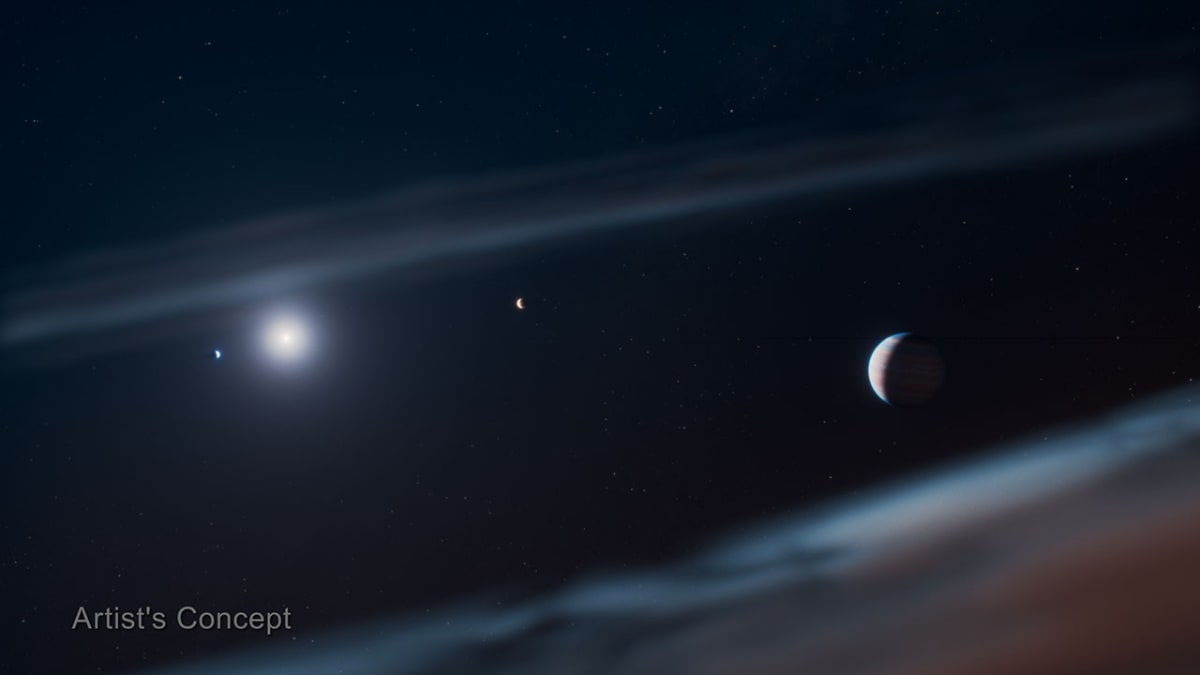
Scientists using NASA's James Webb Space Telescope found a hidden giant planet orbiting Beta Pictoris, a young star system just 63 light-years from Earth. The star was already famous for hosting two giant planets, making it a cosmic laboratory for understanding how solar systems form.
The newly discovered Beta Pictoris d makes this only the second planetary system where scientists have directly observed at least three planets. But what makes this discovery truly special is how they found it.
"We weren't looking for a new planet," said Aidan Gibbs, lead researcher from the University of California, San Diego. "We were trying to understand one we already knew existed. Then, this telltale signal appeared in the data where we didn't expect it."
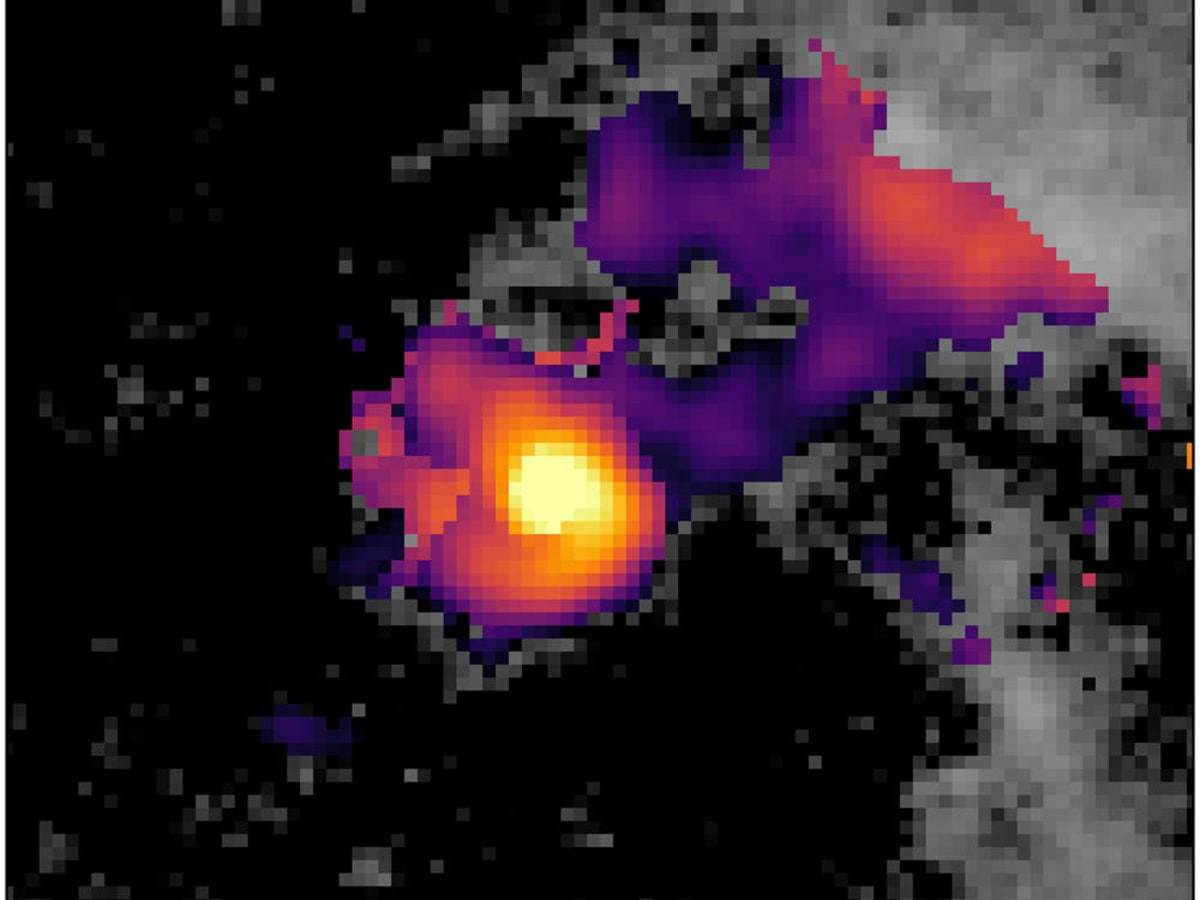
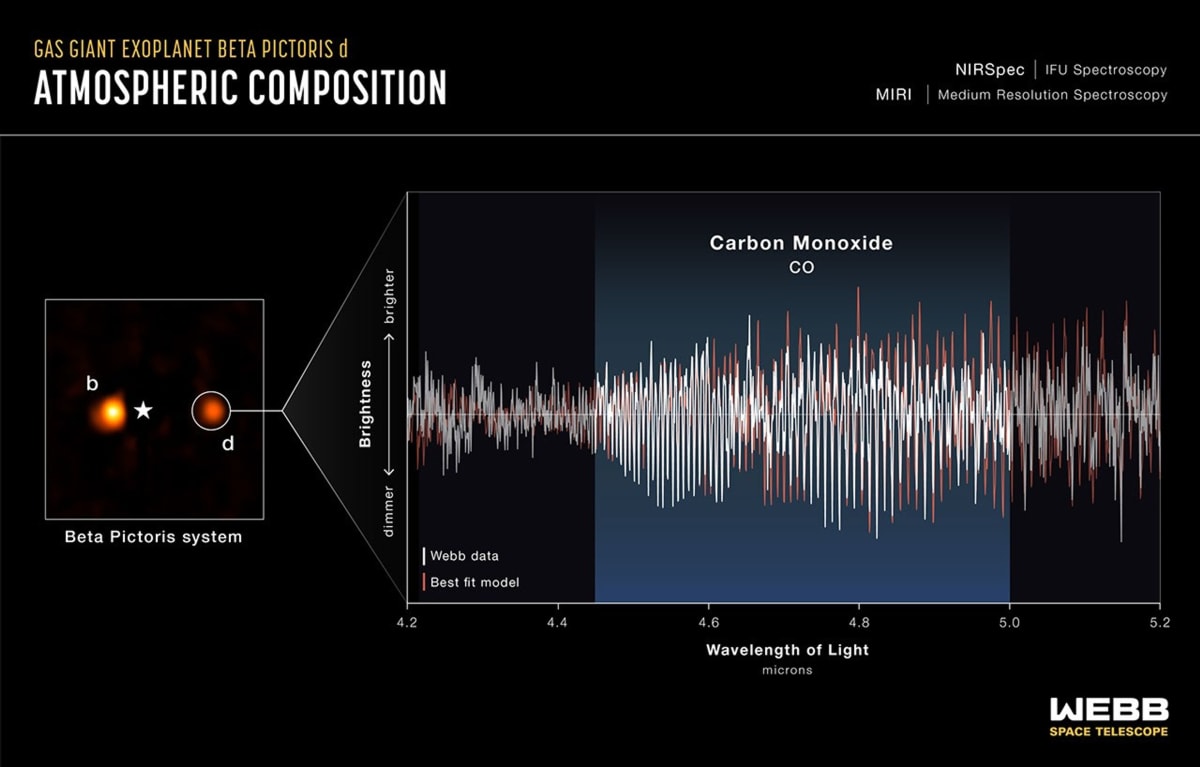
Instead of spotting a bright point of light like traditional planet hunting, the team detected the planet's unique chemical fingerprint. They were studying another planet's atmosphere when an unexpected pattern emerged in their data: a distinctive barcode-like signature of carbon monoxide, a hallmark of giant planet atmospheres.
The technique is like identifying someone by their voice in a crowded room rather than trying to spot their face. Scientists obtained both an image and a chemical analysis at the same time, allowing them to confirm the planet's existence and begin studying its atmosphere immediately.
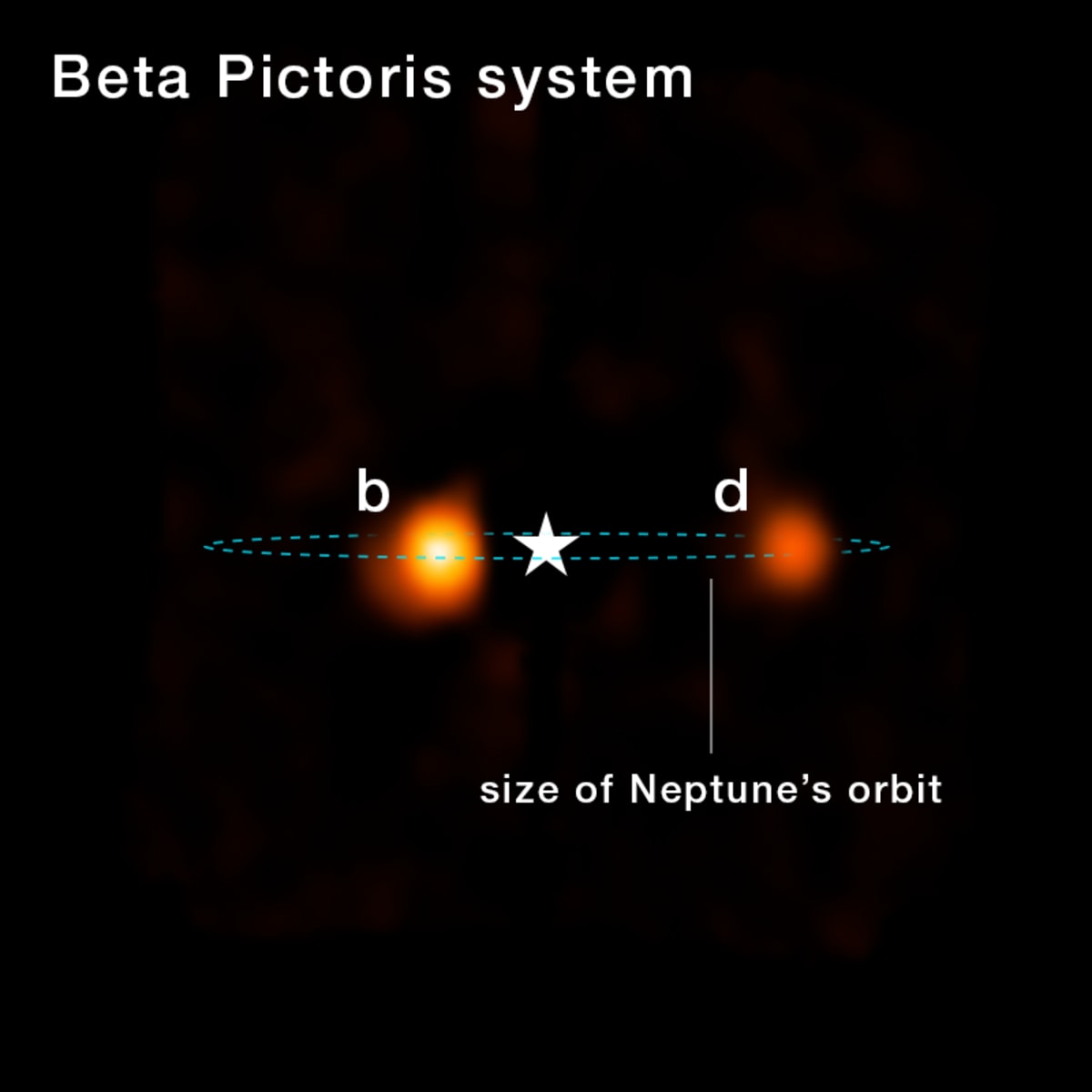
Beta Pictoris d is likely at least twice the mass of Jupiter and orbits its star at a distance comparable to where Neptune circles our sun. It's the smallest of the three giant planets in the system but holds the widest orbit.
Follow-up observations detected water vapor and methane in the planet's atmosphere, giving scientists an even richer understanding of this newfound world. A separate team using ground-based telescopes independently confirmed the discovery.
The Ripple Effect
This discovery demonstrates a powerful new way to find planets that traditional imaging might miss. By detecting chemical signatures instead of just bright spots, astronomers can identify hidden worlds and immediately start learning about their temperature, chemistry, and motion from a single observation.
The Beta Pictoris system is only 23 million years old, making it a teenager in cosmic terms. Watching how its three giant planets interact with the surrounding disk of dust and debris helps scientists understand how our own solar system may have looked billions of years ago.
The find adds another chapter to humanity's ongoing quest to map the universe and understand our place within it.
More Images
Based on reporting by NASA
This story was written by BrightWire based on verified news reports.
Spread the positivity!
Share this good news with someone who needs it