Webb Telescope Finds Salt Clouds on the Pink Planet
Scientists just mapped the atmosphere of one of space's most mysterious worlds, a rosy-colored giant planet 57 light-years away. For the first time, they discovered exotic metal salt clouds floating in its alien sky.
After a decade of mystery, astronomers have finally pulled back the veil on the "Pink Planet," revealing a world unlike anything we've seen before.
Using the James Webb Space Telescope, researchers discovered metal salt clouds drifting through the atmosphere of GJ504b, a massive world that glows with a rosy haze about 57 light-years from Earth. These exotic clouds had been predicted 15 years ago but remained hidden until now, invisible to even our most powerful ground-based telescopes.
The breakthrough came down to patience and precision. Scientists spent years unable to study this peculiar planet because its light was too faint to analyze from Earth. Some teams spent entire nights tracking it with massive telescopes, only to come up empty-handed.
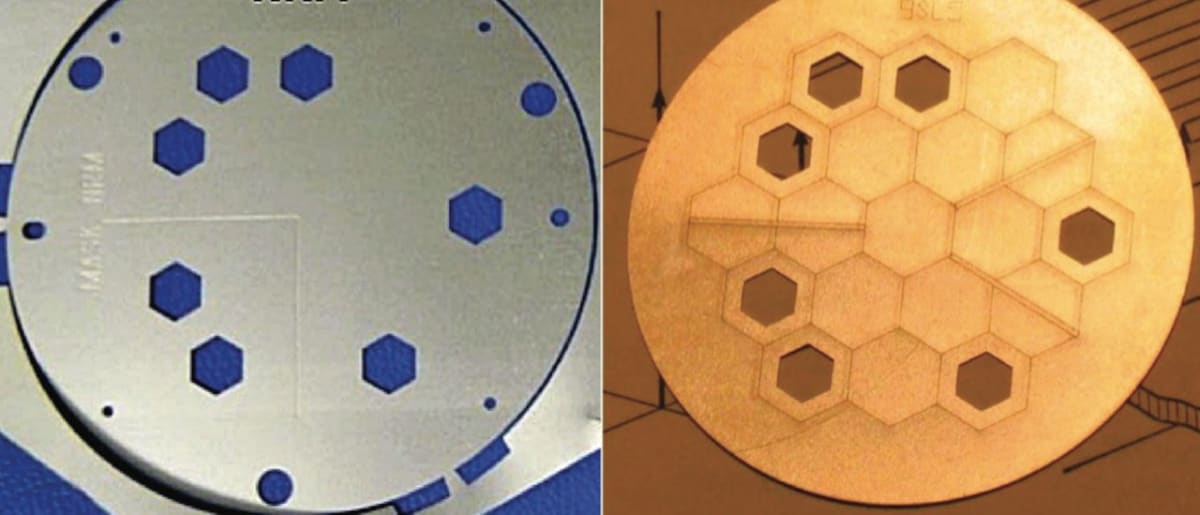
Then the James Webb Space Telescope changed everything. In just two hours, the space-based observatory captured what ground instruments couldn't achieve in years. By filtering out the blinding glare of the planet's host star, researchers isolated GJ504b's light into a detailed spectrum, essentially creating a chemical fingerprint of its atmosphere.
The results surprised them. The atmosphere contains water vapor, methane, carbon dioxide, and ammonia, but something didn't add up in their models until they factored in cloud formations. Testing different configurations, they found that metal salt clouds provided the perfect match, acting like a veil that masks deeper chemical signatures.
GJ504b itself is a cosmic oddball. Weighing 25 times more than Jupiter, it straddles the line between giant planet and failed star. At roughly 550°F, it's surprisingly cool for such objects, which typically blaze at 1,000 to 2,000°F. Scientists believe its cooler temperature relates to its age, somewhere between 2.5 and 4 billion years old.
Why This Inspires
This discovery represents more than just finding clouds on a distant world. It proves we've entered a new era of space exploration where no world is too faint or too far to study. The techniques developed here will help scientists map the atmospheres of cold worlds throughout our galaxy, including Jupiter's mysterious ammonia ice clouds right here in our solar system.
What once required impossible amounts of telescope time now takes hours, opening doors to understanding thousands of worlds we couldn't reach before.
The universe just got a little less mysterious, and our ability to explore it took a giant leap forward.
More Images

Based on reporting by Google: James Webb telescope
This story was written by BrightWire based on verified news reports.
Spread the positivity!
Share this good news with someone who needs it