Webb Telescope Proves 15-Jupiter Planet Formed Like Earth
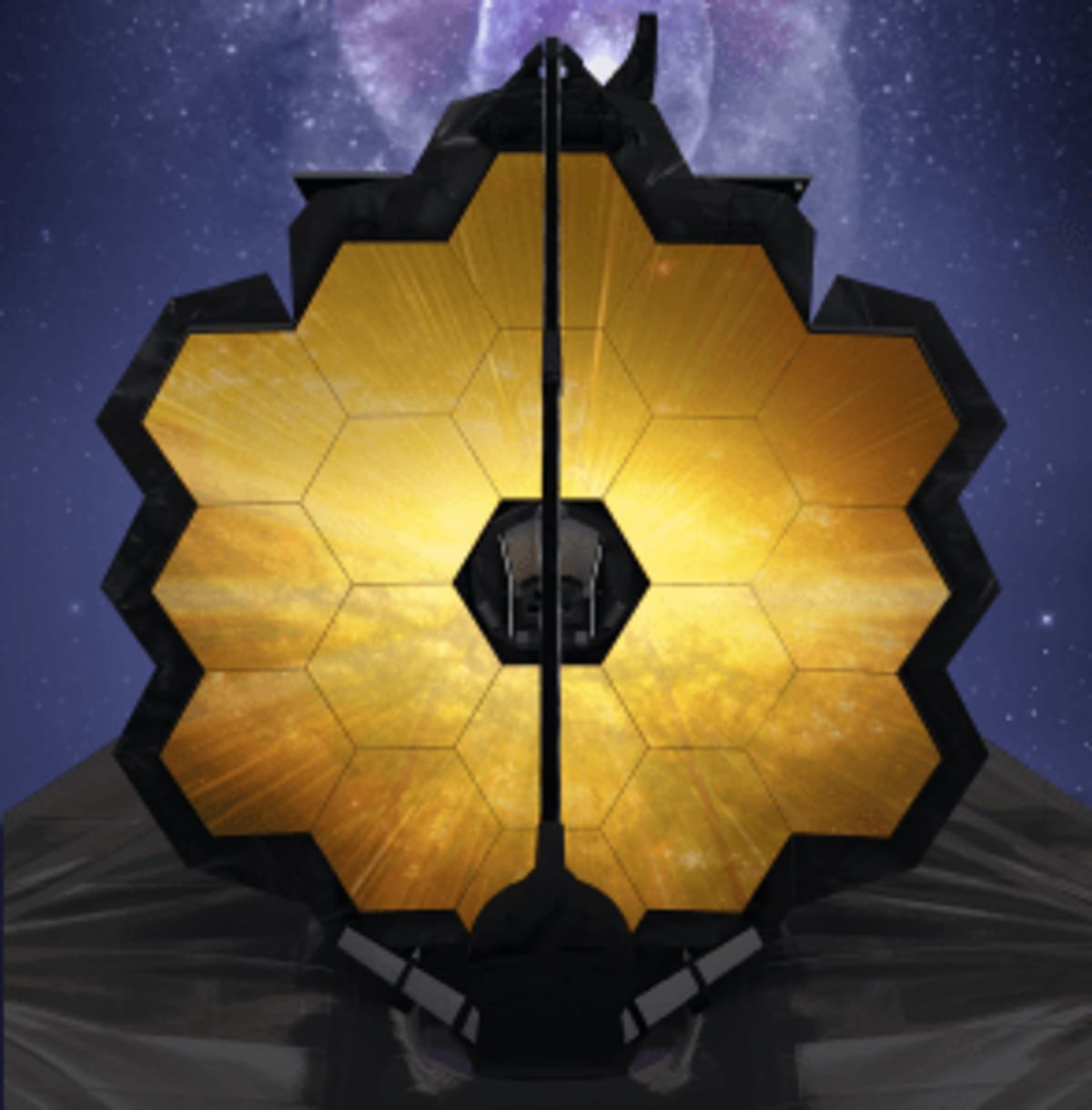
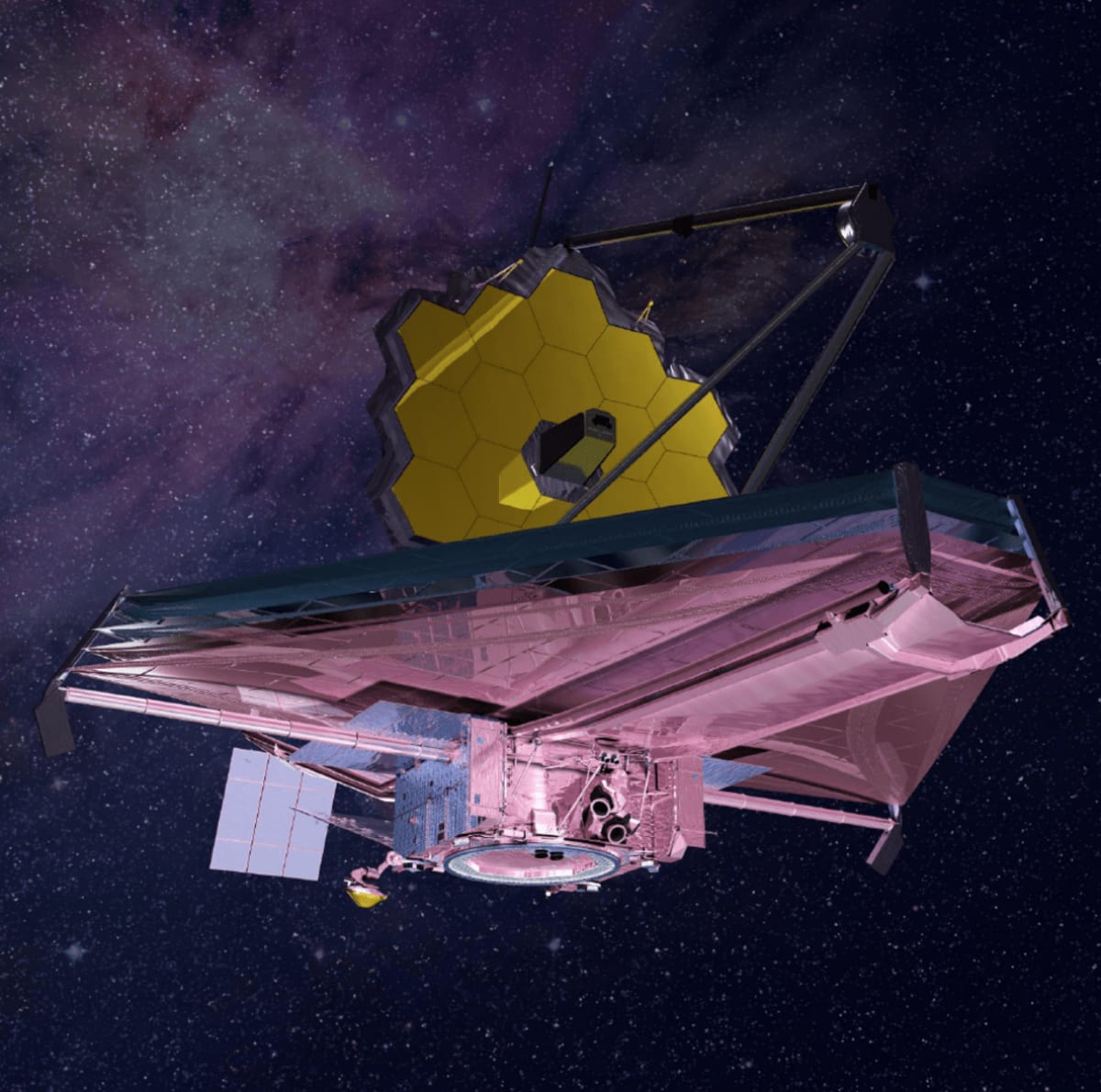
NASA's Webb Space Telescope just solved a cosmic mystery about a planet 15 times heavier than Jupiter. Scientists proved it formed the same way Earth did, rewriting what we thought possible for giant planets.
Scientists just watched a planet that breaks all the rules prove it formed exactly like Earth did, and it's changing everything we know about how worlds are born.
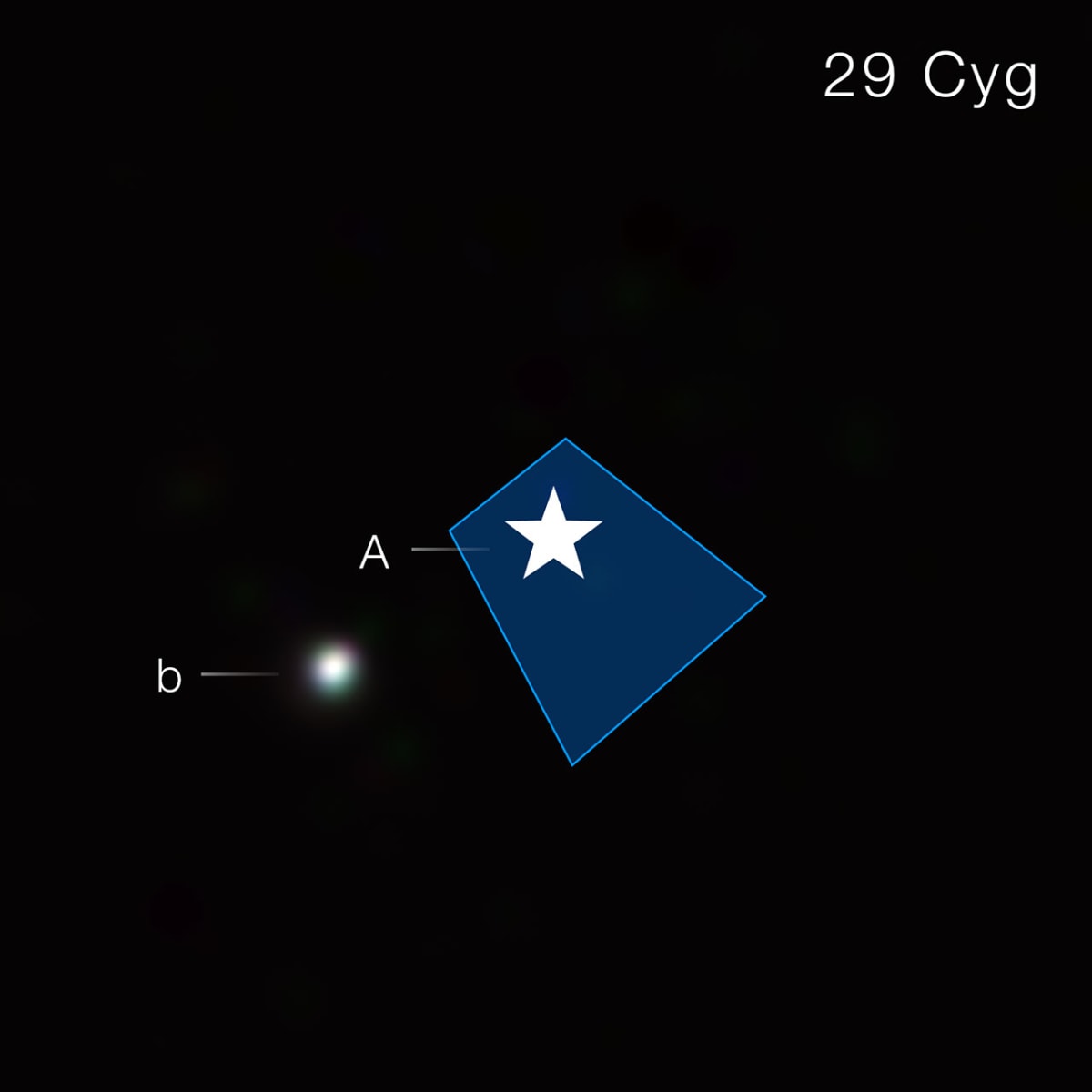
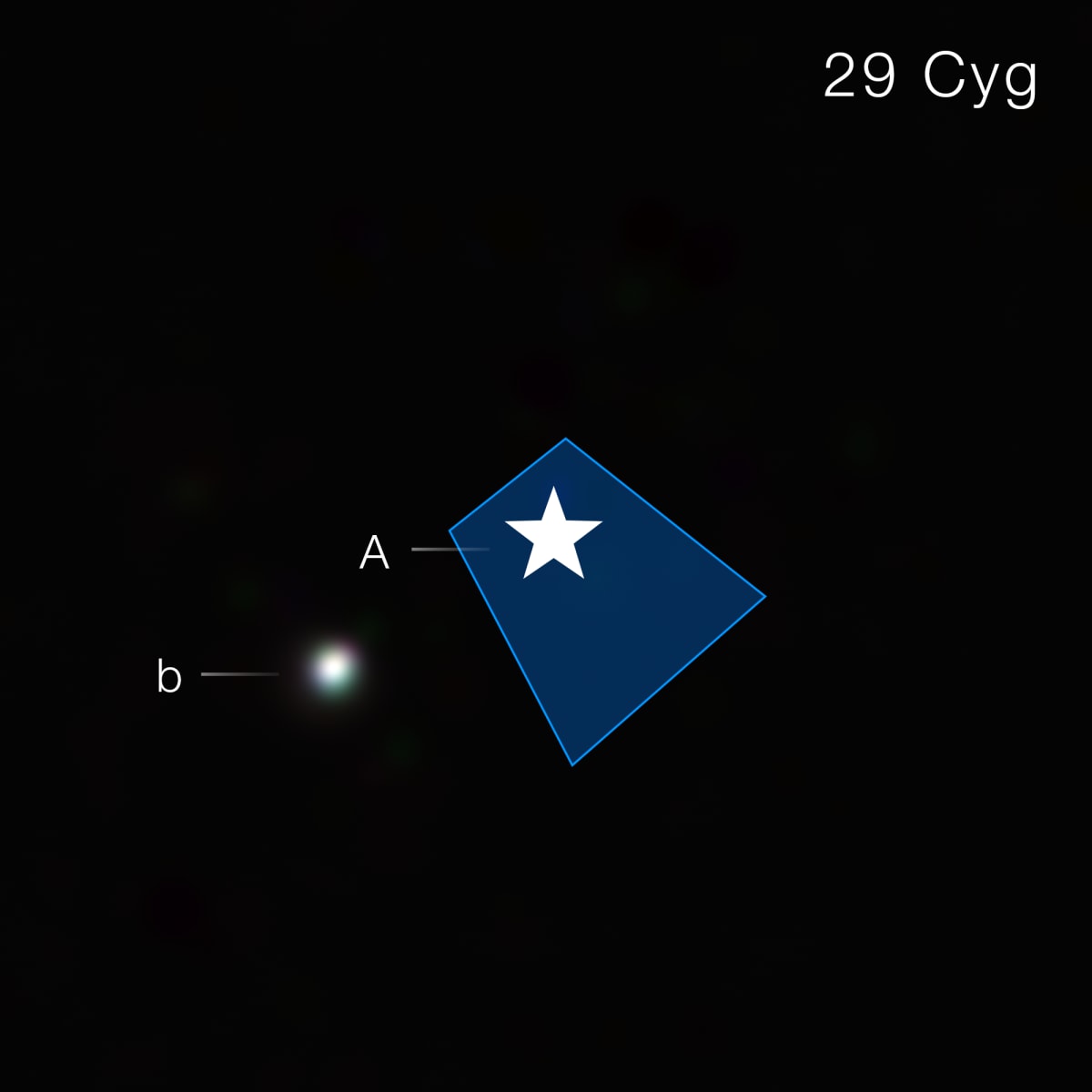
NASA's James Webb Space Telescope captured direct images of 29 Cygni b, a massive planet weighing 15 times more than Jupiter and orbiting its star at about the same distance as Uranus from our Sun. The discovery, published Tuesday in The Astrophysical Journal Letters, settles a debate about whether superheavy planets form like smaller planets or like stars.
Planets normally form when tiny bits of rock and ice clump together over millions of years, growing bigger and bigger until they become worlds. But scientists thought there was a weight limit to this process. Objects as massive as 29 Cygni b shouldn't exist this way, or so the theory went.
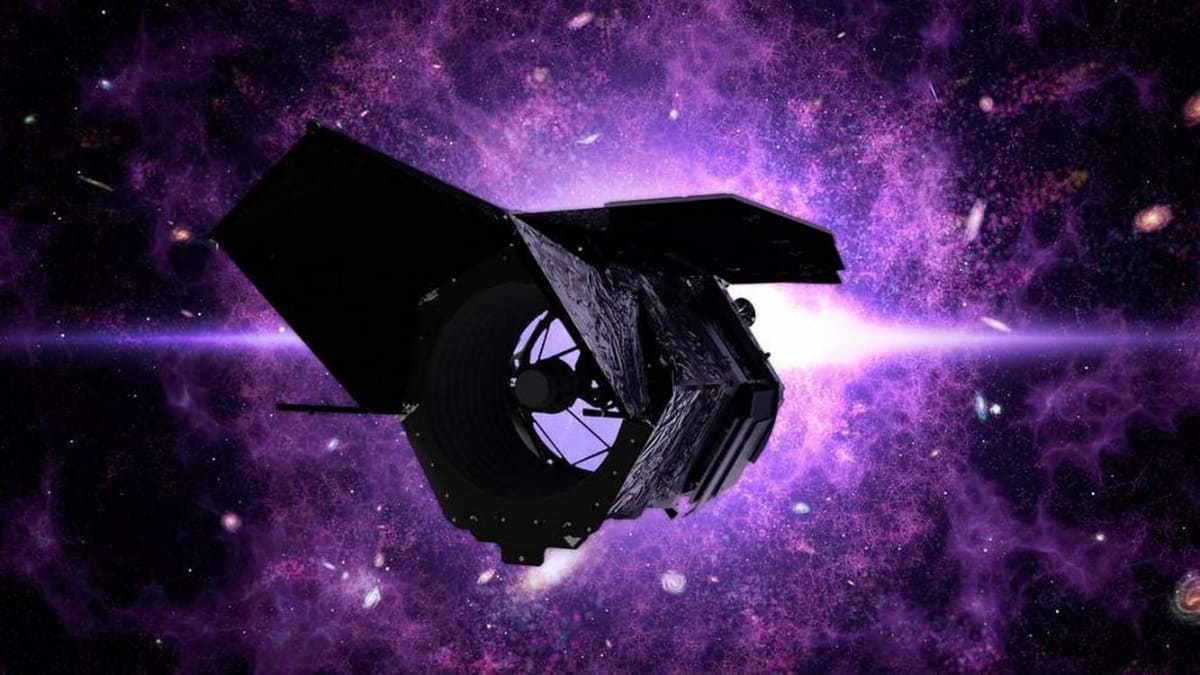
The Webb telescope looked at the planet's atmosphere and found something remarkable. It contains heavy elements like carbon and oxygen equivalent to about 150 Earths worth of material. That's the smoking gun proving it sucked up massive amounts of solid material from the disk of gas and dust that once surrounded its young star.
"This is the lowest mass you could plausibly get from fragmentation, but at the same time, it's about the highest mass you could get from accretion," said lead author William Balmer of Johns Hopkins University and the Space Telescope Science Institute in Baltimore. The planet sits right on the dividing line between what should be possible and impossible.
The team also used ground telescopes to check if the planet's orbit lines up with its star's spin. It does, perfectly, just like the planets in our solar system. If it had formed like a star through gas collapsing on itself, that alignment would be random.
Why This Inspires
This discovery means the universe is even better at building worlds than we imagined. The same gentle process that created Earth can also create monsters 15 times heavier than Jupiter. Understanding how the biggest planets form helps scientists figure out where to look for smaller, Earth-like worlds that might host life.
The research also showcases the power of Webb's instruments, which can directly photograph planets billions of miles from Earth and analyze their atmospheres. The team plans to study three more superheavy planets to see if 29 Cygni b is unique or part of a pattern.
Every time we point our most powerful telescopes at the cosmos, we discover that nature is more creative and capable than our theories predicted, and that's reason for wonder.
More Images

Based on reporting by NASA
This story was written by BrightWire based on verified news reports.
Spread the positivity!
Share this good news with someone who needs it