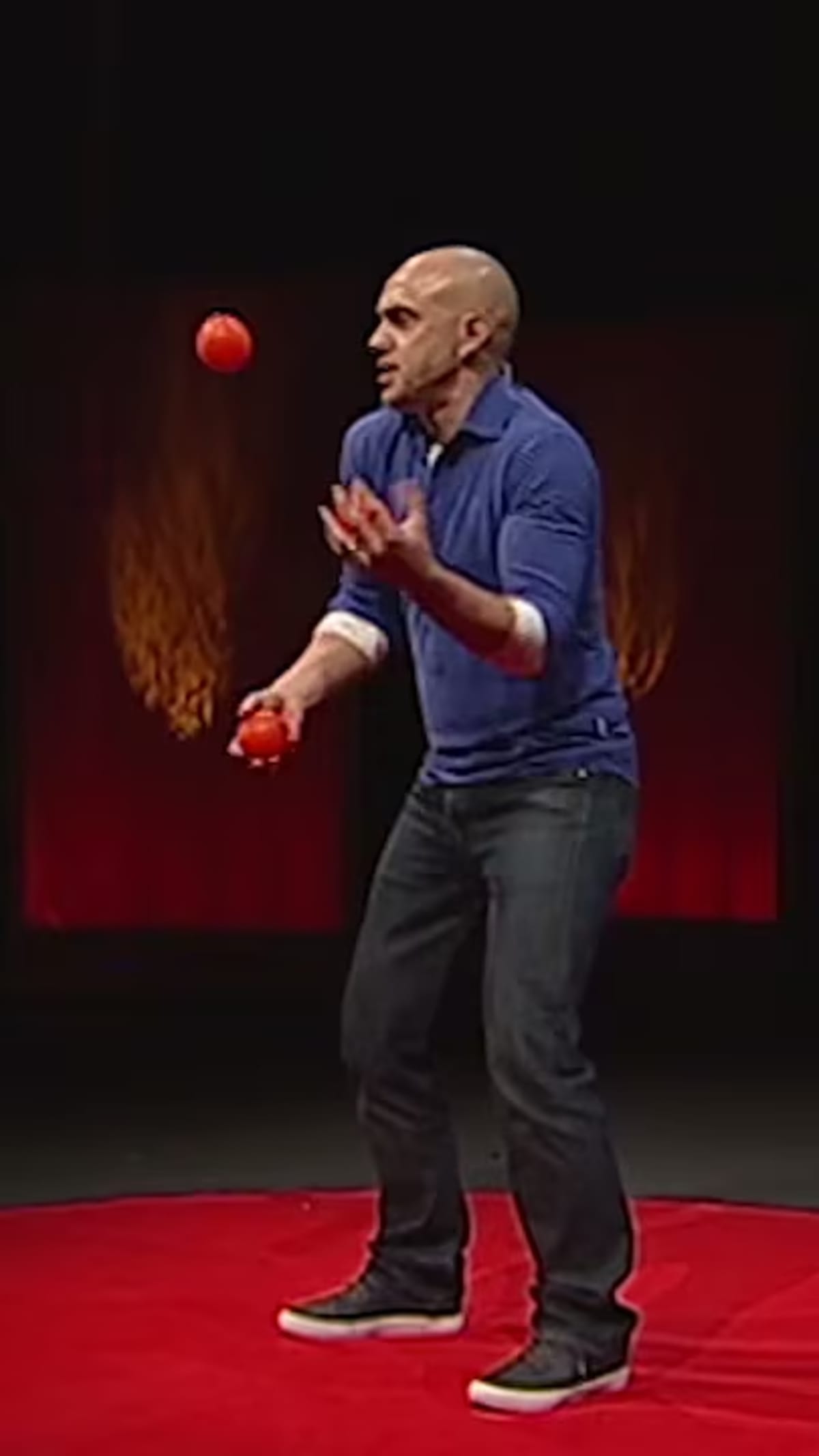
10 Minutes of Mindfulness Can Transform Your Day
Mindfulness expert Andy Puddicombe reveals how just 10 minutes of doing absolutely nothing can refresh your mind and change your life. No incense or uncomfortable positions required.
Find uplifting stories about heroes, innovations, and solutions
2981 results for "** mindfulness"
Mindfulness expert Andy Puddicombe reveals how just 10 minutes of doing absolutely nothing can refresh your mind and change your life. No incense or uncomfortable positions required.

After decades of confusion, researchers are untangling why mindfulness works differently for different people. This clarity could help millions choose the right practice for their actual needs.
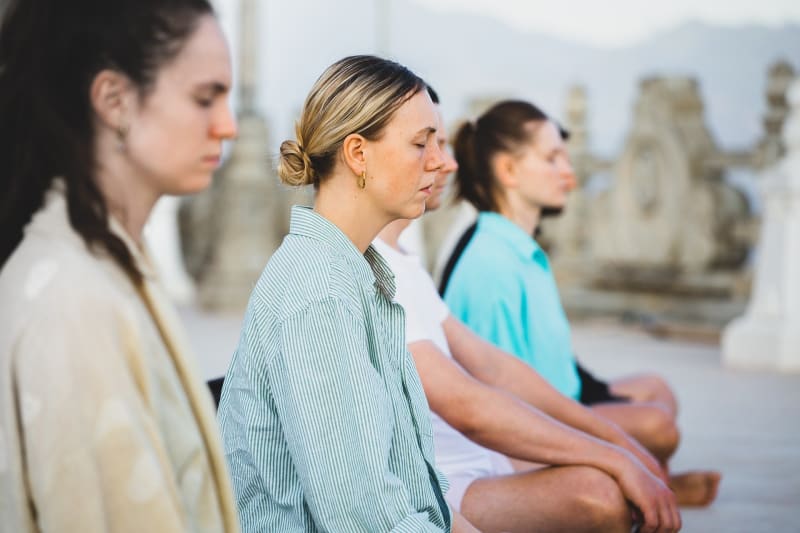
Autistic adults who joined adapted mindfulness groups reported feeling safer and better equipped to handle daily stress. The eight-week program, designed specifically for autistic participants, reduced anxiety and offered a new way to cope with life's challenges. #
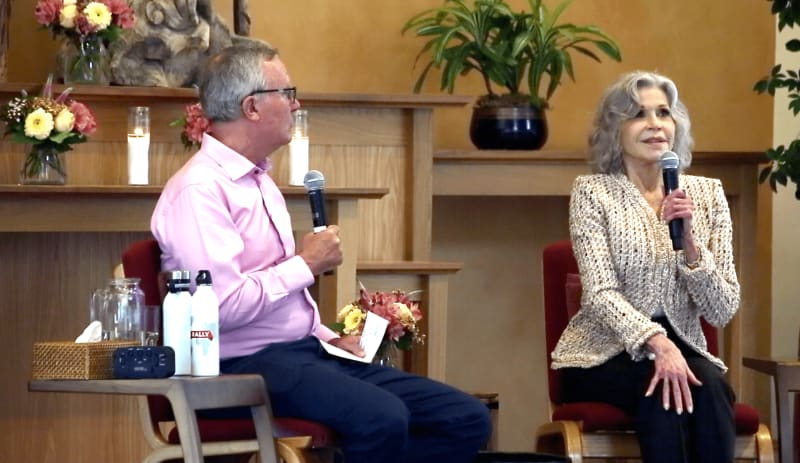
Oscar winner Jane Fonda joined climate experts at Spirit Rock Meditation Center to teach how mindfulness can fuel climate action, not escape from it. Her message: empathy and community are the tools we need to face ecological challenges with both courage and hope.

A new poll reveals Americans would give up 72% of their yearly income—about $57,000—to live without financial worry and feel completely secure. The findings highlight how stress over basic needs like groceries, healthcare, and job security has made peace of mind feel impossibly expensive.
A new therapy program helped 46 college students struggling with gaming addiction regain control of their lives through mindfulness and self-care practices. One month after the program ended, participants still showed improved self-control and reduced stress.

A new mindfulness program is helping prisoners in Kyrgyzstan overcome addiction stigma and reduce HIV risk without making treatment feel like punishment. Early results show the approach works better than anything tried before.

Stanford researchers discovered that asking "Can you tell me more?" makes people more open-minded during disagreements. Curiosity works better than facts when trying to change someone's mind.

A meditation teacher discovered that 20 years of practice wasn't reaching her everyday choices until she learned one key technique. Her research shows brief moments of awareness can rewire how we think and decide.
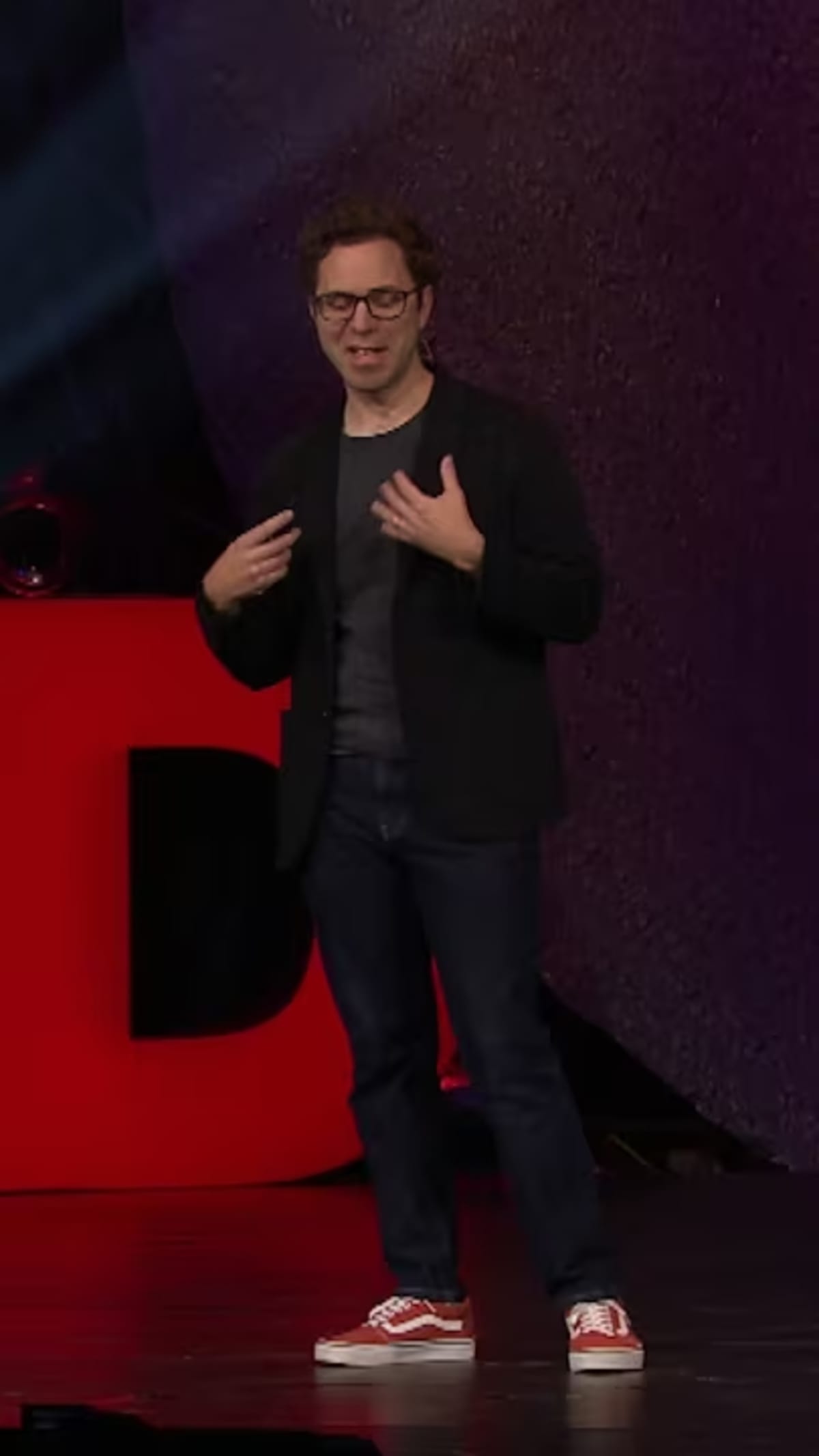
Millions of people can't visualize images in their mind at all, and many don't realize it's unusual. A fascinating TED talk is helping people discover aphantasia and understand how differently our brains work.
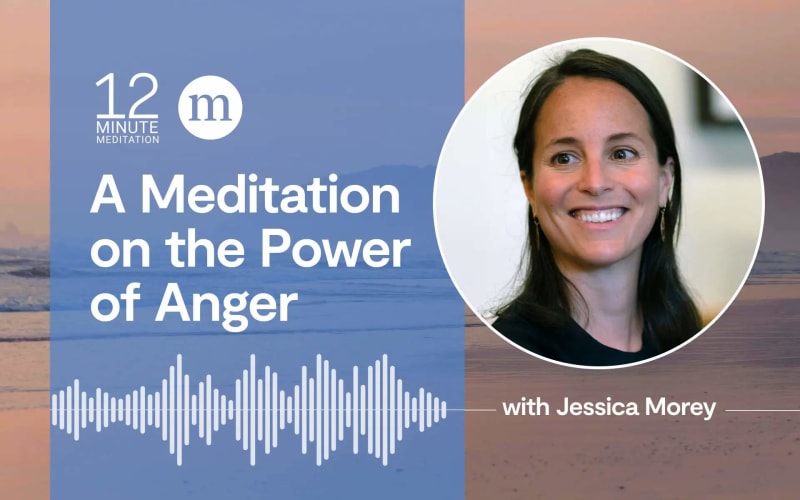
A meditation expert is teaching people a new way to understand and work with anger that builds emotional resilience instead of reactivity. The practice focuses on body sensations rather than racing thoughts to help people respond thoughtfully instead of lashing out.
Asking "Can you tell me more?" during disagreements makes people less defensive and more willing to listen, Stanford researchers found. Curiosity works better than facts when trying to change minds.
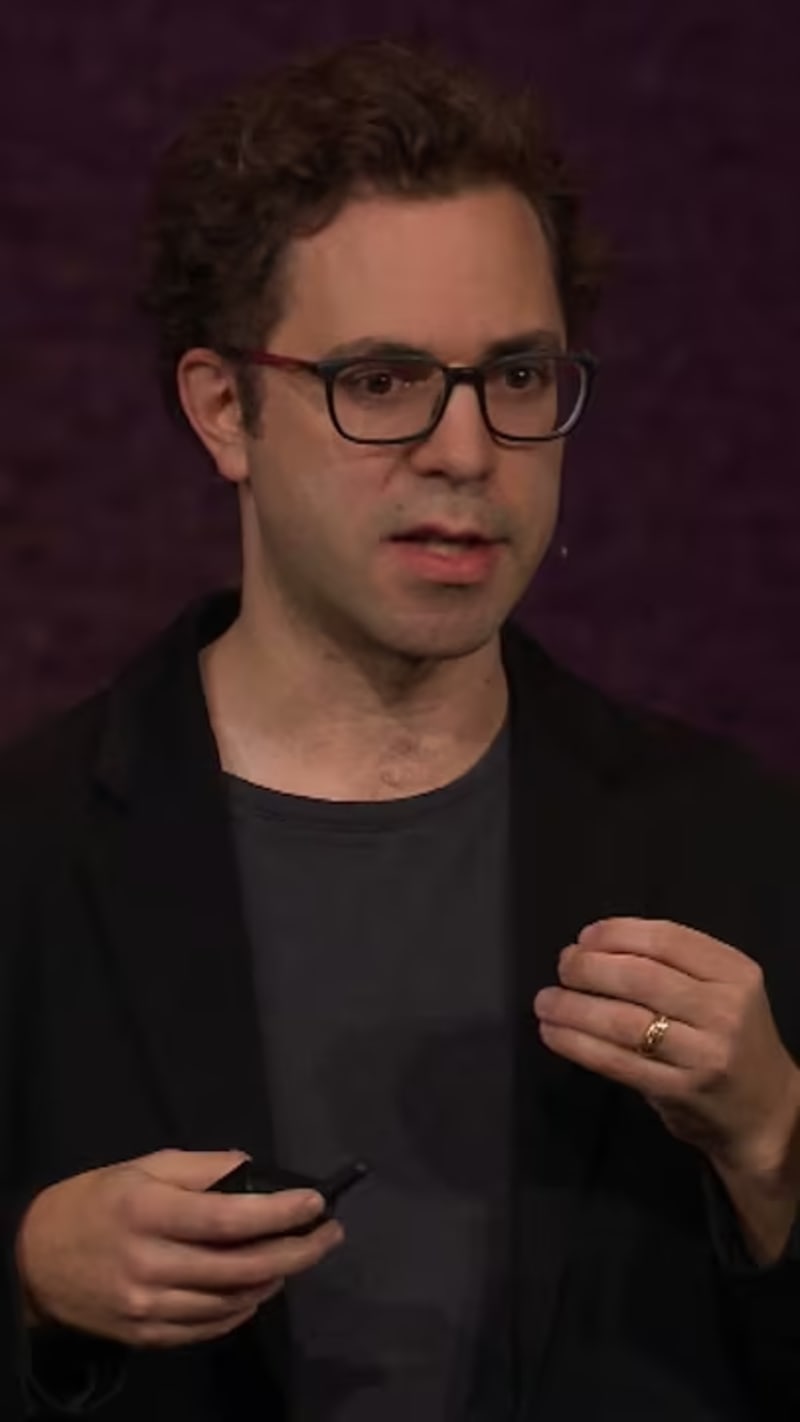
Imagine a rocket ship crashing on an alien planet. Can you see it? Millions of people see absolutely nothing when they try to visualize, and science is finally explaining why our minds work so differently.

Researchers discovered that asking "Can you tell me more?" works better than arguing with facts when trying to change someone's mind. The simple act of curiosity makes both people more open to understanding each other.

A Harvard behavioral scientist reveals that the fastest way to lose an argument is to say "I disagree." Her research-backed approach keeps conversations open and actually changes minds over time.

Simple meditation and gentle movement practices are showing real promise in reducing depression and anxiety for people living with dementia. New research maps out exactly how to make these therapies work best for older adults with cognitive decline.

A simple daily spiritual routine combining breathwork, grounding, and mindfulness can break the cycle of overthinking and anxiety in just 10 minutes. These ancient practices help reconnect your mind to the present moment when fear pulls you into the future.

Over 7,000 children gathered in Bengaluru for Intuition Fest, learning meditation and mindfulness skills to build focus and calm in an increasingly distracted world. The Art of Living event shows how ancient practices can help young minds thrive in the digital age.

A groundbreaking program in Townsville combines weight training with meditation to help veterans rebuild their lives after service. Early results show promise for managing chronic pain and rediscovering purpose.
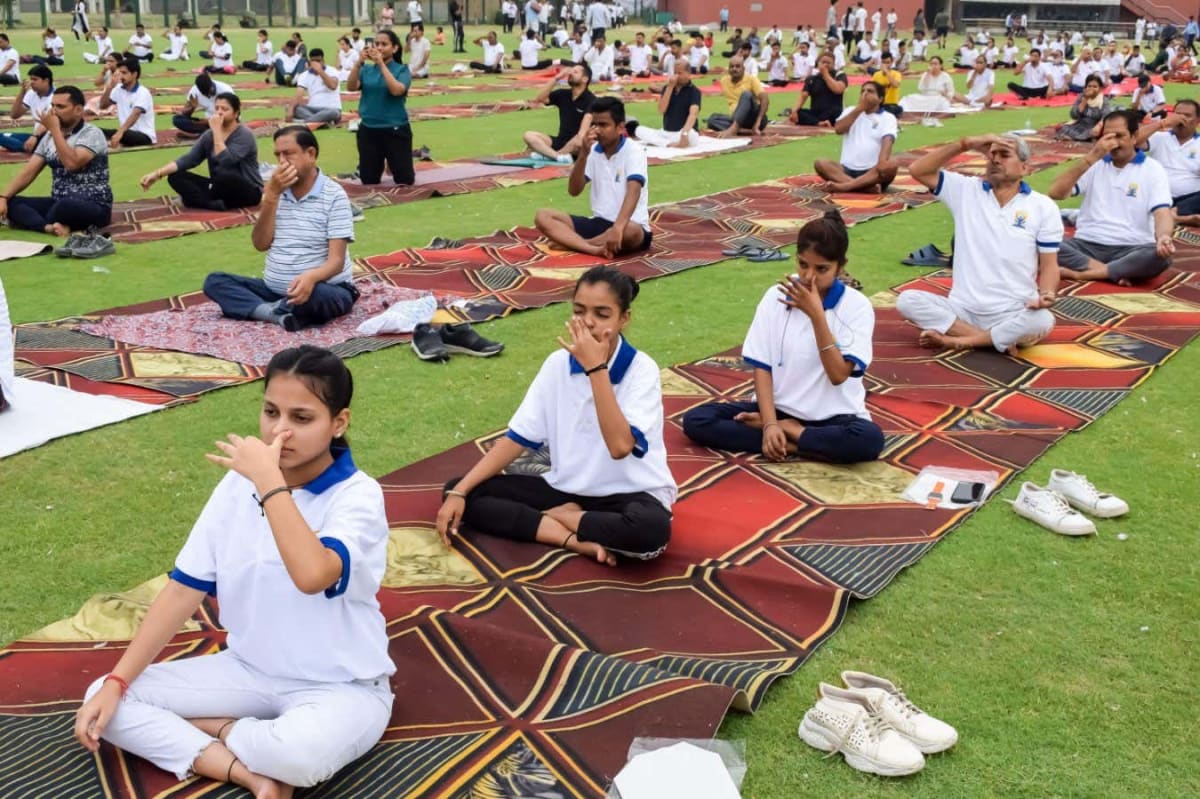
Scientists proved slow breathing reduces anxiety even when you're not thinking about it. A UCLA study using mice shows it's a brain-wired response, not just a placebo effect.
Showing 20 of 2981