
Museum Visits Slow Aging by 4%, Study Finds
People who enjoy museums, concerts, and reading may be aging more slowly at a biological level. Scientists found that weekly arts activities slow aging at the same rate as regular exercise.
Find uplifting stories about heroes, innovations, and solutions
15413 results for "active aging"
People who enjoy museums, concerts, and reading may be aging more slowly at a biological level. Scientists found that weekly arts activities slow aging at the same rate as regular exercise.

Your next visit to a museum or concert might do more than feed your soul—it could actually turn back your biological clock. A new study shows cultural activities like gallery visits and theater outings slow aging at a cellular level, matching the benefits of regular workouts.

An orthopedic surgeon reveals the simple training shifts that keep athletes competing into their 40s. His decade-by-decade playbook works for anyone who wants to move pain-free for life.
Researchers discovered that cells actively remodel themselves as we age, opening new possibilities for preventing age-related diseases like Alzheimer's and diabetes. This breakthrough reveals a previously unknown piece of the aging puzzle that could help us all stay healthier longer.

Scientists discovered that keeping consistent daily patterns of rest and activity might help you age more slowly at a biological level. The research suggests that getting the same amount of rest each day without interruption could be as important as how much rest you get.
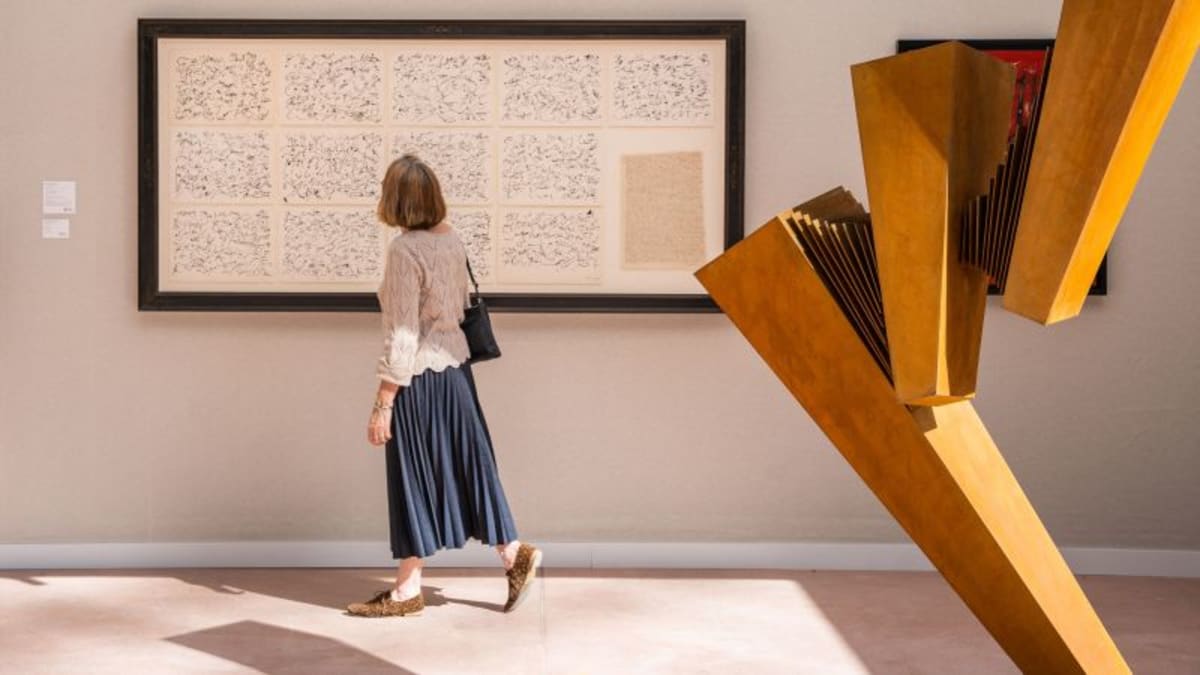
Visiting museums and engaging with the arts could slow your biological aging just as much as hitting the gym, according to groundbreaking new research. Scientists found that both how often and how many ways people enjoy cultural activities actually impact aging at the molecular level.

Going to museums, reading books, and enjoying cultural activities could slow your biological aging by up to 4%, matching the health gap between smokers and nonsmokers. A major UK study suggests your weekend plans might be just as important as your workout routine.
Scientists discovered the aging brain doesn't just decline—it actively remodels itself between ages 50 and 75. This breakthrough reveals why age is the biggest risk factor for Alzheimer's and opens doors to new treatments.

Scientists discovered why exercise keeps aging muscles strong: physical activity lowers a gene called DEAF1, restoring the body's natural repair systems. The breakthrough could help millions maintain strength and independence as they age.

Scientists discovered a muscle protein called NOX4 that may explain why staying active keeps us stronger and healthier as we age. The best part? Exercise can restore it, even in older adults.

Scientists discovered that restoring a declining brain protein called Menin reversed memory loss, bone thinning, and inflammation in aging mice. A simple amino acid supplement also improved brain function, offering new hope for treating age-related decline.
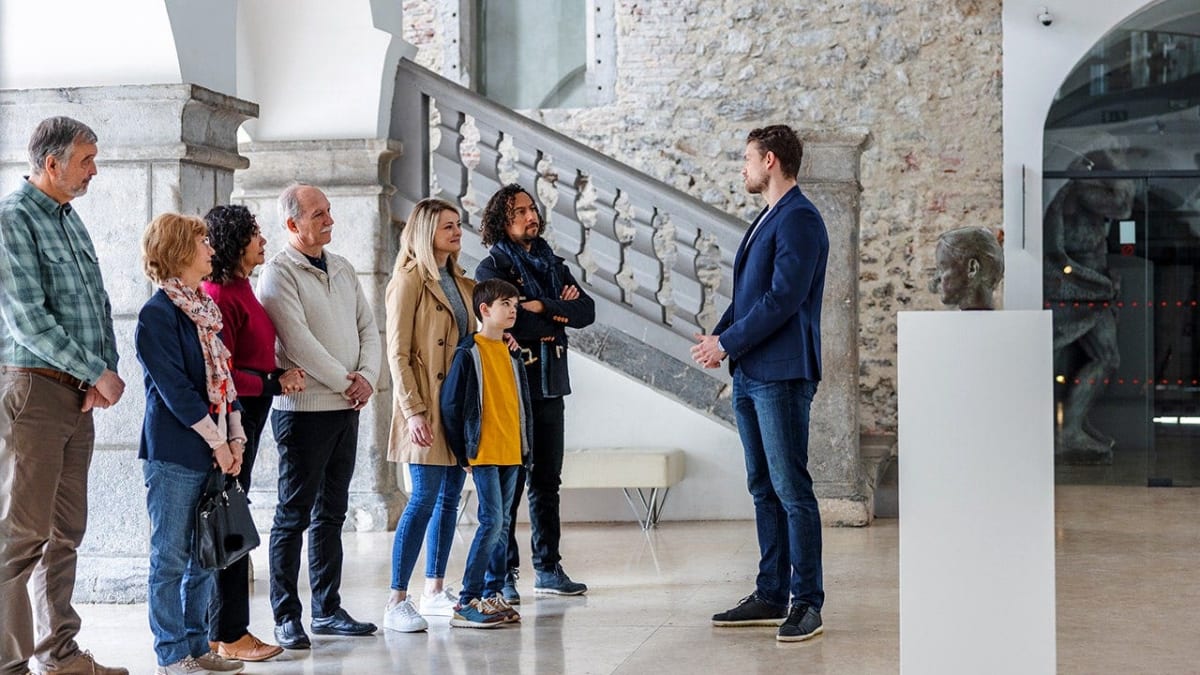
Going to museums and doing creative activities might actually slow down aging in your DNA, according to new research from the UK. The effects are comparable to those seen from regular exercise.

Grandparents who help care for their grandchildren show stronger memory and language skills as they age, according to new research tracking nearly 3,000 people over six years. Simply being involved in caregiving appears to matter more than how often you help or what activities you do.
Over 50 leading researchers worldwide just published a groundbreaking vision for aging science that focuses on keeping people healthier longer, not just living more years. The shift from studying "how long" to "how well" people age could transform how we approach health throughout our lives.
Researchers discovered biological aging markers shared by humans, mice, rats, and monkeys, opening doors to treatments that could extend human lifespan. The team built a free online tool so scientists worldwide can test anti-aging therapies faster.
Researchers discovered shared genetic patterns of aging in humans, mice, rats, and monkeys that could predict lifespan and help develop treatments to extend healthy years. The breakthrough offers hope for tackling age-related diseases like dementia and heart disease.
As Thailand becomes an aged society, architects are rethinking home design to help people stay independent and active throughout their lives. Simple changes like step-free floors and better lighting can transform houses into lifelong sanctuaries.

Lawrence Tech is launching a Healthy Aging Innovation Center to help seniors live independently at home through smart technology and human-centered design. The free April 10 event will showcase innovations that make aging safer and more dignified.
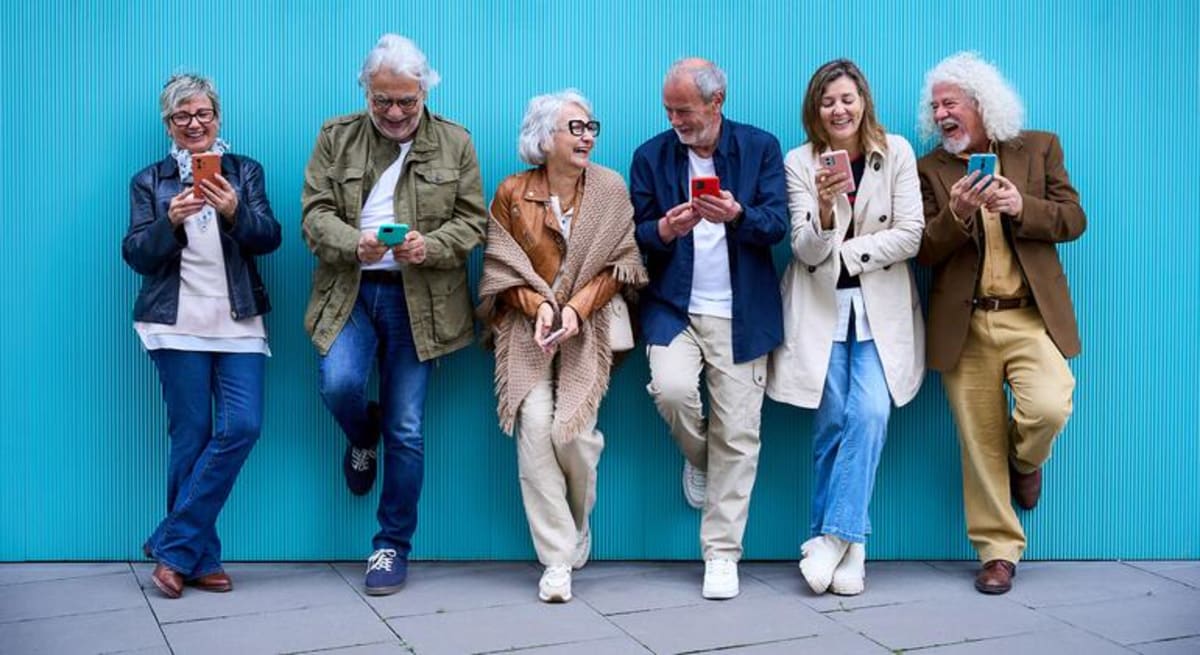
A new United Nations report reveals how shifting the narrative around aging could unlock trillion-dollar economic opportunities and improve wellbeing for millions. The way we talk about getting older shapes everything from public policy to how people view their own futures.
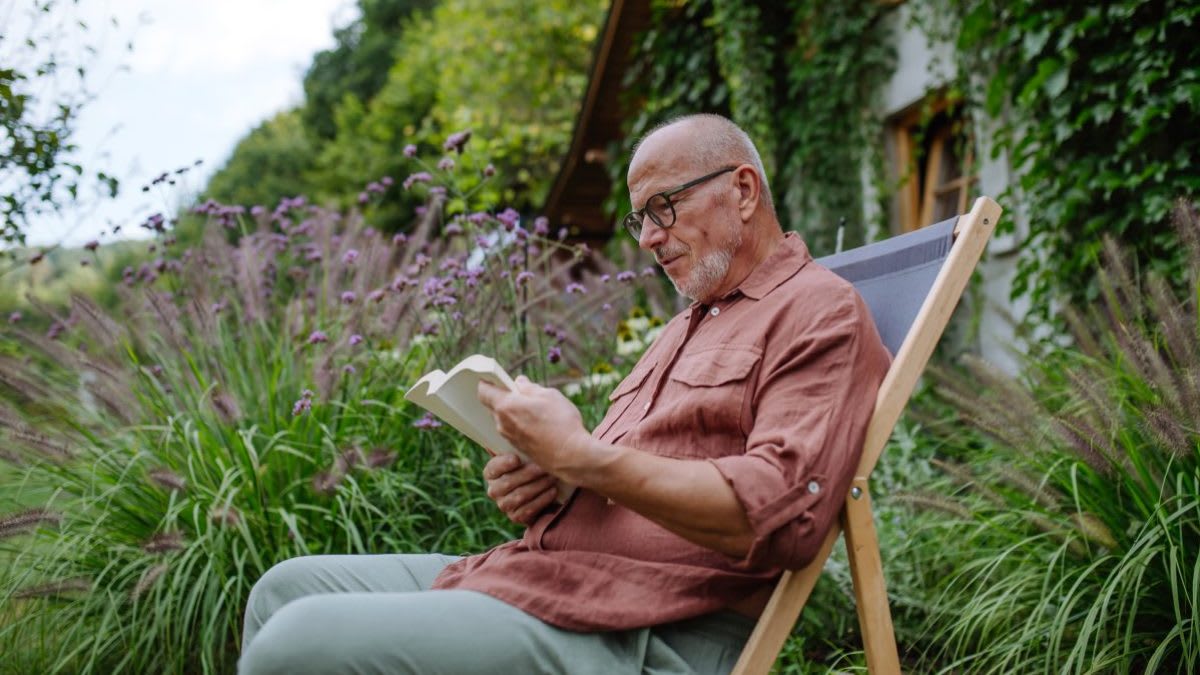
Singing, painting, or any artistic activity just once a week could slow your biological aging by up to 4%, according to new research. The effect rivals adding an extra workout to your routine.
Showing 20 of 15413