
FDA Approves First Drug for Alzheimer's Agitation
Millions of families caring for loved ones with Alzheimer's just got meaningful help. The FDA has approved AXS-05, the first treatment specifically designed to ease agitation in Alzheimer's patients.
Find uplifting stories about heroes, innovations, and solutions
488 results for "alzheimers"
Millions of families caring for loved ones with Alzheimer's just got meaningful help. The FDA has approved AXS-05, the first treatment specifically designed to ease agitation in Alzheimer's patients.
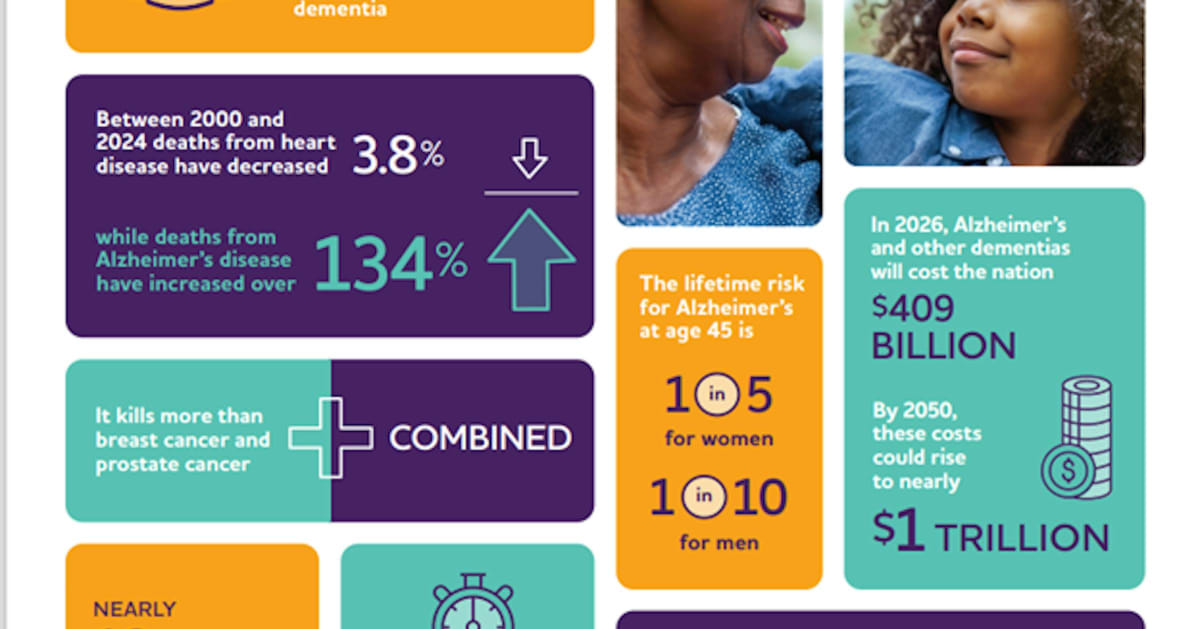
In Minnesota, where over 102,000 seniors live with Alzheimer's, RBC Wealth Management is partnering with the Alzheimer's Association to support families navigating one of life's hardest journeys. The collaboration provides resources, education, and hope to those touched by dementia.

The FDA just approved LEQEMBI IQLIK, the first Alzheimer's treatment patients can give themselves at home from day one. The weekly autoinjector takes just 15 seconds per dose and could transform how millions manage early Alzheimer's disease. #

Health Canada has authorized Kisunla, a breakthrough treatment that slows early Alzheimer's progression by 22% and can be stopped once brain plaques clear. Over 770,000 Canadians living with Alzheimer's now have access to the first disease-modifying therapy that targets the root cause of memory loss.
New research links blood sugar spikes after meals to Alzheimer's disease risk, offering hope that simple diet changes could protect brain health. Scientists found genetic predisposition to post-meal sugar spikes increased relative Alzheimer's risk by 69 percent.
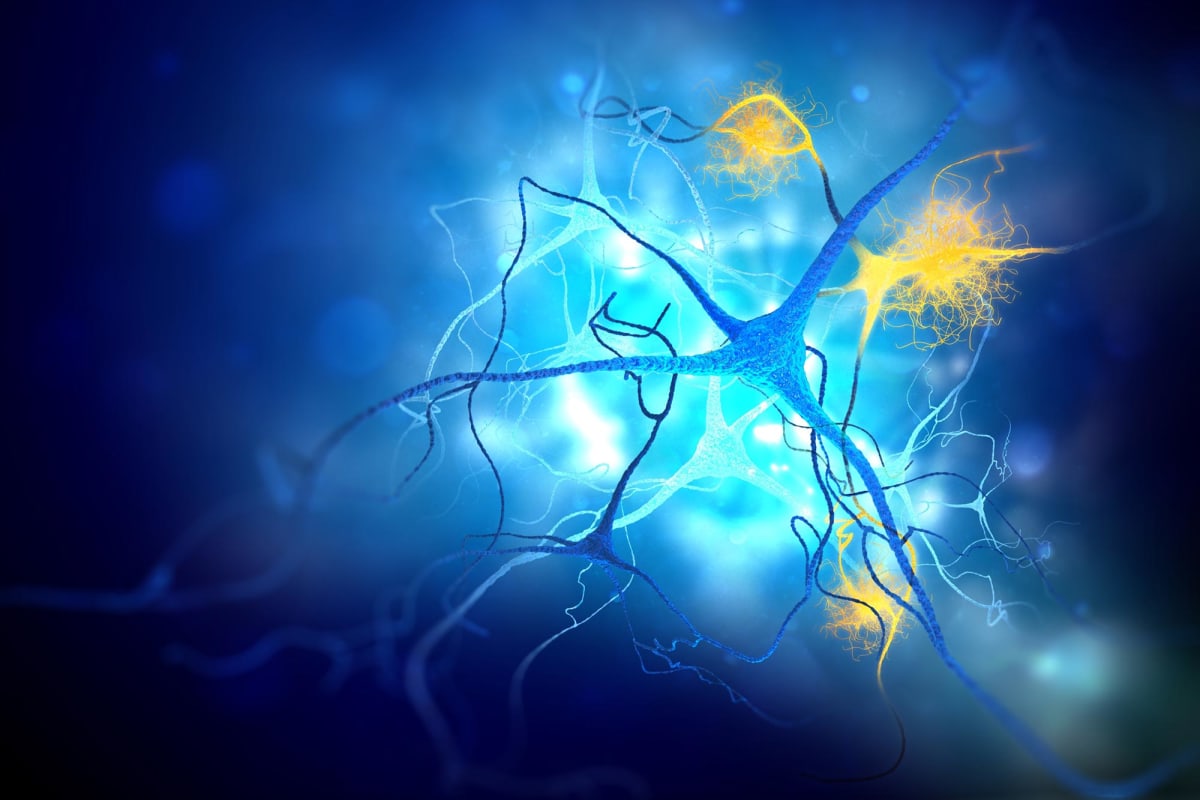
Vanderbilt researchers developed two breakthrough compounds that let scientists study TAOK proteins for the first time, opening new paths to understanding and potentially treating Alzheimer's disease. More than seven million Americans with Alzheimer's now have new hope for future treatments.

New research confirms Maria Shriver's decades-old hunch: women represent two-thirds of Alzheimer's diagnoses, but scientists now say nearly half of all cases can be prevented. After her father's diagnosis, Shriver founded the Women's Alzheimer's Movement and is empowering people to take charge of their brain health early.

A musician discovered that while Alzheimer's has taken her mother's ability to speak, they can still connect through singing together in perfect harmony. The heartwarming videos show music bridging the gap where words have failed.
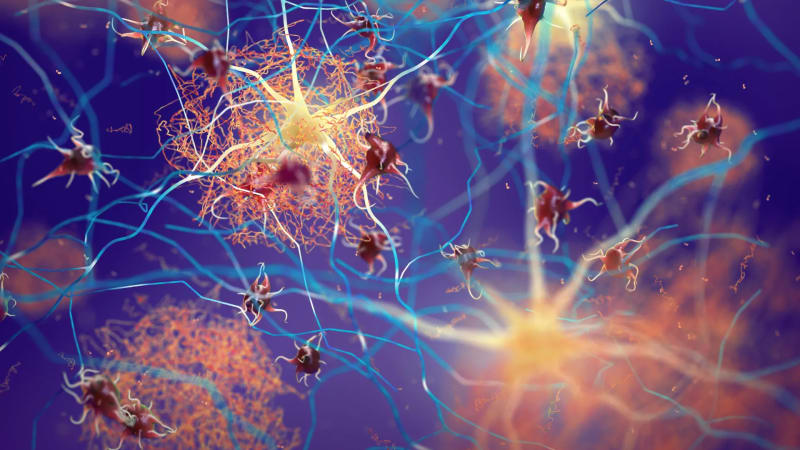
Scientists discovered how to activate the brain's natural cleaning system to clear Alzheimer's plaques, opening doors to affordable pill-based treatments. The breakthrough could replace expensive antibody therapies that often cause serious side effects.

A groundbreaking therapy just approved in Canada can slow Alzheimer's progression by 30%, keeping patients independent longer. For the first time, doctors can target the root cause of the disease instead of just managing symptoms.
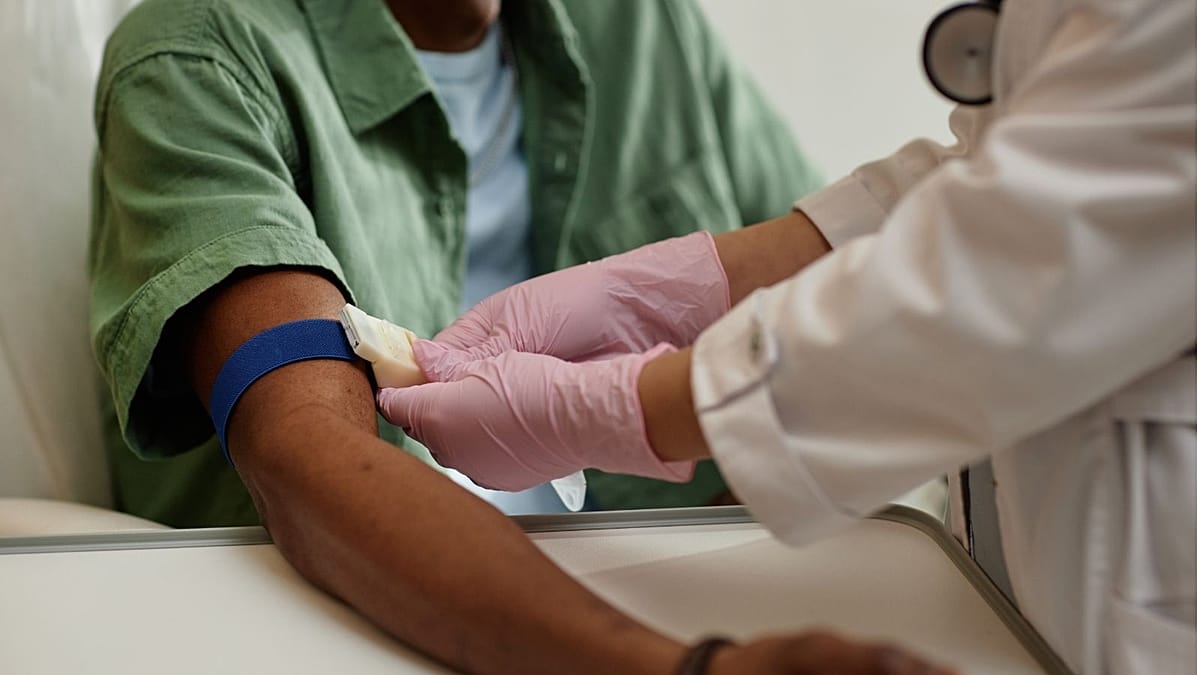
A new blood test approved in Europe can detect Alzheimer's disease with a simple draw, replacing invasive spinal taps and costly brain scans. The breakthrough promises faster diagnosis for millions of families facing the uncertainty of dementia.
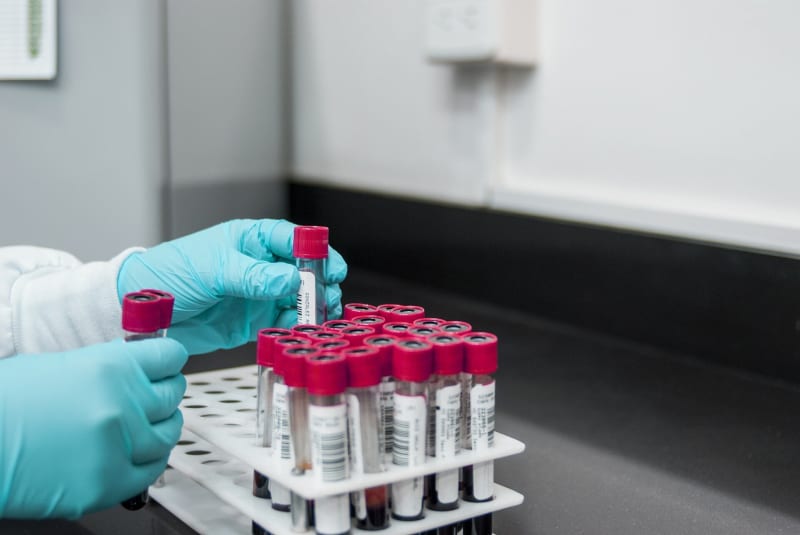
European researchers are developing a simple blood test that could detect Alzheimer's disease decades before symptoms appear, using graphene technology to identify warning signs from a single drop of blood. The device could make early screening as routine as checking blood sugar.

A daughter captured the moment her mother with stage 6 Alzheimer's discovered she's been married for 40 years. The video shows what stays when everything else fades.

A 16-year study of nearly 800 adults found that maintaining healthy vitamin D levels may cut Alzheimer's risk in half. The simple solution could be as easy as getting more sunlight or taking a supplement.

A financial planning company raised £10,000 for Alzheimer's charities through client referrals in just two months. Now their team is walking, running, and cycling 1,550 miles across the UK to double that amount.

Alzheimer's patients struggling with agitation finally have a gentler treatment option that won't leave them drowsy or harm their hearts. The FDA just approved Auvelity, offering hope to millions of families navigating one of the disease's most challenging symptoms.
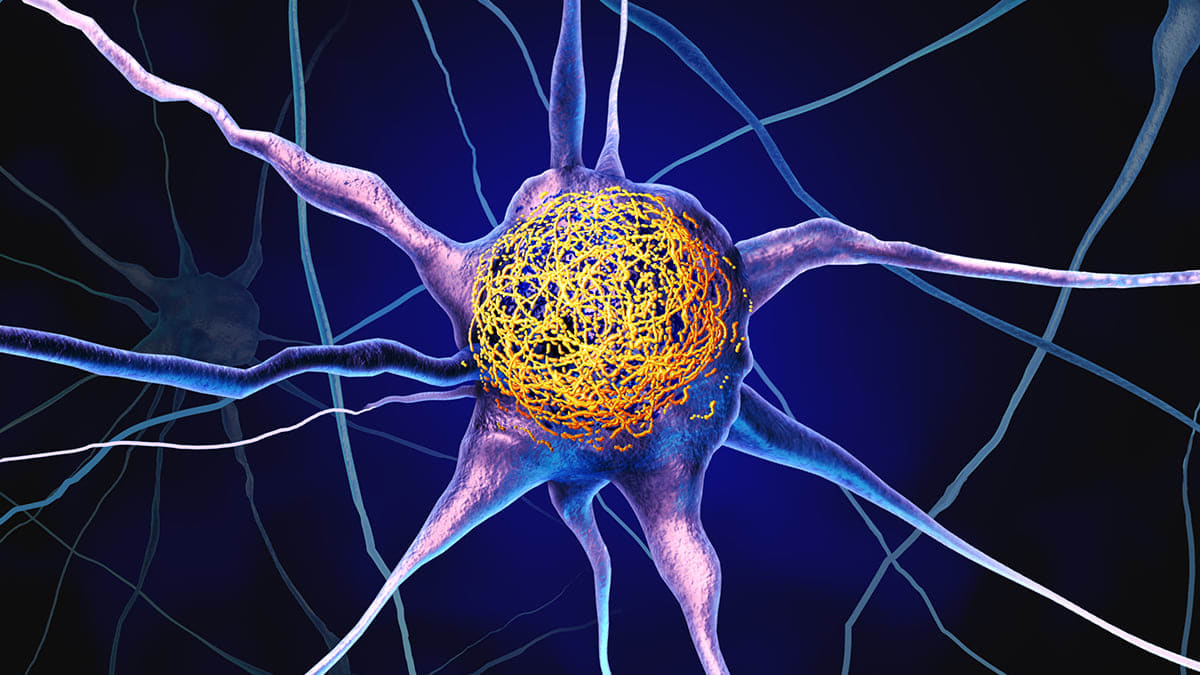
Scientists discovered that higher vitamin D levels in middle age are linked to fewer toxic protein tangles in the brain 16 years later. The finding offers hope that something as simple as sunshine, fish, or supplements could help protect against Alzheimer's.

University of Utah researchers discovered how toxic proteins travel between brain cells in Alzheimer's disease, potentially opening the door to treatments that could slow the condition's progression. The key culprit is a common brain protein that accidentally helps disease spread from sick neurons to healthy ones.

A woman with advanced Alzheimer's disease showed remarkable improvements in speech and memory after taking psilocybin mushrooms, according to a new medical case report. The unexpected turnaround is sparking hope for new treatment approaches to the devastating condition. #
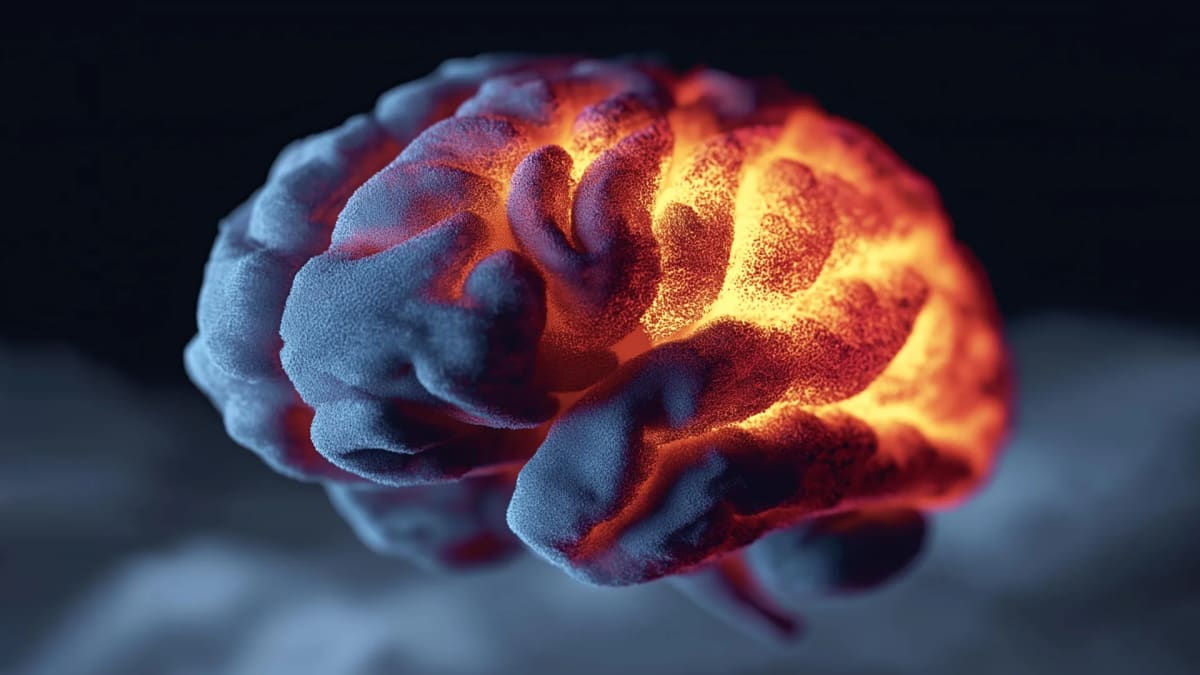
Researchers discovered a molecular switch that drives harmful brain inflammation in Alzheimer's disease, and turning it off protected brain connections in mice. The finding could lead to new treatments that calm overactive immune responses without blocking normal defenses.
Showing 20 of 488