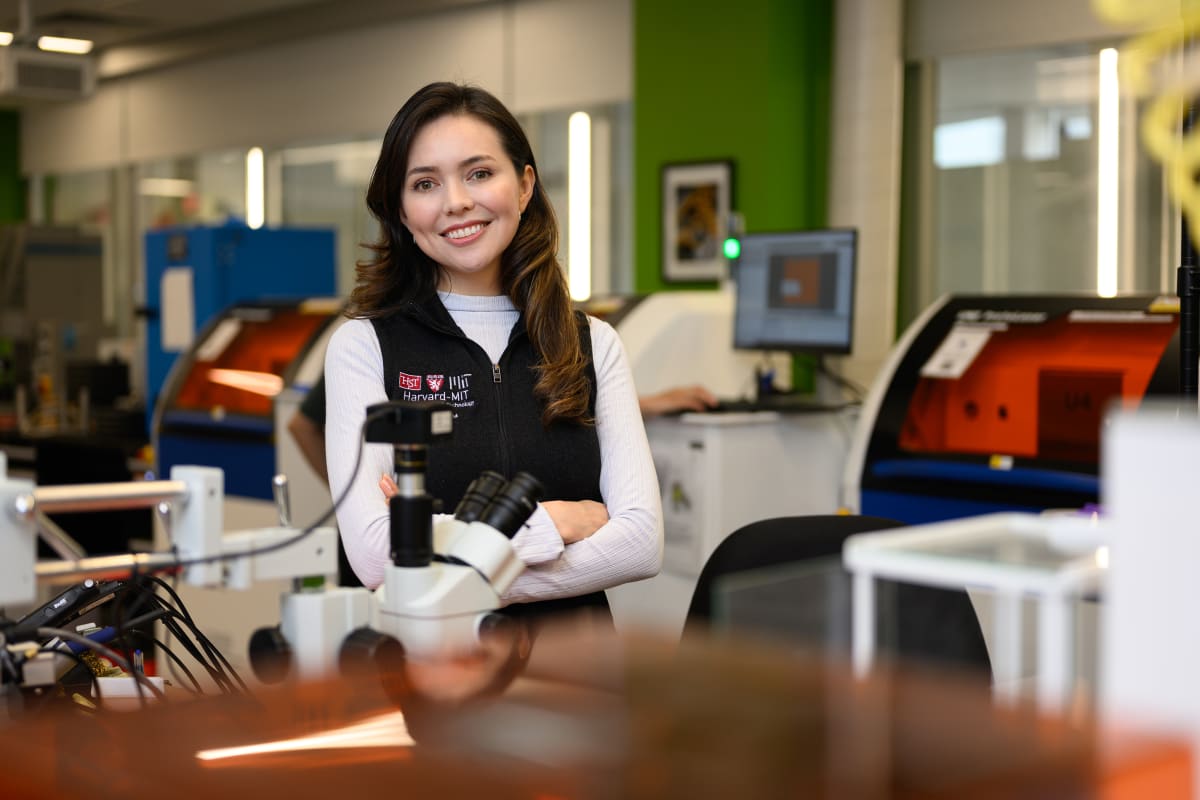
MIT Student Creates Devices That Decode Body's Hidden Signals
Diana Grass is developing soft technology that listens to how your brain and body talk to each other. Her work could help doctors catch diseases before symptoms even appear.
Find uplifting stories about heroes, innovations, and solutions
8 results for "bioelectronics"
Diana Grass is developing soft technology that listens to how your brain and body talk to each other. Her work could help doctors catch diseases before symptoms even appear.

Scientists discovered a small wearable device placed on the ear can activate the vagus nerve to accelerate blood clotting, potentially saving people from bleeding to death. The breakthrough offers new hope for trauma victims, surgical patients, and mothers experiencing postpartum hemorrhage.
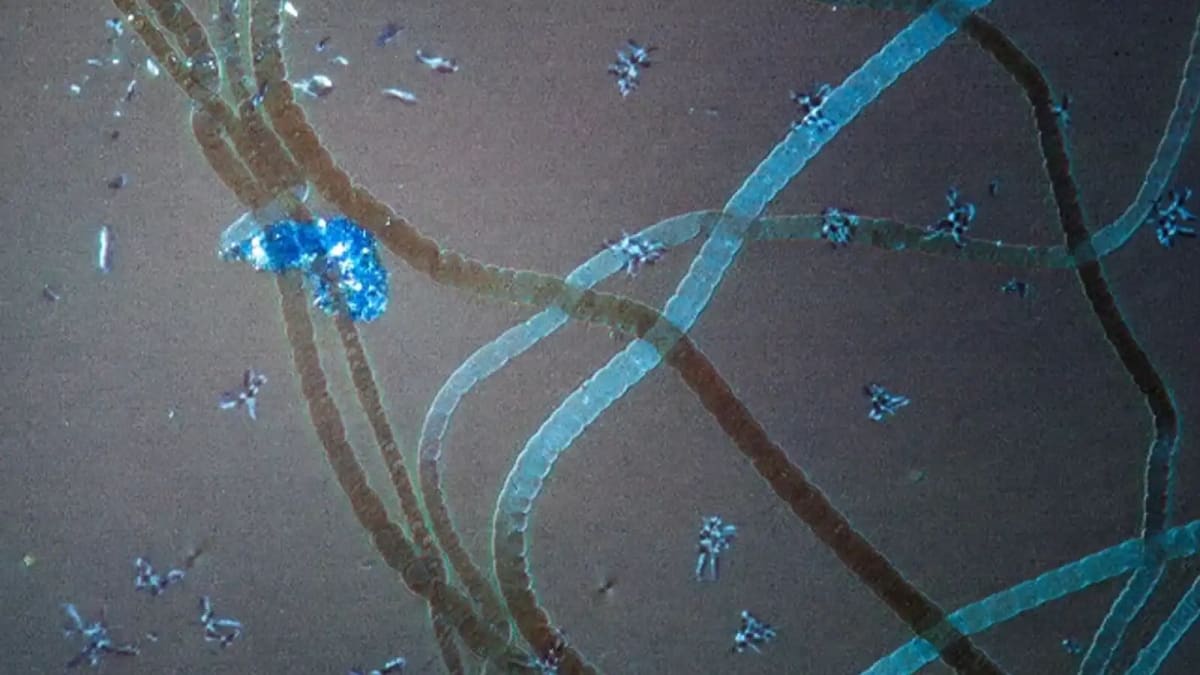
Scientists discovered aquatic bacteria that build microscopic electrical cables from nickel and sulfur, conducting electricity across distances 1,000 times their body length. The natural design mirrors modern smartphone charging cables but evolved 600 million years ago.

Engineers just solved a decade-old problem that lets 3D printers add electronics to living tissue without burning it. The breakthrough could mean smart implants that warn doctors before they fail.
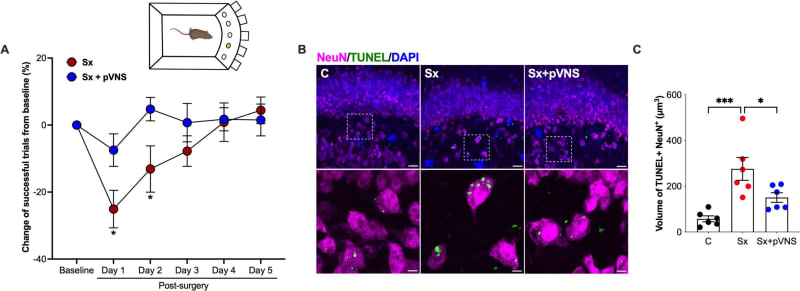
Scientists at Duke University discovered that stimulating a key nerve may prevent post-surgery confusion in older adults with dementia. Clinical trials are already underway to test this promising breakthrough.
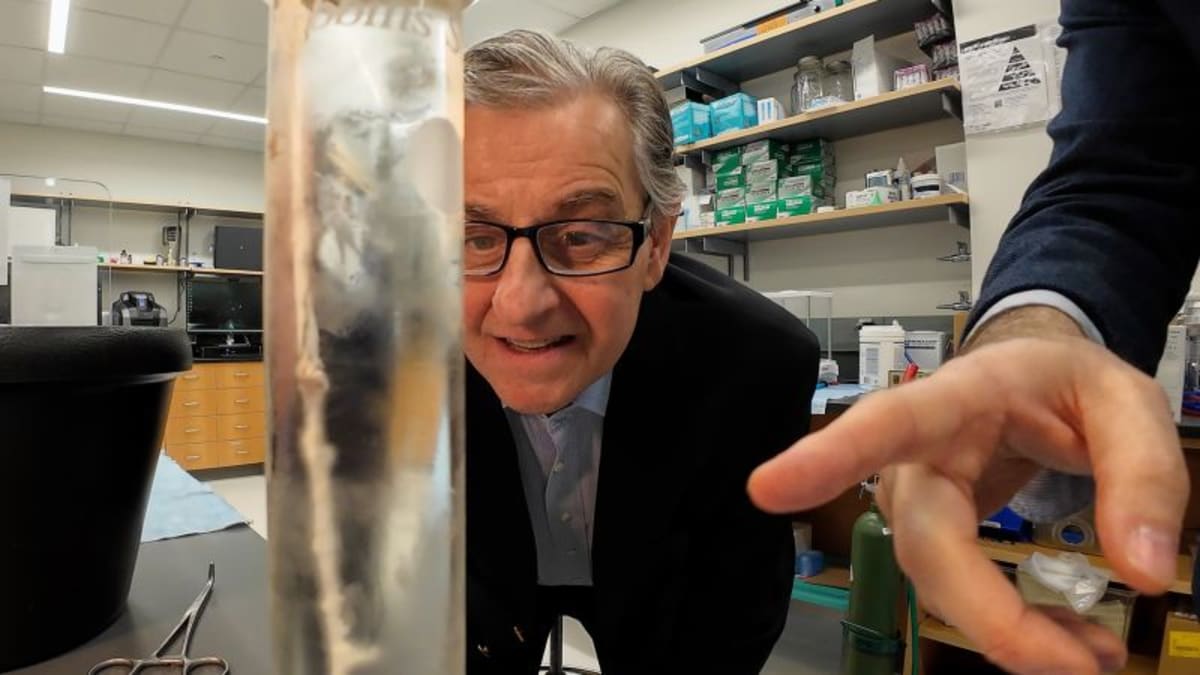
After losing an 11-month-old patient in 1985, neurosurgeon Kevin Tracey spent 40 years developing a tiny implant that tames deadly inflammation. The FDA just approved his device for 1.5 million Americans with rheumatoid arthritis.

Northwestern University researchers created artificial neurons that mimic real brain cells so well they can activate living mouse neurons. This breakthrough could dramatically reduce the massive energy consumption powering today's AI systems.
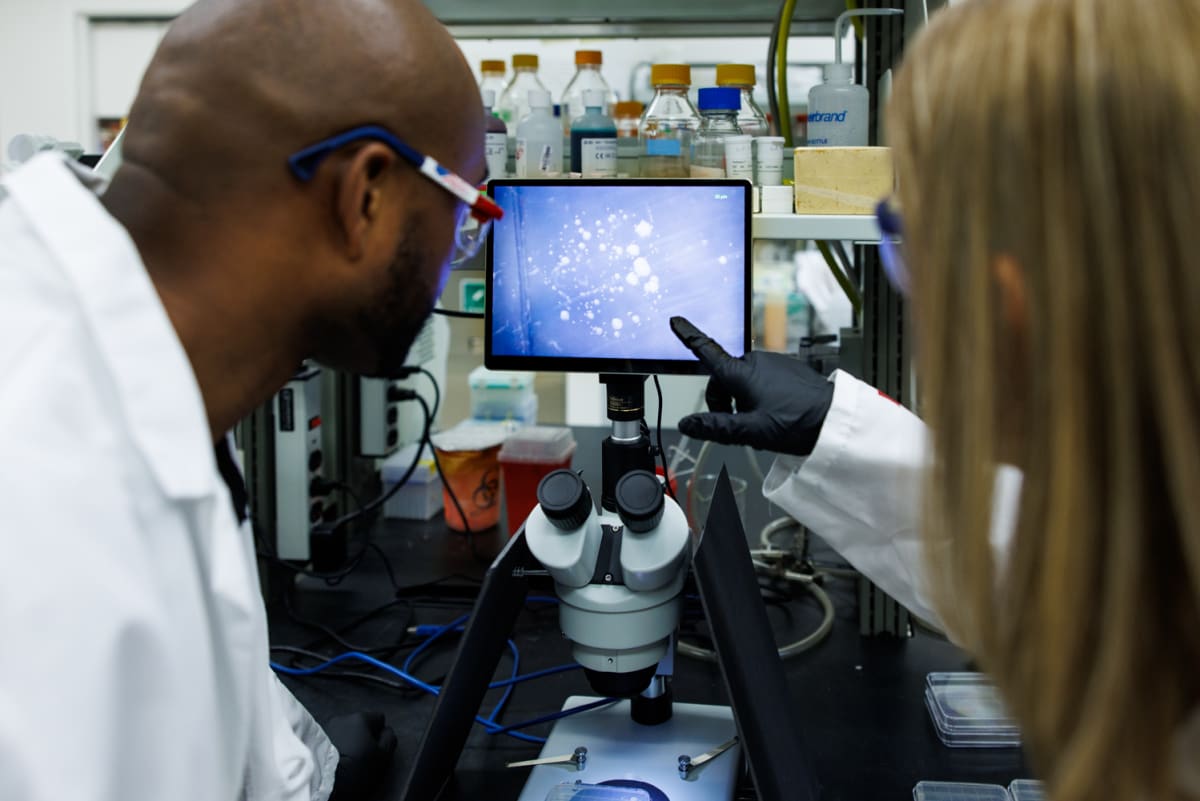
Arizona State University researchers just secured $2.3 million to develop technology that could help doctors find the right TB medication in days instead of weeks. The breakthrough could save thousands of lives among the 1.5 million people who die from tuberculosis each year.