
Malawi Living Costs Drop 4.6% in February
Families in Malawi caught a break in February as the cost of living fell 4.6%, bringing relief after months of financial strain. Cheaper beans, maize, and cooking oil drove food costs down over 7%.
Find uplifting stories about heroes, innovations, and solutions
14281 results for "cost reduction"
Families in Malawi caught a break in February as the cost of living fell 4.6%, bringing relief after months of financial strain. Cheaper beans, maize, and cooking oil drove food costs down over 7%.
Charging an electric vehicle at home costs a fraction of what most people think, with overnight rates as low as 7¢ per kilowatt-hour. The savings gap is so dramatic that one EV owner can drive nearly 200 miles for what a gas car costs to go 30 miles.
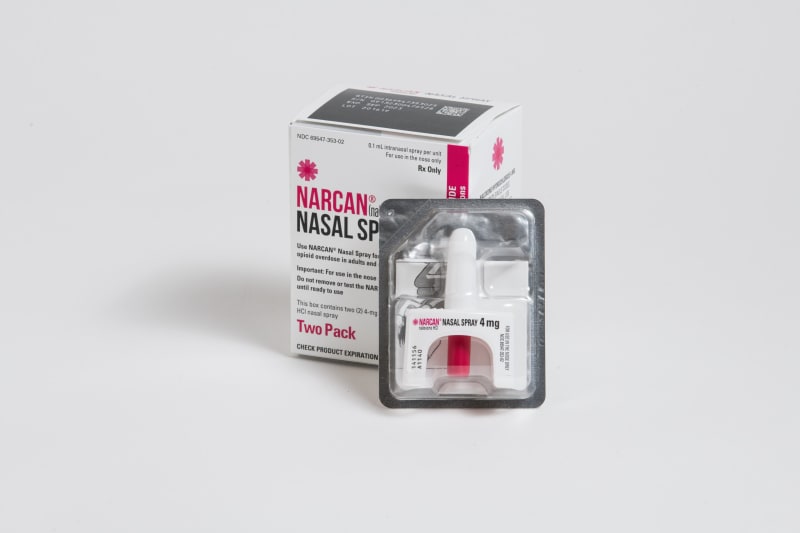
New research from Australia shows harm reduction programs deliver massive returns, saving lives and millions of dollars. Every dollar invested in services like needle exchanges and overdose prevention could return more than $10 in benefits.
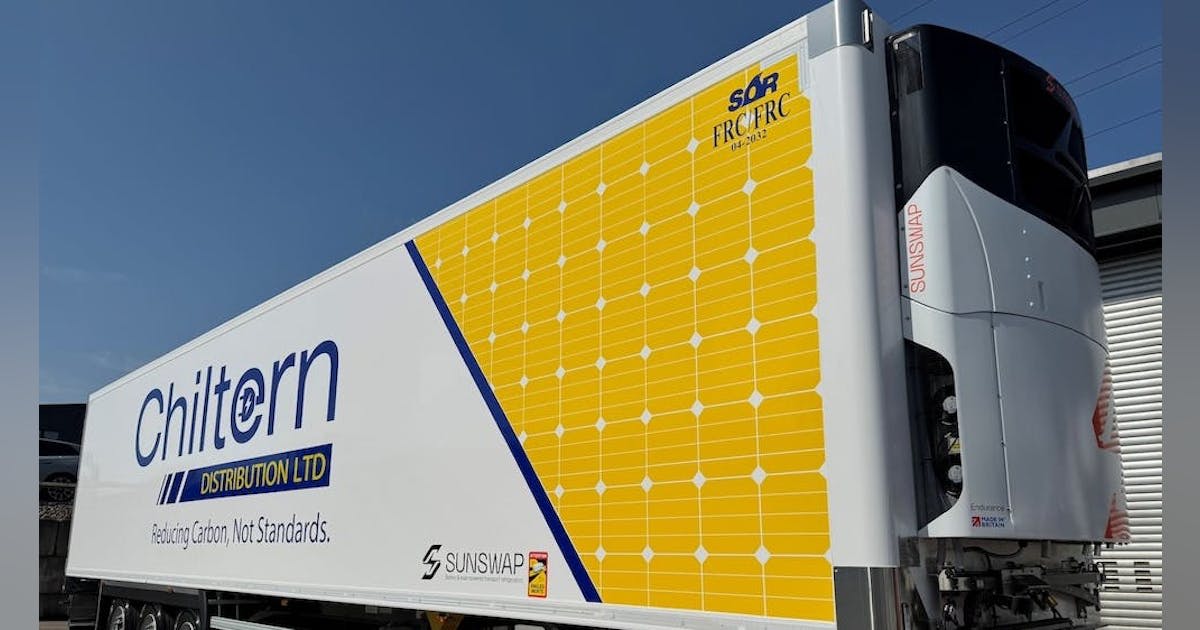
A British cold chain company just slashed refrigeration costs by 81% while eliminating diesel emissions using electric units powered by solar panels. The quiet technology is transforming early-morning pharmaceutical deliveries in residential neighborhoods.

Women suffering from years of chronic neck and back pain are finding lasting relief through a medical procedure that removes excess breast tissue. Board-certified plastic surgeon Dr. Neal Goldberg explains how breast reduction offers more than cosmetic benefits for those with macromastia.

More than 50 countries just joined China in a new partnership to fight global poverty using proven strategies that lifted 800 million people out of extreme need. The collaboration launched in May 2026 marks a major step forward in worldwide poverty reduction efforts.
Hawaii's utilities commission just blocked a utility company from overcharging customers by $308 million for a power plant upgrade. The decision prioritizes affordable energy for residents dealing with the nation's highest electricity costs.
A landmark agreement with pharmacy benefit manager Express Scripts will lower out-of-pocket drug costs for millions of Americans while bringing new revenue to community pharmacies. The changes are expected to save patients up to $7 billion over the next decade.

Seven electric wheel loaders ran for 17,370 hours in New Zealand last year, slashing fuel costs by up to 90% compared to diesel machines. The real-world results prove heavy equipment can go electric without sacrificing performance.
Commercial fleets in South Africa are proving electric vehicles cost 27% less to run than diesel trucks, saving thousands while diesel prices spike to record highs. Major companies like Woolworths and FedEx are leading the charge with zero downtime across 12.5 million kilometres driven.

Three of Japan's biggest companies are joining forces to solve a critical challenge: keeping healthcare affordable as the nation ages. Sumitomo Mitsui Financial Group, Fujitsu, and SoftBank are launching a tech-powered alliance to help contain medical costs expected to surge by 2040.

Vintage newspaper ads from the 1960s reveal a surprising twist: after adjusting for inflation, eggs, butter, and milk actually cost less now than they did 60 years ago. While steak prices have skyrocketed, some grocery staples prove that not everything was cheaper in the "good old days."
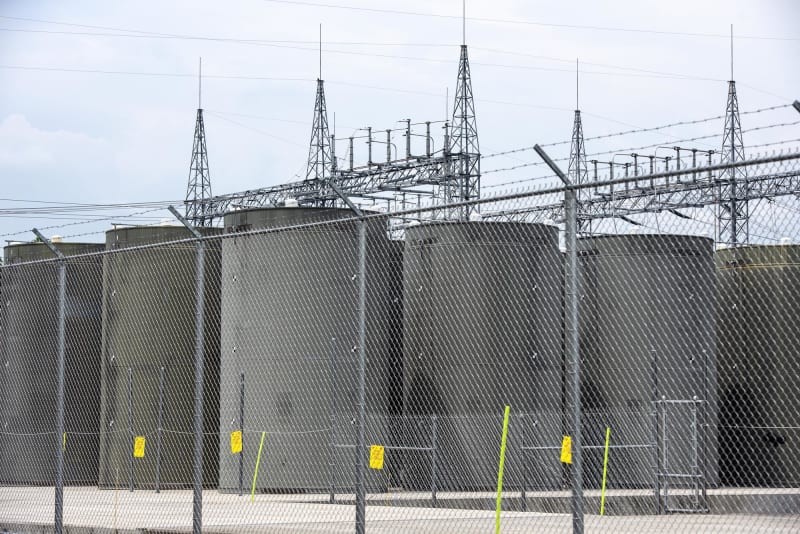
Vermont's governor is supporting a bill that could bring nuclear energy back to the state, aiming to cut electricity costs and speed up clean energy goals. The proposal would rename the state's renewable energy standard to include zero-emission nuclear power alongside solar and wind.
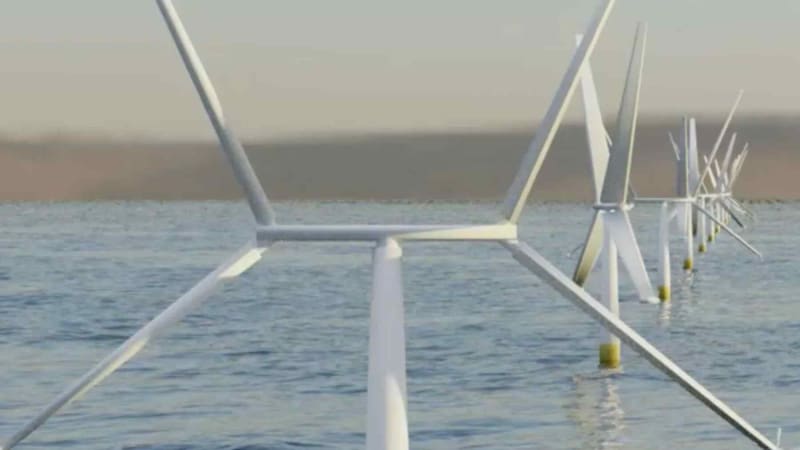
European researchers have designed an X-shaped wind turbine that combines vertical and horizontal rotors to generate more power at lower costs. The innovative design could slash energy bills by up to 30% while producing cleaner electricity.

Thailand is sending 3,800 mobile shops to remote villages where families struggle to afford basic goods. The program pairs discounted essentials with low-interest loans to help farmers manage rising costs.

A new plan to accelerate solar and battery storage across Europe could slash power system costs by 49% and save households billions on energy bills. The ambitious roadmap shows clean energy isn't just good for the planet—it's becoming the affordable choice.
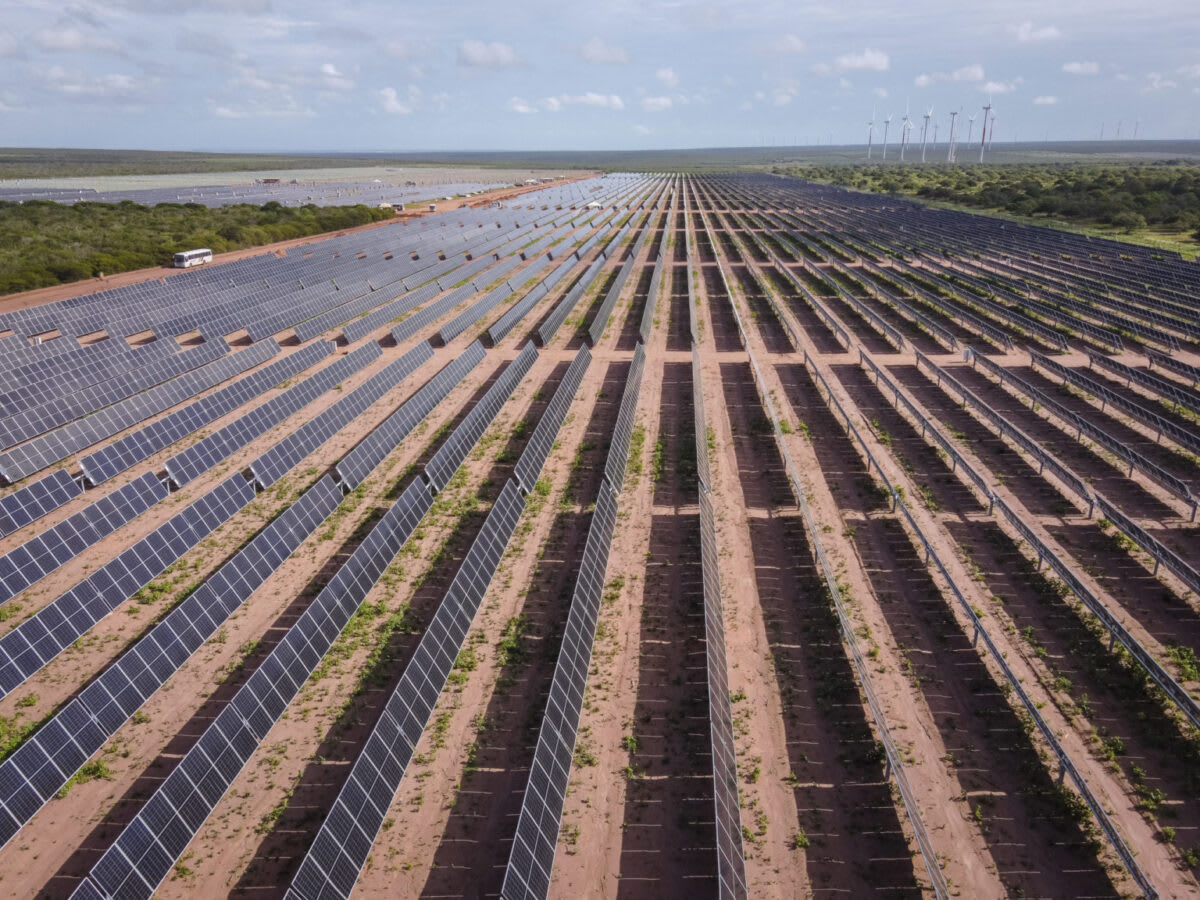
Major Brazilian industries can slash energy costs by nearly a third by building their own solar plants instead of signing traditional power contracts. New research shows direct investment in solar delivers massive savings while powering the country's clean energy future.
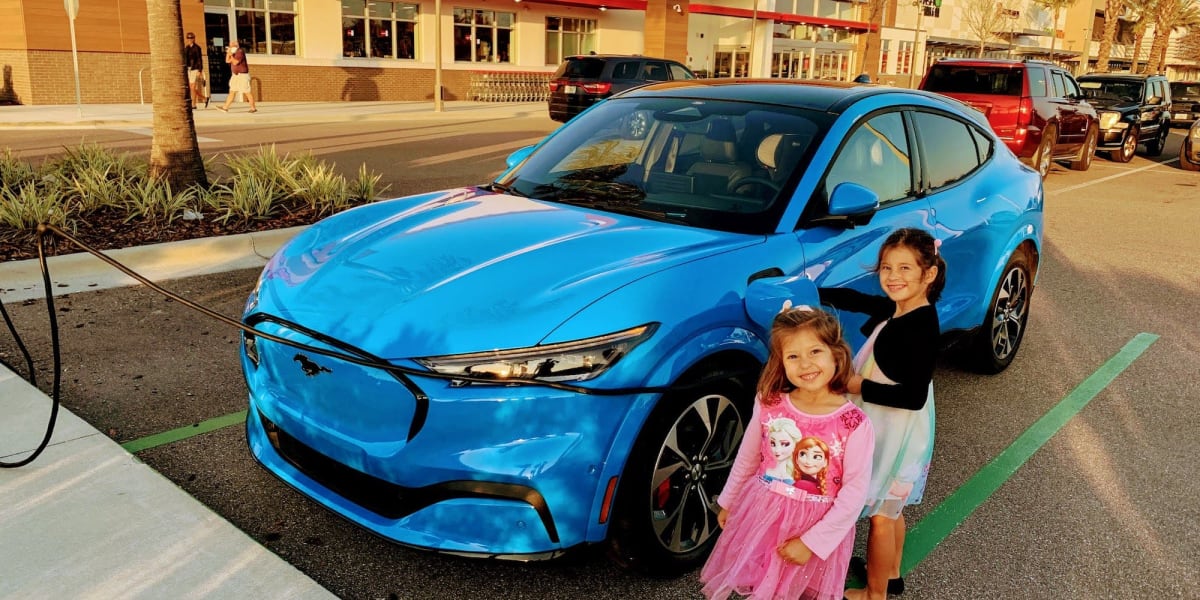
Switching from a gas Ford Escape to an electric Mustang Mach-E could save drivers over $1,300 annually in fuel costs. The difference becomes even more dramatic when electricity prices stay low and gas prices rise.

Perplexity just launched AI software that works entirely on your personal computer, eliminating monthly subscription costs and keeping your private files off the internet. The breakthrough brings powerful AI tools to anyone with a decent gaming computer.

Australian bus companies are slashing operating costs by 72% while cleaning up city air by switching to electric buses. With local manufacturers ready to scale up production, state governments now hold the key to a nationwide green transport revolution. #
Showing 20 of 14281