Search

Find uplifting stories about heroes, innovations, and solutions

20 results for "grapes"

Grapes May Protect Skin From Sun Damage, Study Finds
Health & Wellness2h ago

Grapes May Protect Skin From Sun Damage, Study Finds

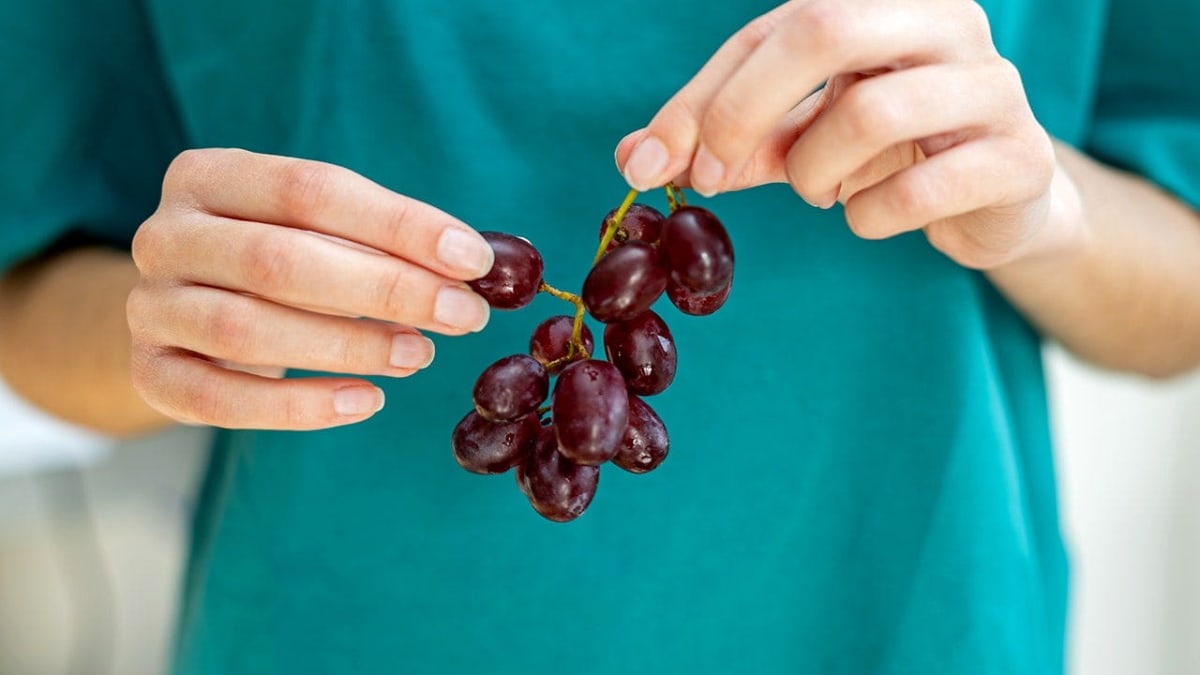
Eating grapes could give your skin an extra defense against sun damage by changing how your genes work. Scientists found that people who ate three servings of grapes daily showed less cellular damage after UV exposure.

Fox News Health2 min read
Eating Grapes for 2 Weeks Boosts Skin's UV Protection
Health & Wellness4d ago

Eating Grapes for 2 Weeks Boosts Skin's UV Protection

Scientists discovered that eating three servings of grapes daily for just two weeks changed how human skin cells respond to sun damage. The simple dietary change helped volunteers' skin produce natural UV-protective layers and reduce signs of sun damage.

Google News - Researchers Find2 min read
Waterloo Researchers Find Safer Alzheimer's Treatment
Health & WellnessApr 10

Waterloo Researchers Find Safer Alzheimer's Treatment

Scientists discovered that combining natural molecules from grapes and turmeric with existing drugs treats Alzheimer's more safely and effectively. This breakthrough could help nearly a million Canadians expected to have dementia by 2030.

Google News - Disease Cure2 min read
Grape Compound Doubles Alzheimer's Treatment Success
Health & WellnessApr 9

Grape Compound Doubles Alzheimer's Treatment Success

Scientists discovered that combining natural compounds found in grapes and berries with existing Alzheimer's drugs could make treatments safer and more effective. The breakthrough could help nearly a million Canadians expected to face dementia by 2030.

Google News - New Treatment2 min read
South Africa Opens New Grape Trade Route to Philippines
SolutionsMar 30

South Africa Opens New Grape Trade Route to Philippines

South African table grapes just arrived in the Philippines for the first time ever, opening a fresh market of 118 million potential customers. This breakthrough took years of careful negotiation and could mean big opportunities for farmers back home.

Regional: south africa breakthrough (ZA)2 min read
600-Year-Old Grape Seed Matches Modern Pinot Noir DNA
Planet WinsMar 26

600-Year-Old Grape Seed Matches Modern Pinot Noir DNA

Scientists discovered a grape seed in a medieval French hospital that's genetically identical to the pinot noir grapes we enjoy today. The finding reveals winemakers have been growing perfect photocopies of the same beloved grape for six centuries.

Smithsonian2 min read
600-Year-Old Grape Seed Links Medieval Wine to Today's Pinot
Planet WinsMar 26

600-Year-Old Grape Seed Links Medieval Wine to Today's Pinot

Scientists discovered a grape seed in a 15th-century French toilet that's genetically identical to grapes used in modern pinot noir wine. The finding proves winemakers have preserved the same grape varieties for six centuries.

Regional: france breakthrough discovery (FR)3 min read
Arlington Man Caught Grapes from 788 Feet Up
Daily MixMar 22

Arlington Man Caught Grapes from 788 Feet Up

Paul Tavilla turned his unusual talent for catching grapes in his mouth into world records, charity work, and national TV fame. The Boston-area produce dealer caught grapes from distances reaching nearly 800 feet, bringing smiles to millions along the way.

Google News - World Record2 min read
Pompeii Revives 2,000-Year-Old Wine Tradition
Planet WinsMar 22

Pompeii Revives 2,000-Year-Old Wine Tradition

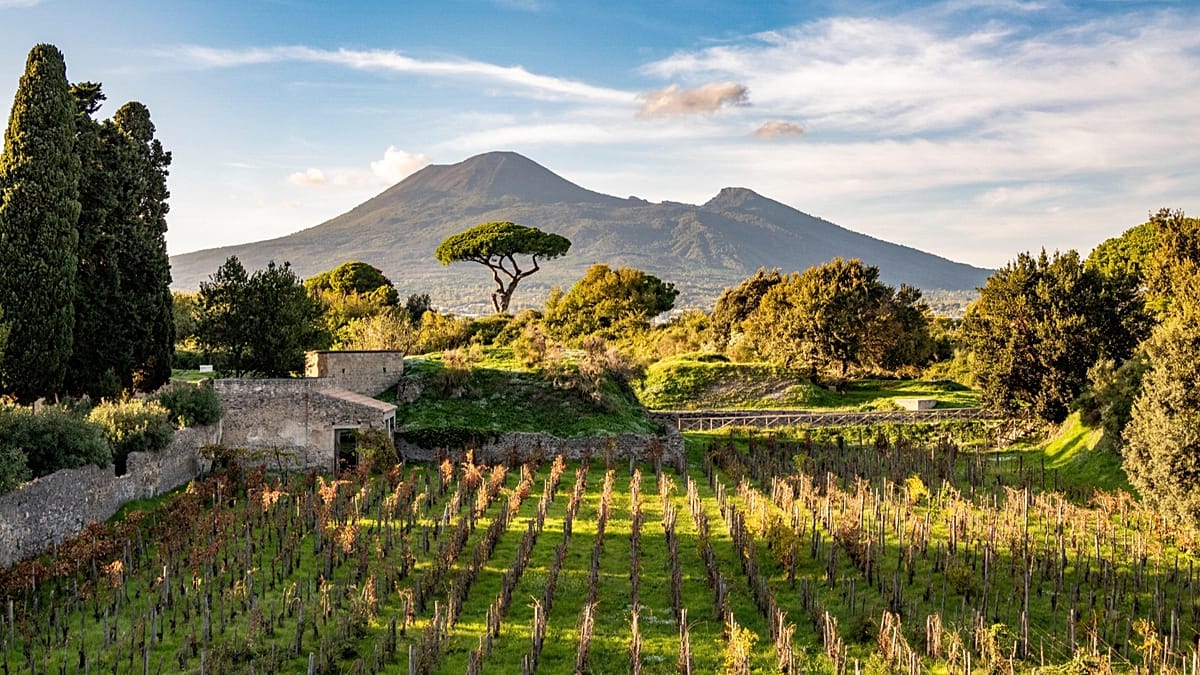
Ancient vineyards are growing again among the ruins of Pompeii, bringing history back to life while funding site preservation. The first bottles from grapes grown inside the archaeological park will go on sale soon.

Euronews2 min read
Bonobo Named Kanzi Could Imagine, Scientists Discover
VideosMar 18

Bonobo Named Kanzi Could Imagine, Scientists Discover

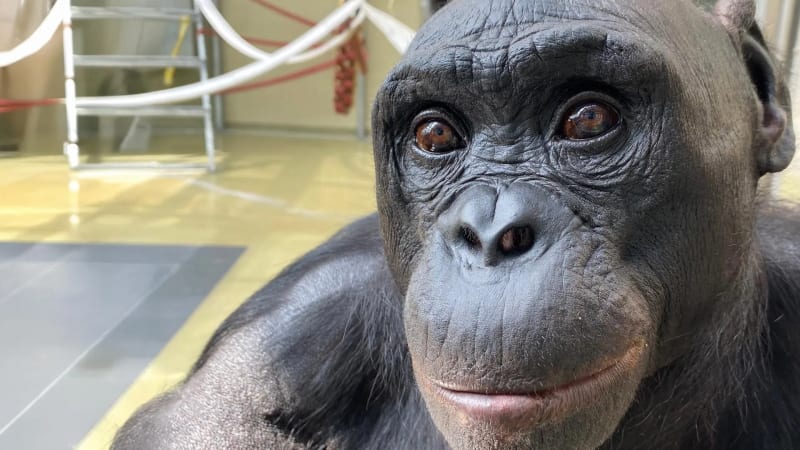
A bonobo who could use symbols to communicate just proved that imagination isn't uniquely human. Kanzi tracked pretend juice and grapes in experiments, showing that great apes may have been imagining things for millions of years.

Mongabay3 min read
California Wine Label Puts Vineyard Workers First
Acts of KindnessMar 18

California Wine Label Puts Vineyard Workers First

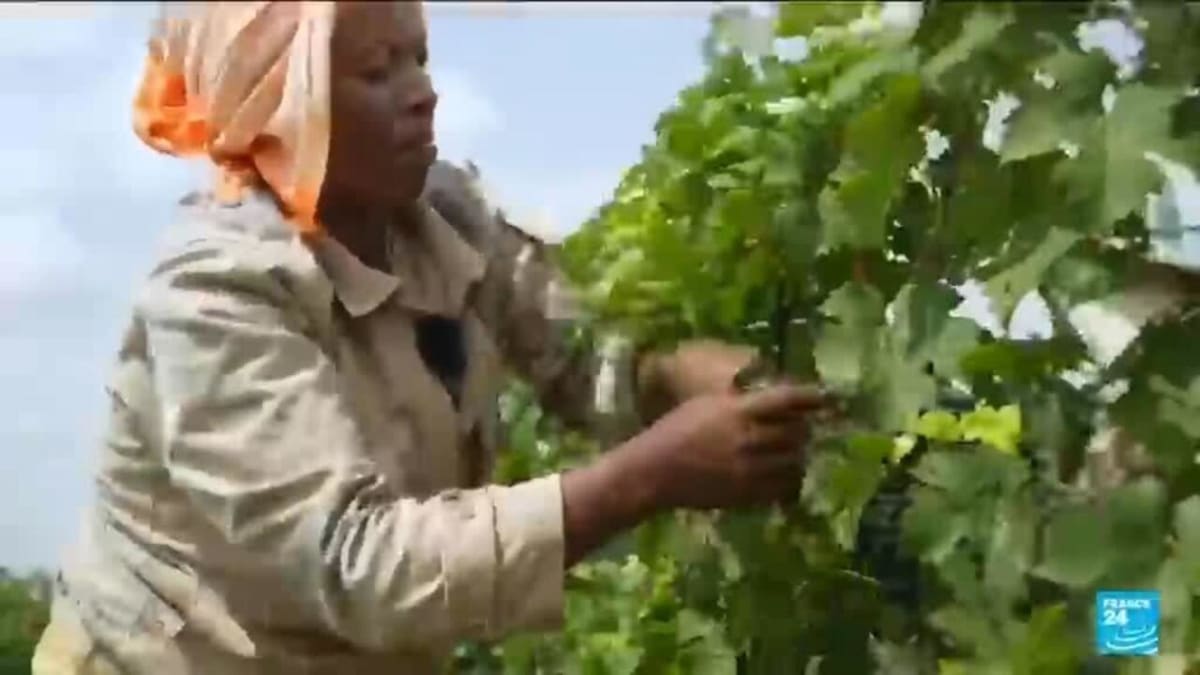
A California winemaker has created the first wine label that celebrates the people who pick the grapes instead of just the grapes themselves. Guardian Vital wines require ethical labor practices and chemical-free farming to protect workers facing dangerous heat and unsafe conditions.

Inside Climate News2 min read
Chile's Desert Seed Vault Guards 4,655 Plant Species
Planet WinsFeb 17

Chile's Desert Seed Vault Guards 4,655 Plant Species

Deep beneath the Atacama Desert, Chile's largest seed bank is preserving the country's entire botanical heritage in an earthquake-proof freezer. The Initihuasi facility protects everything from rare flowering cacti to wine grapes, ensuring these plants survive no matter what challenges lie ahead.

Good News Network2 min read
Bonobo Named Kanzi Plays Pretend in Groundbreaking Study
VideosFeb 16

Bonobo Named Kanzi Plays Pretend in Groundbreaking Study

A 43-year-old bonobo successfully tracked invisible juice and imaginary grapes in controlled experiments, proving apes can use imagination. Scientists say this discovery challenges what we thought made humans special.

Google News - Science3 min read
Bonobo Kanzi Uses Imagination in Tea Party Experiments
InnovationFeb 11

Bonobo Kanzi Uses Imagination in Tea Party Experiments

A 43-year-old bonobo successfully tracked imaginary juice and grapes during pretend play experiments, proving imagination may not be uniquely human. The discovery could reshape our understanding of animal minds and evolution.

Science Daily2 min read
Bonobo Kanzi Played Make-Believe in Tea Party Study
Global NewsFeb 9

Bonobo Kanzi Played Make-Believe in Tea Party Study

Scientists discovered that apes can imagine and play pretend, just like human children do. A famous bonobo named Kanzi tracked imaginary juice and grapes in groundbreaking experiments that reveal our closest relatives have richer minds than we knew.

Google News - Science3 min read
Bonobo Kanzi Played Pretend Just Like Human Toddlers
Global NewsFeb 6

Bonobo Kanzi Played Pretend Just Like Human Toddlers

A bonobo named Kanzi could track imaginary juice and grapes during pretend tea parties, proving for the first time that our closest relatives share a mental ability scientists thought only humans possessed. This discovery suggests our capacity for imagination evolved over 6 million years ago.

Live Science2 min read
Scientists Prove Apes Can Imagine and Play Pretend
InnovationFeb 6

Scientists Prove Apes Can Imagine and Play Pretend

A 43-year-old bonobo named Kanzi played an imaginary tea party with researchers, pointing to cups of pretend juice and bowls of invisible grapes. The groundbreaking study proves that imagination isn't uniquely human after all.

Euronews3 min read
Apes Can Imagine: Bonobo Aces Pretend Tea Party Tests
Planet WinsFeb 6

Apes Can Imagine: Bonobo Aces Pretend Tea Party Tests

Scientists discovered that apes can use their imagination and play pretend, a mental ability long thought uniquely human. A 43-year-old bonobo named Kanzi correctly tracked imaginary juice and grapes during tea party experiments, proving apes have rich mental lives beyond the present moment.

Google News - Science3 min read
Australian Farmers Use Grape Sunscreen to Beat Heat Wave
InnovationJan 29

Australian Farmers Use Grape Sunscreen to Beat Heat Wave

As temperatures hit 44°C across inland New South Wales, farmers are getting creative to protect their animals and crops. From clay-based sunscreen for grapes to midnight livestock sales, Australian agriculture is adapting to extreme heat.

ABC Australia3 min read
Plant-Based Fungicide Saves France's Struggling Vineyards
InnovationJan 26

Plant-Based Fungicide Saves France's Struggling Vineyards

After France banned copper pesticides that protected wine grapes, a new plant-based fungicide offers hope to an industry devastated by climate-driven mildew outbreaks. The sustainable solution could rescue vineyards facing their smallest harvest in a century.

Euronews3 min read