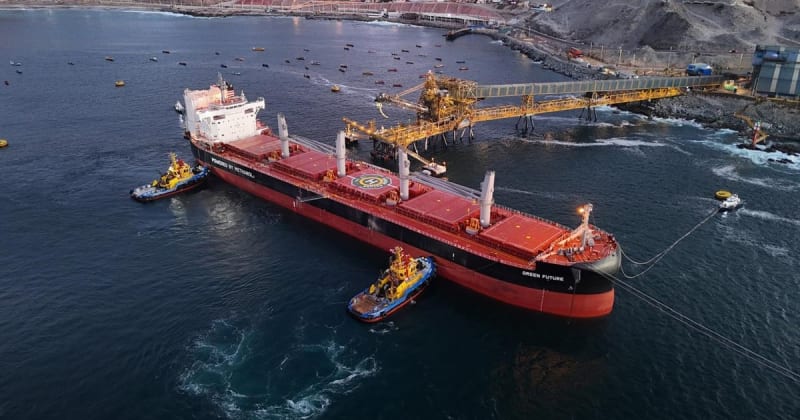
Cargo Ship Cuts Emissions 65% Using Methanol Fuel
A cargo ship transporting copper just proved that cleaner ocean shipping is possible today, not decades away. The Green Future achieved a 65% emissions cut using methanol instead of traditional fuel.
Find uplifting stories about heroes, innovations, and solutions
7402 results for "methanol fuel"
A cargo ship transporting copper just proved that cleaner ocean shipping is possible today, not decades away. The Green Future achieved a 65% emissions cut using methanol instead of traditional fuel.
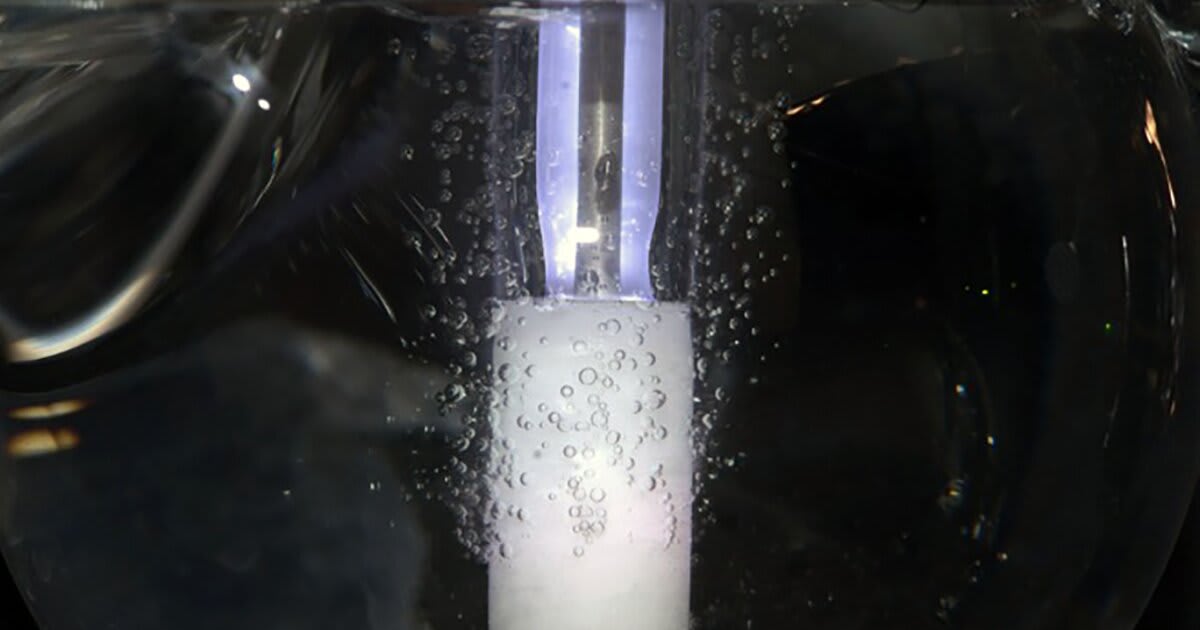
Northwestern University researchers have created a breakthrough system that uses electricity to generate plasma—like bottled lightning—transforming methane gas into clean-burning methanol in a single step. This innovation could eliminate the need for extreme heat and pressure while converting a potent greenhouse gas into valuable fuel.
Houston-based Transition Industries just secured the final piece needed to build what will become the world's largest ultra-low carbon methanol facility on Mexico's Pacific coast. Construction starts soon on the $3.3 billion plant that promises to transform clean fuel production while creating over 6,000 jobs.

Chinese researchers just solved a problem that's stumped scientists for decades, turning carbon pollution into clean fuel three times faster than before. The breakthrough could help recycle CO2 emissions while producing methanol, a fuel that powers everything from ships to everyday products.

Singapore is building a facility that will produce 100,000 tons of sustainable aviation fuel annually, helping Asia's aviation industry shift away from carbon-heavy jet fuel. The plant on Jurong Island could make Singapore the region's leading green aviation fuel hub. #

LPG fuel costs half the price of petrol and produces fewer emissions, yet it's vanishing from Australian roads. Now some motorists are asking why this locally produced alternative isn't part of the conversation about fuel security.
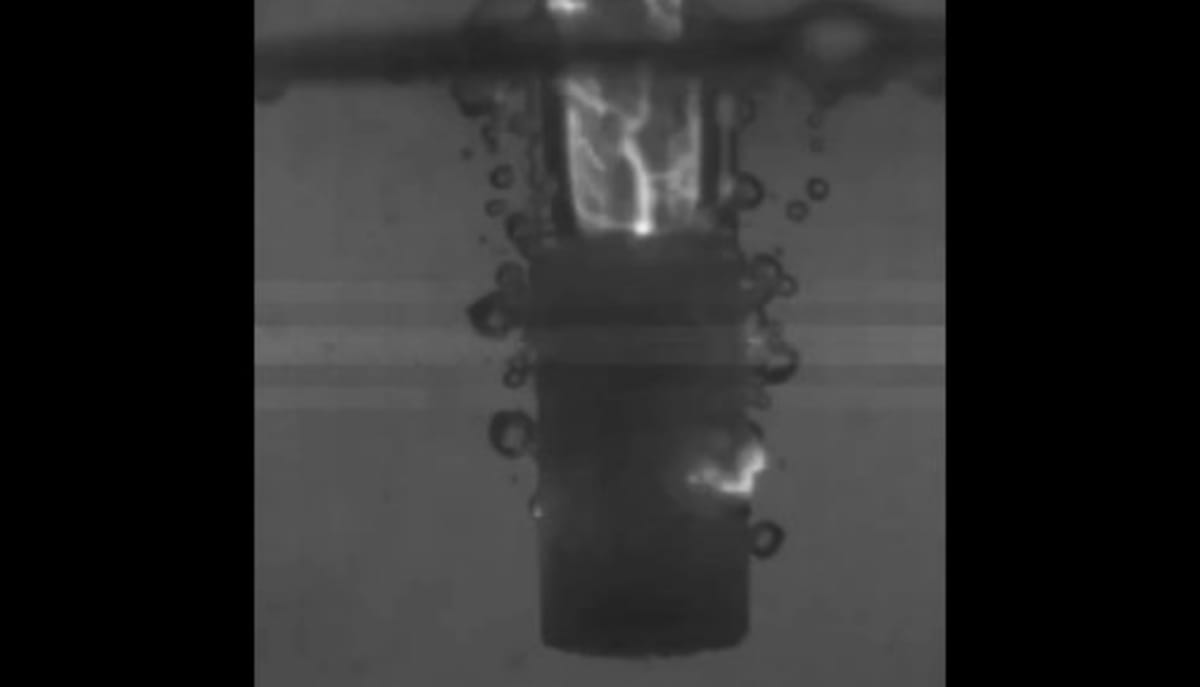
Researchers at Northwestern University created a breakthrough "bubble reactor" that uses miniature lightning bolts to transform methane into clean-burning methanol in a single step. The innovation could slash carbon emissions from fuel production while capturing harmful methane leaks.

A groundbreaking study shows renewable methanol could dramatically cut greenhouse gas emissions from ships, offering the maritime industry a clear path toward cleaner oceans. The research evaluated 15 different production methods and found some can deliver substantial carbon reductions.
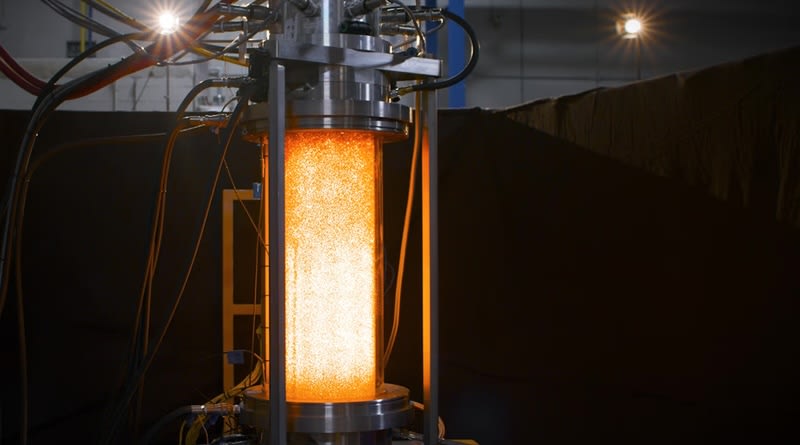
A Houston company just cracked the code on turning landfill gas into clean jet fuel using light instead of fire. Their first commercial plant in Uruguay will cut aviation emissions by 90% while making fuel cheaper than the fossil version.

A Swiss company just secured nearly €2 million to build Europe's first commercial plant turning renewable methanol into jet fuel that cuts emissions by 90%. Production starts in 2030 at Rotterdam's port, marking a major step toward decarbonizing air travel.
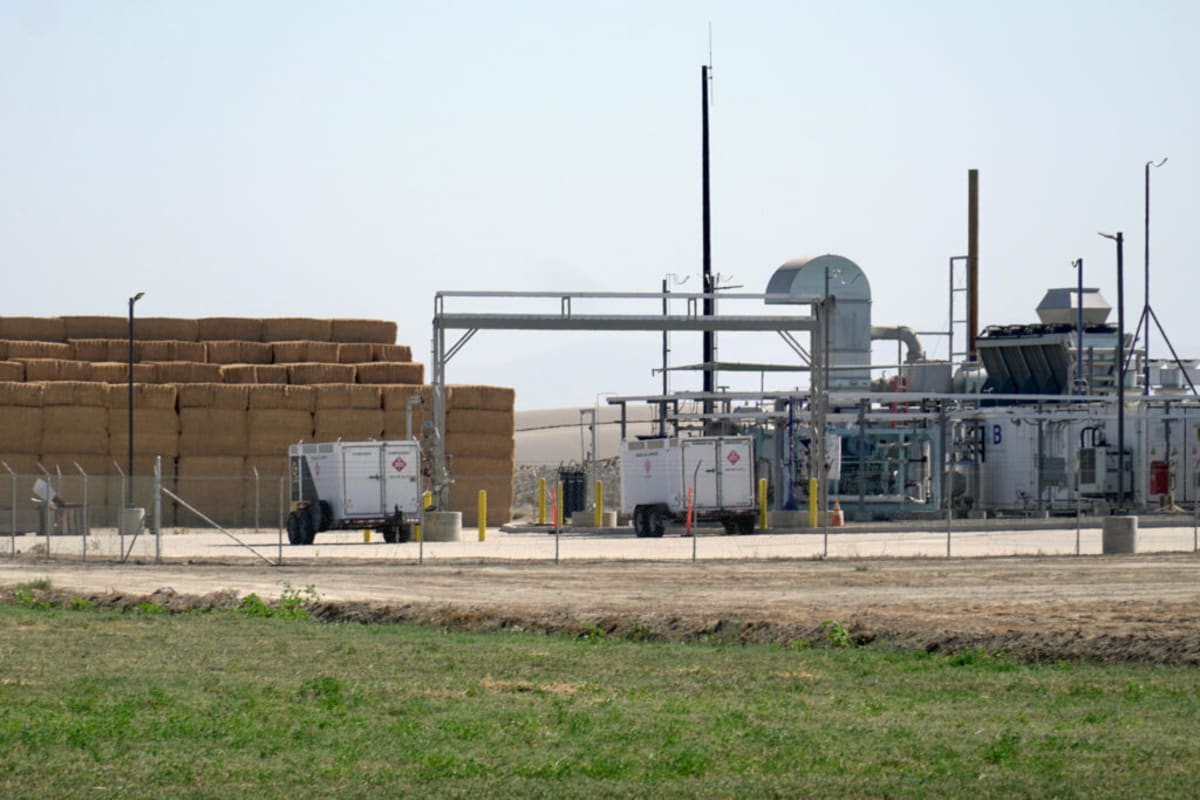
A California dairy farm is making history by turning methane from cow waste into hydrogen fuel, earning the state's lowest carbon rating ever. The groundbreaking project shows how agriculture can help power cleaner transportation.
Vietnam is making major moves to produce cleaner airplane fuel that could transform air travel across Southeast Asia. The country's new policies and investments signal a breakthrough for green aviation.

Researchers discovered a breakthrough form of clean energy material by tracking what happens during heating, revealing hidden "in-between" stages that could power better solar fuels and batteries. The unexpected find shows that the journey from raw ingredients to finished product matters just as much as the destination.

A new fuel cell platform can now power data centers and factories without burning fossil fuels, running on hydrogen or biofuels with 75% efficiency. The technology works like a battery that never needs charging, converting fuel directly into electricity without harmful emissions.

Scientists at Oak Ridge National Laboratory created a breakthrough method that turns ethanol into jet fuel in just one step, potentially making sustainable aviation fuel affordable enough for airlines worldwide. The technology could help meet aviation's massive fuel needs while cutting emissions.

Singapore is building Asia's largest sustainable aviation fuel plant that will produce 100,000 tons of eco-friendly jet fuel annually. The facility uses breakthrough technology that turns waste into fuel ready to power planes without any blending required.
A Chilean forestry company is turning sawdust into jet fuel, partnering with local gas distributors and German engineers to create sustainable aviation fuel from forest waste and renewable hydrogen. The circular economy project could produce 300 tons of clean fuel annually starting in 2027.

The Gambia brought together fuel industry leaders, regulators, and consumer advocates to build a roadmap for safer, higher-quality fuel nationwide. The move promises cleaner air, better engines, and stronger ties with neighboring countries.

Australia is preparing to double its emergency fuel supply to 60 days, ensuring the nation can withstand global oil crises. The $800 million plan would add over 1 billion litres of storage for petrol, diesel, and jet fuel.

Deep beneath Michigan's surface lies geologic hydrogen, a naturally occurring clean fuel that could power ships and trucks without emissions. Governor Whitmer just launched an initiative to tap this billion-year-old energy source that requires far less energy to extract than manufacturing hydrogen from scratch.
Showing 20 of 7402