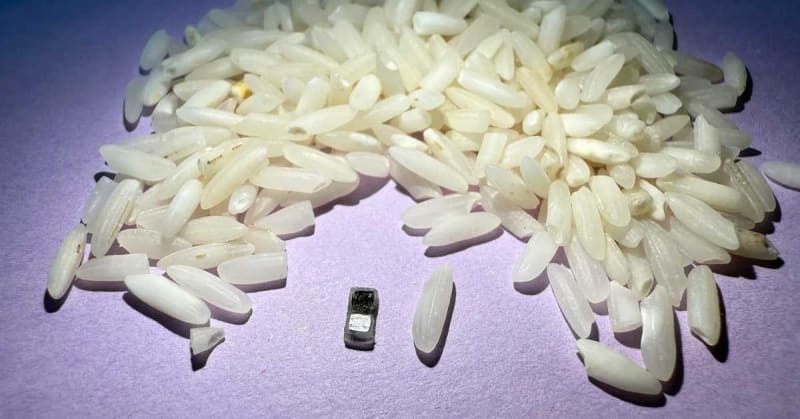
Rice-Sized Pacemaker Dissolves After Saving Baby Hearts
A tiny pacemaker smaller than a grain of rice can now save babies born with heart defects without risky removal surgery. The device dissolves naturally after seven critical days of healing.
Find uplifting stories about heroes, innovations, and solutions
69 results for "pacemaker"
A tiny pacemaker smaller than a grain of rice can now save babies born with heart defects without risky removal surgery. The device dissolves naturally after seven critical days of healing.
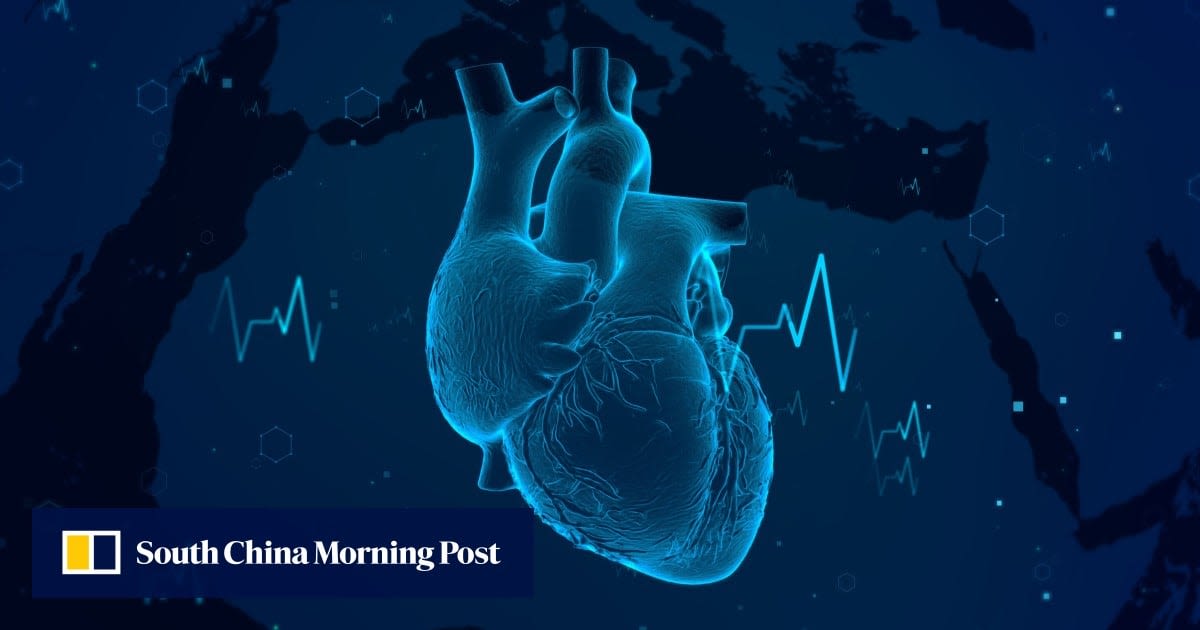
Scientists in Shanghai created the world's first laboratory-grown sinoatrial node, the tiny structure that acts as your heart's natural pacemaker. The beating organoid could revolutionize how doctors treat dangerous heart rhythm problems.
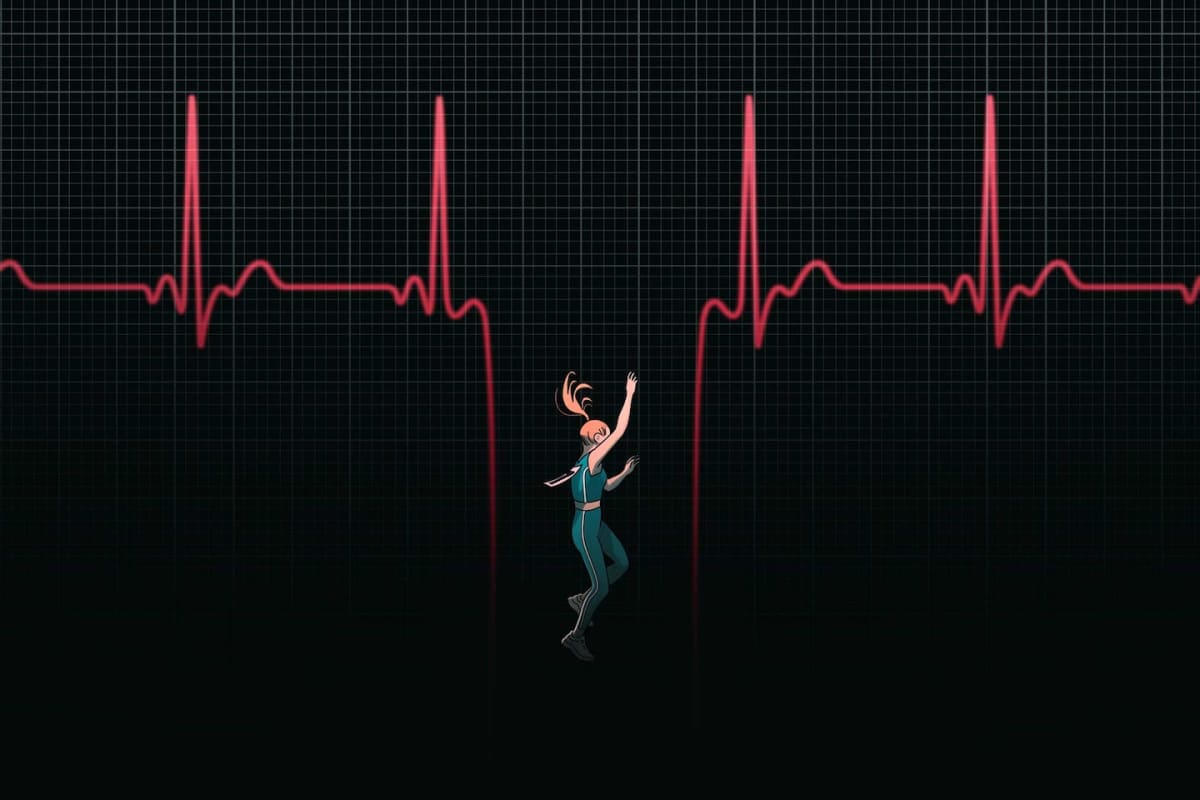
Janet Mercel fainted three times a week for decades before a simple tilt table test finally revealed the dangerous heart condition doctors had missed. Now a tiny pacemaker has given her the freedom to live without fear.
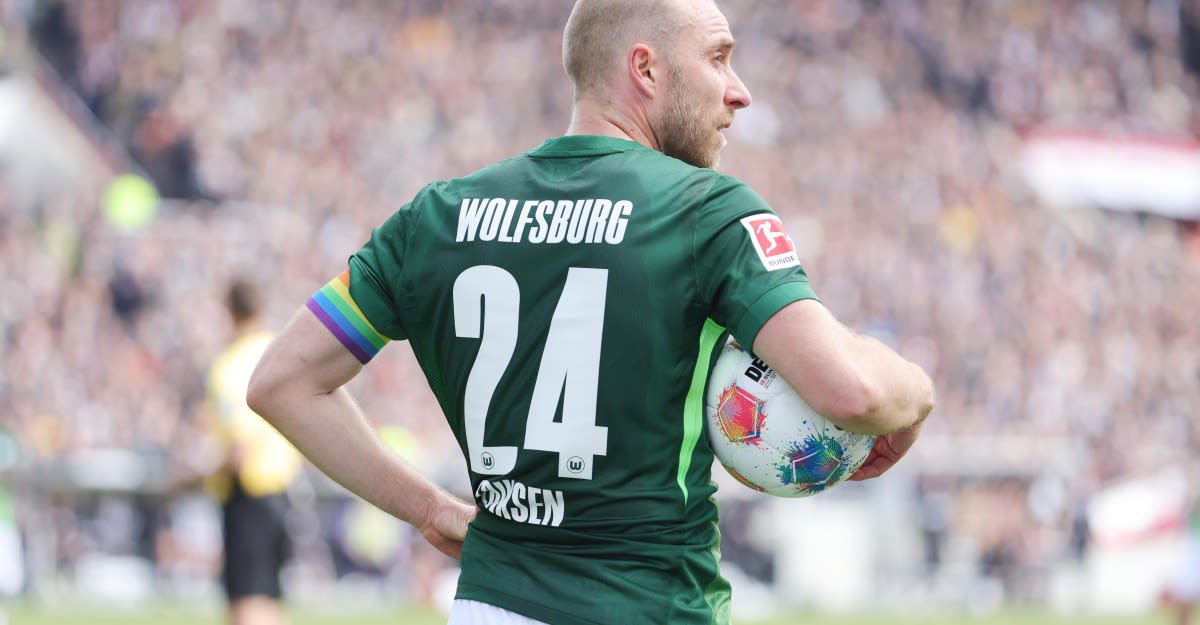
Former Tottenham midfielder Christian Eriksen is recovering at home after his pacemaker successfully activated during a cardiac incident on the field. The device worked exactly as designed, five years after his first on-field heart emergency.
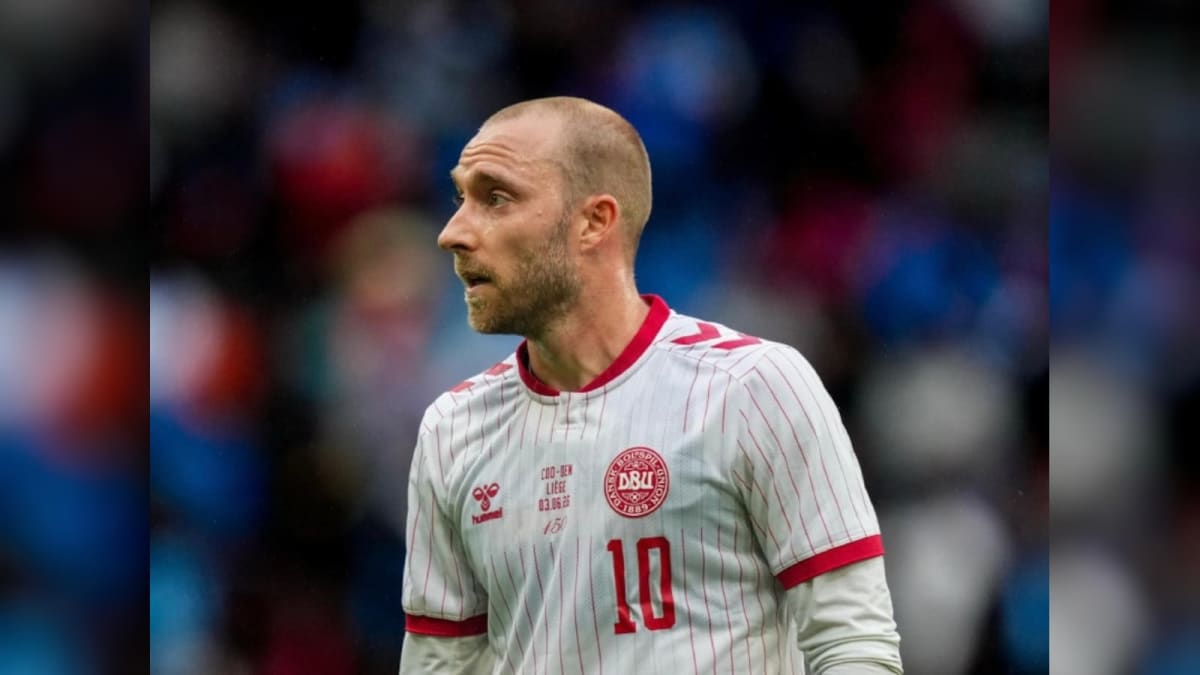
Danish footballer Christian Eriksen reassured fans he's home and recovering after his implanted heart device activated during a friendly match, causing him to briefly lose consciousness. Five years after his cardiac arrest shocked the world, his life-saving technology worked exactly as designed.

When two-year-old Briar Curtis's heart stopped for two minutes during a seizure, a tiny implanted monitor caught it—thanks to research that discovered a surprising link between epilepsy and deadly heart problems. Now she's thriving in preschool with energy her mom never thought possible.
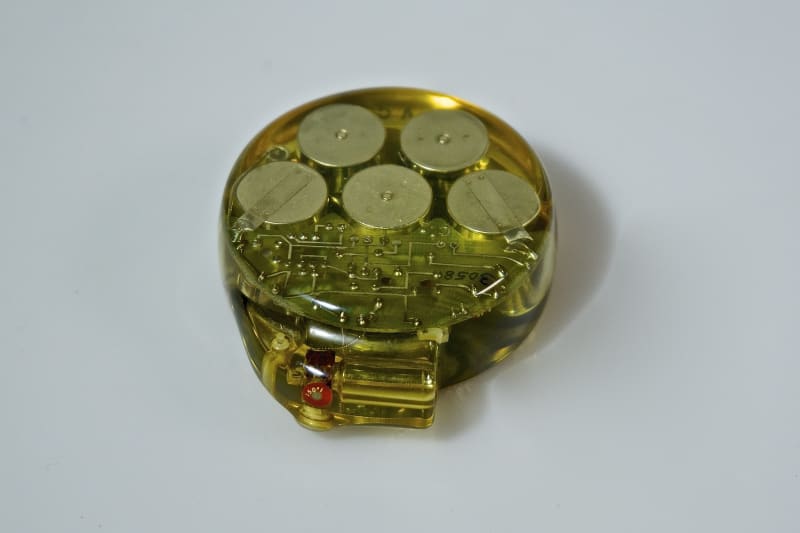
Colombia quietly revolutionized global healthcare with devices now used in hospitals worldwide. From brain pressure valves to early pacemakers, these life-saving inventions came from a country better known for coffee than medical breakthroughs.

Danish footballer Christian Eriksen is resting at home in good spirits after collapsing during a match on Sunday, reassuring fans this incident differs from his 2021 cardiac arrest. His pacemaker worked exactly as designed, and doctors confirm he's receiving excellent care.
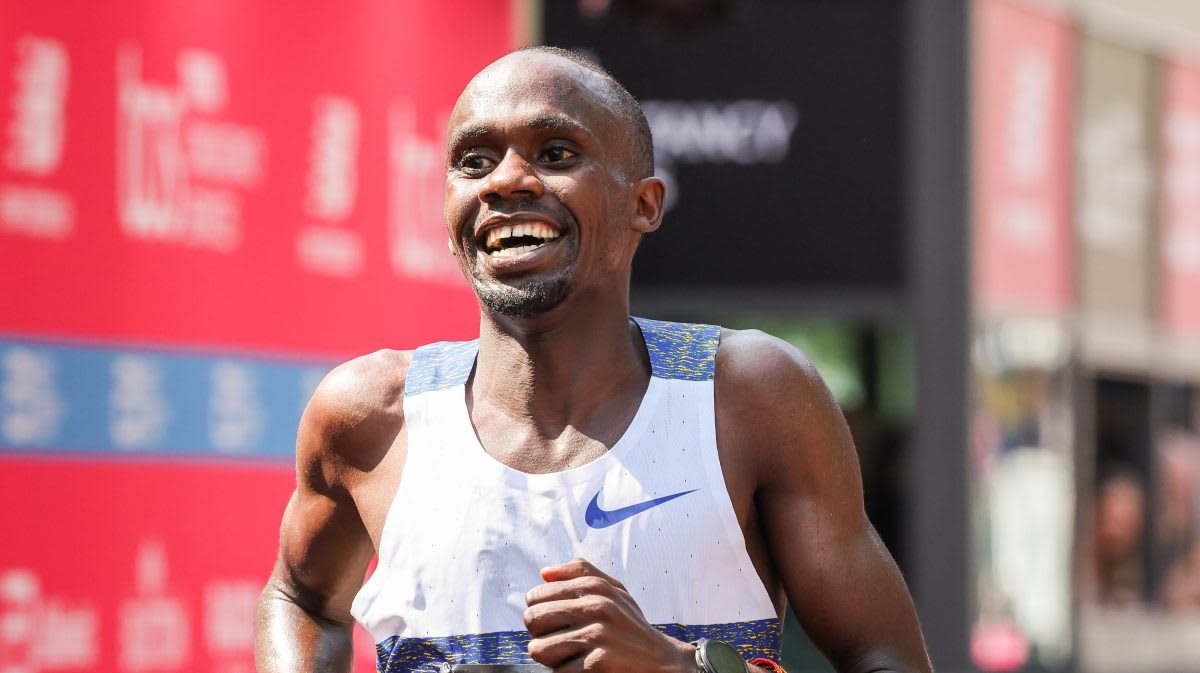
Uganda's Jacob Kiplimo reclaimed the half marathon world record with a stunning 57:20 run in Lisbon, months after his previous record was disqualified on a technicality. Running without pacemakers, the three-time world cross-country champion proved his speed was genuine and set a new mark for the sport.
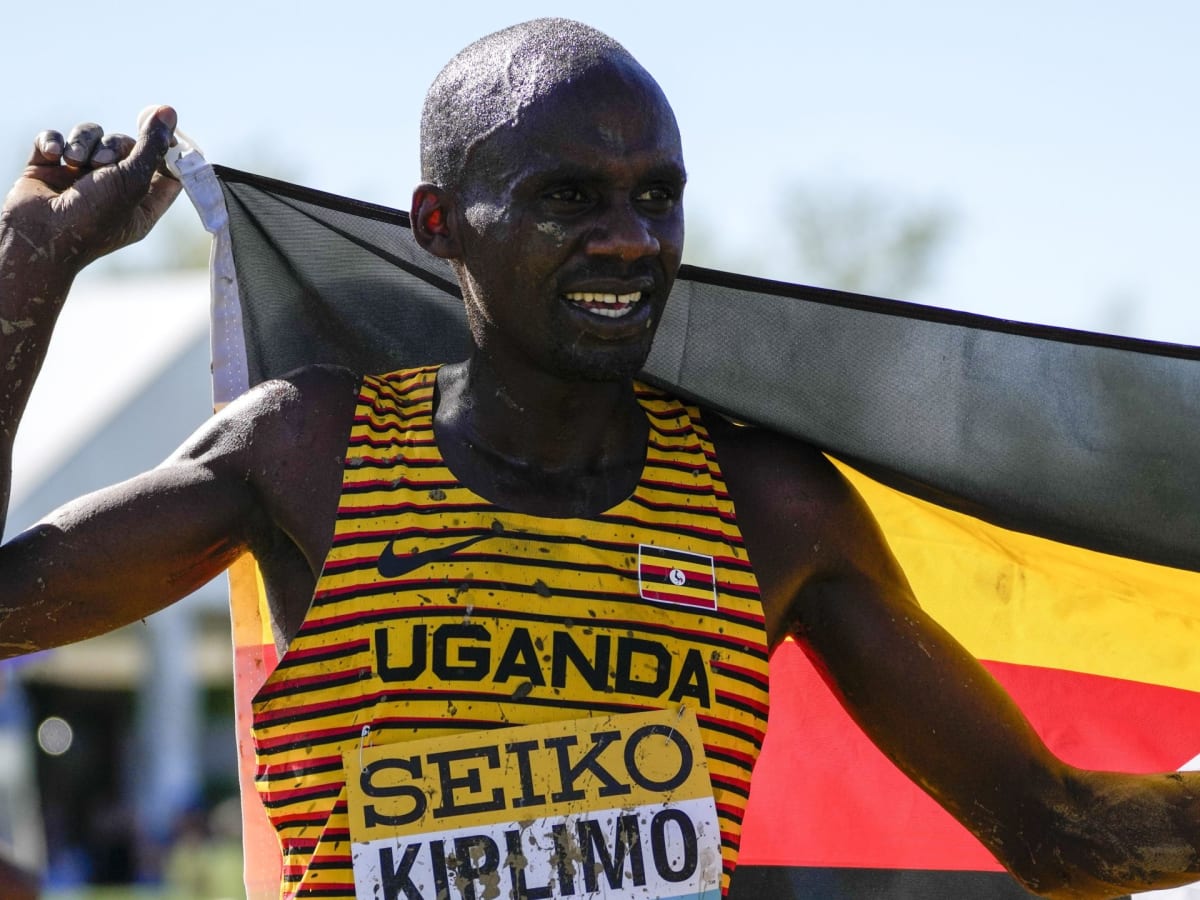
Jacob Kiplimo just ran 13.1 miles faster than any human ever has, shaving 10 seconds off the half-marathon world record in Lisbon. The Ugandan champion blazed through the course in 57 minutes and 20 seconds without pacemakers.
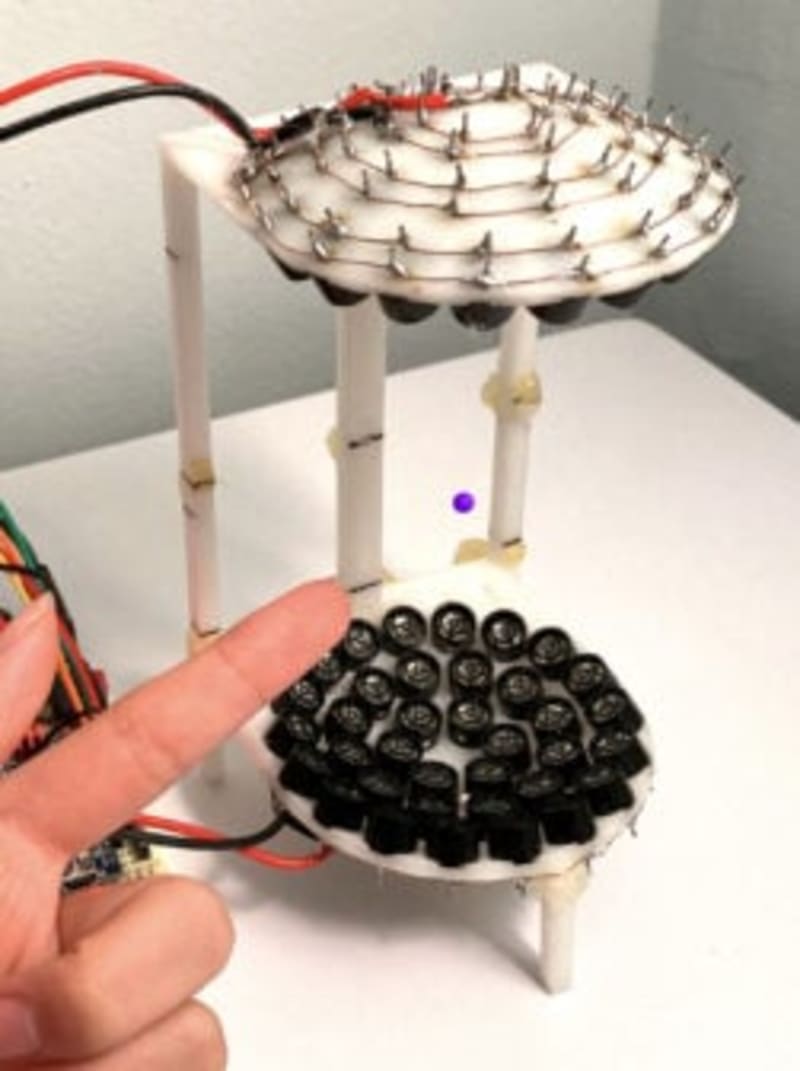
Physicists at New York University have created time crystals you can hold in your hand—made from styrofoam beads that float on sound waves and defy Newton's laws of motion. This breakthrough could unlock insights into everything from heart pacemakers to financial markets.
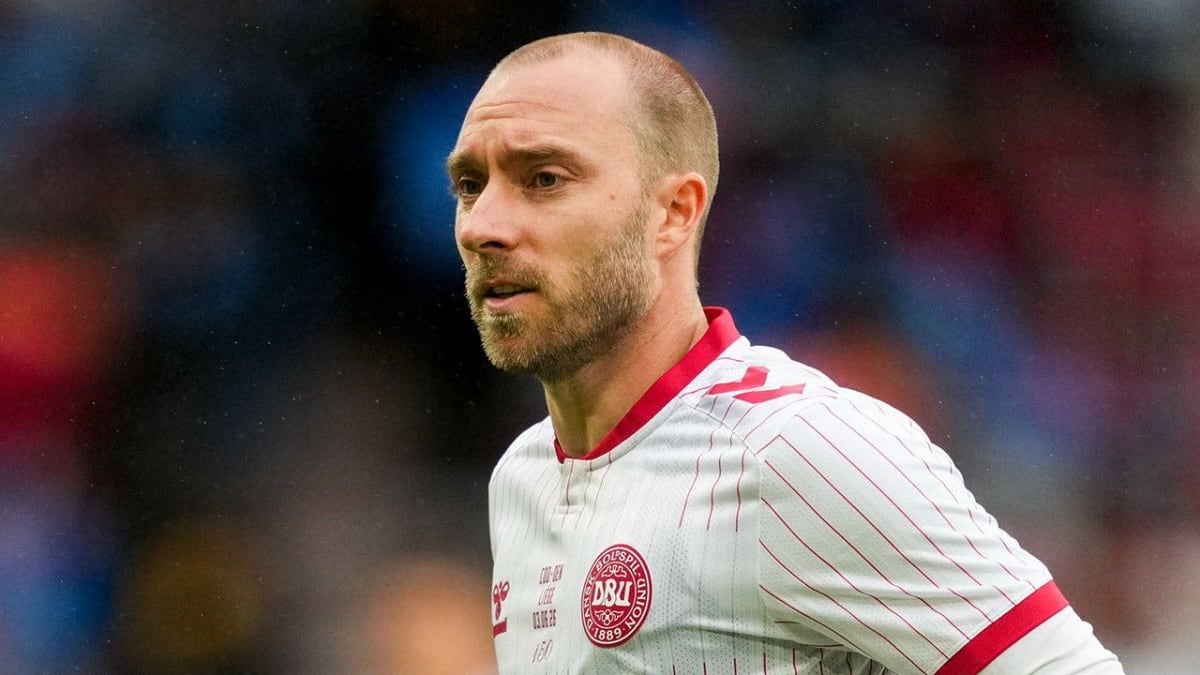
Danish footballer Christian Eriksen collapsed during a match with Ukraine but quickly regained consciousness, with his pacemaker working properly. Five years after suffering cardiac arrest on the pitch, the 34-year-old sent word he's doing well and thanks teammates for their support.

Olympic triathlon champion Alex Yee will pace his friend Emile Cairess at the London Marathon as he attempts to break Britain's marathon record. The two elite athletes are repaying each other's support in a heartwarming display of sportsmanship.

Kenyan athlete Sabastian Sawe just made history at the 2026 London Marathon, becoming the first person ever to run a marathon in under two hours during an actual race. What was once thought impossible is now reality.

Thonakal Gopi showed up to pace another runner for 30 kilometers at his first marathon in 2016. He kept going, qualified for the Rio Olympics, and just became India's second-fastest marathoner ever at age 37.
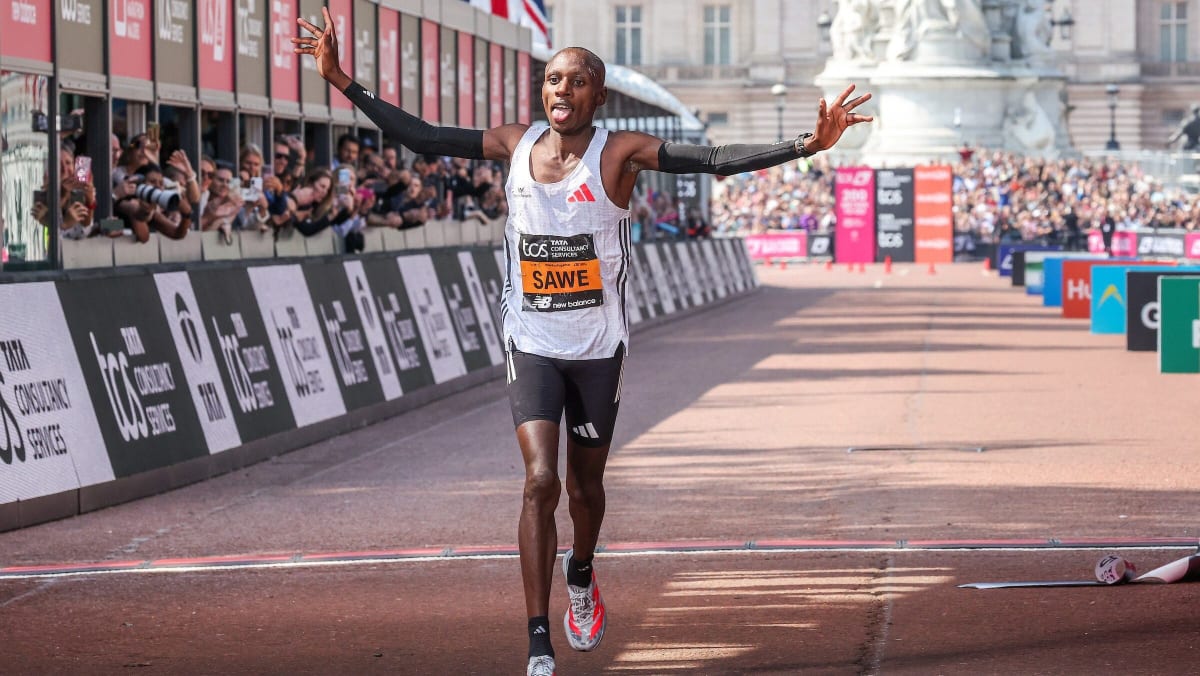
Kenya's Sabastian Sawe became the first person in history to run a marathon in under two hours at a record-eligible race, finishing in 1:59:30 at the London Marathon. World Athletics just officially ratified his groundbreaking achievement along with seven other world records set this year.
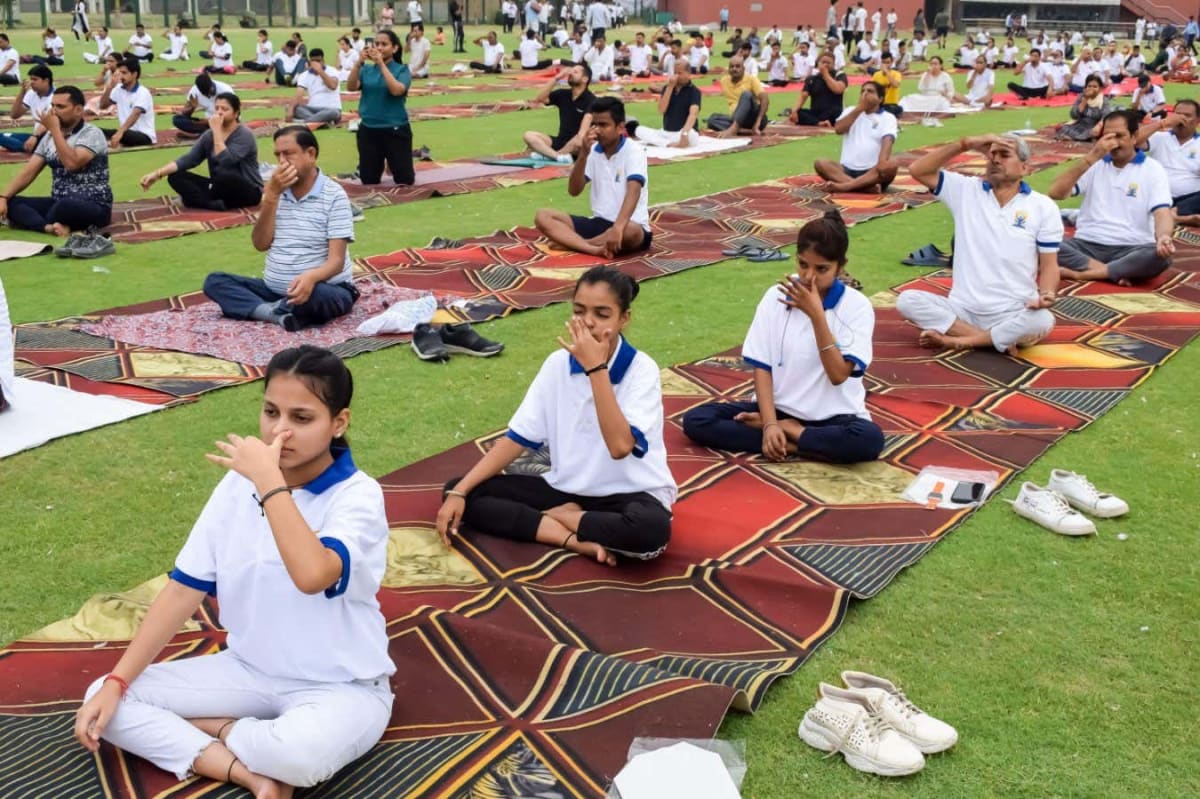
Scientists proved slow breathing reduces anxiety even when you're not thinking about it. A UCLA study using mice shows it's a brain-wired response, not just a placebo effect.

A 22-year-old Swiss athlete just ran the third-fastest women's 800m in history, edging closer to breaking a world record that's stood since 1983. The race is on to see who'll finally topple one of track and field's oldest records.
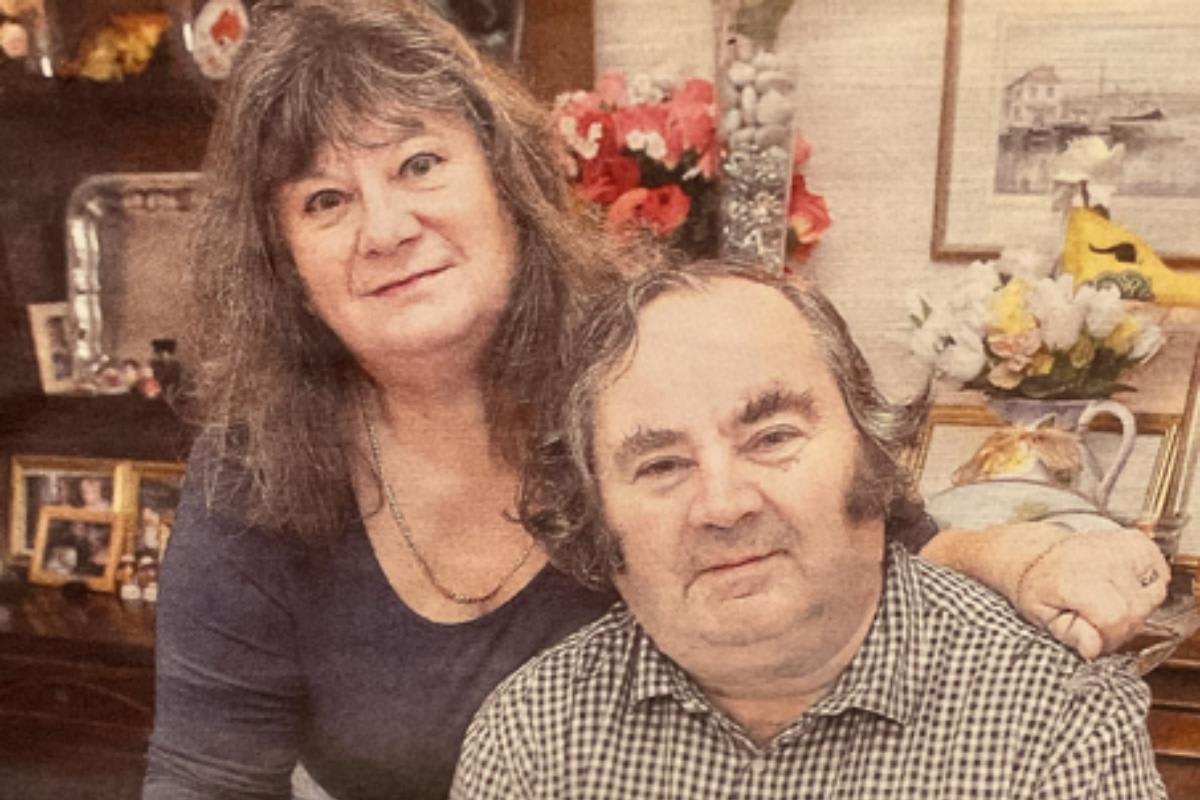
A Southampton couple donated £6,000 to cardiac charity Heartbeat after receiving life-saving heart failure treatment. The gift will help renovate the hospital unit that saved Kay Butterworth's life.
Scottish runner Josh Kerr shattered the mile world record at London's Diamond League, clocking an incredible 3:42.66. The 26-year-old beat a record that has stood for years, proving that human limits keep getting redefined.
Showing 20 of 69