High Altitude Lowers Diabetes Risk, Scientists Find Why
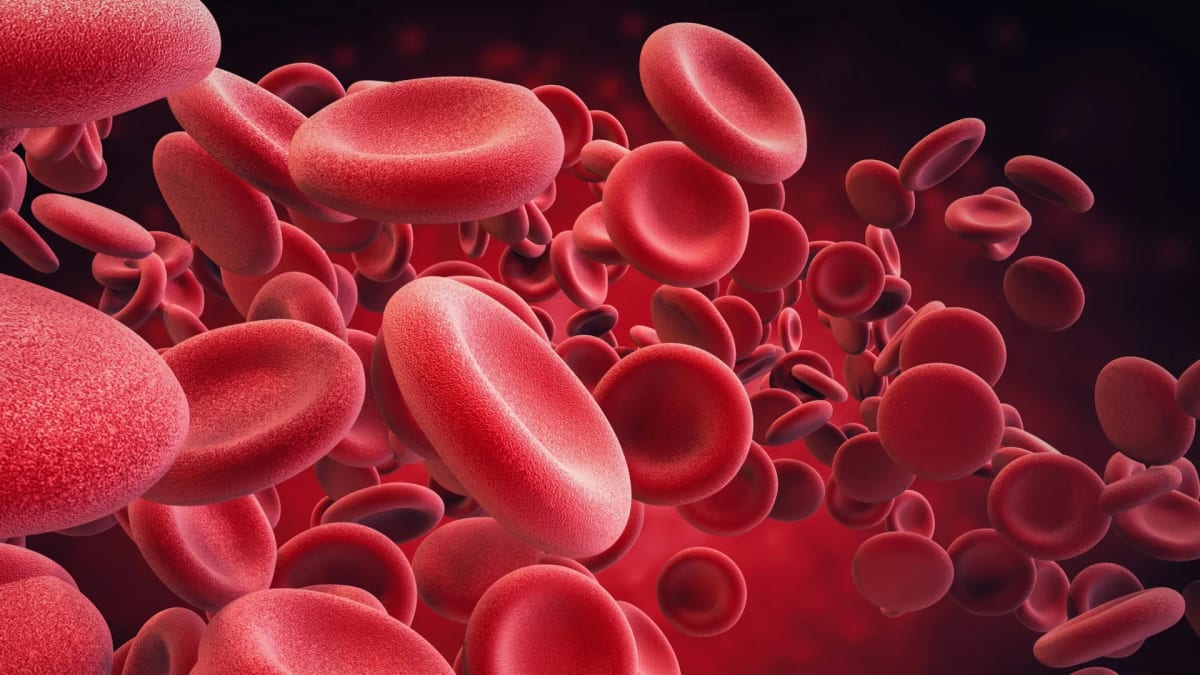
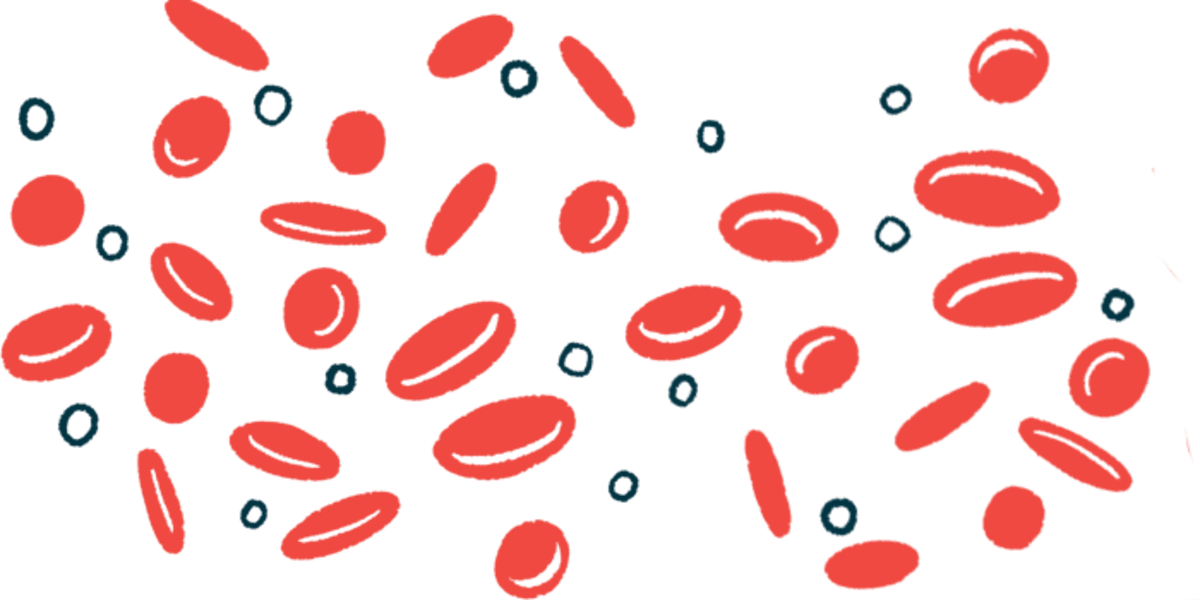
Scientists discovered why people living at high altitudes have lower diabetes rates. Red blood cells in low-oxygen environments consume more glucose to help oxygen reach tissues.
Find uplifting stories about heroes, innovations, and solutions
4 results for "red blood cells"

Scientists discovered why people living at high altitudes have lower diabetes rates. Red blood cells in low-oxygen environments consume more glucose to help oxygen reach tissues.

People living in the mountains have long shown lower diabetes rates, and scientists think they finally know why. Red blood cells might hold the key to managing blood sugar naturally.

Scientists discovered why mountain living reduces diabetes risk: red blood cells act like sugar sponges in low-oxygen environments. The breakthrough could lead to new treatments for millions managing blood sugar.

Scientists created a dime-sized device that checks if donated blood is still safe to use, potentially saving lives by catching weak blood before transfusion. The chip uses sound waves to stress-test red blood cells through a smartphone.