
World's Largest Illustration Museum Opens in London
A beloved British illustrator just opened the world's first major museum dedicated entirely to illustration, bringing 20 years of dreaming to life in a historic London waterworks.
Find uplifting stories about heroes, innovations, and solutions
5472 results for "scientific illustration"
A beloved British illustrator just opened the world's first major museum dedicated entirely to illustration, bringing 20 years of dreaming to life in a historic London waterworks.

More than 650 everyday citizens have become published scientific authors by volunteering with NASA projects, discovering everything from comets to exoplanets. Their contributions are now part of the permanent scientific record that will inform researchers for generations.

The US Department of Energy is transforming artificial intelligence into a national scientific tool, backed by federal investments in supercomputing and research labs. Undersecretary Darío Gil will discuss how America is building AI infrastructure to accelerate breakthroughs across all fields of science.
Google just unveiled Gemini for Science, a collection of AI tools designed to help researchers discover breakthrough science faster. More than 100 research institutions are already partnering with the tech giant to reshape how we unlock scientific knowledge.
Google just released a suite of AI tools that can generate research hypotheses, run thousands of experiments simultaneously, and analyze scientific literature in minutes instead of months. Scientists at over 100 institutions are already using them to tackle diseases and unlock breakthroughs.

A new benchmark called TRACES evaluates whether AI can make genuine scientific discoveries instead of just recycling existing knowledge. Unlike traditional tests with preset answers, it places AI systems in real-world problem-solving environments where they must adapt, experiment, and navigate uncertainty.
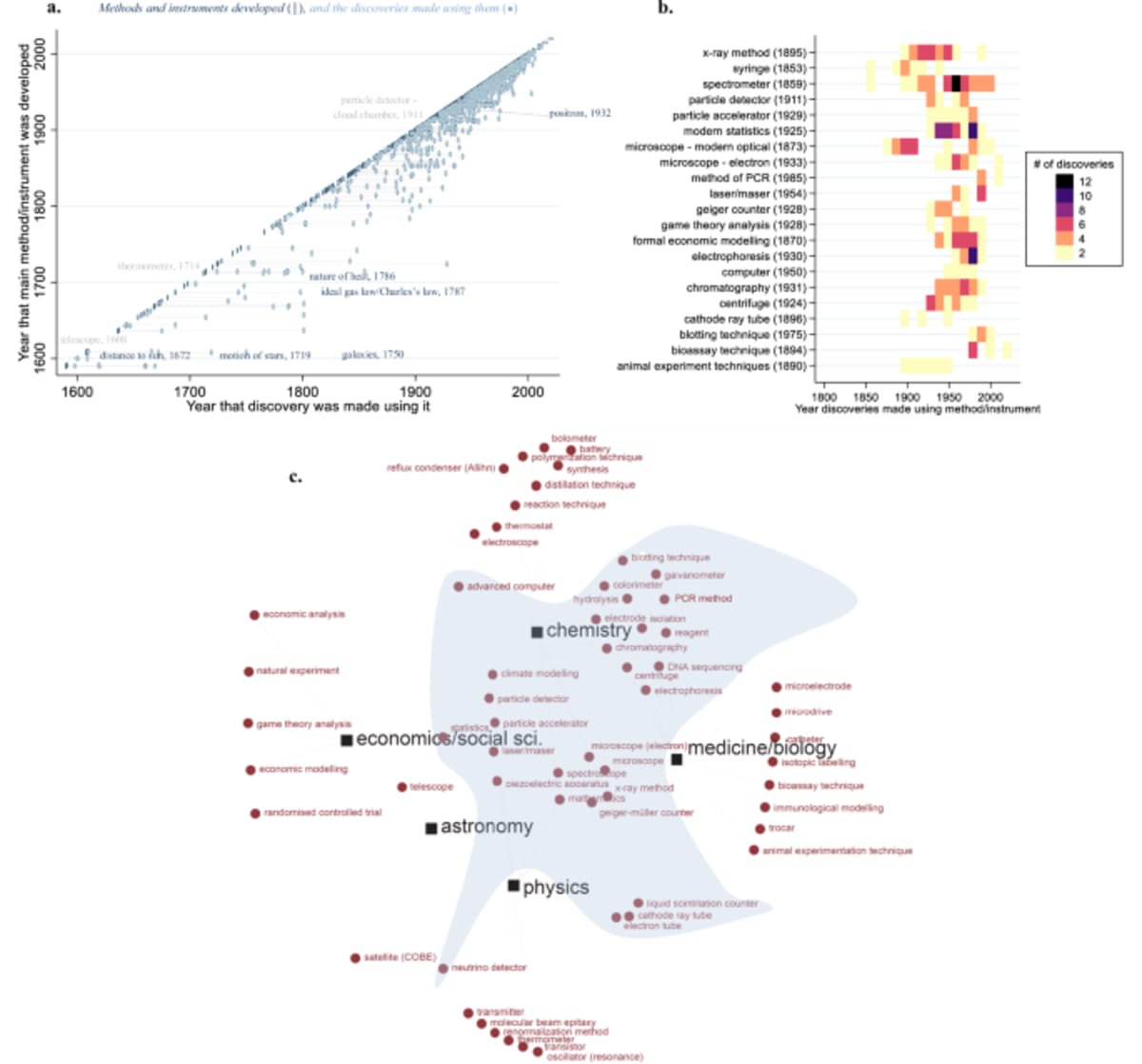
A groundbreaking study of over 750 Nobel Prize and major discoveries reveals that new tools and methods, not just funding or theory, drive most scientific breakthroughs. The findings could help us predict and accelerate future discoveries across all fields of science.
Microsoft just pledged $60 million to help America's national laboratories use AI to double research productivity within a decade. The tech giant created a new program called SPARK to turn computing power into real scientific breakthroughs.
Siemens has partnered with the U.S. Department of Energy to modernize America's scientific infrastructure, using artificial intelligence and digital twin technology to help researchers turn discoveries into real-world solutions faster than ever before.
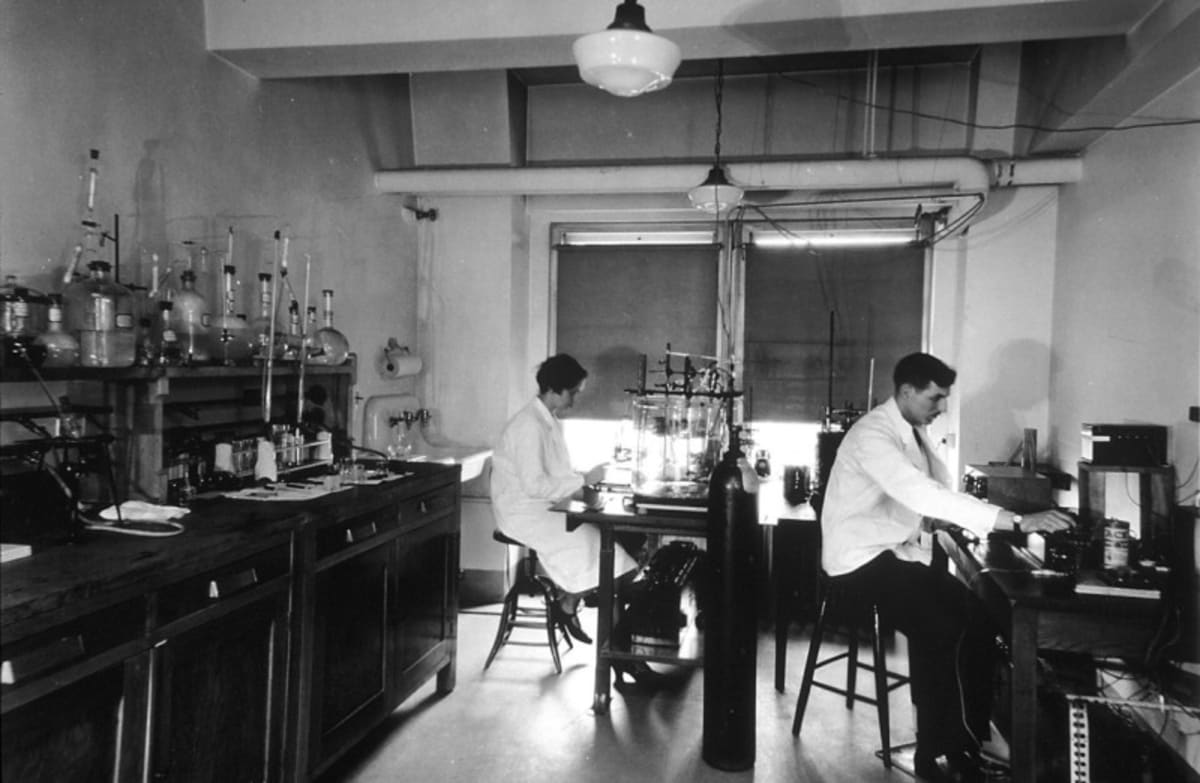
Researchers created a smarter way to identify game-changing scientific discoveries, from evolution to antibiotics. The tool could help funders invest in research that truly transforms our world.

A groundbreaking analysis of over 750 Nobel Prize-winning discoveries reveals that new tools and methods—not theories alone—drive scientific breakthroughs. From microscopes to AI, the research shows how instruments unlock what was previously invisible.
The United States and Japan are joining forces to accelerate scientific breakthroughs with artificial intelligence, committing $1 billion over five years. Japan becomes the first international partner in America's ambitious "Genesis Mission" project.

Seemay Chou is giving away $3.5 billion to fund groundbreaking scientific projects through her new nonprofit, Radial. The initiative aims to accelerate discoveries in biology and AI research that could transform medicine.
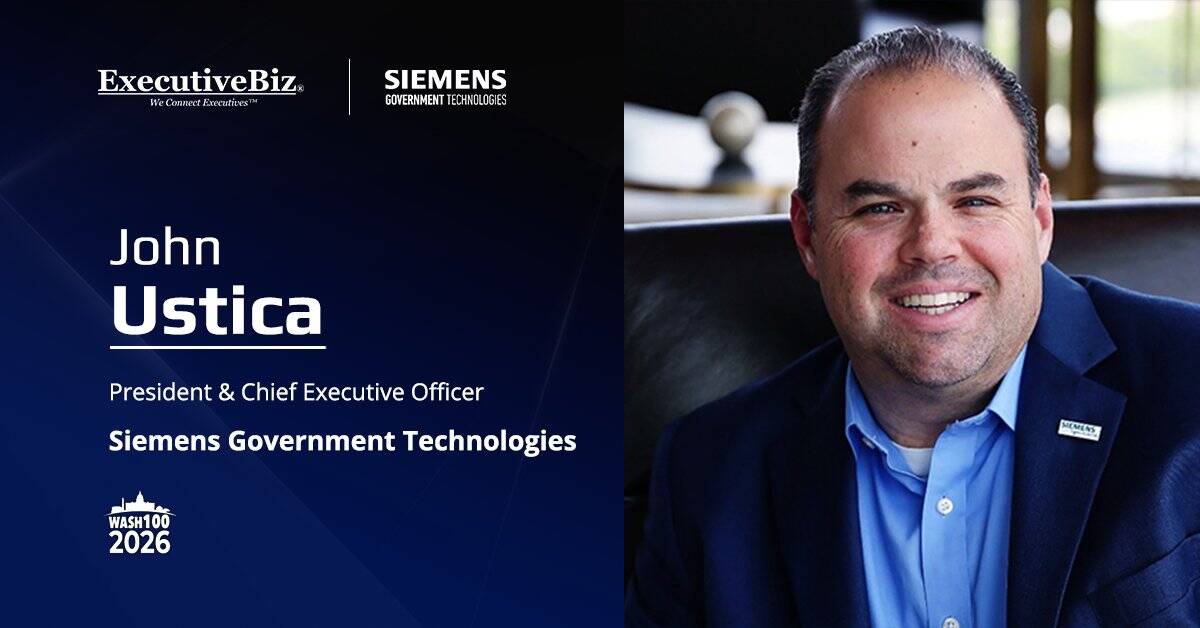
Siemens has partnered with the Department of Energy to help build AI-powered research infrastructure that could accelerate scientific discoveries from lab to real world. The Genesis Mission aims to connect America's national laboratories into one coordinated network supercharged by artificial intelligence.

Artificial intelligence is helping scientists collaborate faster and tackle complex research challenges without sacrificing openness. Major institutions are testing whether AI agents can replicate scientific processes to accelerate discoveries that benefit everyone.

A new company just secured major funding to build AI that doesn't just search for answers but actually creates new scientific discoveries. Unreasonable Labs wants to turn research that takes years into work that happens in weeks.
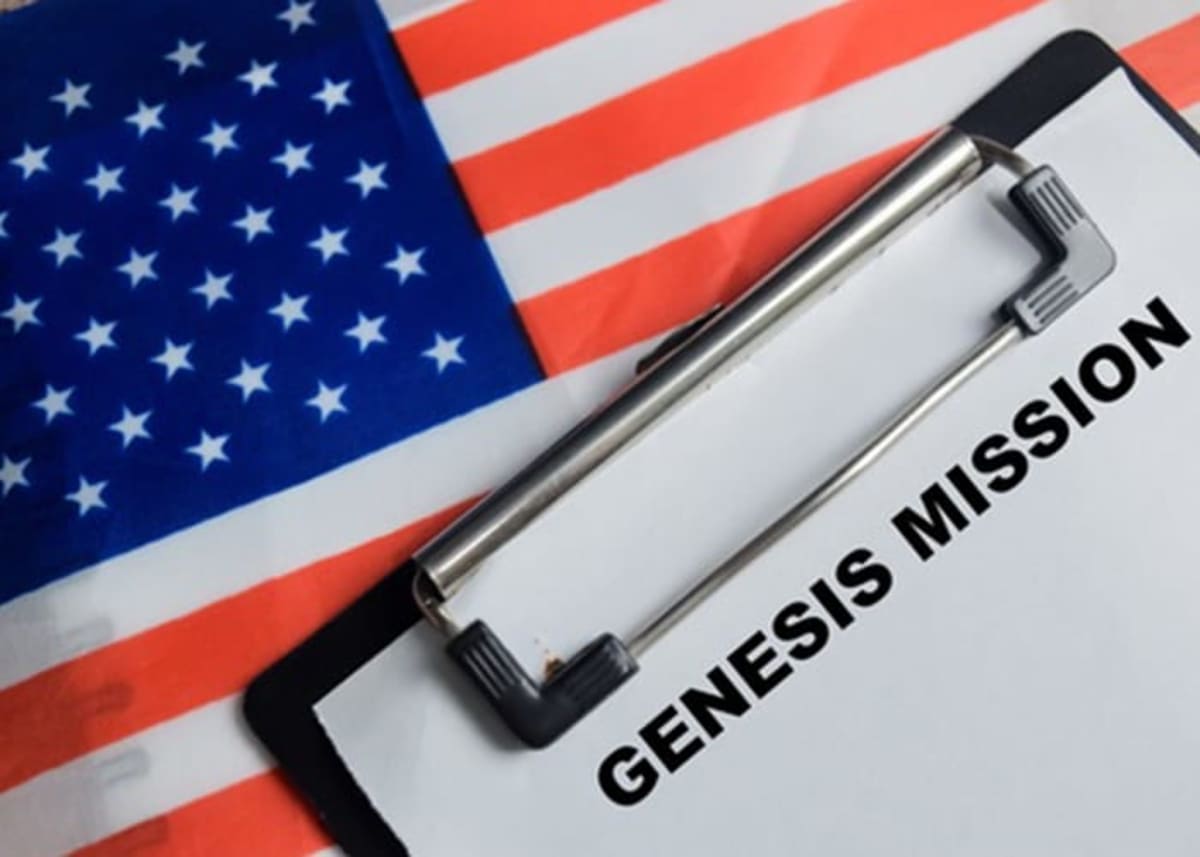
NASA is joining a White House initiative to use artificial intelligence to unlock faster scientific breakthroughs and engineering solutions. The Genesis Mission will help the space agency analyze 70 years of data and develop next-generation systems more quickly.
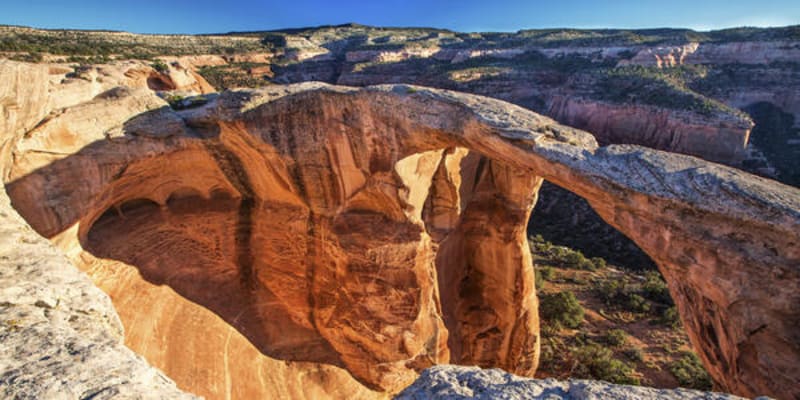
Twenty-five years after its creation, America's National Conservation Lands network has grown to 906 protected areas spanning 38 million acres, serving as vital hubs for scientific research. These landscapes are helping scientists understand everything from climate change to Indigenous land management practices.
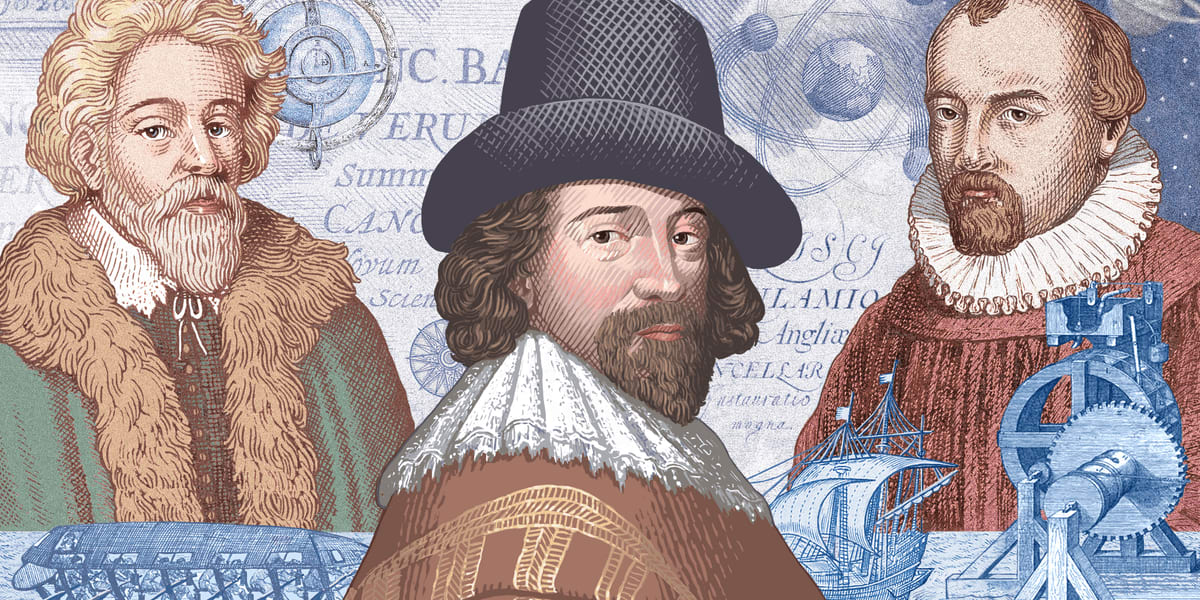
Before "scientists" even existed as a profession, inventive engineers were the ones doing bold experiments and learning by trial and error. A new look at history reveals how 17th-century makers actually shaped what we now call the scientific method.
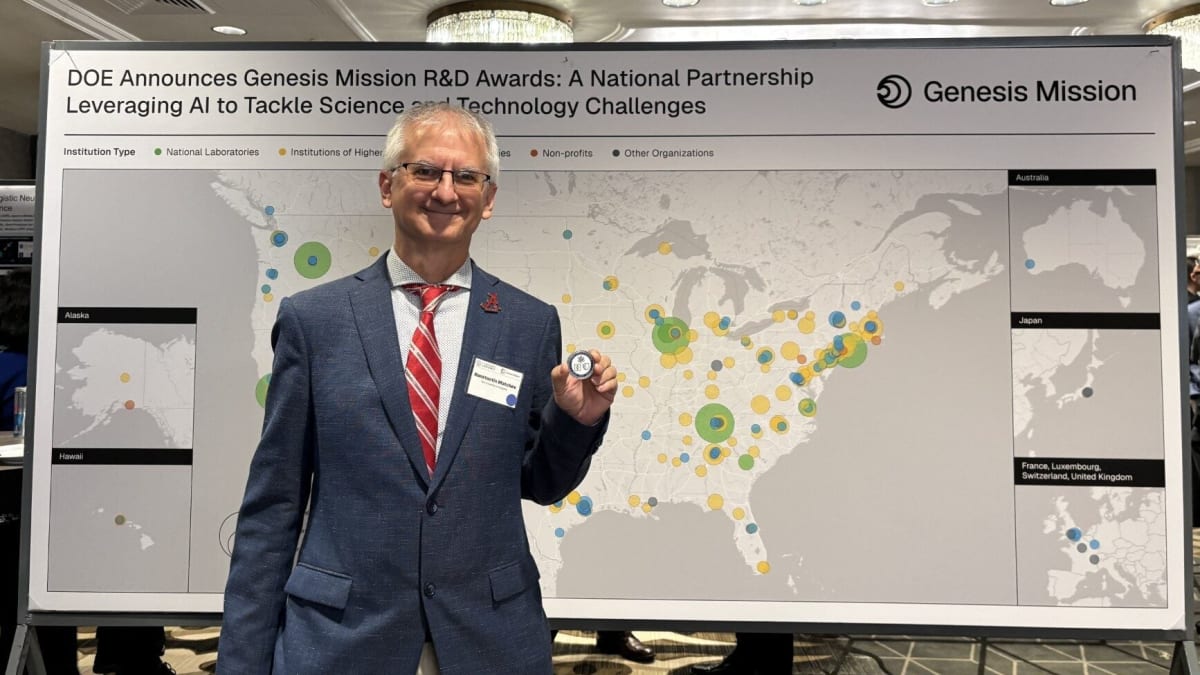
University of Alabama scientists won federal funding to build an AI assistant that will help physicists analyze massive data floods in seconds instead of years. The breakthrough could revolutionize research across multiple scientific fields.
Showing 20 of 5472