Sea Urchin Spines Inspire Battery-Free Ocean Sensors
Scientists discovered sea urchin spines generate electricity from water flow, inspiring self-powered underwater sensors. The breakthrough could revolutionize ocean monitoring without batteries.
Find uplifting stories about heroes, innovations, and solutions
51 results for "sensors"

Scientists discovered sea urchin spines generate electricity from water flow, inspiring self-powered underwater sensors. The breakthrough could revolutionize ocean monitoring without batteries.

Researchers at the University of Maryland developed tiny sensors that track flatulence 24/7, revealing healthy adults fart 32 times daily—twice what we thought. The data feeds into the Human Flatus Atlas, helping people understand their gut health better.

As delivery robots roll through 20 US cities, they're creating an unexpected workforce of "robot wranglers" who rescue stuck bots, clean sensors, and keep fleets running. Charlie Snodgrass went from delivering food himself to managing the robots that replaced him—earning $54,000 a year in a job that didn't exist five years ago.

Japanese researchers created a special "enzyme ink" that prints working biosensors in one step, solving the biggest obstacle to mass-producing wearable health monitors that run on sweat alone. These paper-thin patches could soon track your workout performance without batteries.

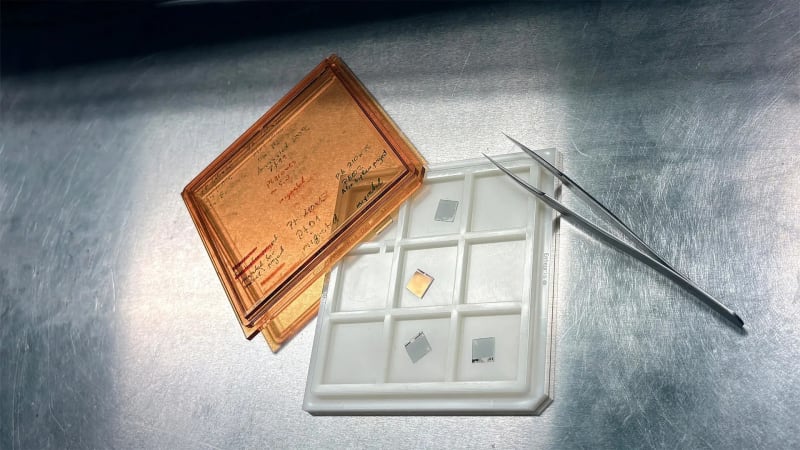
Scientists at New York University discovered how to use light like a remote control to build microscopic crystals, melt them, and rebuild them again. This breakthrough could lead to displays that change color on command and sensors that adapt instantly to their environment.

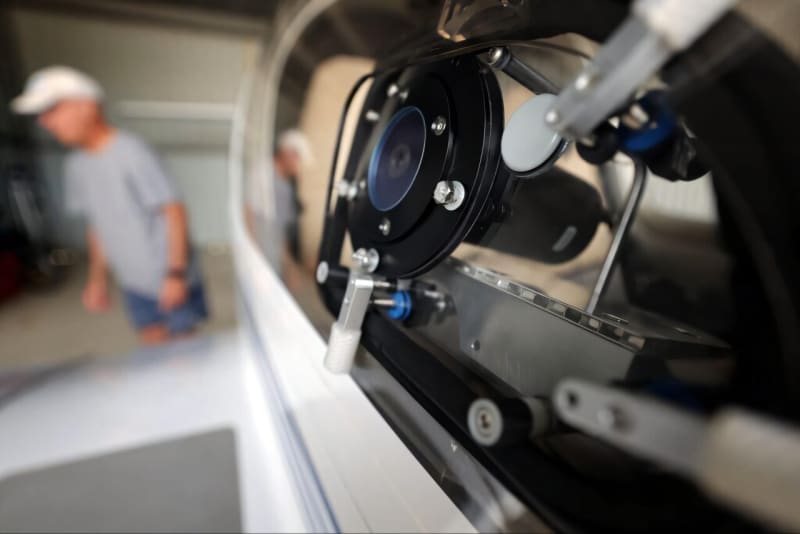
A British self-driving car company just landed $1.2 billion from tech giants and automakers who believe its smarter approach could finally bring autonomous vehicles to everyday drivers. Unlike competitors building expensive custom systems, Wayve created AI that works with any car's existing sensors and chips.

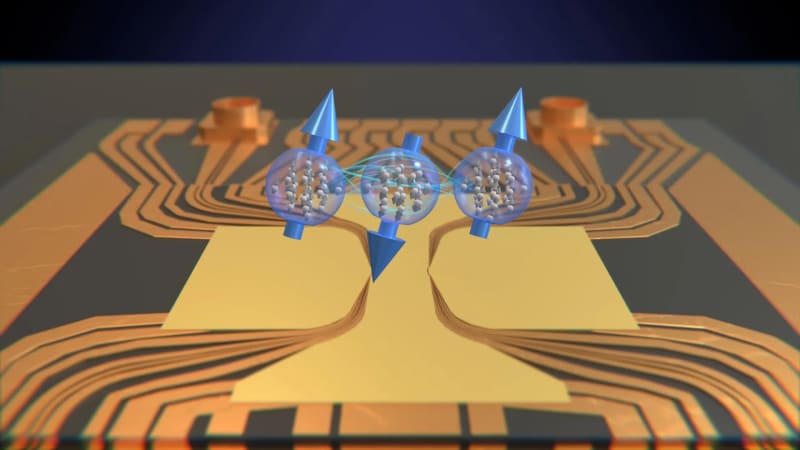
Scientists at CU Boulder have created tiny glass racetracks that capture and amplify light with almost no energy loss, potentially revolutionizing sensors and quantum computers. The breakthrough uses highway-inspired curves and sub-nanometer precision to keep light circulating longer than ever before.

A tiny camera sensor designed for NASA missions in the 1990s now lives in nearly every smartphone on Earth. The technology that helped rovers land on Mars is the same one capturing your daily photos.

Scientists in the Netherlands created a honeycomb pattern on glass that dramatically improves how solar panels capture light. The breakthrough could power everything from your phone to remote sensors with cleaner energy.

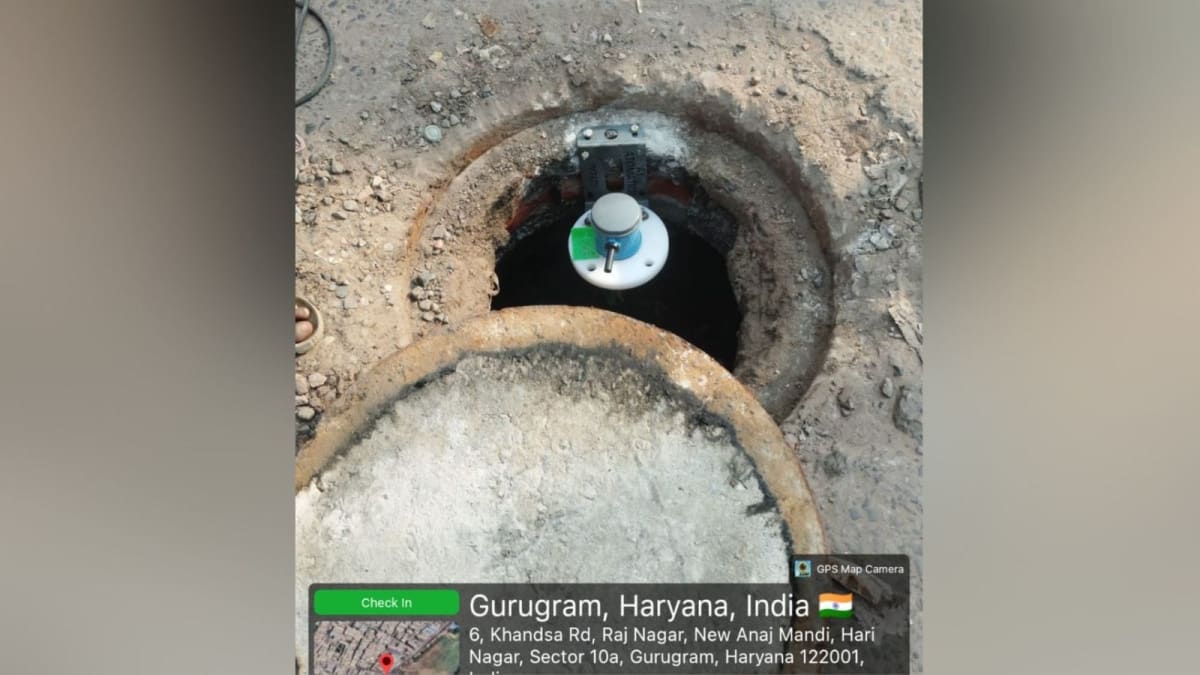
Thailand just deployed 100 smart sensors that can smell the difference between farm smoke and factory fumes, giving authorities the precision they need to fight air pollution at its source. The homegrown technology means cleaner air without guesswork.

When Dr. Jiayang Li noticed his 89-year-old mentor losing his balance, he invented a shoe with 253 tiny sensors that could help millions of older adults stay safe and independent. The prototype runs for three months on a single charge and displays real-time walking data on any mobile device.

Iowa lawmakers are moving forward with a bill that would replace constantly blinking red lights on wind turbines with smart sensors that only activate when aircraft approach. The change would give rural residents their starry nights back while keeping planes safe.

American farmers are using innovative technology like drones and precision sensors to reduce waste, cut costs, and slash greenhouse gas emissions. A new report shows nearly 400 climate-smart farming innovations are now available to help producers of all sizes work more sustainably.

Forget tight fitness trackers strapped to your wrist. Scientists just discovered that loose, flowing fabric can monitor your movements 40% more accurately than current wearables.

As millions of soccer fans head to Dallas for the 2026 FIFA World Cup, the city is using climate science to protect visitors and leave a lasting environmental legacy. From heat maps to air sensors, Dallas is turning a global sporting event into a sustainability showcase.

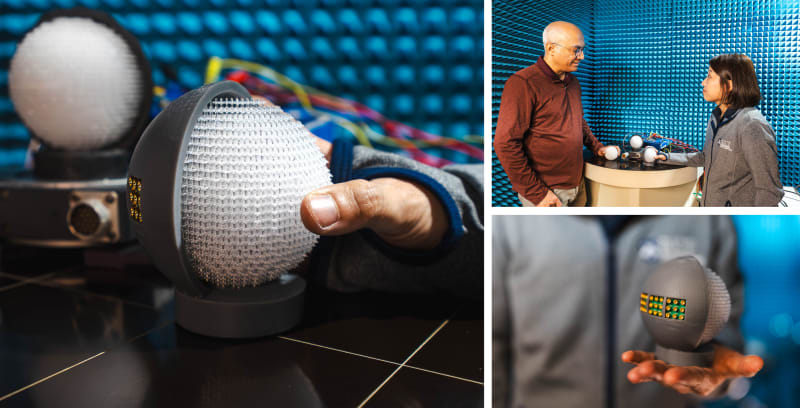
Scientists discovered that the 1,000 whiskers on an elephant's trunk have a unique stiffness gradient that acts like a natural GPS system, helping these gentle giants pick up peanuts without crushing them. The breakthrough is now inspiring smarter robot sensors.

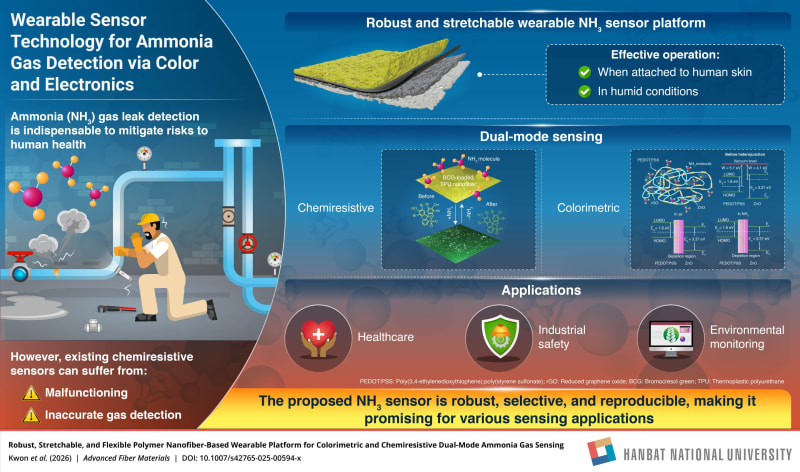
Scientists created a skin-safe sensor that spots dangerous ammonia leaks through both color change and electronics. The breakthrough could save lives in factories, farms, and refrigeration facilities where ammonia exposure kills workers each year.

Scientists discovered that health sensors on loose fabric are 40% more accurate than tight wearables like Fitbits. Your next health tracker could be a button on your shirt.

Scientists discovered elephant trunk whiskers have a unique structure that acts like a precise touch sensor, no brain power needed. This natural design could inspire smarter robots and artificial sensors.

Swiss scientists created a modular robot that gets more reliable as it grows, not less. The secret? Modules share power, sensors, and data like cells in a living organism.
Showing 20 of 51