
Chickens Restore Australian Rangeland Soil in Cattle Station
A cattle station 500km from Perth is using chickens to heal degraded soil with remarkable results. Two years in, the land is rehydrating and wildflowers are changing color.
Find uplifting stories about heroes, innovations, and solutions
6187 results for "soil restoration"
A cattle station 500km from Perth is using chickens to heal degraded soil with remarkable results. Two years in, the land is rehydrating and wildflowers are changing color.
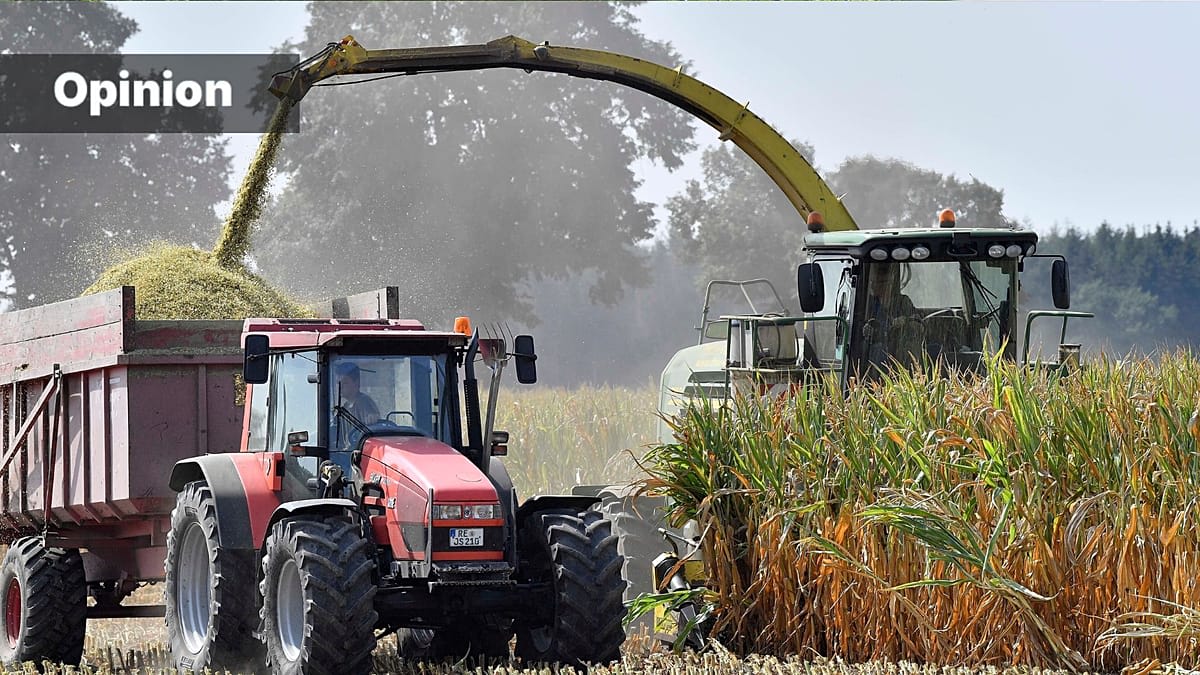
Scientists launched an AI system that monitors millions of acres of European farmland in real time, helping farmers restore unhealthy soil that costs the continent over $55 billion yearly. The breakthrough technology could make soil health as easy to track as tomorrow's weather.
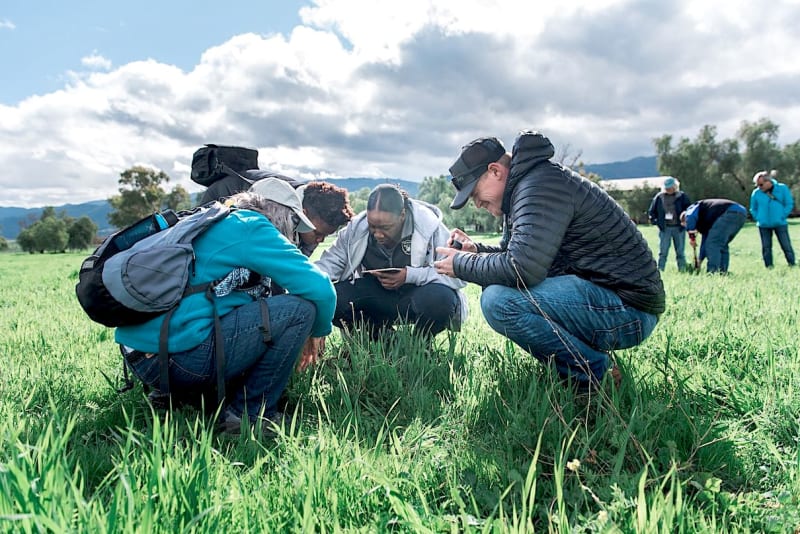
After a century of chemical-dependent farming that degraded soil and ecosystems, a quiet revolution is underway as farmers worldwide return to biology-based agriculture that works with nature instead of against it. The results are promising: healthier soil, thriving biodiversity, and crops that resist drought and disease.

A reforestation company just doubled its forest restoration work across Africa, Latin America, and Southeast Asia by putting local communities in charge. Native forests are coming back, bringing cleaner water, healthier soil, and stronger protection against climate disasters.

Hundreds of residents in Uganda joined forces to clean and restore Kabaka's Lake, a culturally significant site that had been choked with garbage and soil. The community-led initiative aims to preserve both the lake's ecological value and its role as a heritage site for the Buganda Kingdom.
New technologies like AI, drones, and soil sensors are helping African farmers restore degraded soil and secure food for a growing population. With 60% of the world's arable land, Africa's soil health breakthrough could reshape global food security.

Andhra Pradesh is giving farmers free seeds and subsidies to grow crops that naturally restore soil health. Nearly 20,000 farmers have already joined the program, cutting fertilizer costs while boosting long-term yields.
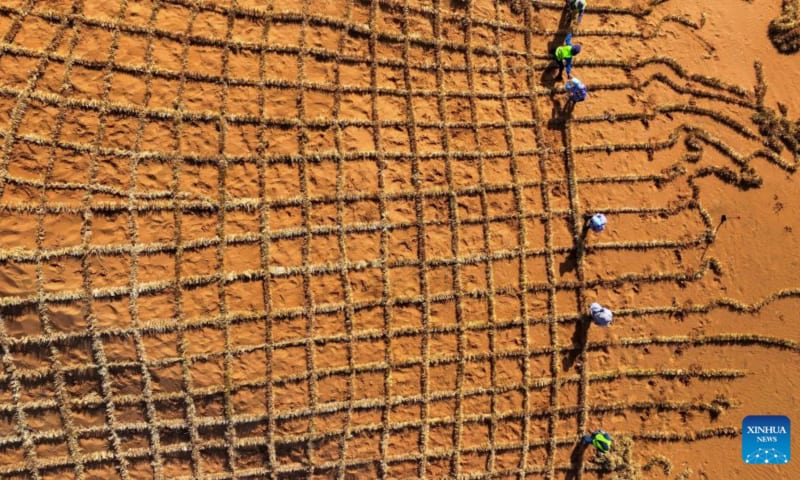
Scientists in China are using ancient bacteria to transform barren desert sand into stable, fertile ground in less than a year. The breakthrough could help restore degraded land and protect communities from devastating sandstorms.
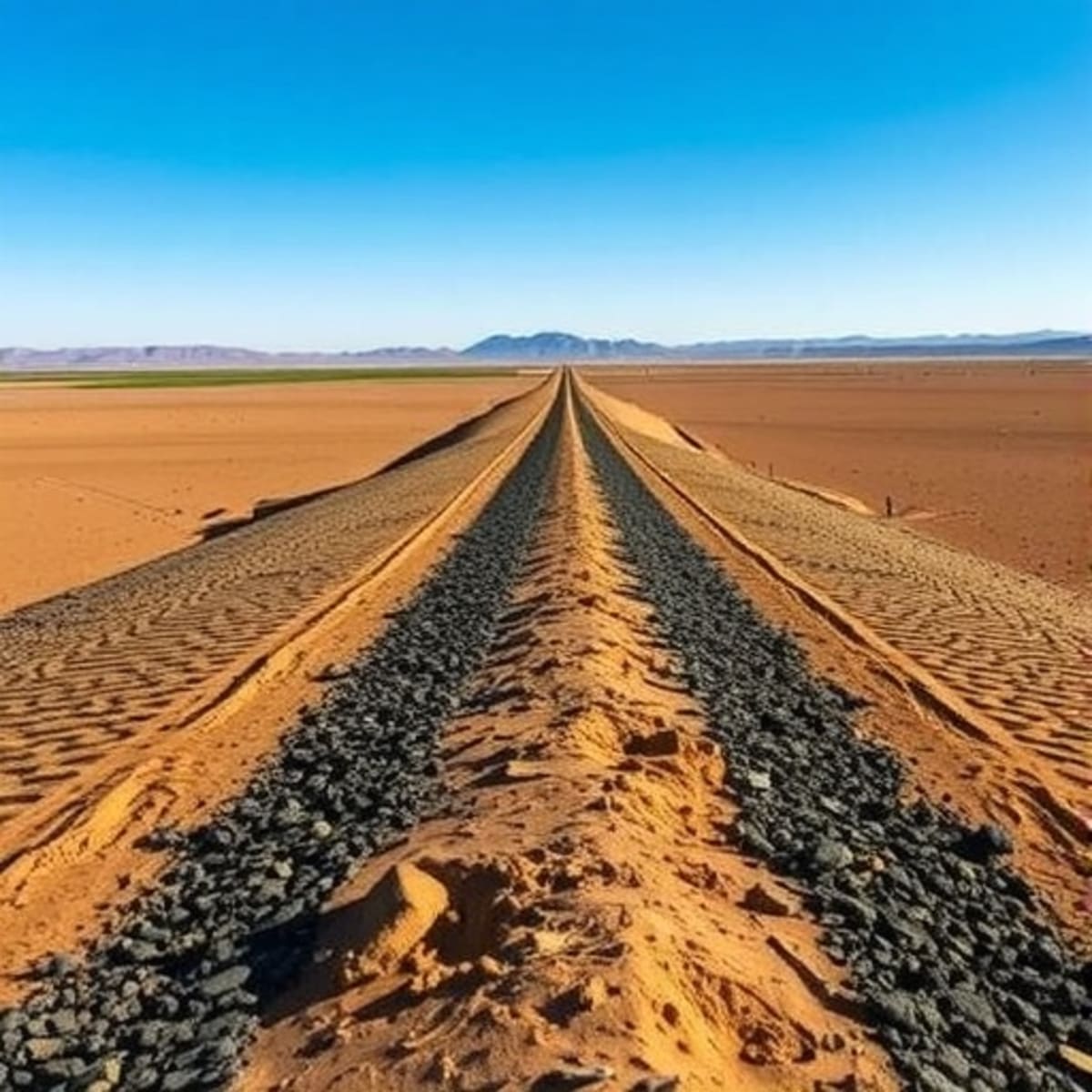
Scientists have found that biochar, a charcoal-like material made from farm waste, can transform desert soils into productive farmland while fighting climate change. This affordable solution is already boosting crop yields by 50 percent in some regions.
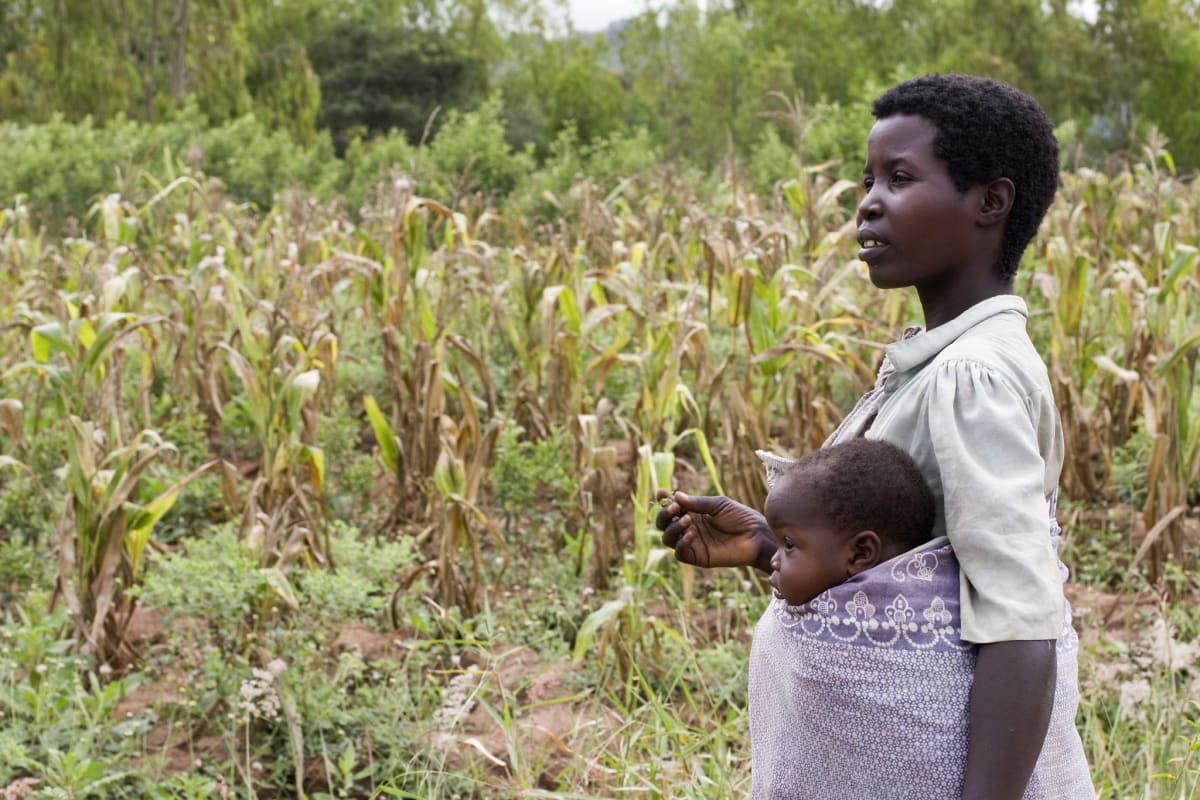
When fertilizer prices spiked and shipping routes became uncertain, Malawi's farming experts saw something unexpected: a chance to rebuild healthier soil and reduce dependence on expensive imports. The country just launched a 10-year plan to restore fertility and help millions of small farmers grow more food sustainably.
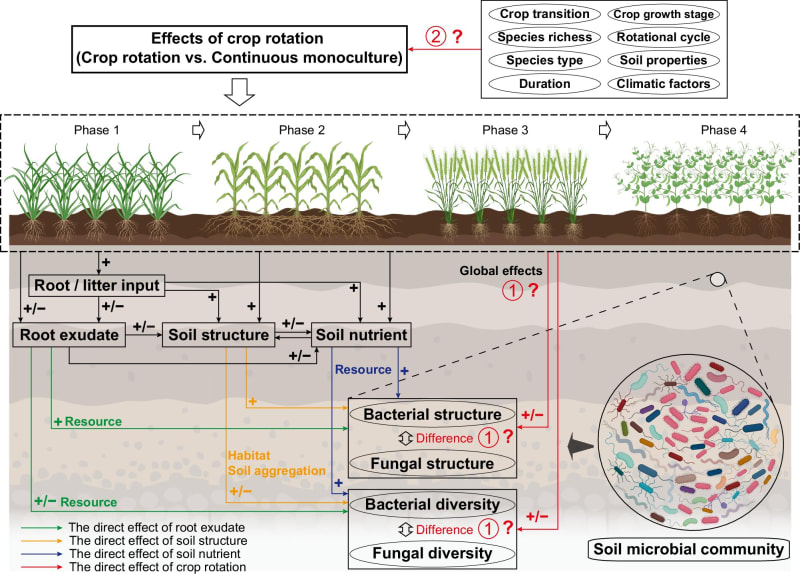
A new global study reveals that rotating crops doesn't just restore soil health—it supercharges the invisible ecosystem beneath our feet. The finding could help farmers worldwide grow more food while protecting the planet.
Tanzania has tested 90,000 soil samples across 19 regions to help farmers grow more food and restore degraded land. The nationwide program will reach all regions by June, giving farmers science-backed guidance on fertilizer use.

Brazil is transforming massive ecosystem restoration into a thriving new industry that could reshape the global economy. Companies are now restoring forests at unprecedented scales while creating jobs and sustainable products from nature's biodiversity.

Every bottle of Sea Change Wine sold now funds ocean restoration through a new partnership with Ocean Conservation Trust. The eco-friendly brand has already donated over €750,000 to marine conservation since 2018.

High school and college volunteers just completed a 15-year mission to restore an Oregon forest stream, planting 1,200 willow trees across three acres. Their work is bringing a Coast Range creek back to life, one sapling at a time.
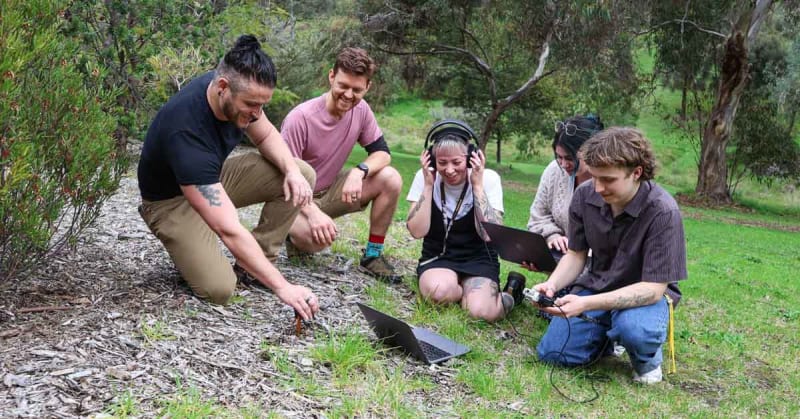
Australian researchers planted microphones in soil to listen to insects and worms, discovering that healthy dirt sounds like a symphony while degraded soil is just white noise. This breakthrough could replace expensive tests with an affordable tool anyone can use.
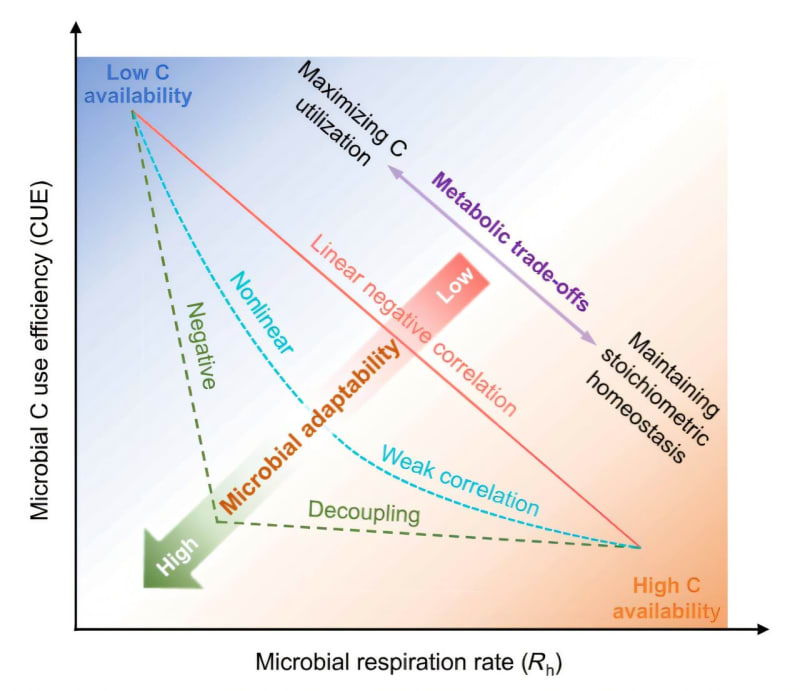
New research reveals soil microorganisms in productive ecosystems trap carbon far more efficiently than previously believed, offering fresh hope for natural climate solutions. The discovery could transform how we manage soils to fight climate change.

Ghana has successfully reclaimed 320 hectares of land destroyed by illegal mining, turning devastated sites into restored landscapes ready for reforestation. The government plans aggressive restoration efforts with private partners to recover 5,500 hectares lost across the country.
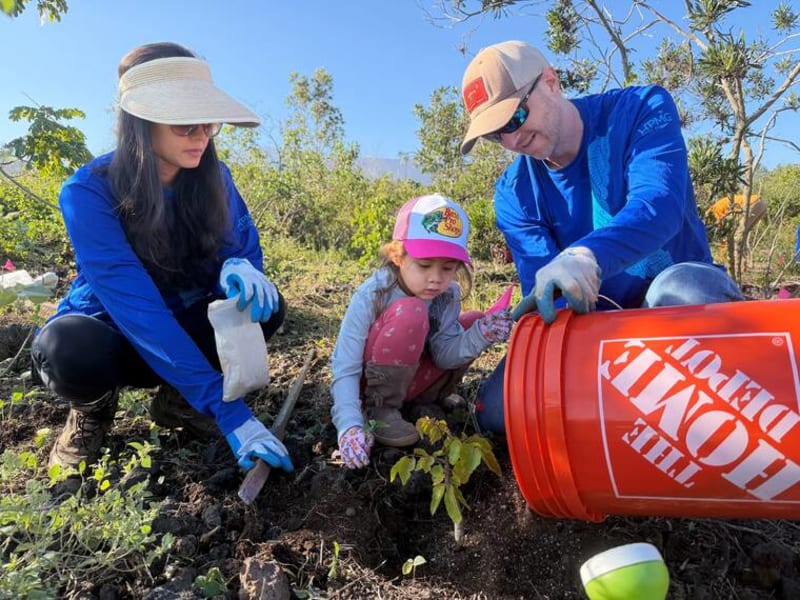
One hundred Kaiser Permanente staff members spent MLK Day restoring historic Hawaiian fishponds and endangered forests across Hawaii Island. For a decade, they've returned year after year to honor the land and community.
%2Ffile%2Fattachments%2Forphans%2FiStock-922735808_898102.jpg)
Farmers across South Africa are proving that rebuilding nature can be profitable while addressing the country's food crisis. Their regenerative practices are transforming depleted land into thriving ecosystems that feed more people.
Showing 20 of 6187