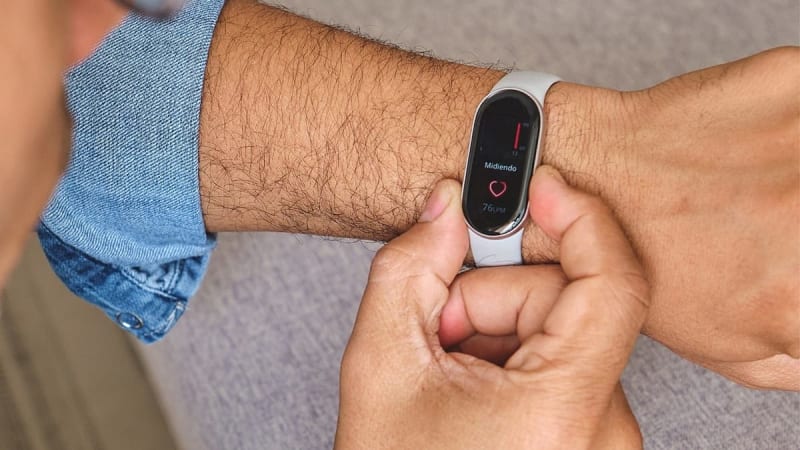
Smart Clothing Tracks Health 40% Better Than Wearables
Forget tight fitness trackers strapped to your wrist. Scientists just discovered that loose, flowing fabric can monitor your movements 40% more accurately than current wearables.
Find uplifting stories about heroes, innovations, and solutions
263 results for "wearables"
Forget tight fitness trackers strapped to your wrist. Scientists just discovered that loose, flowing fabric can monitor your movements 40% more accurately than current wearables.
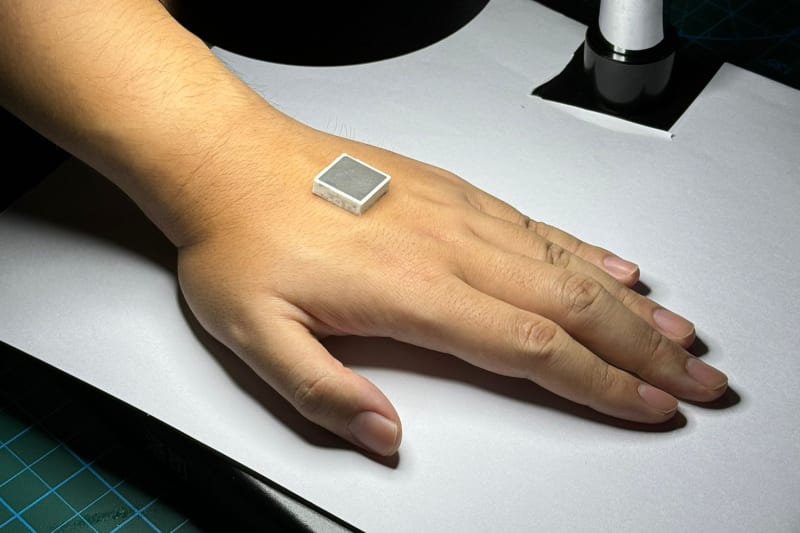
Scientists just built the world's first wearable ultrasound system that lets heart patients get monitored at home for 48 hours straight. The technology could catch health problems early while freeing up hospital resources for those who need them most.
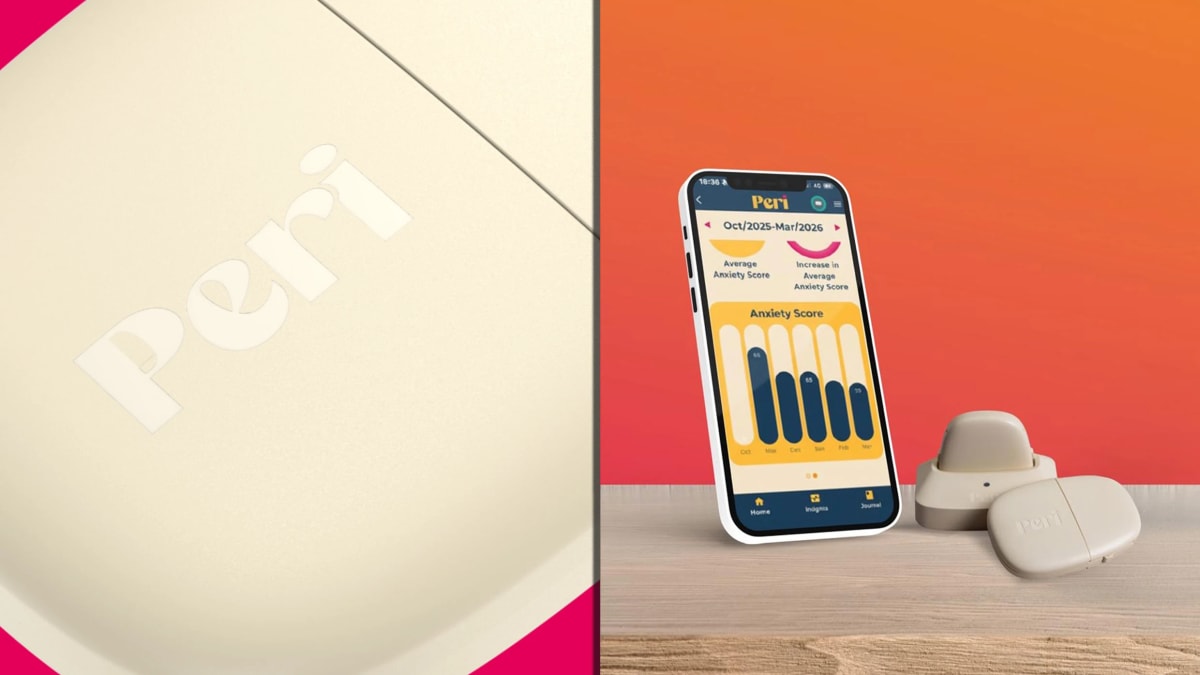
A groundbreaking device called Peri automatically monitors hot flashes and night sweats, helping women navigate perimenopause with data instead of guesswork. Backed by Ali Hewson after her own decade-long struggle to find relief, the wearable launches in the U.S. this week.

Scientists created a wearable ultrasound patch that continuously tracks babies in the womb, catching complications that traditional scans might miss. The device has already helped prevent one stillbirth by detecting a serious problem early.

A Melbourne startup is turning breakthrough research into a wearable sensor that detects fertility hormones through the skin, potentially eliminating the need for repeated blood draws during IVF treatment. The device could be ready for human trials within 18 months.
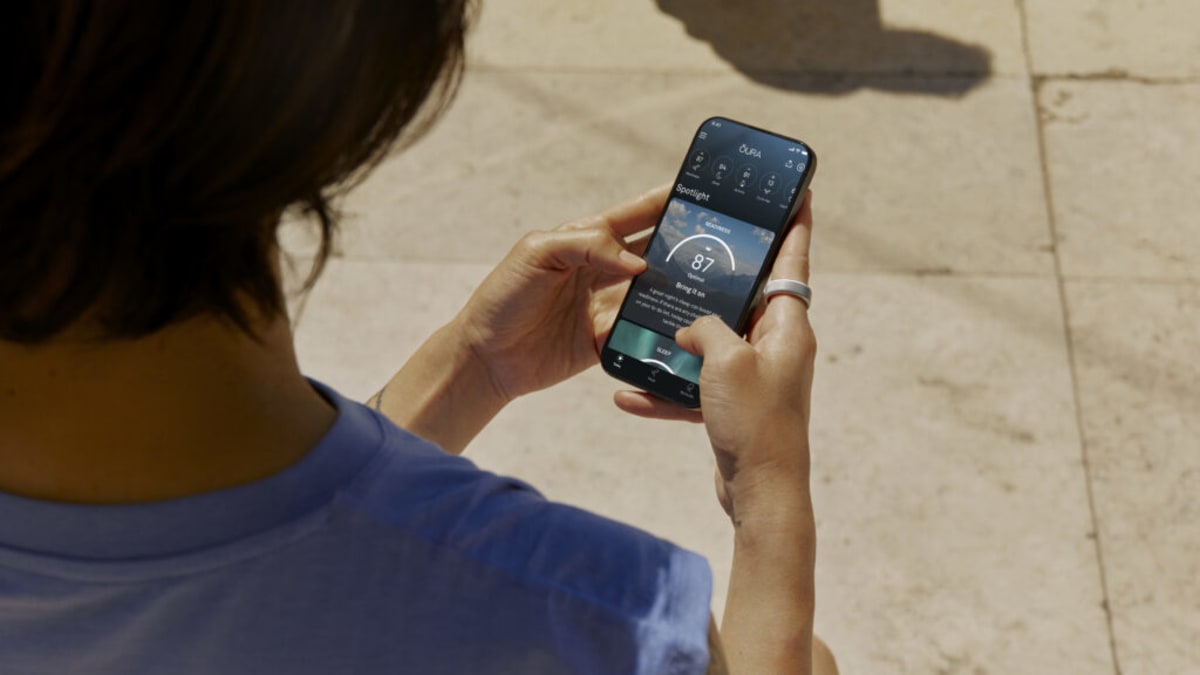
Smart rings and fitness trackers are finally bridging the gap between health data and medical care. Oura and Whoop now let users video chat with doctors directly from their apps when devices detect potential health issues.
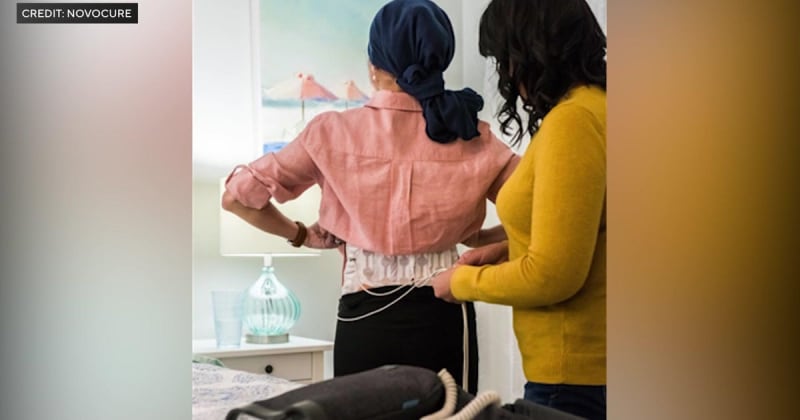
For the first time in three decades, patients with inoperable pancreatic cancer have a new treatment option. The FDA just approved Optune Pax, a wearable device you use at home that uses electric fields to kill cancer cells.
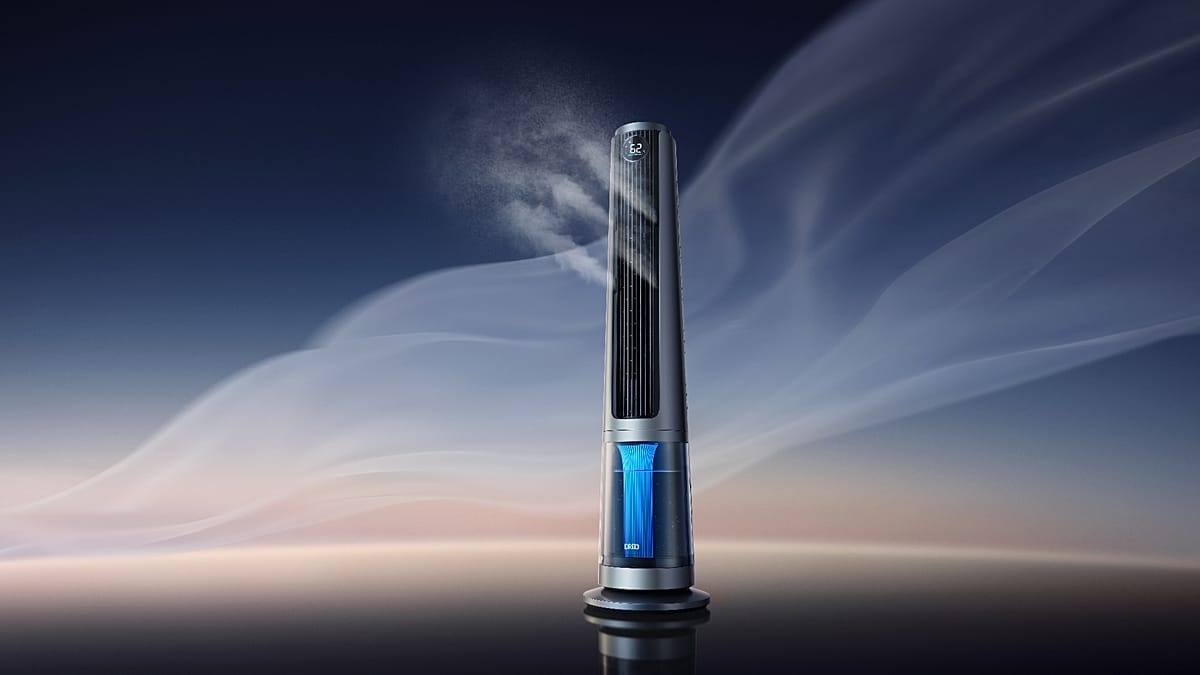
New cooling technology is making extreme heat more bearable without traditional air conditioning. From neck-worn coolers to misting fans, these innovations help people stay comfortable during scorching temperatures.

A Madrid art student spent 40 hours hand-sewing autumn leaves into a stunning wearable dress, proving sustainable fashion can be both beautiful and biodegradable. Her creation challenges fast fashion while celebrating nature's own materials.
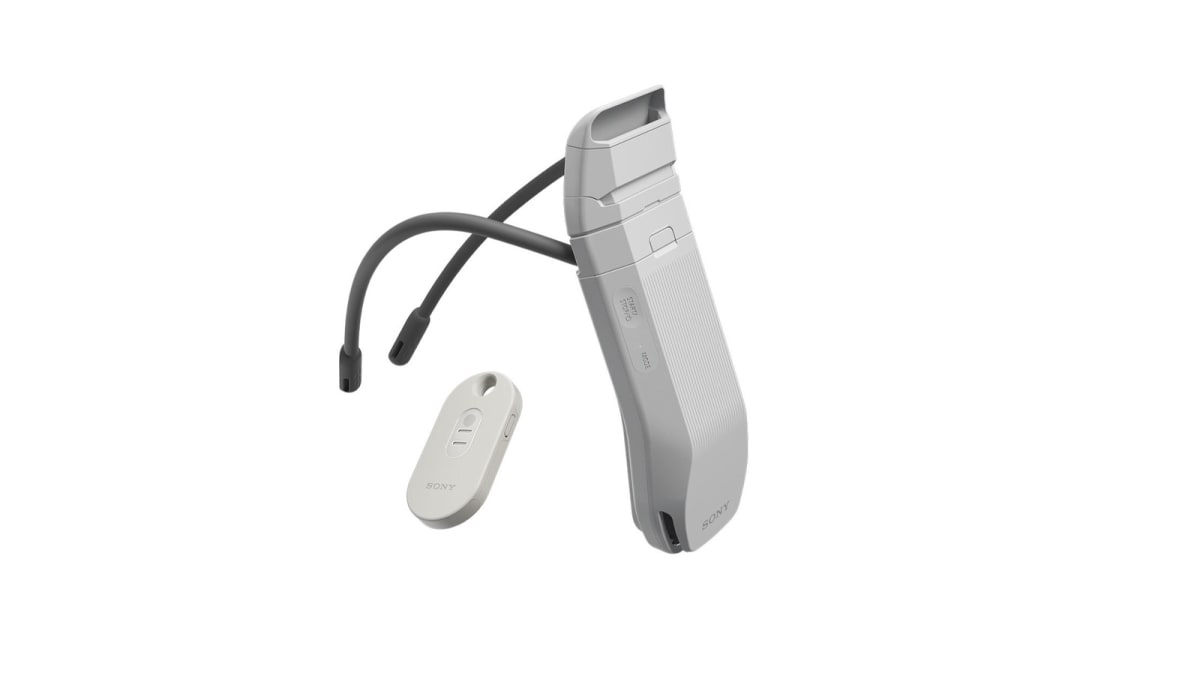
Sony's neck-worn air conditioner just got a major upgrade that could change how we stay cool outdoors. The new Reon Pocket Pro Plus delivers 20% more cooling power and lasts up to 10 hours on a single charge.
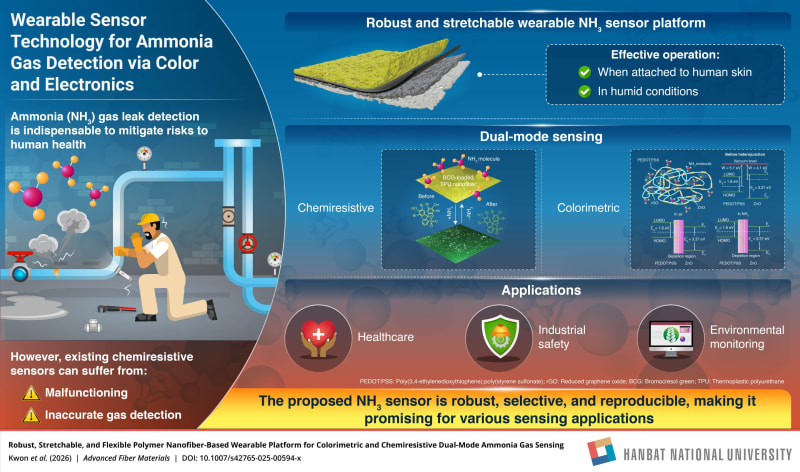
Scientists created a skin-safe sensor that spots dangerous ammonia leaks through both color change and electronics. The breakthrough could save lives in factories, farms, and refrigeration facilities where ammonia exposure kills workers each year.

A sleek airbag skinsuit that deploys in 60 milliseconds could protect cyclists from devastating crashes starting in 2028. The technology weighs just 700 grams and protects the body parts helmets can't reach.
Wearable fitness tracker Whoop resolved a year-long dispute with federal regulators, opening the door for more personal health data to reach consumers. The FDA ended enforcement action after the company tweaked how its blood pressure feature works. #

Four MIT teams just cracked one of climate change's deadliest problems: keeping people cool without wrecking the planet. Their breakthrough inventions use 97% less power than traditional air conditioning.

As Tim Cook prepares to step down in September, his greatest legacy may not be iPhones or Macs but how the Apple Watch transformed wearable health technology. The device pioneered FDA-cleared health screening features that have literally saved lives and reshaped how millions monitor their wellbeing.
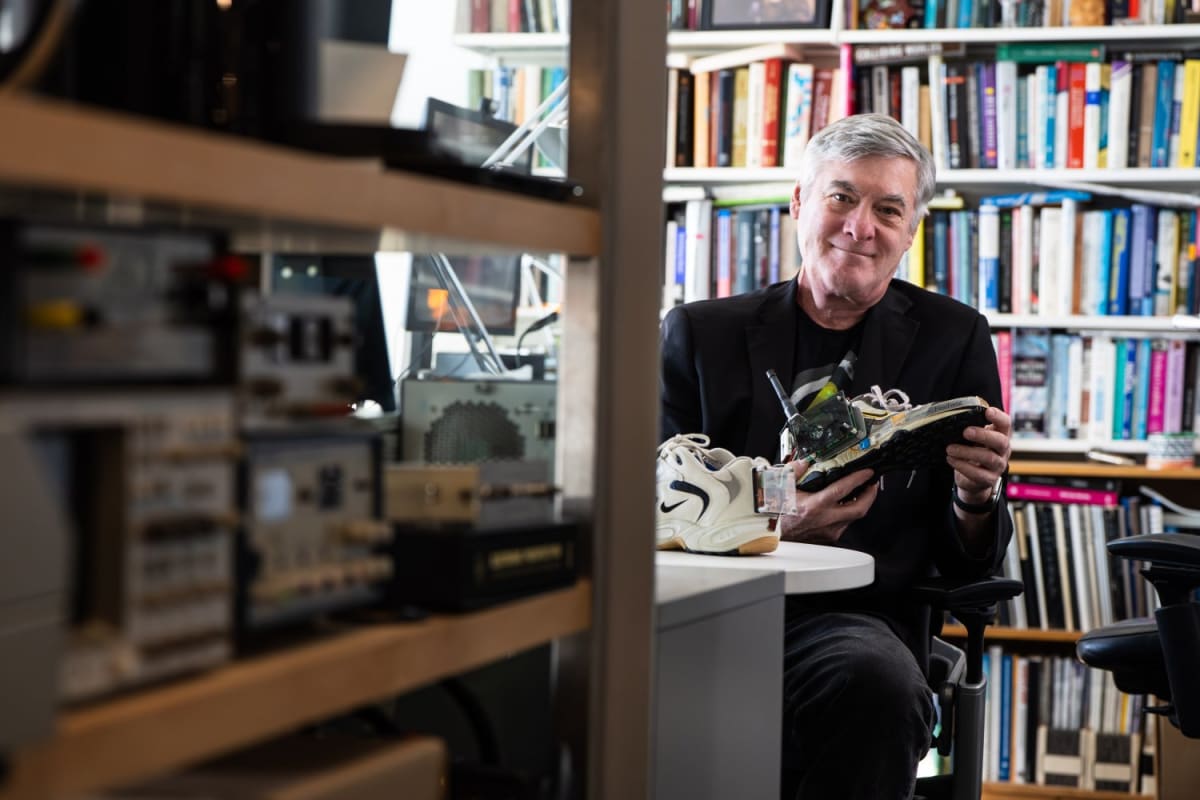
A physicist who turned dance shoes into musical instruments is now using wearable sensors to monitor endangered wildlife and prevent sports injuries. Joseph Paradiso's 30-year journey shows how one breakthrough can spark innovations across completely different fields.

Chinese researchers created a chip thinner than a human hair that could finally make smart wearables live up to their promise. FLEXI costs less than $1 to produce, runs AI locally, and survives being folded thousands of times.

A researcher at Ohio State University has developed a simple clip and plug device that helps people regain their sense of smell. For the first time, smell loss patients are smelling coffee and chocolate again.

An Aboriginal artist in Australia is transforming fish skins destined for landfills into stunning leather garments, saving up to 30 kilograms of waste daily. Her collection honors First Nations traditions while pioneering sustainable fashion.
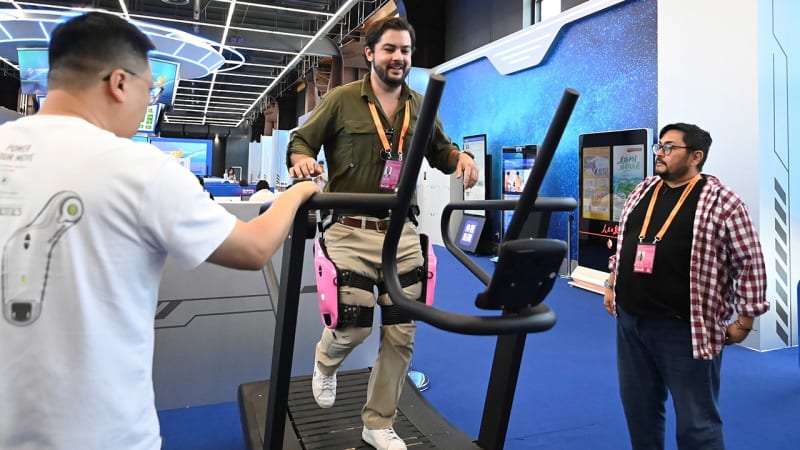
Wearable robotics are moving from labs into everyday life, helping ordinary people walk farther and climb higher without exhausting themselves. Companies like Nike, Hypershell, and WIRobotics are bringing powered footwear and lightweight exoskeletons to hikers, older adults, and anyone who wants to move without wearing out.
Showing 20 of 263