
Tennessee Needs Your Help Collecting Acorns for Forests
Tennessee is inviting everyone to become forest stewards by collecting white oak acorns through November 15. Your backyard finds could grow into the towering giants of tomorrow's forests.
Read the latest positive news, breakthroughs, and inspiring stories about community science, curated daily by BrightWire.
Tennessee is inviting everyone to become forest stewards by collecting white oak acorns through November 15. Your backyard finds could grow into the towering giants of tomorrow's forests.
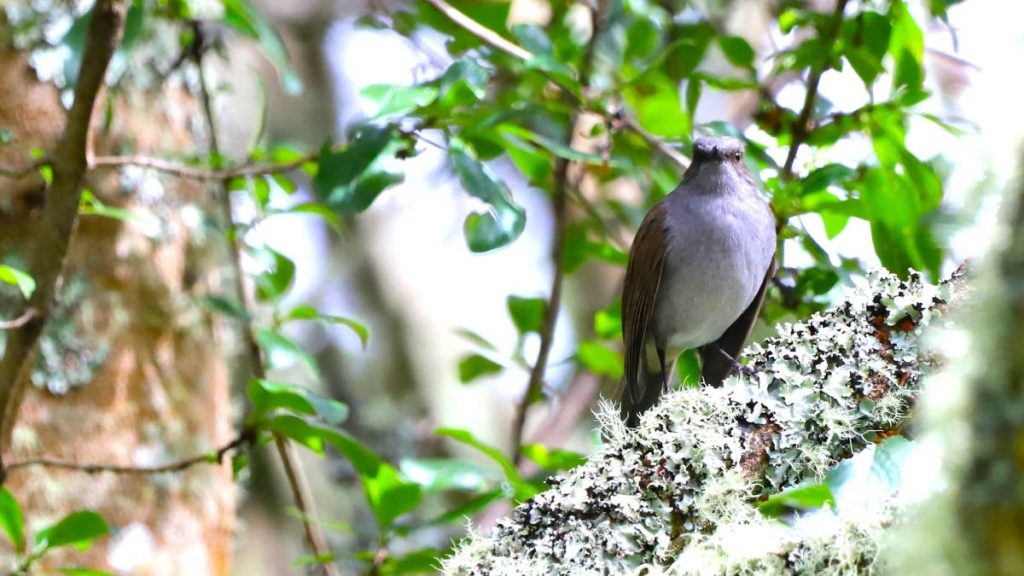
Scientists created a breakthrough framework to guide one of conservation's toughest choices: relocating endangered species to new homes outside their historic range. The tool prioritizes community voices and cultural values alongside science, offering hope for creatures like Hawaiian forest birds racing against extinction.
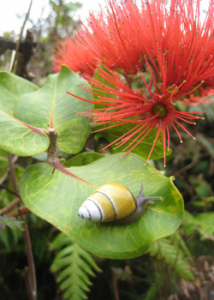
Scientists just released a groundbreaking framework that makes one of conservation's toughest decisions—moving endangered species to new homes—safer and smarter. The tool, developed with input from 250 Pacific communities, is already helping save Hawaiian forest birds from extinction.

Scientists at the University of Hawaii just published a breakthrough framework that helps conservationists make one of their toughest calls: when to move endangered species to new homes to save them from dying out. The tool puts community voices and cultural values at the center of life-or-death decisions.

NASA just funded 24 projects that will bring real space science experiences to communities nationwide, including places that rarely get access to cutting-edge research. From dark sky parks in Texas to lake studies in North Carolina, these hands-on programs let everyday people contribute to actual NASA missions.

What began as degraded cattle pastures in Costa Rica is now thriving forest connecting the Pacific coast to Caribbean rainforest, thanks to decades of local dedication. The remarkable recovery shows conservation works when communities lead the way.
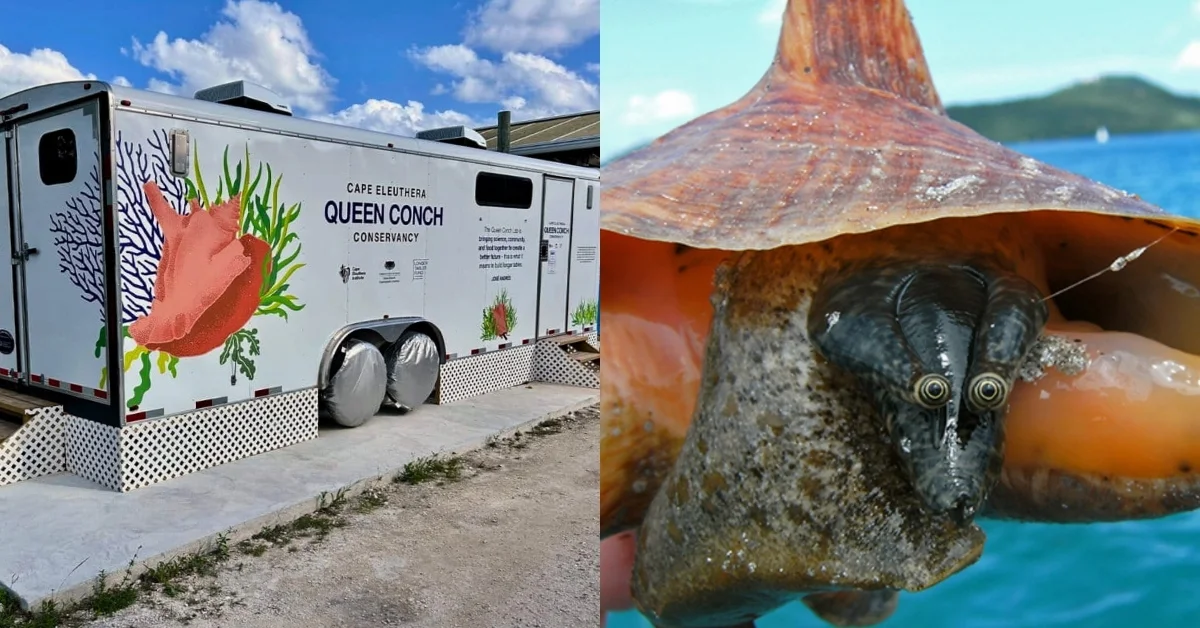
Scientists launched solar-powered mobile labs across the Caribbean to rescue queen conch snails from extinction, turning conservation into a community celebration. Eight hatcheries are now raising thousands of baby conch while teaching locals about ocean restoration.

University of Minnesota students are testing Minneapolis gardens for contamination after federal agents deployed tear gas during protests last winter. The community science project aims to help residents understand if their homegrown produce is safe to eat.
A plant nursery in Oaxaca, Mexico is teaching kids and adults why bats deserve love, not fear. Their annual "Night of the Bats" celebration connects an entire community to the tiny pollinators that make their famous mezcal possible.

After a decade of complaints about discolored tap water, University of Texas researchers finally cracked the case for Austin's Colony residents. The good news: they found the problem and practical solutions.

In Thailand's Songkhla Lake, a 50-year fishing tradition using giant Yo Yak nets was dying as pollution drove away fish. Now local fishers and researchers are joining forces with fish shelters and science to bring both back.
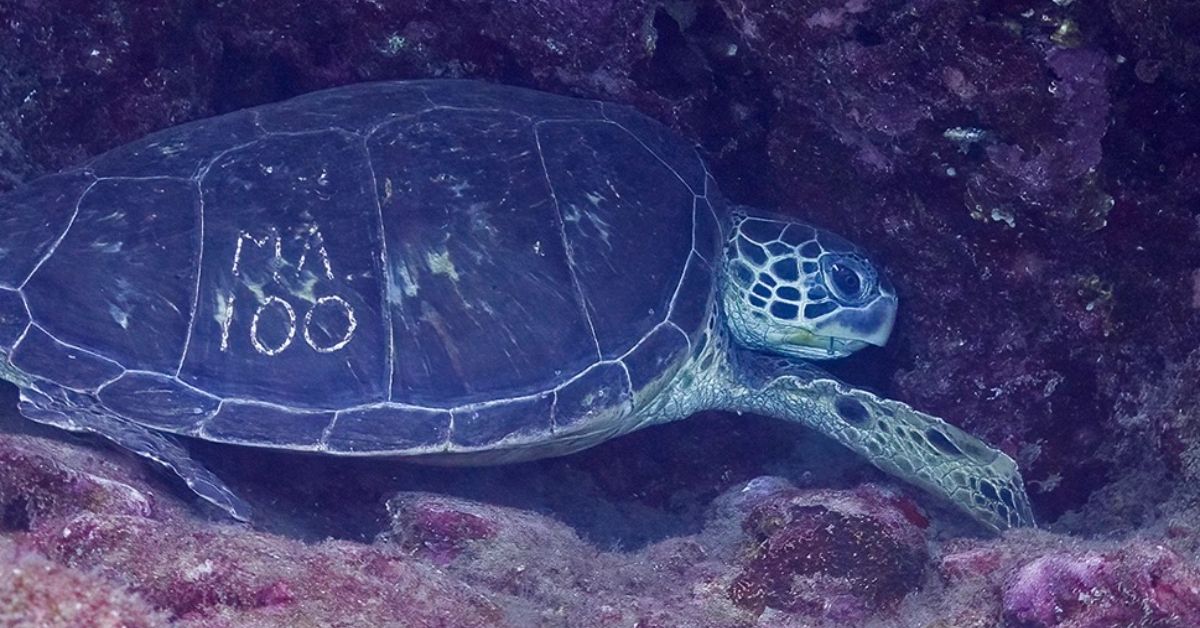
Concerned locals mistook turtle tracking marks for vandalism and reported it to authorities. Their alarm sparked a crowdsourced conservation program that's now protecting endangered sea turtles across Hawaii.