Bees Make Perfect Baby Food From Mixed Pollen Sources
Scientists discovered honeybees blend pollen from different flowers to create nutritionally balanced "baby food" for their young. The finding reveals why wild bees need diverse flowers to thrive.
Honeybees are master nutritionists, blending pollen from various flowers into perfectly balanced meals for their babies, according to breakthrough research from the University of Oxford.
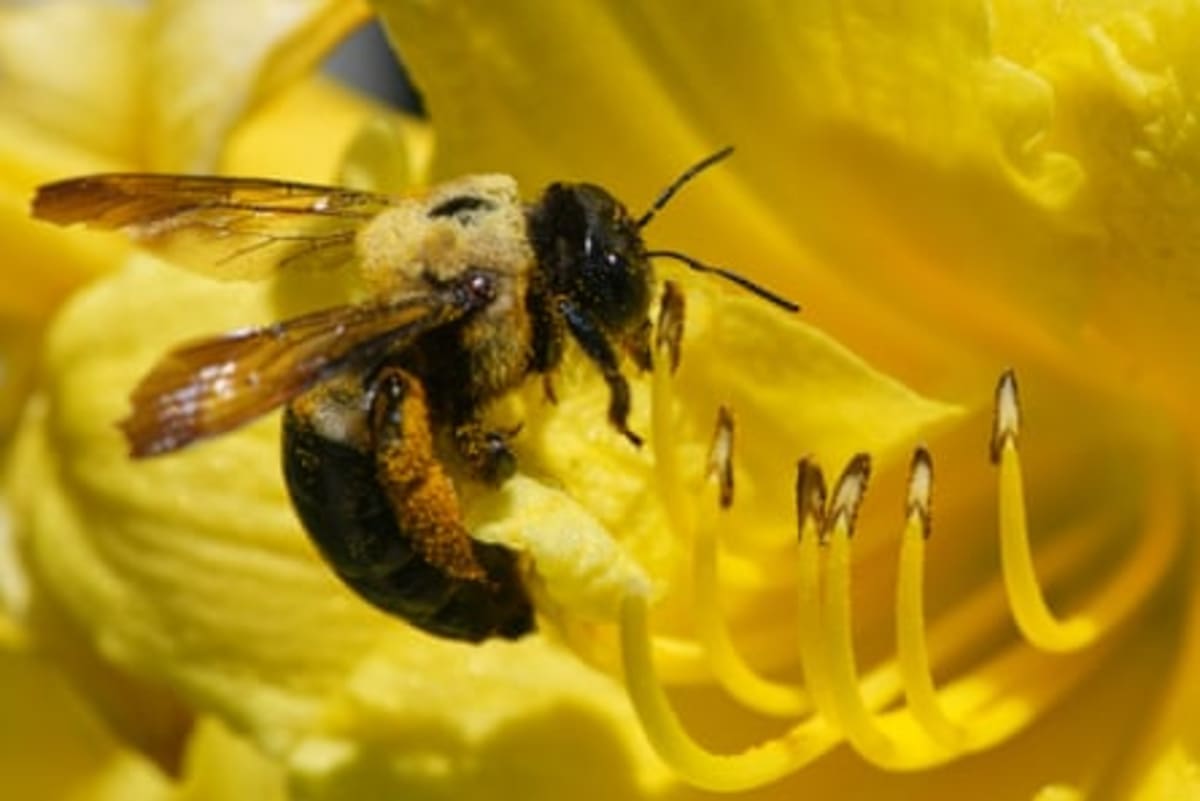
While most people know bees collect pollen, scientists just discovered something remarkable. Adult bees mix different pollen types and transform them through their bodies into royal jelly, a superfood that matches the exact nutritional needs of growing larvae.
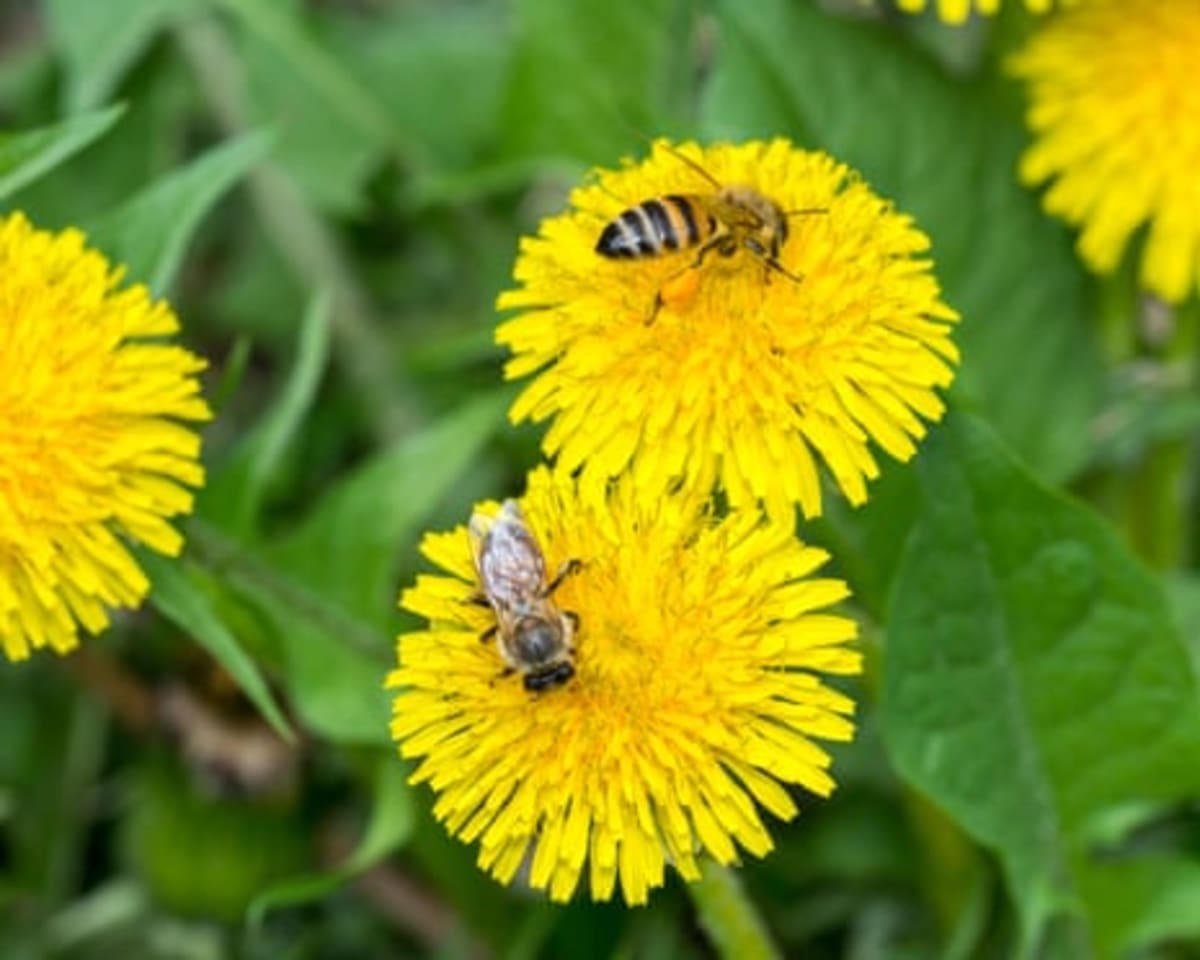
Professor Geraldine Wright and her team tested pollen from 99 British flowering plants and found a surprising problem. Most individual pollen sources provide an unbalanced diet for bees, similar to humans trying to survive on only one type of food.
The research revealed that pollen serves the plant's reproductive needs first, not bee nutrition. This creates a mismatch between what flowers offer and what bees actually need to grow strong and healthy.
Here's where bees show their brilliance. Worker bees collect pollen from many different flowers and store it as "bee bread" in the hive. Nurse bees then eat this mixed pollen and convert it through special glands into royal jelly, which they feed to baby bees.
When researchers analyzed royal jelly, they found it closely matched the amino acid profile that growing bees need. The nurse bees essentially became living blenders, creating custom nutrition for their young.
The study also uncovered how adult bees regulate their own diets. When pollen contains too much histidine, an amino acid bees need only in small amounts, they automatically eat less overall food to avoid overconsumption.
The Ripple Effect
This discovery carries important lessons for anyone planting pollinator gardens. The research suggests that having many different types of flowers matters just as much as having lots of flowers.
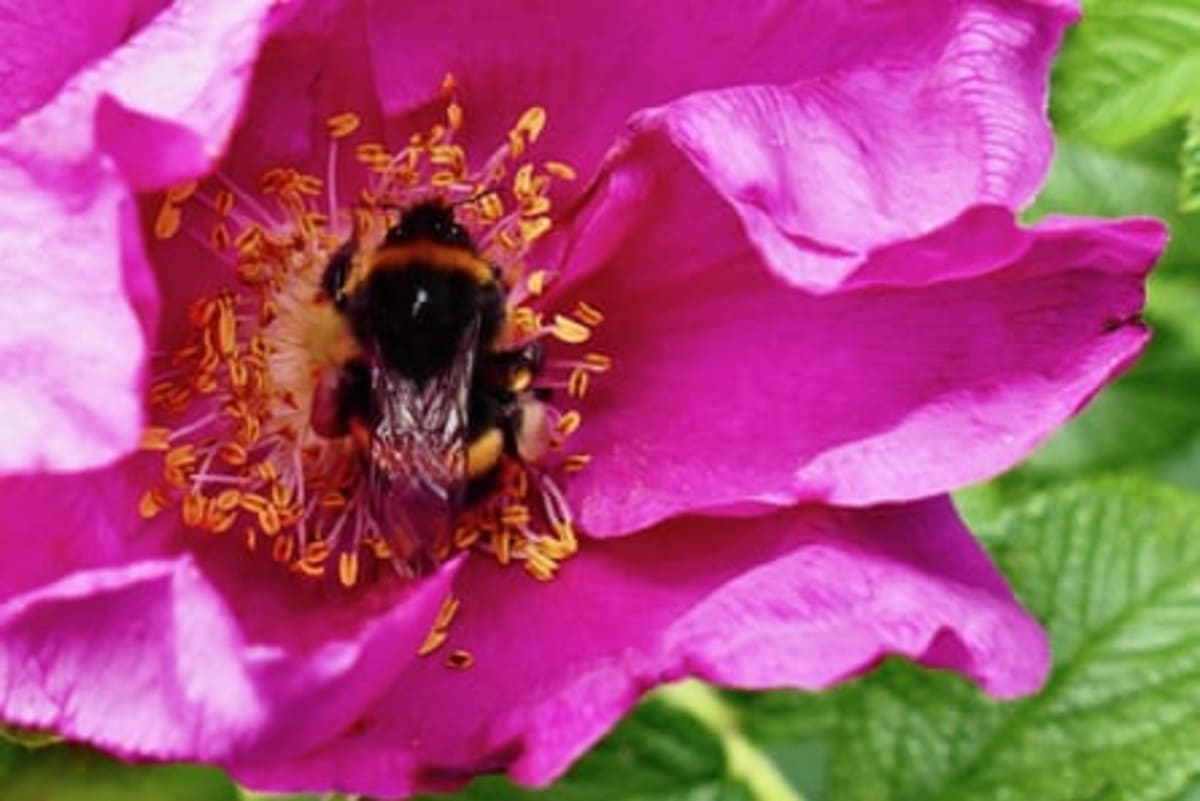
Wild bee species face a bigger challenge than honeybees because many feed pollen directly to their young without the mixing and processing step. These bees absolutely need access to diverse pollen sources to give their babies balanced nutrition.
The findings could reshape how landowners and gardeners approach pollinator-friendly planting. Instead of just counting flowers, conservation efforts should focus on providing a buffet of different pollen types throughout the growing season.
Wright emphasized that variety may be essential for bee survival. Just as humans need diverse foods for good health, bees require multiple pollen sources to obtain the right balance of nutrients for themselves and their young.
The research offers a hopeful path forward for bee conservation at a time when pollinator populations face multiple threats. By understanding exactly what bees need nutritionally, people can make smarter choices about which flowers to plant and protect.
This tiny insight into hive life reveals nature's elegant solution to a complex problem and shows us how to help.
More Images

Based on reporting by Google News - Health
This story was written by BrightWire based on verified news reports.
Spread the positivity!
Share this good news with someone who needs it