Scientists Detect Magnetic Fields on 7 Distant Planets
For the first time, astronomers have found strong evidence of protective magnetic fields around planets outside our solar system. This discovery could help us understand which distant worlds might one day support life.
Scientists just took a giant leap toward understanding which planets beyond Earth might harbor life.
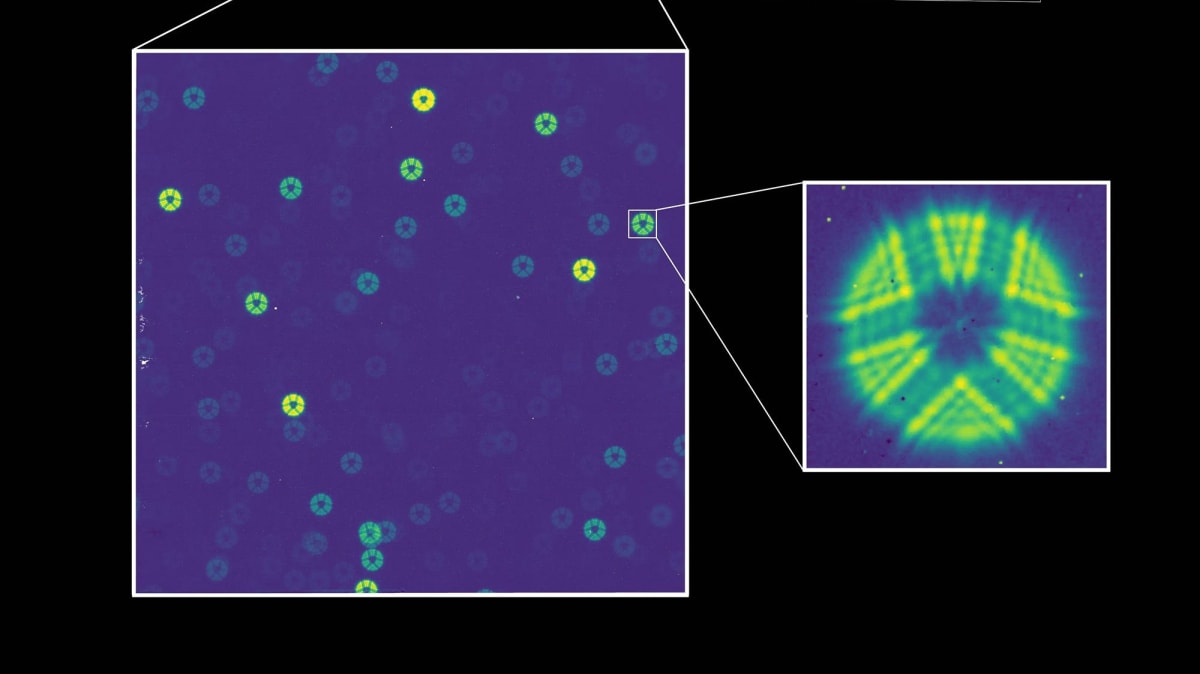
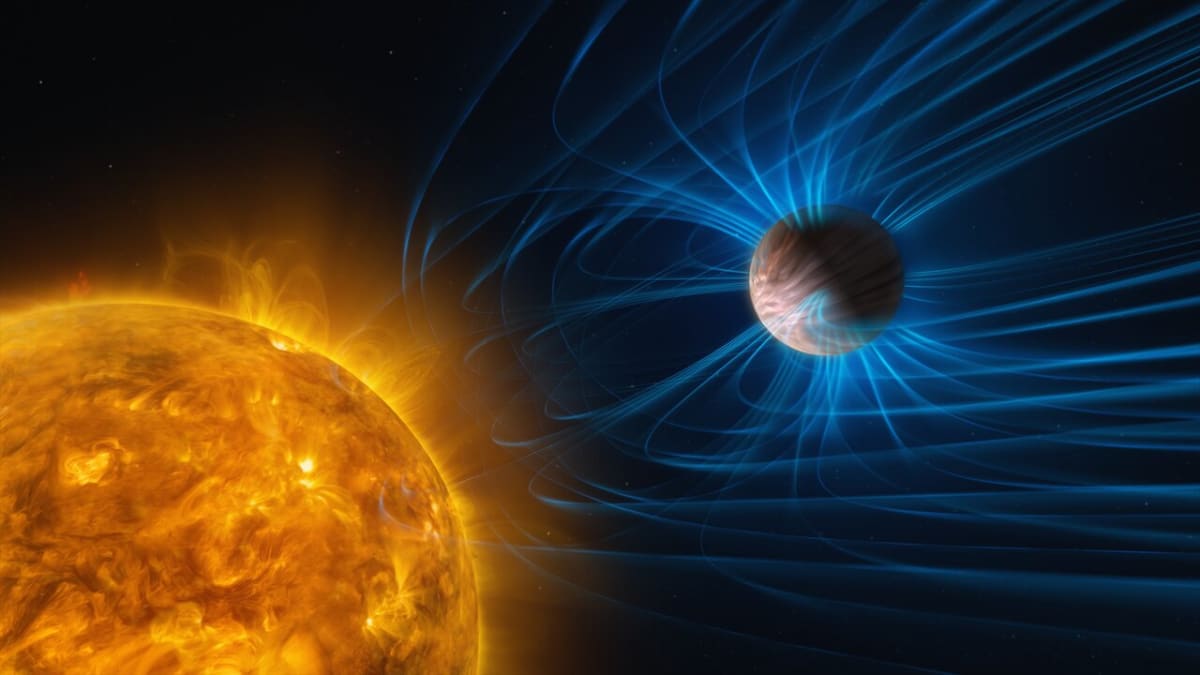
A team of astronomers working with the European Southern Observatory discovered the first solid evidence of magnetic fields around seven Jupiter-like planets orbiting distant stars. These invisible shields work just like Earth's magnetosphere, protecting atmospheres from being stripped away by stellar winds.
The discovery happened almost by accident. Lead researcher Julia Seidel and her team at France's Laboratoire Lagrange initially set out to measure wind speeds on these scorching hot worlds. Each planet sits extremely close to its star, tidally locked like our Moon, with one side in permanent day and the other in endless night.
The wind measurements revealed something puzzling. Speeds ranged from 7,200 to over 25,000 kilometers per hour, far faster than Jupiter's 1,500 kmph gusts. But the hottest planets had the slowest winds, completely defying expectations.
"This is totally counter intuitive because hot planets have more energy to accelerate the winds," explains study co-author Vivien Parmentier. Something had to be slowing them down.
The answer: planet-wide magnetic fields acting as brakes on charged particles in the atmosphere. The team measured field strengths comparable to our own solar system, about half as strong as Jupiter's or four times Saturn's.
The Ripple Effect
This breakthrough opens entirely new possibilities for finding habitable worlds. Mars lost its atmosphere and water billions of years ago when its magnetic field disappeared. Without that protective shield, solar radiation stripped away the gases that might have supported life.
Now scientists can begin comparing magnetic environments across the galaxy. They can identify which planets have the protection needed to keep their atmospheres and water intact over billions of years.
The discovery also suggests these distant worlds might host spectacular auroras, similar to Earth's northern lights but far more dramatic. Charged particles guided by magnetic fields toward the poles could create vast displays of light dancing across skies that are half in perpetual day and half in endless night.
The team is already looking ahead to the European Southern Observatory's Extremely Large Telescope, which will help detect magnetic fields not just on gas giants but on smaller, rocky worlds like Earth. That could reveal which planets in the habitable zone of their stars have the right conditions for life.
After 15 years of trying, astronomers finally have a tool to answer one of the biggest questions in space exploration: which worlds can stay alive long enough for life to begin.
More Images


Based on reporting by Good News Network
This story was written by BrightWire based on verified news reports.
Spread the positivity!
Share this good news with someone who needs it