
Teen Built Microplastic Filter in Her Garage
An 18-year-old Virginia high schooler created a water filter that removes 95% of microplastics using magnetic oil. Mia Heller's invention needs no membranes or constant maintenance and recycles itself.
Find uplifting stories about heroes, innovations, and solutions
157 results for "** microplastics"
An 18-year-old Virginia high schooler created a water filter that removes 95% of microplastics using magnetic oil. Mia Heller's invention needs no membranes or constant maintenance and recycles itself.
%3Amax_bytes(150000)%3Astrip_icc()%2FScientists-Say-This-New-Technology-Can-Remove-over-90-of-Microplastics-from-Water-4f2d108b90414b798a9643ab229af46d.jpg)
Scientists have developed a breakthrough system using tiny bubbles that removes up to 97% of microplastics from wastewater. The technology could soon help filter drinking water too, protecting both human health and ocean ecosystems.

New research reveals land releases 20 times more microplastic particles into the air than oceans do, overturning what scientists previously believed. The findings also show that earlier estimates dramatically overestimated how much plastic pollution floats through our atmosphere.
%2Fhttps%3A%2F%2Ftf-cmsv2-smithsonianmag-media.s3.amazonaws.com%2Ffiler_public%2F25%2Fcb%2F25cb708a-97b2-463b-b3f6-c208632d7dbc%2Fgettyimages-645604187.jpg)
An 18-year-old Virginia student created a self-cleaning water filter that removes nearly all microplastics without expensive membranes. Her invention costs less and requires almost no maintenance compared to traditional systems.
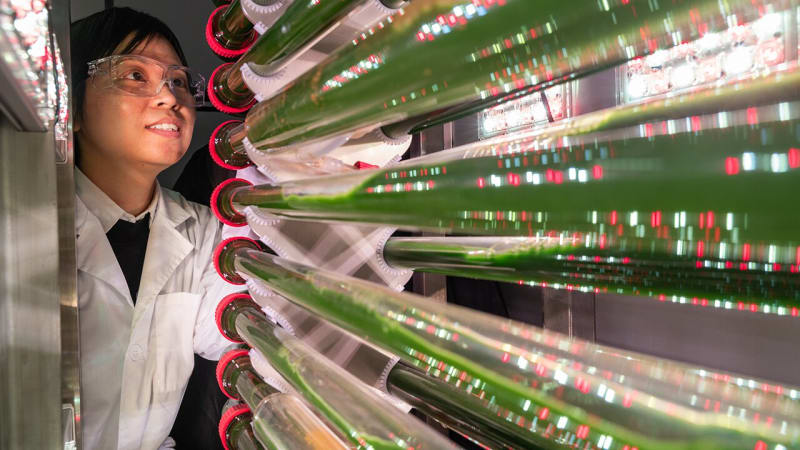
A University of Missouri scientist engineered algae that attracts and removes microplastics from water while cleaning wastewater and creating useful bioplastic products. The breakthrough could transform how cities treat water and tackle plastic pollution.
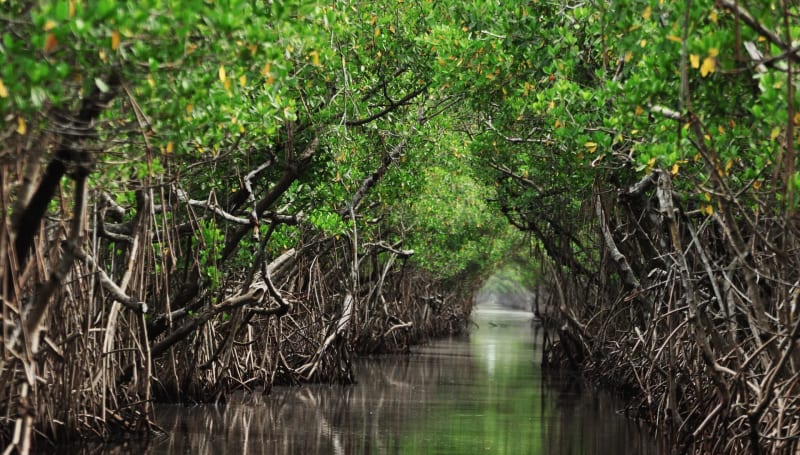
Scientists discovered that fiddler crabs in Colombia's polluted mangrove forests are breaking down microplastics at record rates, absorbing 16 times the concentration found in soil. While not a cure-all, the discovery reveals how nature adapts to human-made challenges in unexpected ways.
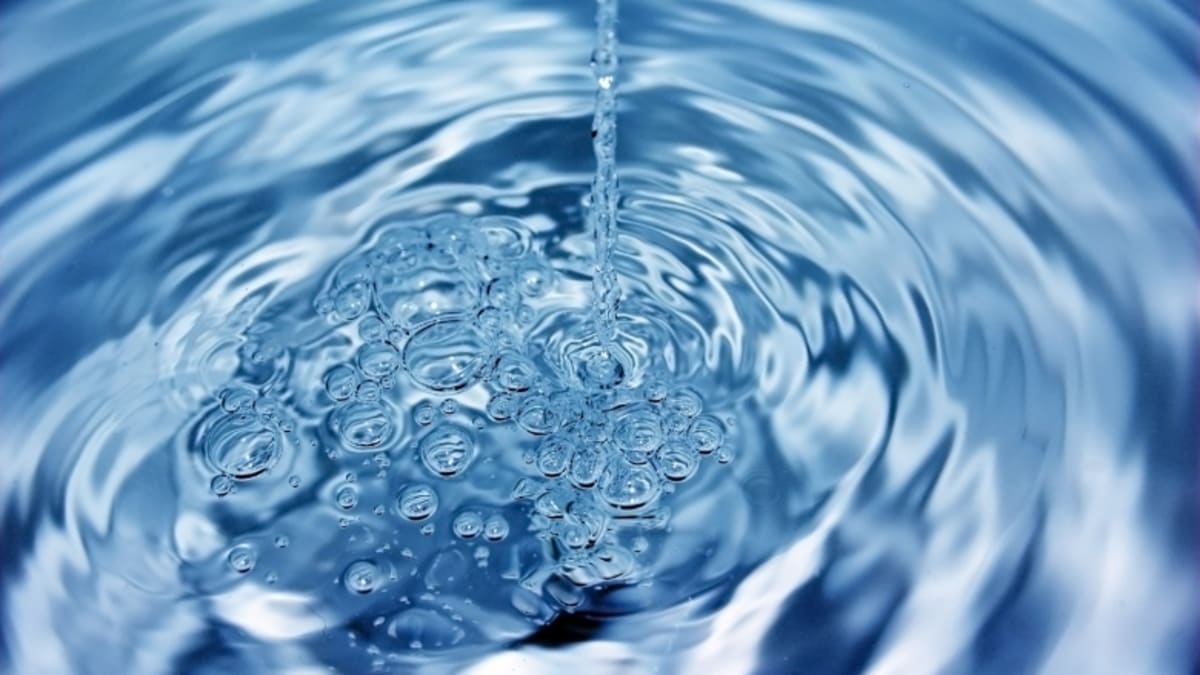
Scientists in Brazil discovered that seeds from the Moringa oleifera plant can filter out nearly all microplastics from drinking water, offering a natural alternative to chemicals that works better across different water conditions. The breakthrough could make clean water more accessible and affordable worldwide.
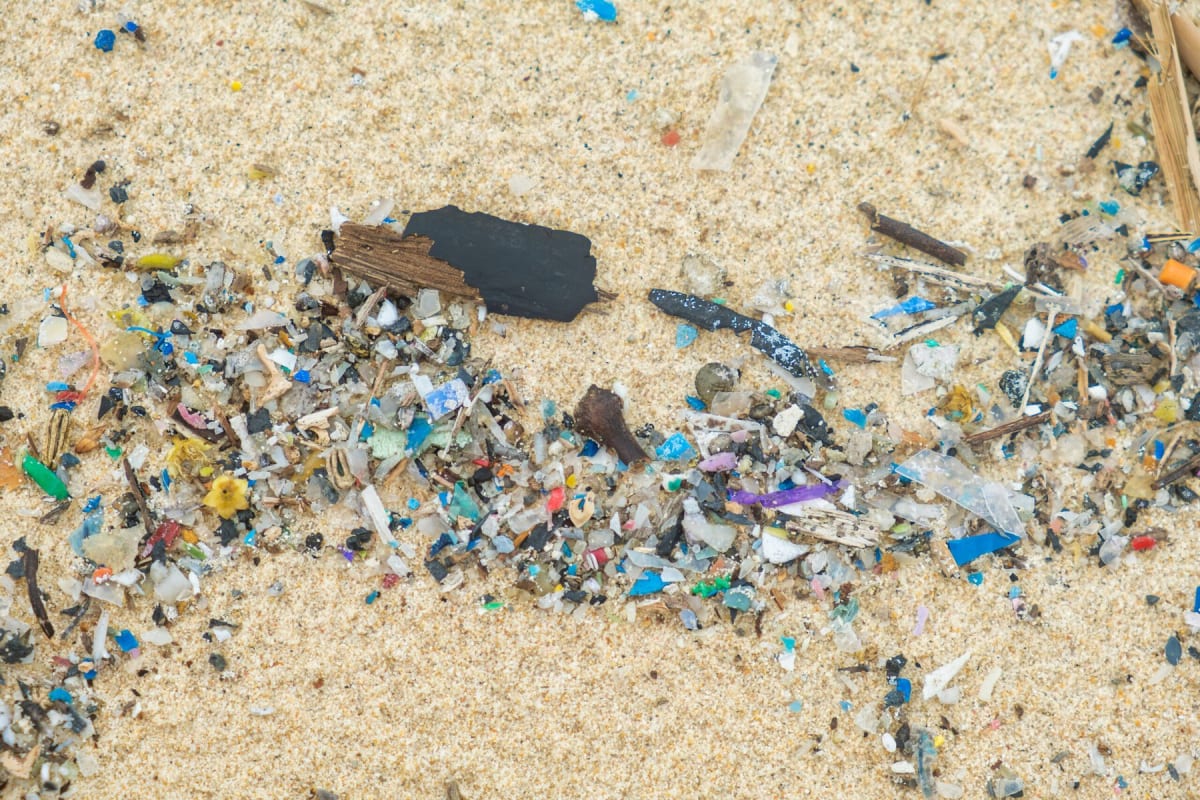
A breakthrough laundry filter catches the tiny plastic fibers that shed from synthetic clothing during washing, stopping them before they reach our waterways. About 69% of our clothes contain these microplastics that normally flow straight into rivers and oceans.

Brazilian scientists discovered that common moringa seeds can remove dangerous microplastics from water just as well as harsh chemicals. This natural, low-cost solution could transform water safety in communities worldwide.
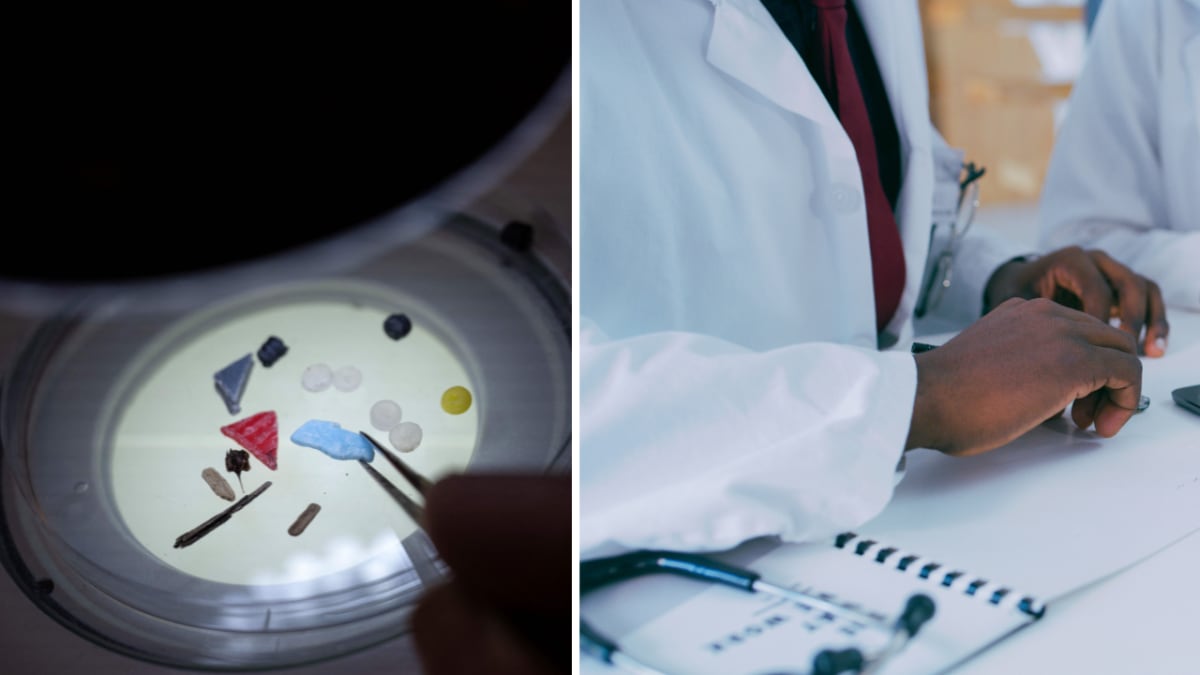
The federal government just announced a groundbreaking $134 million initiative to measure, track, and safely remove microplastics from human bodies and drinking water. Every tested human placenta contains plastic particles, but scientists are finally fighting back.
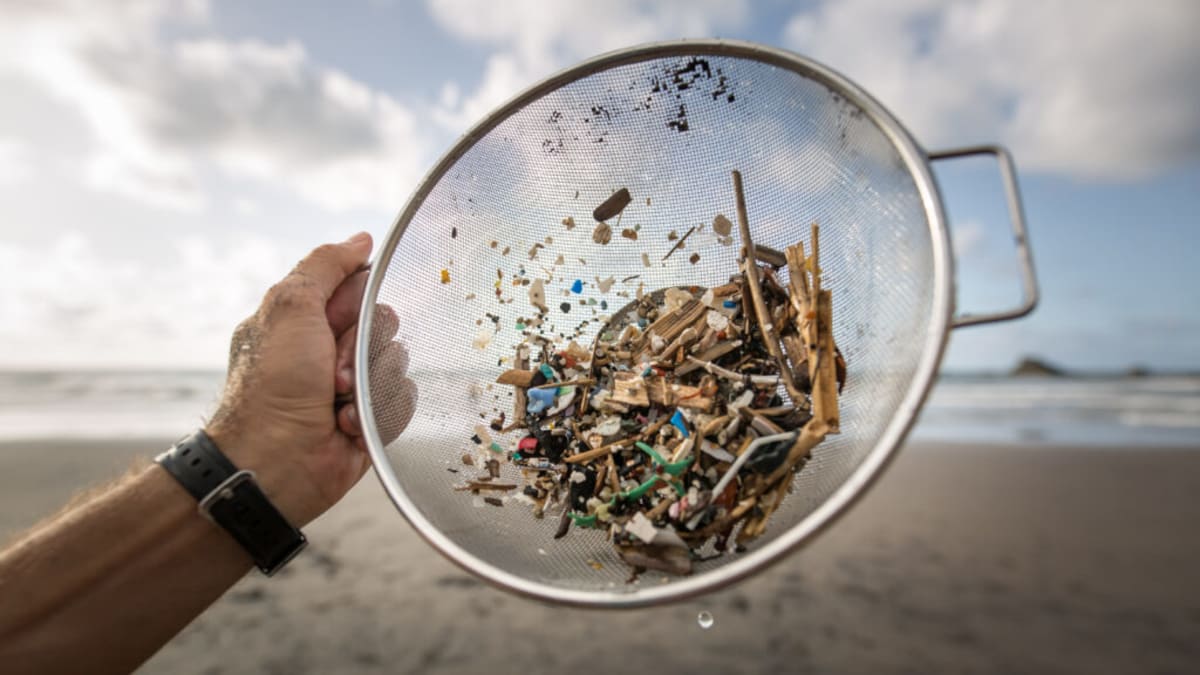
The EPA just took the first official step toward potentially regulating microplastics in America's drinking water. It's a process that could take years, but advocates say it's an important signal that the government is listening to public health concerns.
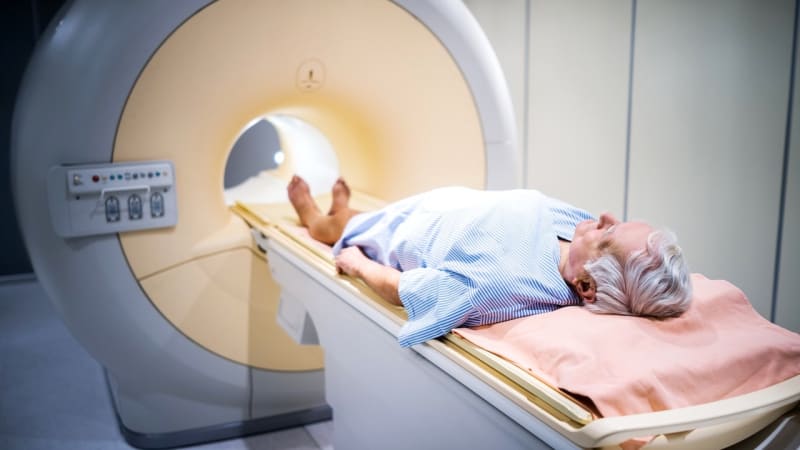
Scientists at NYU Langone Health discovered small plastic fragments in most prostate cancer tumors they examined, with cancerous tissue containing twice as much plastic as healthy tissue. While the finding doesn't prove microplastics cause cancer, it highlights a potential health concern and the need for more research.

The federal government just announced a major initiative to study and monitor microplastics in drinking water across America. The $144 million program will develop tools to measure these tiny plastic particles and understand their impact on human health.
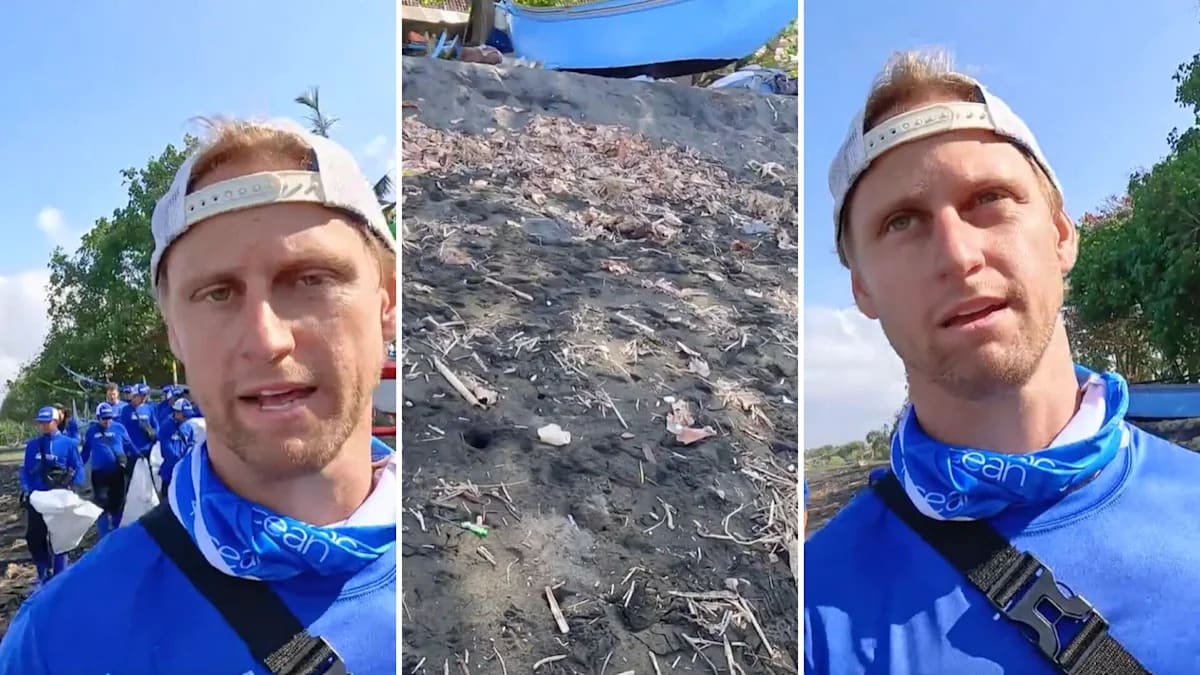
Ocean cleanup teams say the smartest way to prevent microplastics is surprisingly simple: grab the big stuff before it breaks down. One bottle removed today stops thousands of tiny fragments tomorrow.
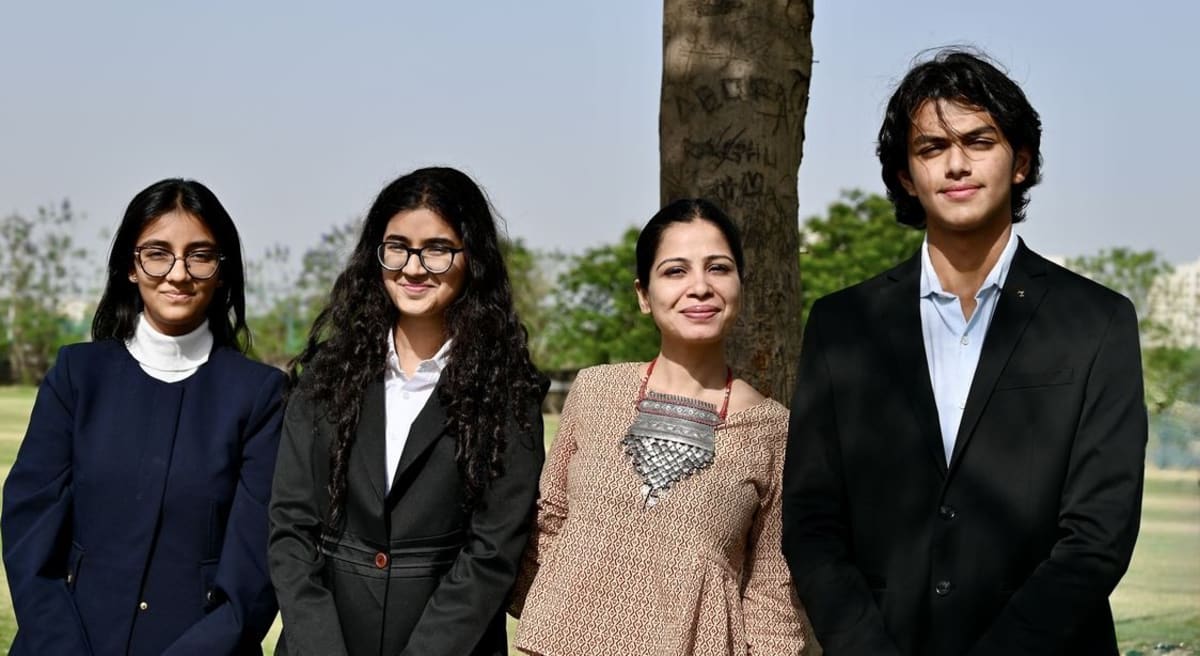
Three 16-year-olds from India just won the Global Earth Prize for inventing a powder made from tamarind seeds that removes microplastics from drinking water using nothing but a magnet. Their solution, called Plas-Stick, works without electricity and costs almost nothing to make.

Three 16-year-olds from India just won $100,000 for inventing a kitchen-ingredient solution that pulls invisible microplastics from drinking water using nothing but tamarind seed powder and a magnet. Their creation, called Plas-Stick, could help over 2 billion people who lack access to clean water infrastructure.
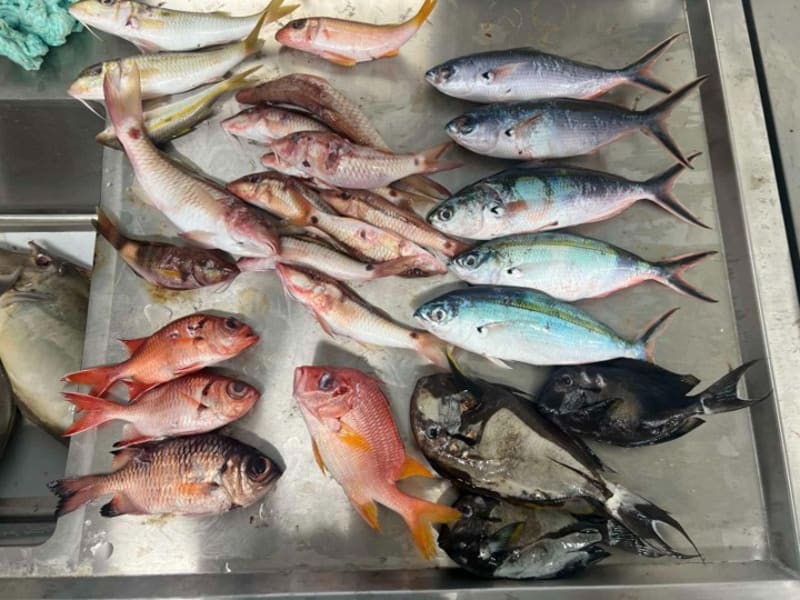
While one-third of Pacific fish contain microplastics, new research reveals some island nations have cracked the code on keeping their waters clean. Vanuatu's fish show just 5% contamination, proving remote islands can protect their ocean food supply.
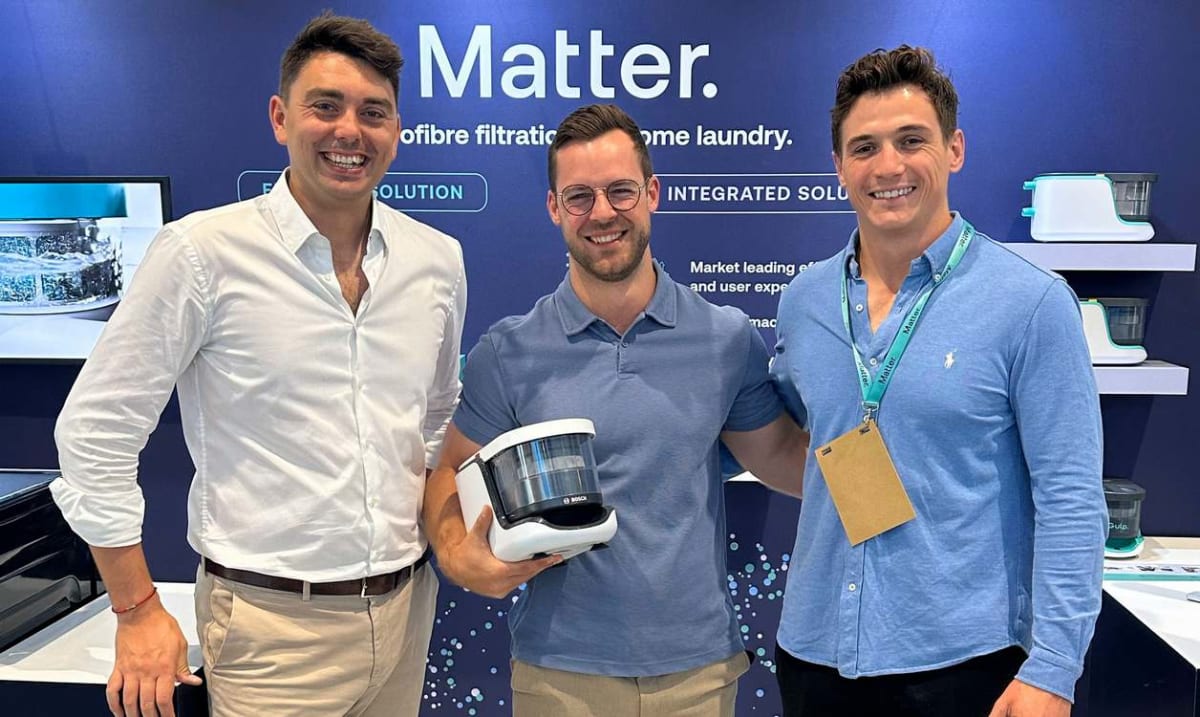
A simple washing machine filter invented by Adam Root is already stopping tons of microplastic fibers from entering our oceans and bodies. With backing from giants like Bosch and $20 million in funding, his device is scaling from homes to textile factories.

India's Tamil Nadu government is partnering with the prestigious Indian Institute of Technology-Madras to understand how microplastics in everyday food packaging affect human health. The groundbreaking study follows alarming research showing plastic compounds were found in the blood of newborn babies.
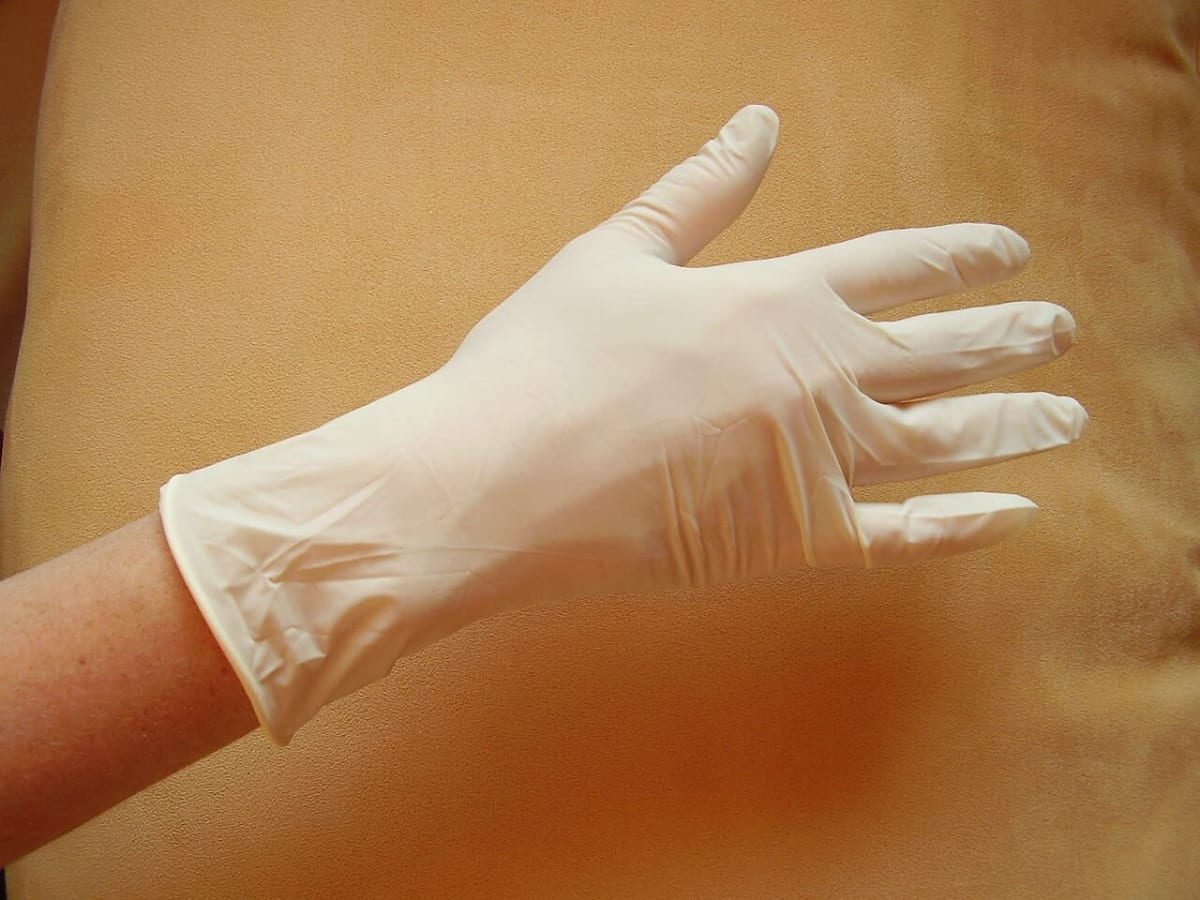
Scientists discovered their protective gloves were accidentally adding thousands of false plastic particles to pollution research. A chemistry team created new methods to fix contaminated data and help researchers avoid the mistake going forward.
Showing 20 of 157