
Art-Science Partnerships Gain Recognition as Trust Tool
Scientists are calling for more collaborations between artists and researchers to rebuild public confidence in science. The strategy comes as funding cuts threaten research programs worldwide.
Find uplifting stories about heroes, innovations, and solutions
11799 results for "addiction science"
Scientists are calling for more collaborations between artists and researchers to rebuild public confidence in science. The strategy comes as funding cuts threaten research programs worldwide.

A major science organization is launching a digital series that shows how Earth science research translates into real solutions for communities worldwide. The series premiews in December 2026 and goes global in January 2027.
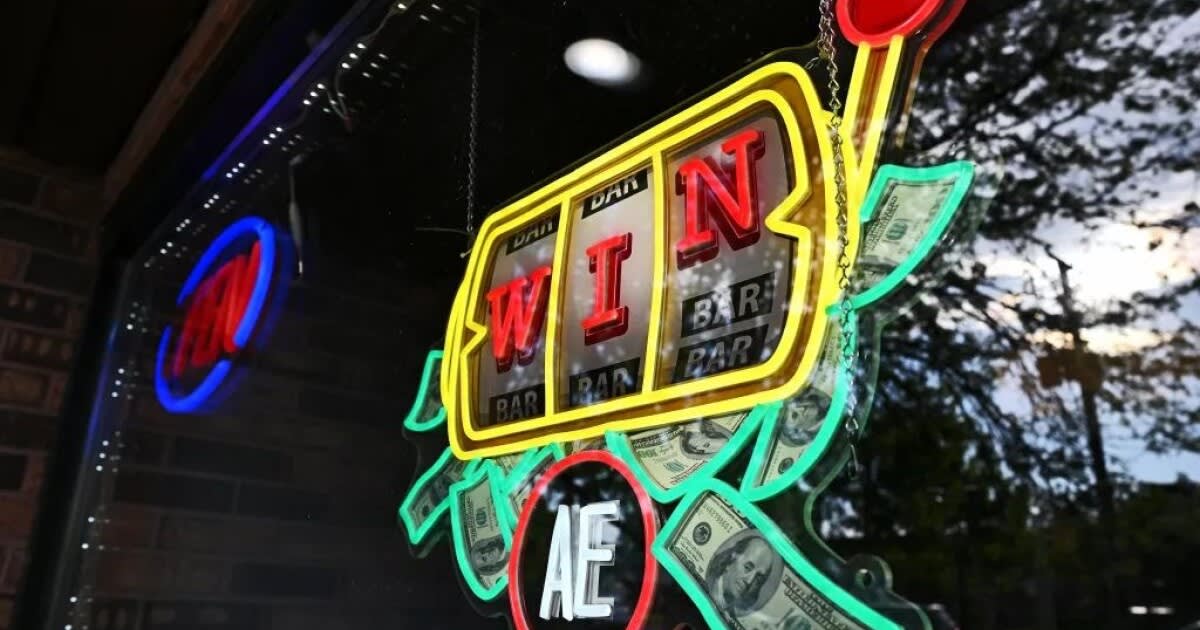
Illinois just became one of the first states to officially recognize gambling disorder as a medical addiction, opening doors to real treatment for over a million residents at risk. The new law puts compulsive gambling on equal footing with alcohol and drug addiction.

Over 900 Calgary students from Grade 5 to 12 are presenting their self-designed science experiments at the city's largest youth science fair this weekend. Two Grade 12 students developed a promising wound infection detector using red cabbage extract after a cooking accident sparked their curiosity.
Scientists discovered that a liver enzyme, not just brain chemistry, plays a major role in cocaine addiction. This breakthrough could lead to entirely new treatments that work by changing how the body processes addictive drugs.
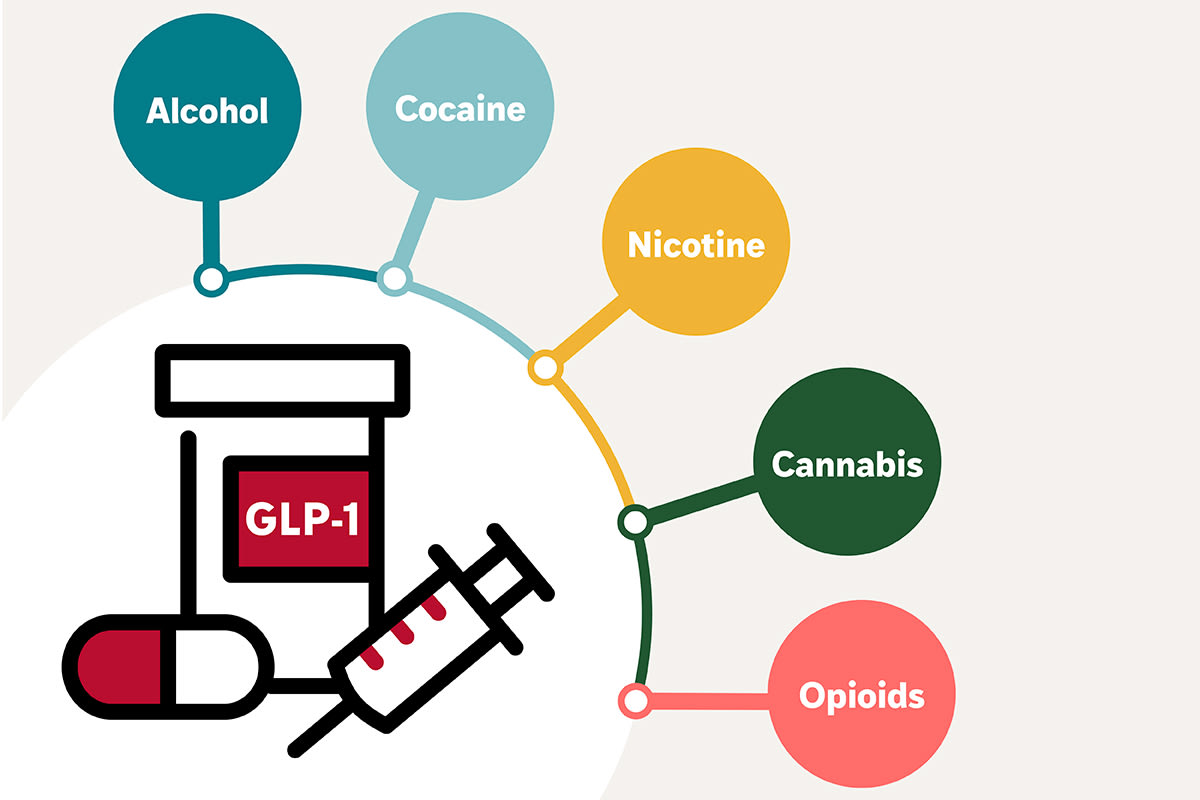
Weight loss medications like Ozempic and Mounjaro are showing remarkable promise in fighting addiction to all major substances, from alcohol to opioids. A study of over 600,000 veterans reveals these drugs reduce substance use disorders by blocking the cravings that fuel addiction.
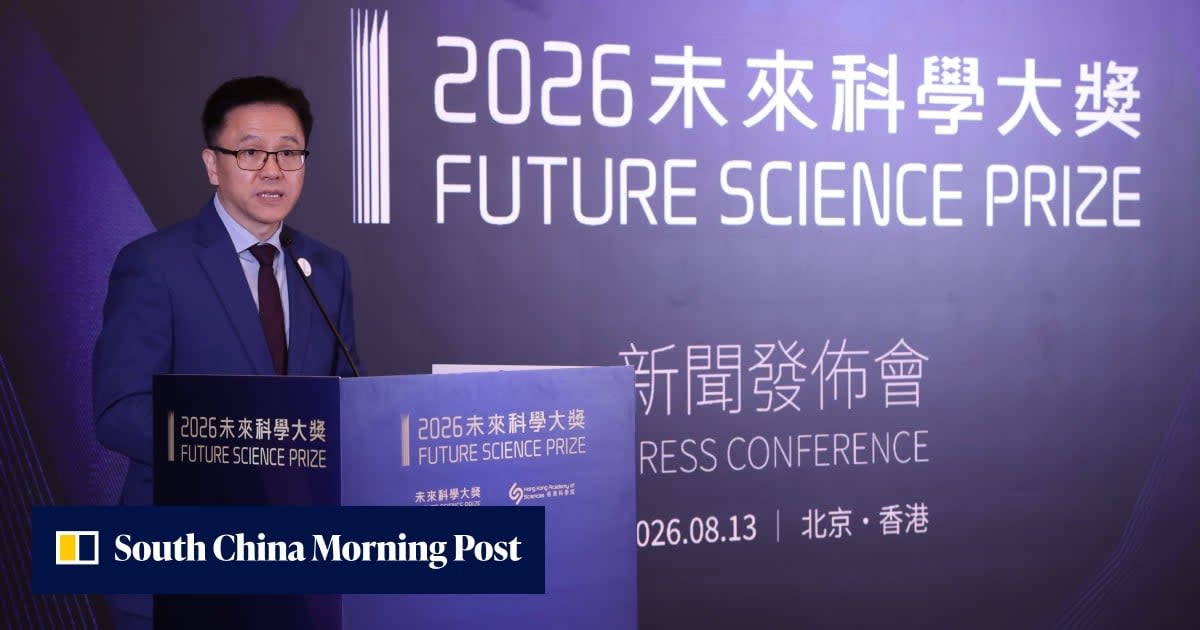
Three Chinese scientists won major awards for breakthrough research as Hong Kong cements its role as Asia's science hub. The Future Science Prize, China's first privately funded research award, chose the city for its fourth consecutive year.
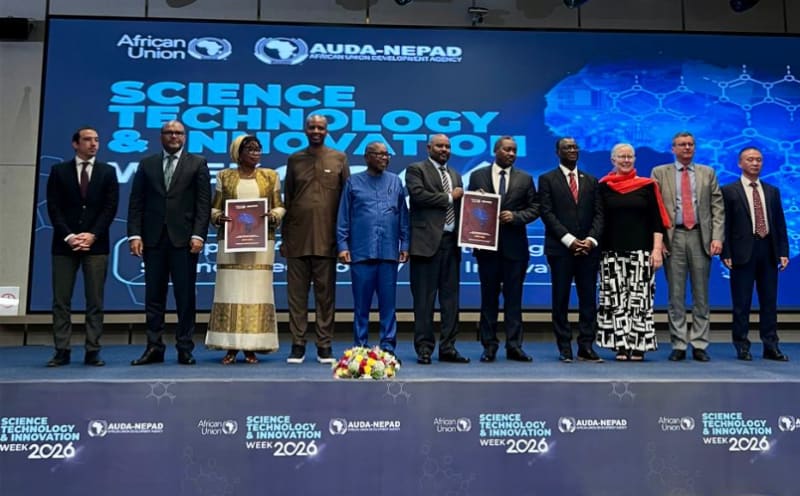
Six international partners just pledged $42 million to fuel Africa's ambitious 10-year science and innovation strategy. The funding will help African nations build stronger research systems and solve local challenges through homegrown science.

A public health professor is slashing his annual research output from 15 papers to just seven, betting that quality beats quantity in science. His radical move challenges a system where some researchers now pump out more than 60 papers yearly.
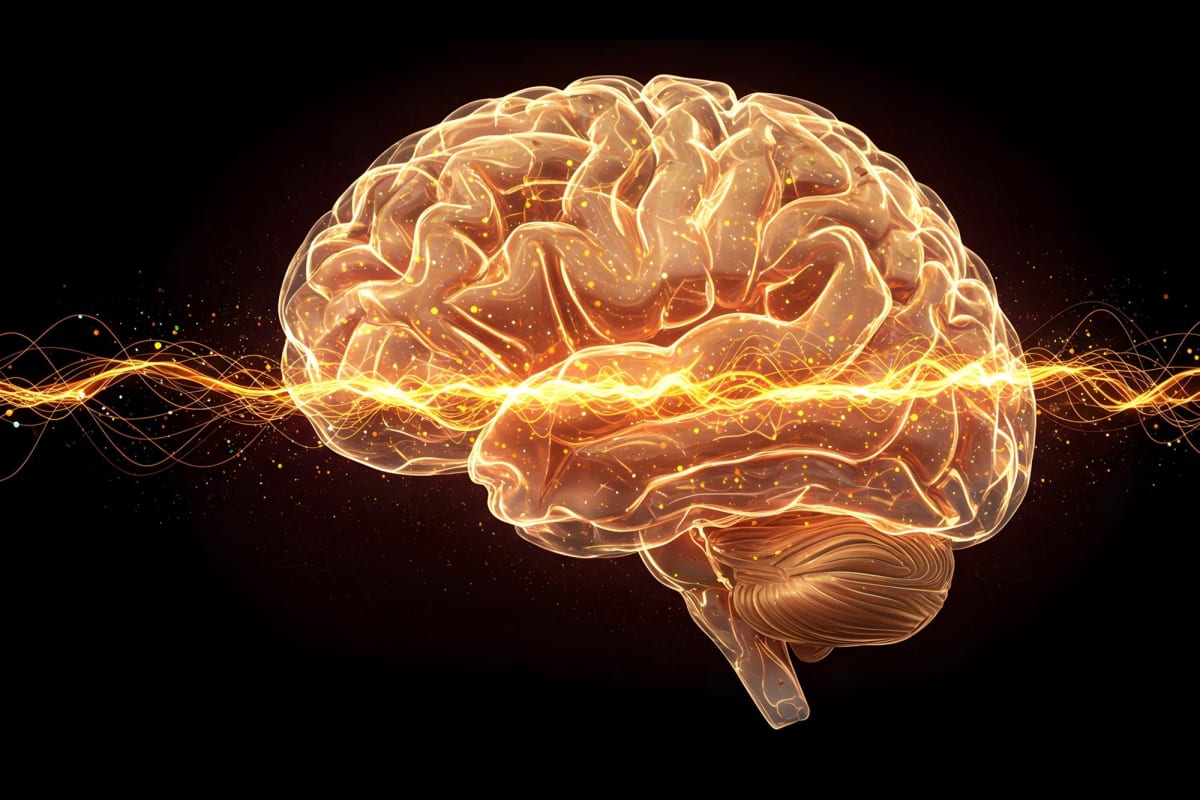
Michigan State researchers discovered a protein that rewires the brain during cocaine use, explaining why quitting is so hard. This breakthrough could lead to the first FDA-approved medication for cocaine addiction.

Science is catching up to what knitters have known for years: the simple act of working with yarn and needles can help people overcome everything from nail-biting to serious addictions. The best part? The only side effect is too many scarves.
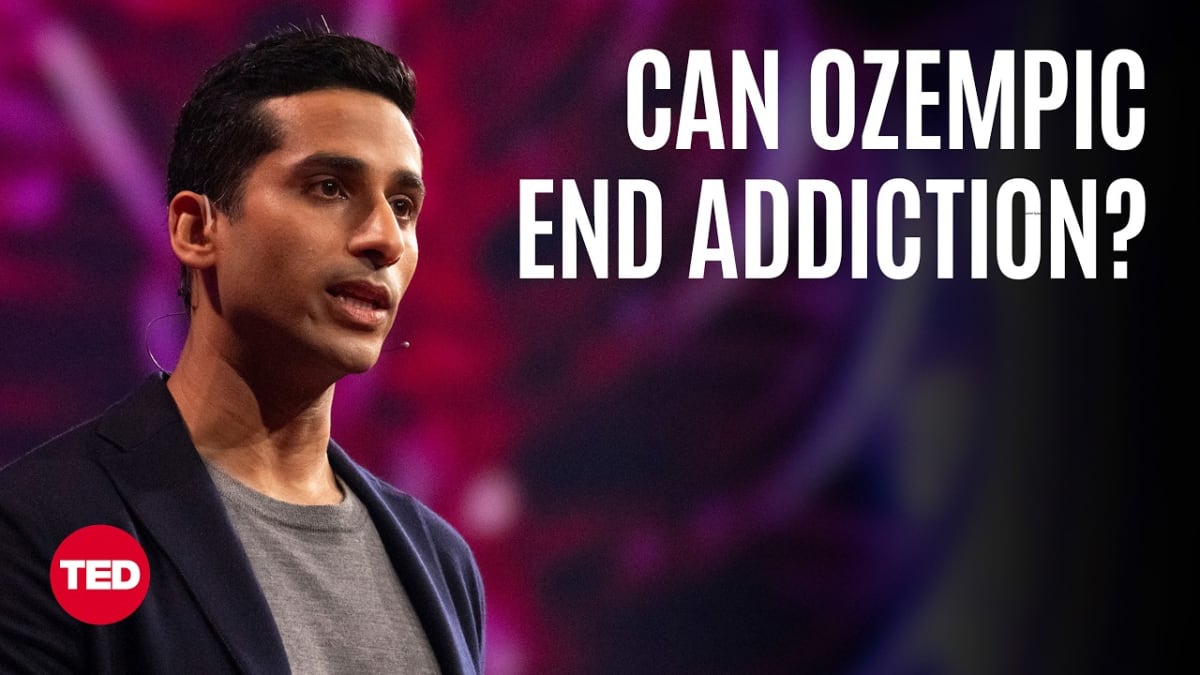
Medications like Ozempic, originally designed for diabetes, are showing unexpected promise in treating addiction by reducing cravings in the brain. Physician Dhruv Khullar explores how these "moderation molecules" could help millions struggling with substance abuse. #
)
Trinity College just unveiled a privately funded plan to triple the Cambridge Science Park's size, creating 20,000 high-value jobs while opening a free public Park of Science to inspire local kids in STEM. The 50-year masterplan transforms Britain's oldest science park into a £3 billion innovation hub for life sciences, tech, and clean energy.
_2026_01_24_00_21_01.jpg)
A father who lost everything to addiction now holds a steady job and is earning back his family's trust. Lisandro Fajardo's story proves recovery is possible, no matter how far you've fallen.
New research shows detox is only the beginning of addiction treatment, not the cure. Understanding addiction as a chronic brain condition is helping reshape recovery with more effective, long-term approaches.
China's largest research institution is redirecting funds from expensive Western science journals to build its own publishing system. The move could reshape global science publishing and make research more accessible worldwide.
A new therapy program helped 46 college students struggling with gaming addiction regain control of their lives through mindfulness and self-care practices. One month after the program ended, participants still showed improved self-control and reduced stress.

Illinois just became one of the first states to officially recognize gambling disorder as a medical addiction, opening doors to real treatment for over a million residents struggling in silence. The new law puts gambling addiction on equal footing with alcohol and drug disorders.

The National Science Foundation just launched a $100 million program to transform existing scientific datasets into AI-ready tools that could accelerate breakthroughs across research fields. Instead of collecting new data, scientists will unlock hidden insights from decades of valuable research already sitting in databases.

A billionaire-backed vessel is revolutionizing marine research by pairing cutting-edge science with Hollywood-level storytelling. OceanXplorer partners with local scientists worldwide to explore the deep sea while sharing discoveries with millions online.
Showing 20 of 11799