China's Diamond Cooling Tech Boosts AI Data Centers 80%
Chinese scientists just cracked a major barrier in AI computing with a breakthrough cooling material. Their diamond-copper composite could keep tomorrow's supercharged chips from overheating.
Find uplifting stories about heroes, innovations, and solutions
38 results for "ai data centers"

Chinese scientists just cracked a major barrier in AI computing with a breakthrough cooling material. Their diamond-copper composite could keep tomorrow's supercharged chips from overheating.

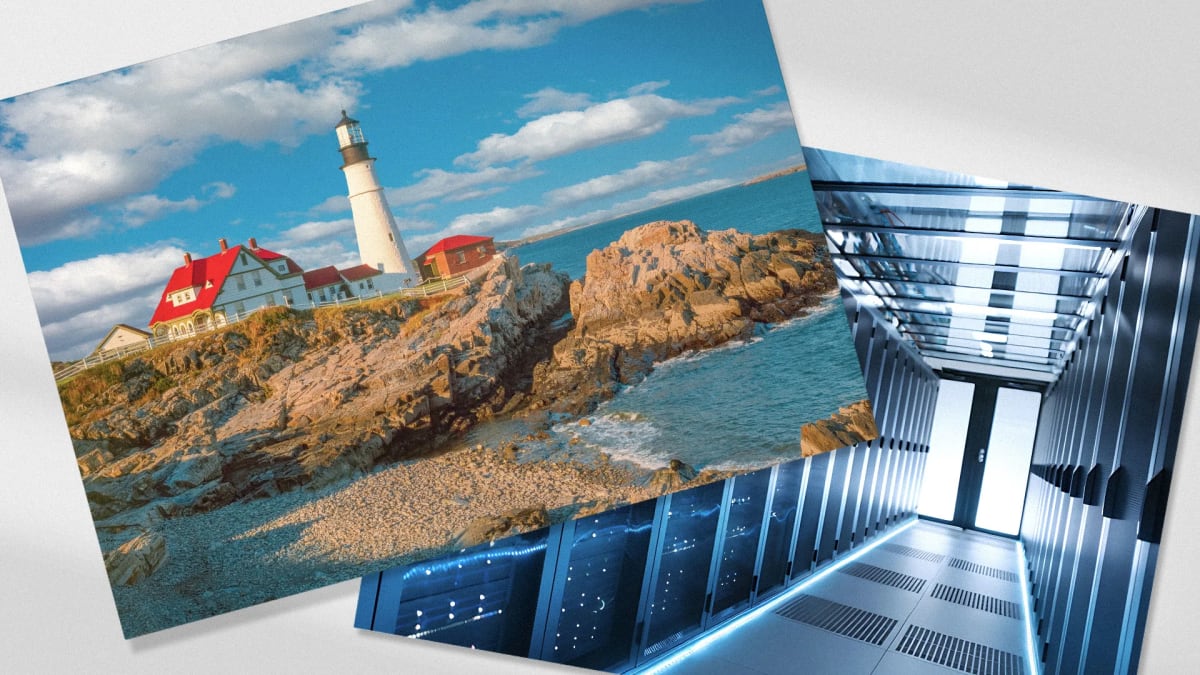
Maine just became the first state to hit pause on massive AI data centers, giving communities a voice in shaping tech's future. The temporary ban creates space for thoughtful planning instead of rushed expansion.

Maine just became the first state to hit pause on massive AI data centers, giving communities time to understand how these power-hungry facilities will affect electric bills and the environment. At least 11 other states are watching closely as Maine tests a new way to balance tech growth with grid stability.

A new program will install powerful computers in homes to create a distributed cloud network, paying homeowners with discounted or even free electricity and internet. The first 100 systems roll out in the Southwest by late 2026.

Maine just became the first US state to hit pause on massive AI data centers, giving communities time to understand how these energy-hungry facilities will affect electricity bills and local resources. Eleven other states are watching closely and considering similar moves.

Intel just created a breakthrough chip thinner than a human hair that could slash the massive power bills drowning AI data centers. The 19-micrometer chiplet brings power conversion right next to processors, cutting energy waste and heat.

Scientists have figured out how to turn energy-hungry AI data centers into virtual batteries that stabilize power grids and speed up clean energy adoption. The same technology creating our energy crisis might be smart enough to solve it.

A bus-sized machine is etching the world's smallest computer chip features at just eight nanometers, tripling transistor counts while keeping energy use flat. The breakthrough could let AI data centers run three times faster without burning more power.

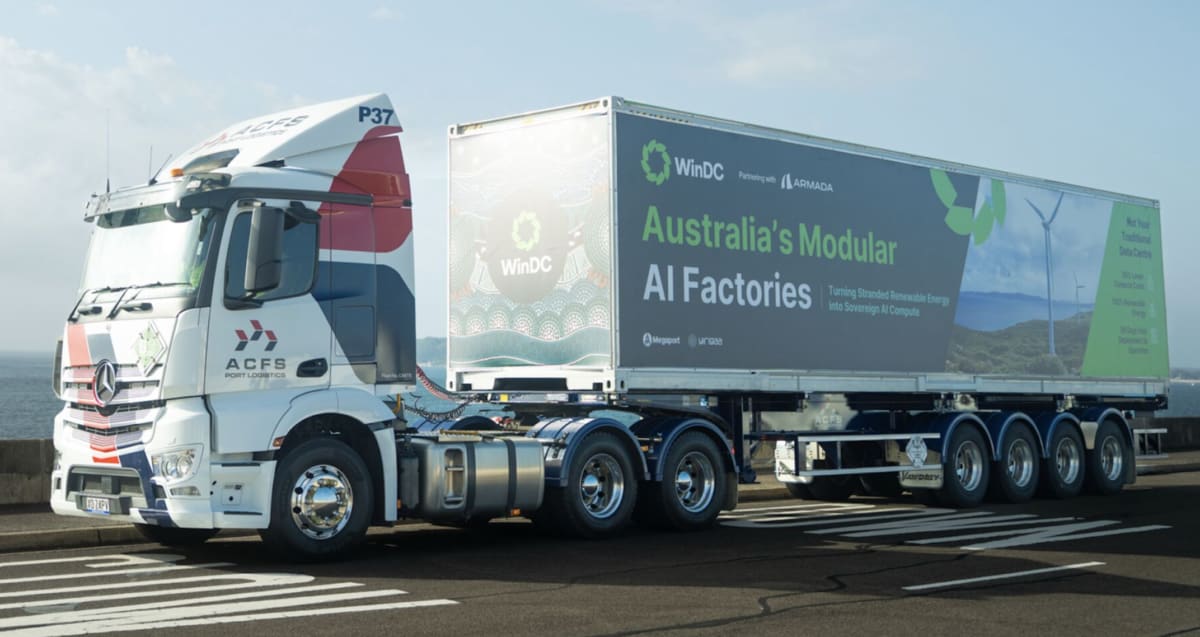
Australia is solving its energy grid problem by putting data centers directly on solar and wind farms. Shipping container-sized units will power AI computing with 100% renewable energy in just 90 days.

The Seminole Nation of Oklahoma made history as the first Indigenous nation to officially ban data center construction on its sovereign land. In a unanimous vote, tribal leaders chose environmental protection over tech development.

Dead electric vehicle batteries are getting a second life powering AI data centers in Nevada. Crusoe and Redwood Energy just proved that recycling can be both green and practical.
A Singapore company is pioneering clean energy solutions to power the massive electricity needs of artificial intelligence, including the nation's first floating hydrogen generator. The breakthrough could help AI grow sustainably across Asia.

A Norwegian company has launched the world's first floating data center that's powered and cooled entirely by offshore wind turbines. The innovation solves two of tech's biggest problems: where to put massive AI facilities and how to keep them from overheating.

A California company just secured the technology to manufacture solar panels 40% more powerful than today's models, all made in America. The breakthrough could help power AI data centers and clean up the grid without relying on overseas supply chains.

Two companies are launching a hydrogen-powered system to run AI data centers in Singapore without diesel emissions. The trial could help solve the city's growing power demands while cutting carbon output.

Technology giant HPE is transforming the massive heat from AI data centers into usable energy for agriculture, manufacturing, and heating buildings. The company is also using tech to fight forced labor in global supply chains.

A Norwegian company just unveiled a revolutionary platform that combines offshore wind turbines, batteries, and AI data centers on a single floating structure. The innovation could help countries build massive computing power where land and energy are scarce.

TerraPower just became the first company to get federal approval for an advanced nuclear reactor in the US. The Wyoming plant could power AI data centers and fight climate change when it opens in 2030.

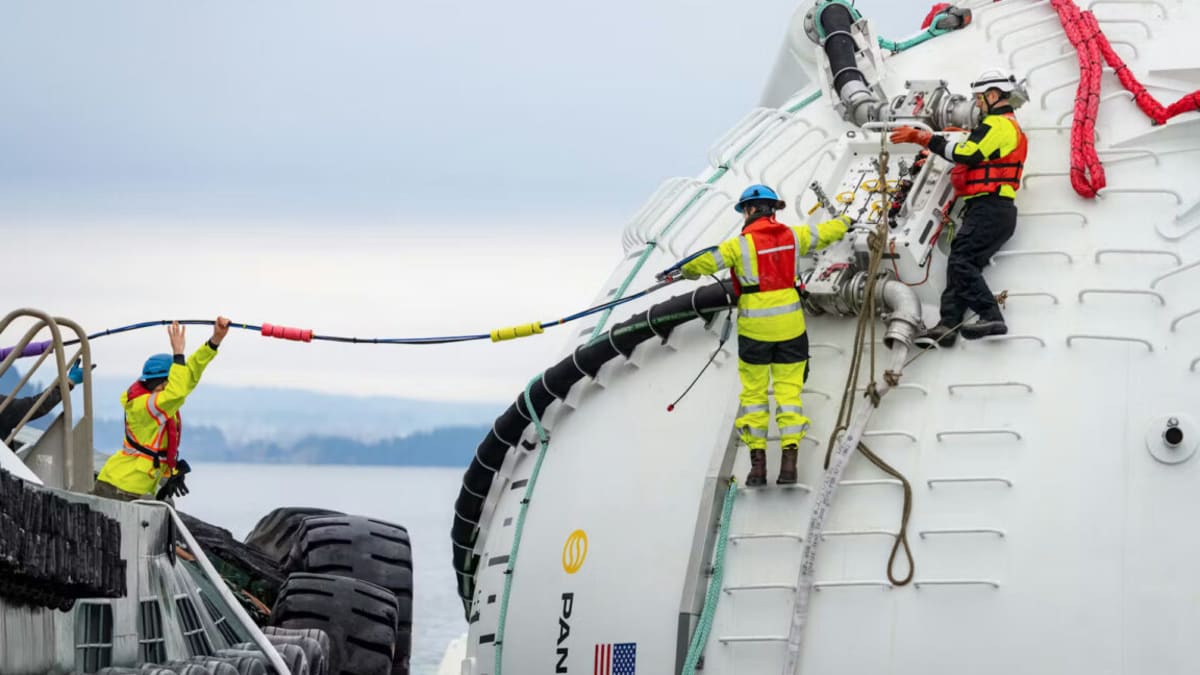
A California company is solving AI's massive energy problem by tucking data centers into underwater tanks that keep offshore wind turbines afloat. The clever design uses ocean water for cooling and renewable energy for power.

Scientists at Penn State have created a breakthrough memory device that combines synthetic DNA with solar cell materials, using 100 times less power than flash drives while storing far more data. The innovation could revolutionize energy-hungry AI data centers and pave the way for brain-like computing.
Showing 20 of 38