Ambrosia Sky Completes Story with Free August Update
Indie game Ambrosia Sky is giving players a gift this summer. The emotional sci-fi adventure wraps up its story on August 6 with a free final chapter for everyone who already owns the game.
Find uplifting stories about heroes, innovations, and solutions
2383 results for "ambrosia sky"
Indie game Ambrosia Sky is giving players a gift this summer. The emotional sci-fi adventure wraps up its story on August 6 with a free final chapter for everyone who already owns the game.
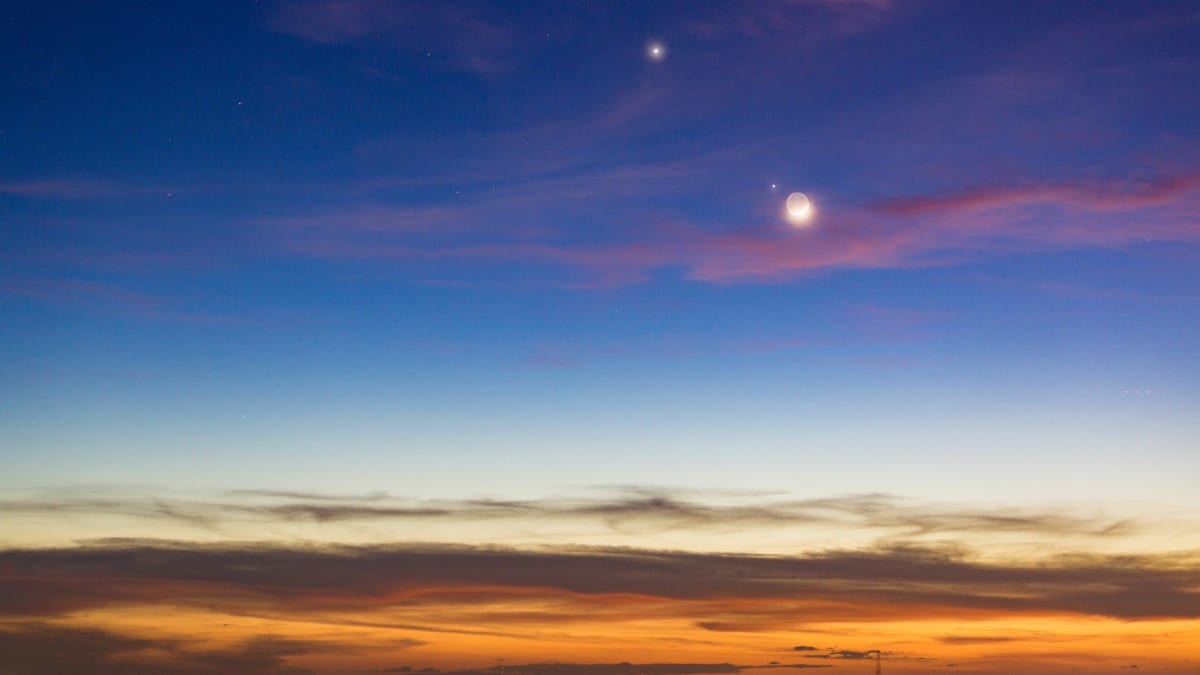
On April 22, the moon and Jupiter will shine side by side in the western sky, creating a stunning celestial display visible to anyone with clear skies. This cosmic meet-up happens just 45 minutes after sunset and requires no special equipment to enjoy. #
Stargazers are in for a treat this February with a rare moon mission launch, dazzling planet displays, and winter's brightest constellations lighting up the night sky. The month offers something spectacular to see almost every night, from Mercury and Venus dancing together to the brightest star in the sky making its grand appearance.
%2Fhttps%3A%2F%2Ftf-cmsv2-smithsonianmag-media.s3.amazonaws.com%2Ffiler_public%2Fef%2Ffd%2Feffd1e4d-d4d0-4aca-a2e9-84e0b334b56d%2Fcf36e43e-596b-4104-a59e-9426cb826b92original.jpg)
Colorado just unveiled a new "stargazing trail" connecting 13 International Dark Sky Parks and eight certified communities across the state. The route helps visitors find the best spots to see the Milky Way stretching across pristine night skies.
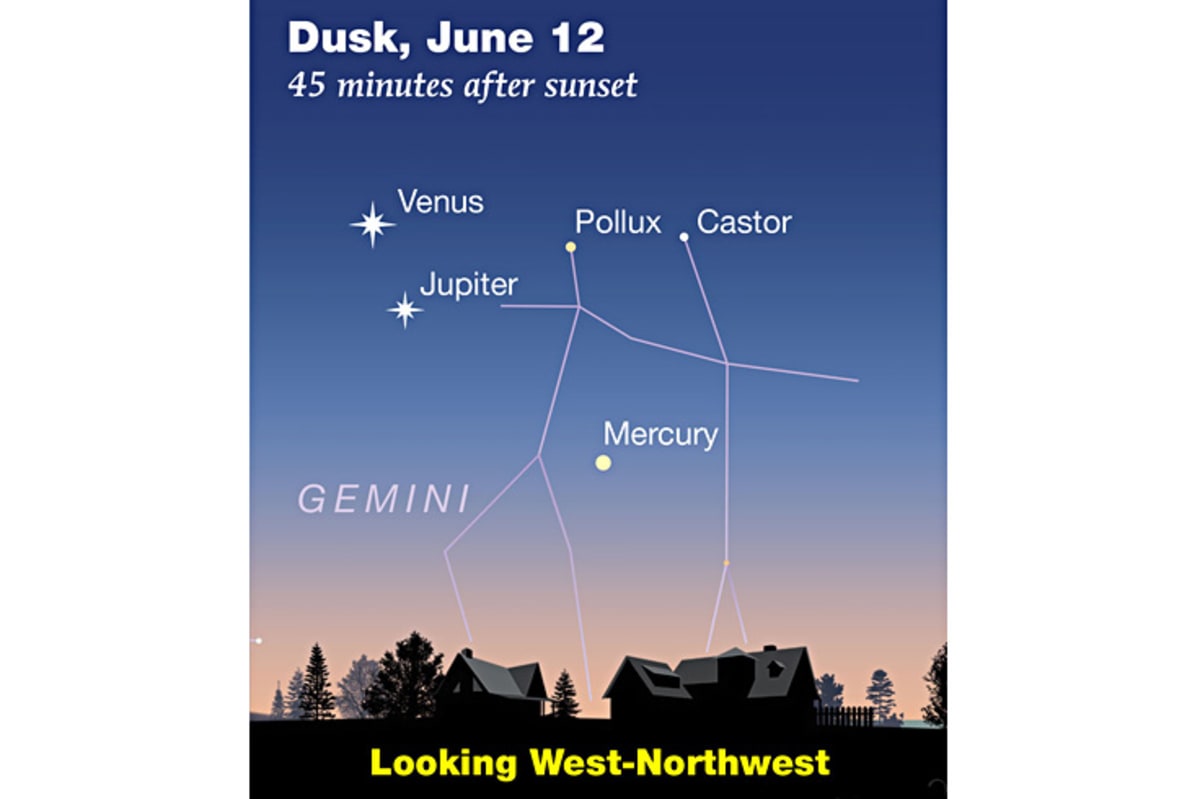
Venus, Jupiter, and Mercury are putting on a rare celestial show this month, joined by the Moon in a spectacular display visible to anyone with clear skies. Summer officially begins June 21 with the longest day of the year.
Star-hopping, the technique of navigating the night sky without apps, becomes easier in May when the Big Dipper sits high overhead. Astronomers are encouraging people to put down their phones and learn to navigate the stars naturally, building a mental map that lasts a lifetime.

British broadcaster Sky will champion Olympic and Paralympic athletes' stories from the 2026 Milan Cortina Winter Games through the 2028 Los Angeles Summer Games. The partnership brings UK audiences closer to the athletes inspiring the next generation.
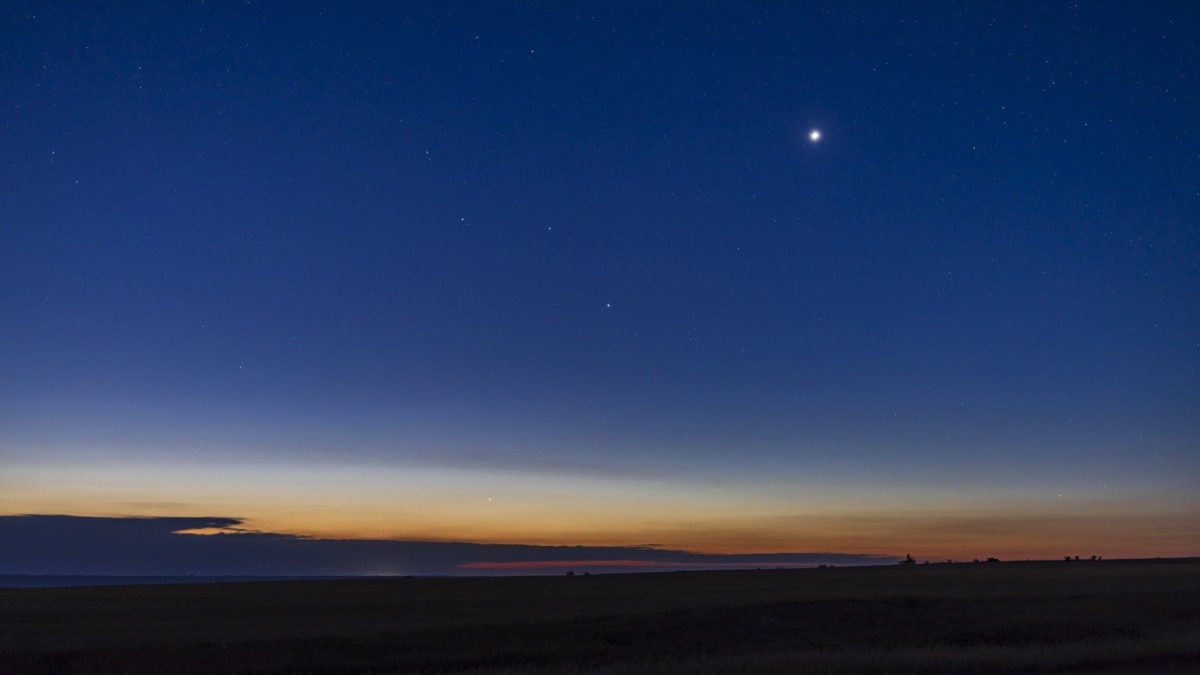
The brightest planet in our solar system is beginning a spectacular months-long show in the evening sky that anyone can see without a telescope. Venus will grow brighter through September as it moves closer to Earth, reaching peak brilliance that will outshine everything except the moon.
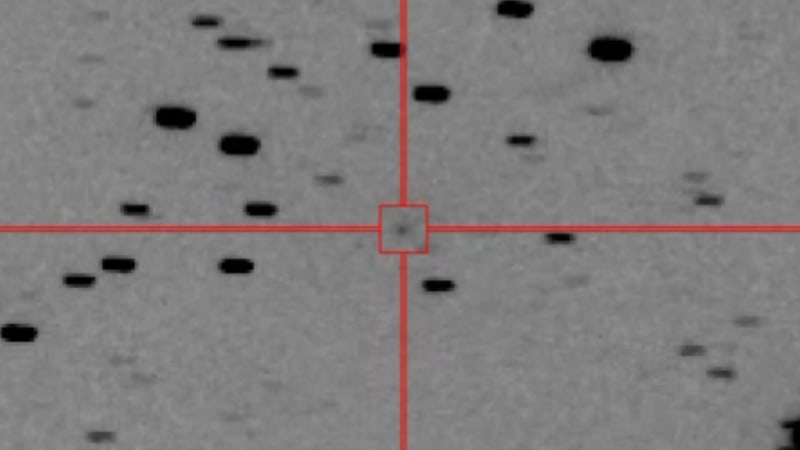
Astronomers discovered a rare comet that might become bright enough to see with the naked eye next spring. This comet belongs to a special family that has produced some of history's most spectacular sky shows.
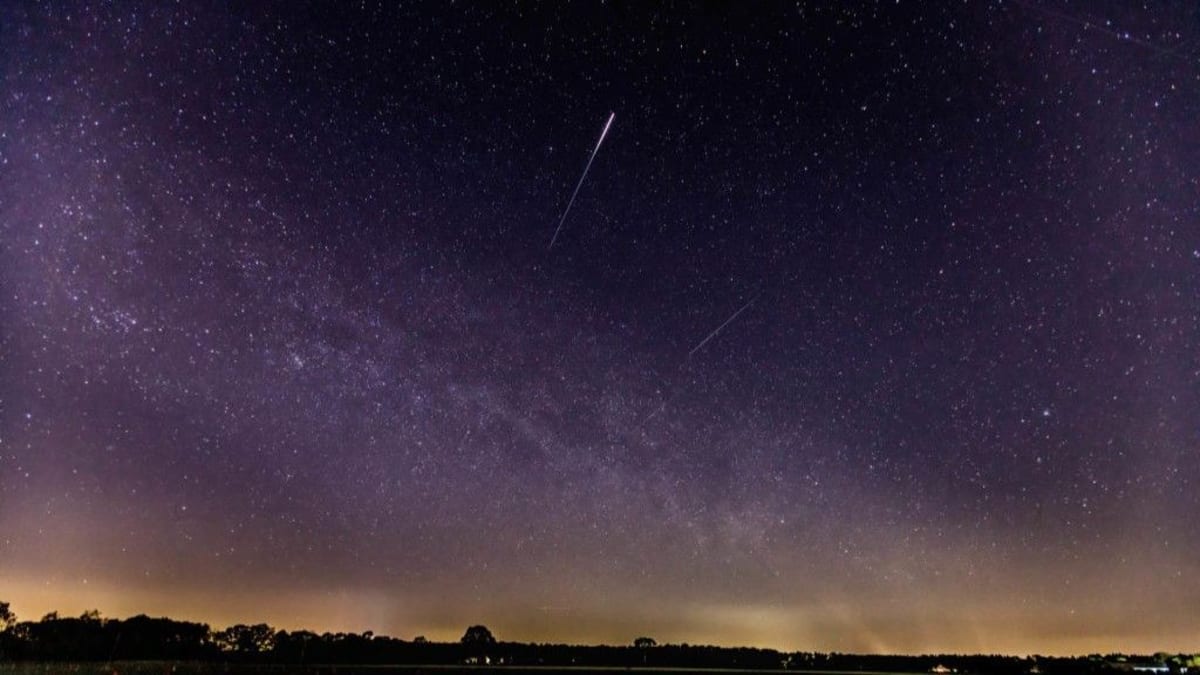
After nearly four months without a major meteor shower, the ancient Lyrids return this week with ideal viewing conditions and dark, moonless skies. Stargazers could see up to 20 shooting stars per hour before dawn on Wednesday.
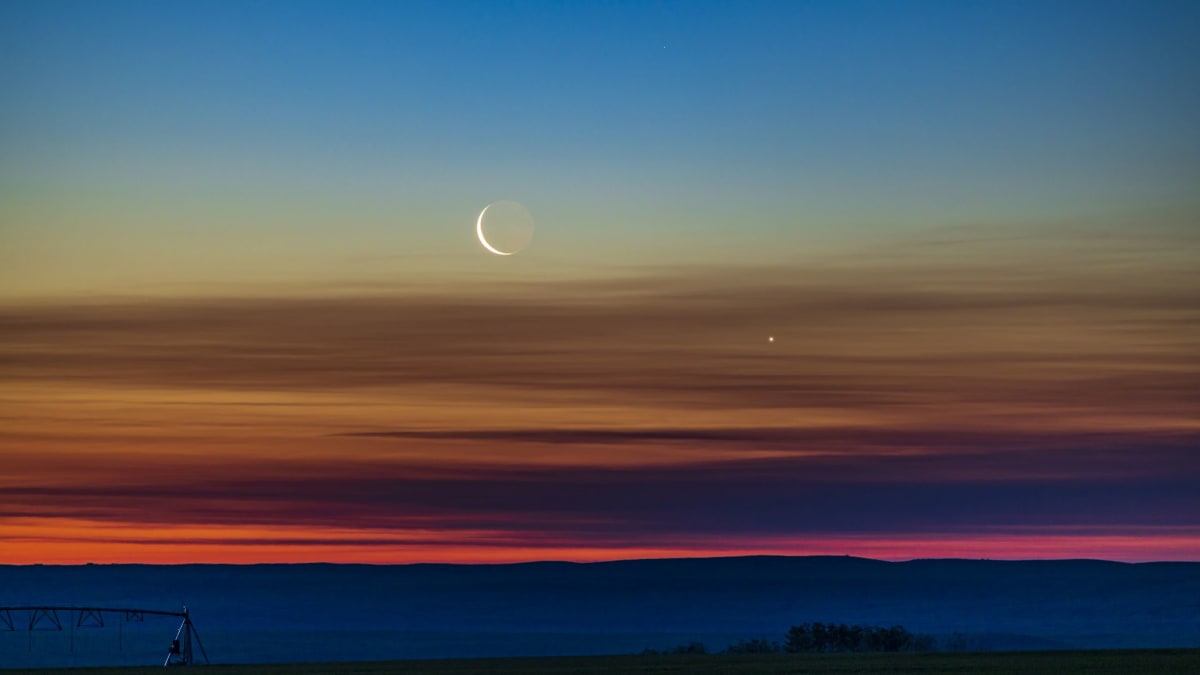
This Monday evening, the crescent moon and brilliant Venus will create a stunning celestial display just after sunset. The two brightest objects in the night sky will appear just three degrees apart, offering a perfect excuse to step outside and look up.
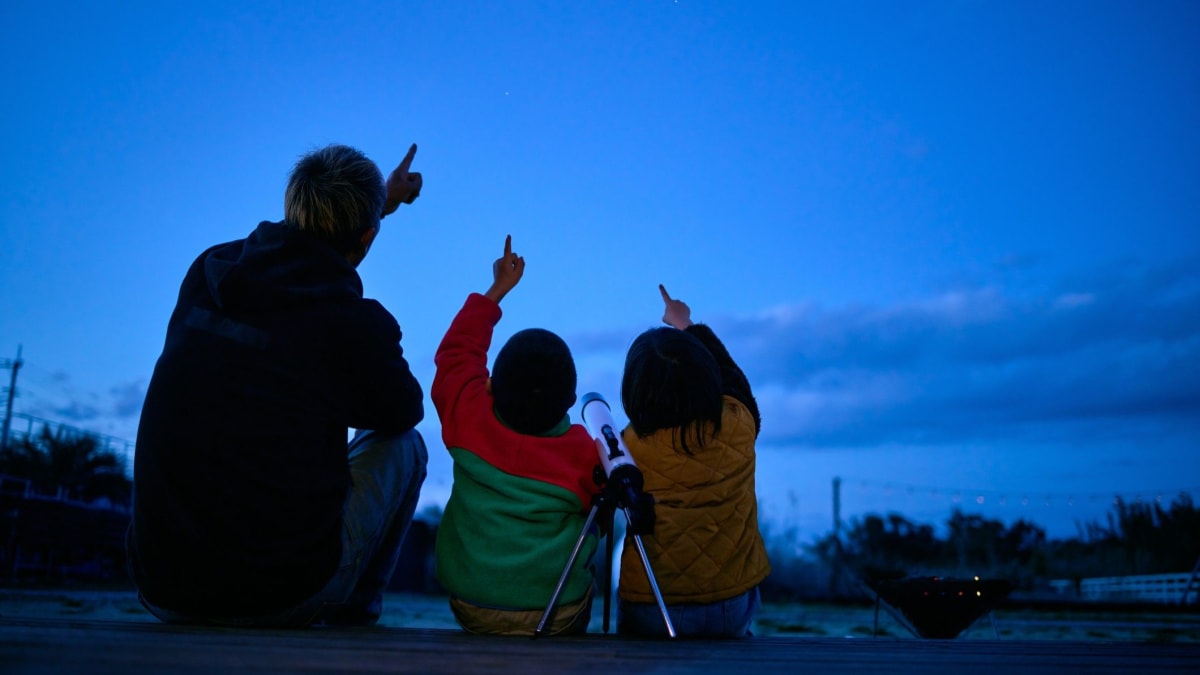
Four brilliant stars form a dazzling diamond pattern across May's night sky, creating the perfect stargazing opportunity. The cosmic display includes some of the brightest stars visible from Earth, and it's waiting for you to look up.
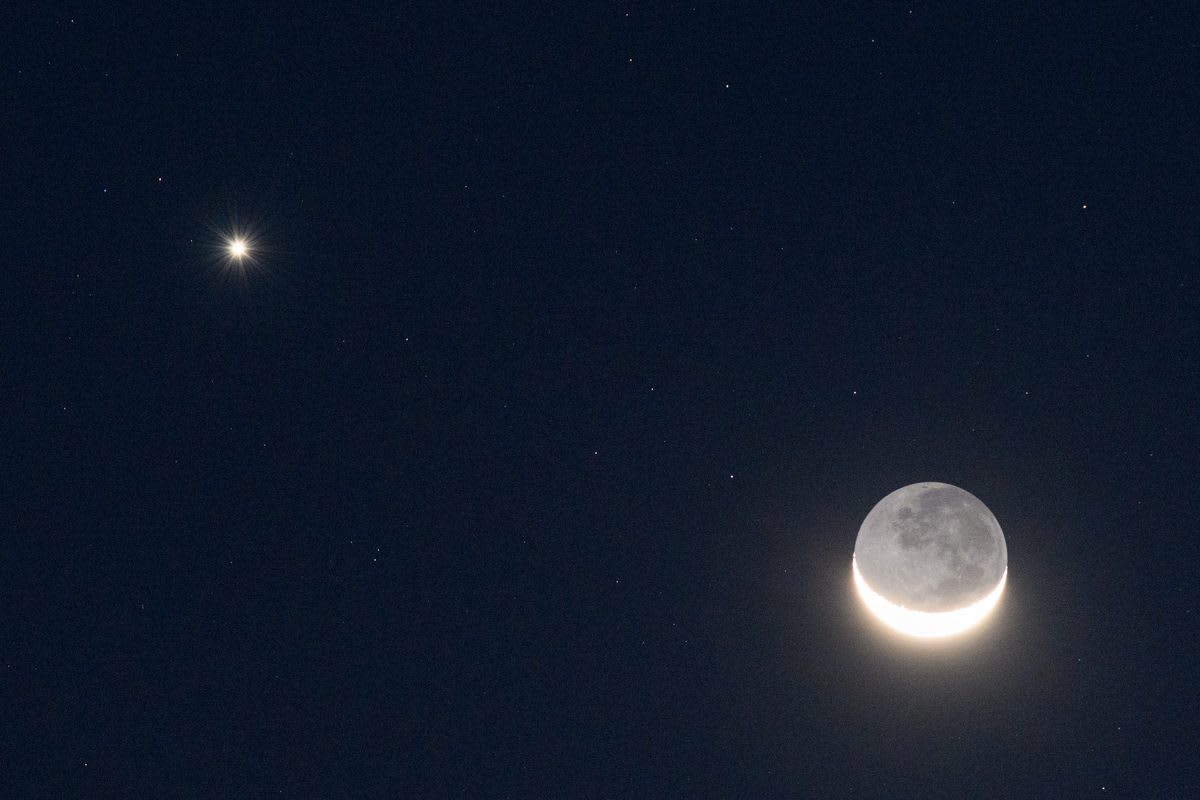
This week, skywatchers can enjoy a stunning celestial trio as the crescent Moon visits Venus and Jupiter in the western sky after sunset. No telescope needed for this free cosmic show.

The first major meteor shower since January arrives this week with ideal viewing conditions. A new moon means even faint shooting stars will shine bright across clear night skies.
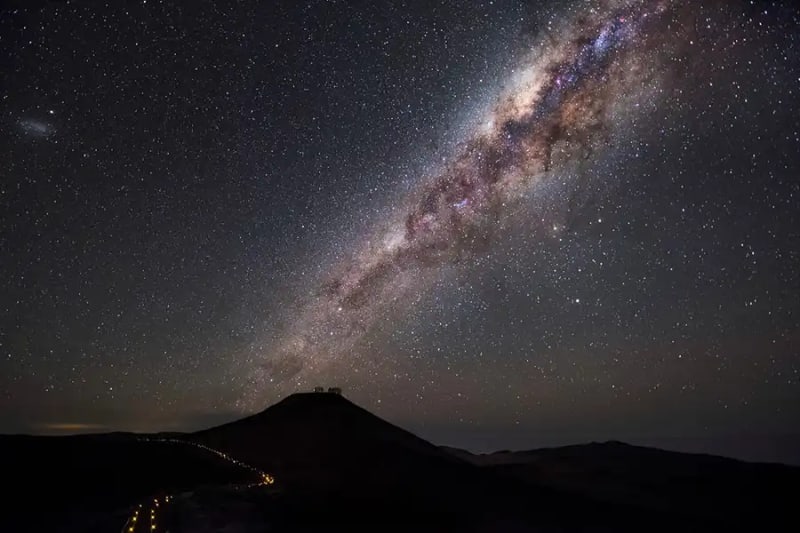
Astronomers worldwide are celebrating after a massive industrial project that threatened some of Earth's most important observatories was canceled. The decision protects the darkest skies on the planet for groundbreaking cosmic discoveries.

Jupiter, Saturn, Venus, Mercury, Neptune and Uranus will parade across the sky together this weekend in a celestial event that won't happen again until 2040. Four of them will be visible without any special equipment.
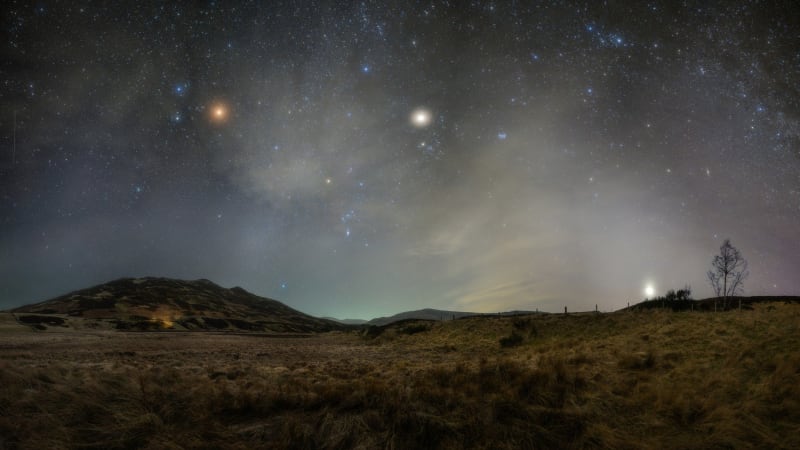
Early March offers a dazzling celestial treat as four bright planets shine together in the evening sky, with Mercury making its best appearance of 2025. Even better, no telescope needed.

A tribal village in Maharashtra has eliminated light pollution so successfully that visitors can now see the Milky Way with the naked eye. Udhamal is transforming its naturally dark skies into a new kind of tourism that protects nature while welcoming stargazers.
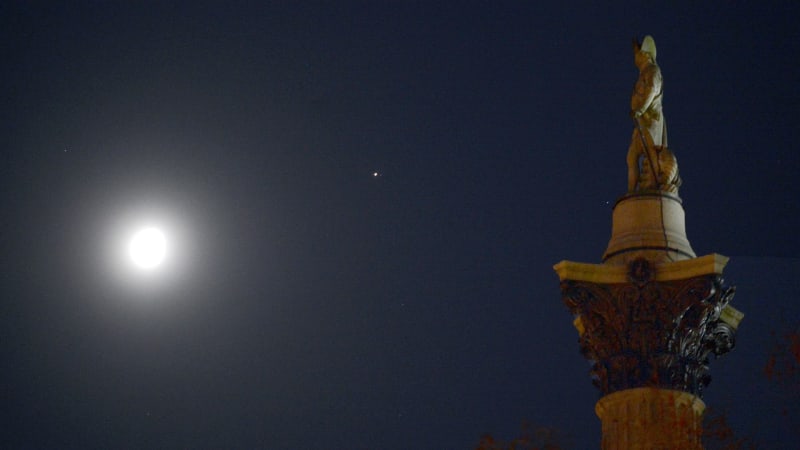
The near-full moon and brilliant Jupiter will appear side by side in the eastern sky tonight, offering skygazers a stunning celestial display visible with the naked eye. No telescope needed to enjoy this cosmic pairing, though binoculars will reveal even more wonder.
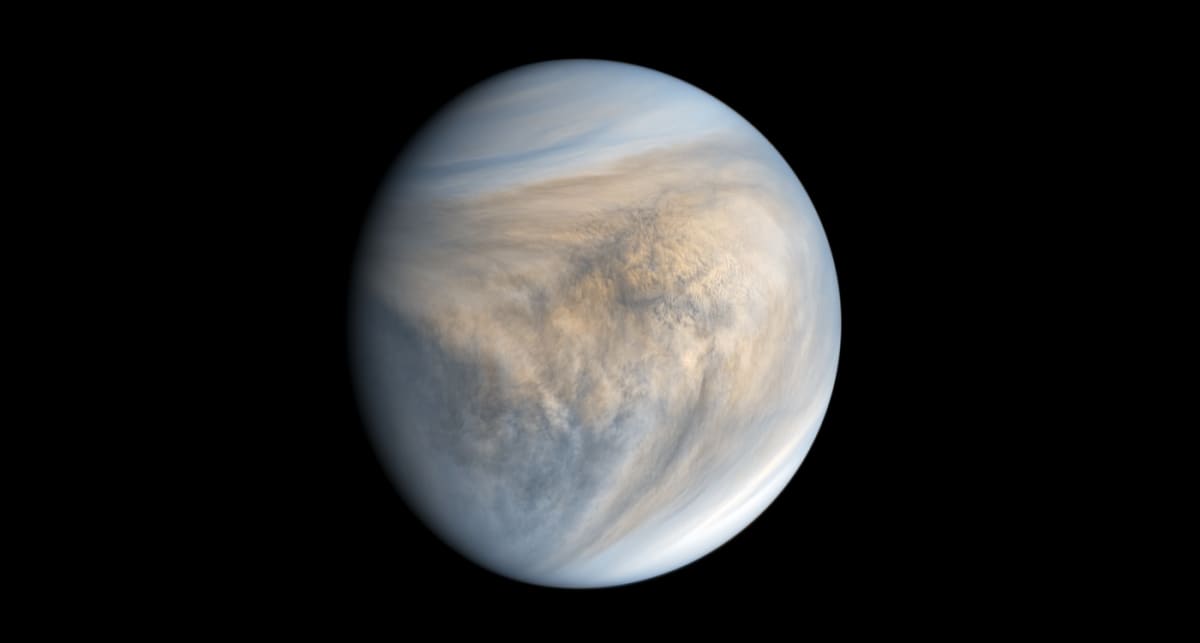
Three bright planets are putting on a stunning show in the June sky, with Venus and Jupiter dancing closer together each night. On June 16, the crescent Moon joins them for a perfect celestial lineup anyone can see after sunset.
Showing 20 of 2383