Scientists Find Why Chronic Wounds Won't Heal
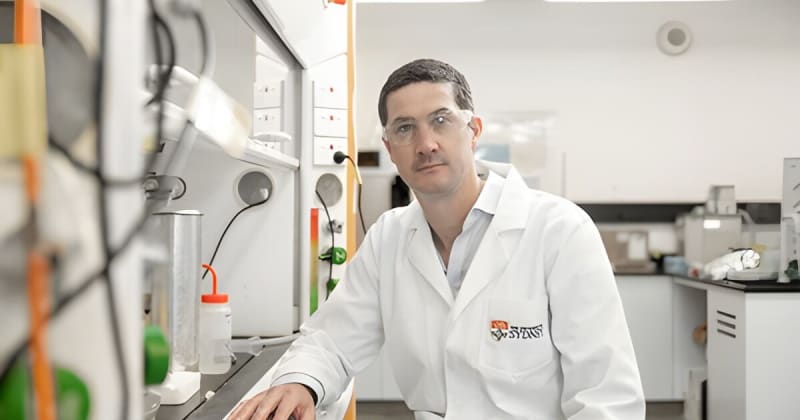
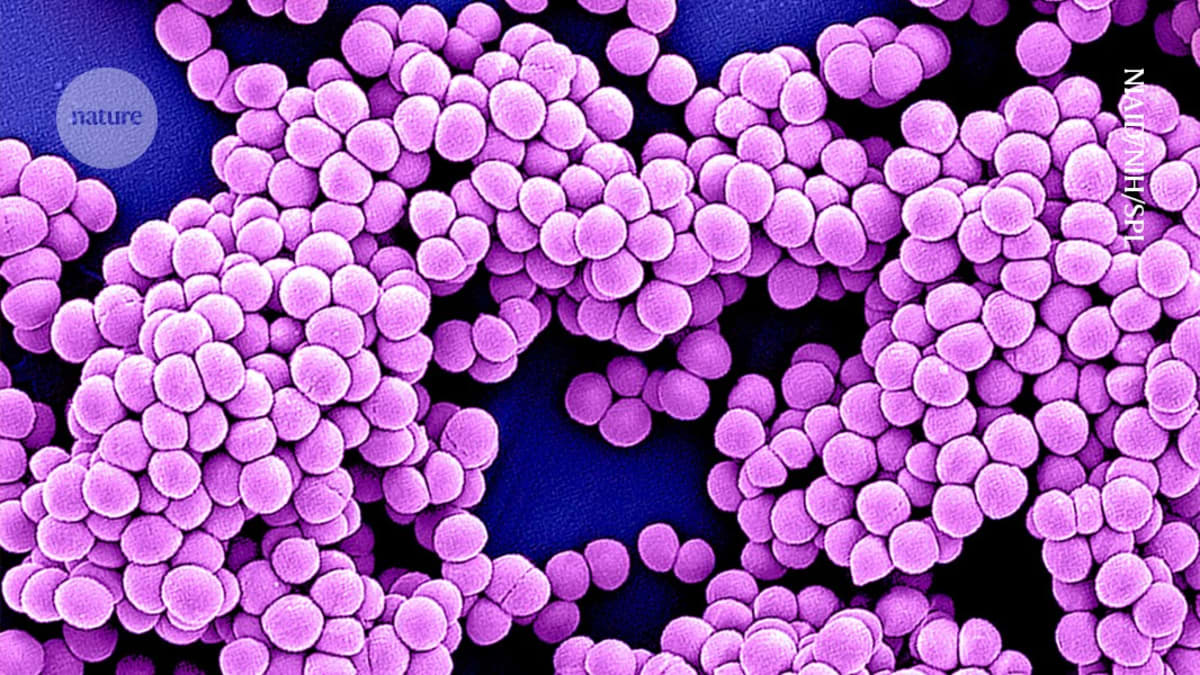
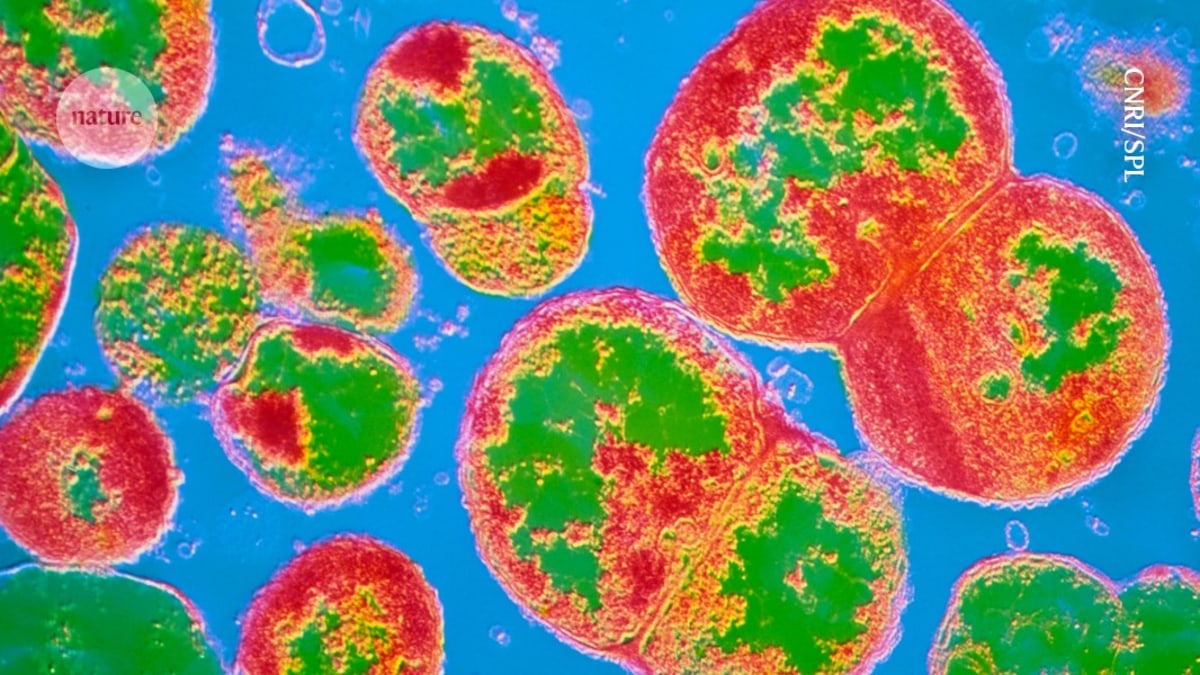
A research team discovered that a common bacterium actively sabotages the body's healing process, and they've found a simple treatment that could help 19 million people worldwide avoid amputations.
Find uplifting stories about heroes, innovations, and solutions
21 results for "antibiotic resistance"

A research team discovered that a common bacterium actively sabotages the body's healing process, and they've found a simple treatment that could help 19 million people worldwide avoid amputations.

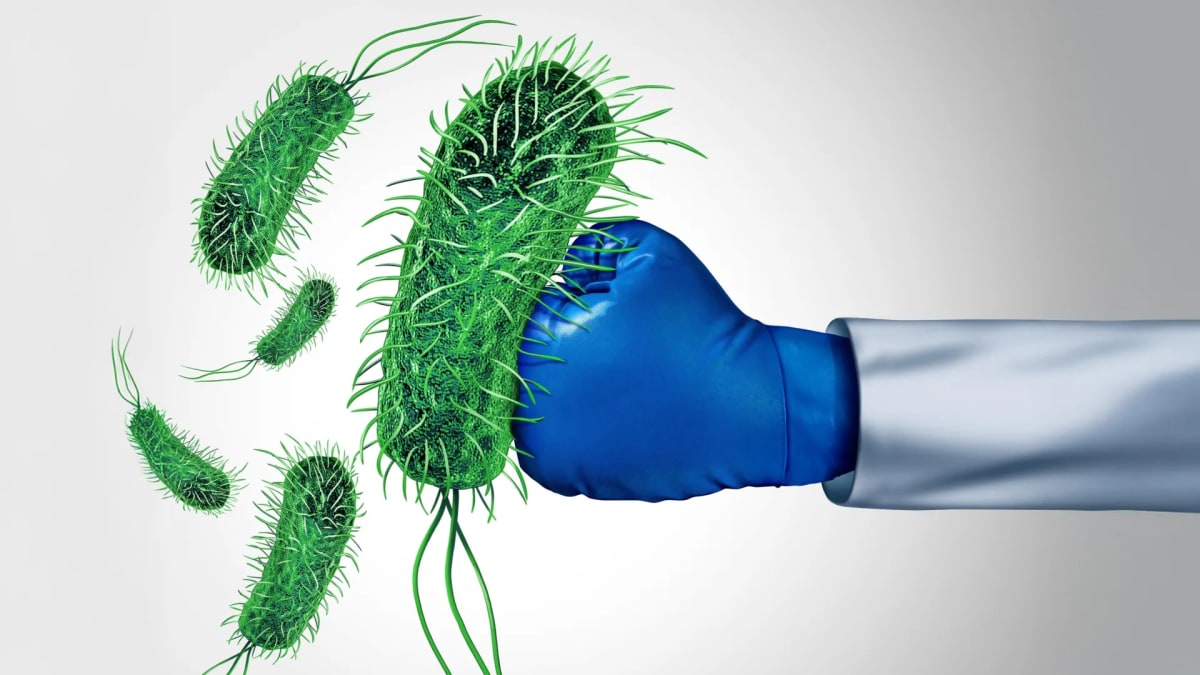
Researchers created an antibody that shields immune cells from a toxin produced by a highly drug-resistant bacterium that kills thousands yearly. This breakthrough could fight superbugs without creating more antibiotic resistance.

A groundbreaking trial in rural China slashed unnecessary antibiotic prescriptions from 71% to 26% using simple digital prompts and peer support. The intervention could offer a blueprint for fighting drug resistance worldwide.

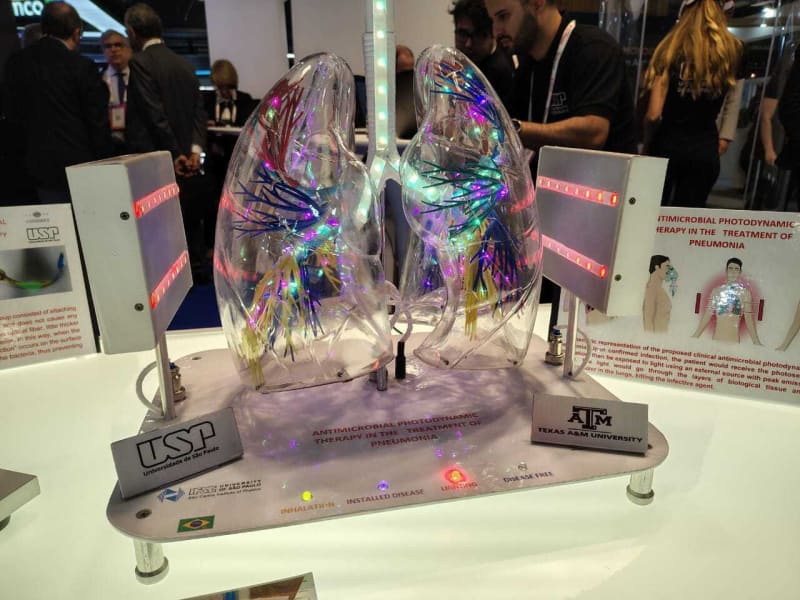
A physicist-turned-biomedical engineer has developed a groundbreaking treatment using light to disable bacteria's defenses, making deadly antibiotic-resistant infections treatable again. The therapy has already saved lives in Brazil and could protect millions from infections that currently kill 4 million people annually.

Researchers discovered how to target a protein found only in bacteria, opening the door to new antibiotics that could outsmart drug-resistant superbugs. The breakthrough focuses on disrupting how bacteria build DNA without harming human cells.

Nine youth teams across Africa, Asia, Latin America, and the Middle East just won funding to tackle a health crisis threatening 39 million lives. Their creative campaigns will help communities use antibiotics more wisely.

Scientists in South Korea discovered a drug ingredient that primes the immune system to fight deadly infections before they strike. When mice received this treatment one day before exposure, they survived infections that killed every untreated animal.

Australian researchers discovered how to weaponize special sugar molecules to destroy deadly drug-resistant bacteria, offering hope for infections that no longer respond to antibiotics. The breakthrough could save countless lives in hospitals worldwide.

Scientists in the Florida Keys are discovering powerful new medicines hidden in microscopic ocean organisms. Their work could lead to breakthroughs in cancer treatment, Alzheimer's research, and solutions to antibiotic resistance.

Scientists at Stanford used artificial intelligence to create a completely new virus that kills drug-resistant E. coli bacteria, opening doors for faster vaccines and personalized cancer treatments. The breakthrough combines AI genome design with precision DNA assembly, showing promise for tackling antibiotic resistance while raising important questions about biosafety.

Scientists sent bacteria and viruses to the International Space Station, and their mutations in space revealed new ways to combat drug-resistant infections back on Earth. The discovery could help millions suffering from infections that no longer respond to antibiotics.

Doctors are racing to stay ahead of deadly superbugs that resist all known antibiotics, but breakthrough tools could change everything. New rapid tests, virus therapies, and gene-editing treatments offer real hope in a fight that claims nearly 5 million lives globally each year.

Finnish researchers turned a forestry waste product into a powerful water filter that removes pharmaceutical pollution from wastewater. The simple, affordable solution could help prevent antibiotic resistance from spreading in nature.

Scientists are turning the tide on antibiotic resistance with rapid diagnostic tools, virus-based therapies, and gene-editing weapons that could save millions of lives. After decades of warnings, the medical community finally has real solutions.

Scientists discovered that far-red light prevents a deadly antibiotic-resistant bacteria from forming biofilms and causing infections. This breakthrough could lead to new ways to protect vulnerable hospital patients without antibiotics.

Scientists sent bacteria and viruses to the International Space Station and discovered they evolve completely differently in microgravity. These unexpected mutations could help engineers design better treatments for antibiotic-resistant infections threatening lives back on Earth.

Researchers discovered why some wounds refuse to heal and found a simple antioxidant treatment that helps them close again. The breakthrough could help millions avoid amputations from diabetic foot ulcers.

A breakthrough method lets researchers build custom bacteria-killing viruses in weeks instead of years, opening new hope against antibiotic-resistant infections. The Golden Gate technique could transform how we treat dangerous superbugs that no longer respond to traditional medicine.

Scientists discovered why diabetic foot infections are so hard to treat, and the answer could help doctors save limbs. A global DNA study found multiple strains of bacteria causing these infections, paving the way for better, more targeted treatments.

Viruses evolved aboard the International Space Station returned to Earth with a surprise power: they could kill antibiotic-resistant bacteria better than their Earth-bound counterparts. This accidental discovery could help scientists develop new treatments for dangerous infections.
Showing 20 of 21