
Art-Science Partnerships Gain Recognition as Trust Tool
Scientists are calling for more collaborations between artists and researchers to rebuild public confidence in science. The strategy comes as funding cuts threaten research programs worldwide.
Find uplifting stories about heroes, innovations, and solutions
10572 results for "cannabis science"
Scientists are calling for more collaborations between artists and researchers to rebuild public confidence in science. The strategy comes as funding cuts threaten research programs worldwide.

A major science organization is launching a digital series that shows how Earth science research translates into real solutions for communities worldwide. The series premiews in December 2026 and goes global in January 2027.

Over 900 Calgary students from Grade 5 to 12 are presenting their self-designed science experiments at the city's largest youth science fair this weekend. Two Grade 12 students developed a promising wound infection detector using red cabbage extract after a cooking accident sparked their curiosity.
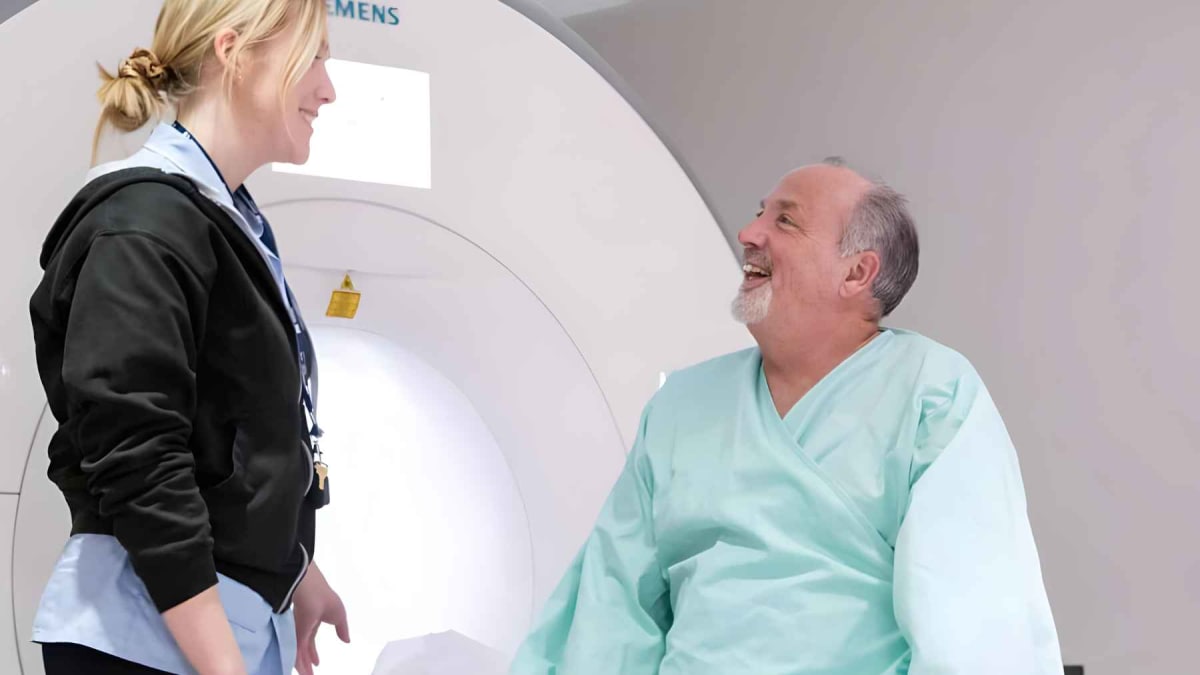
A groundbreaking study of 26,362 adults over 40 found that people who reported using cannabis in their lifetime had larger brain volumes and scored higher on memory tests than non-users. The research challenges old assumptions about cannabis harming the brain, though scientists stress the findings don't prove cause and effect.
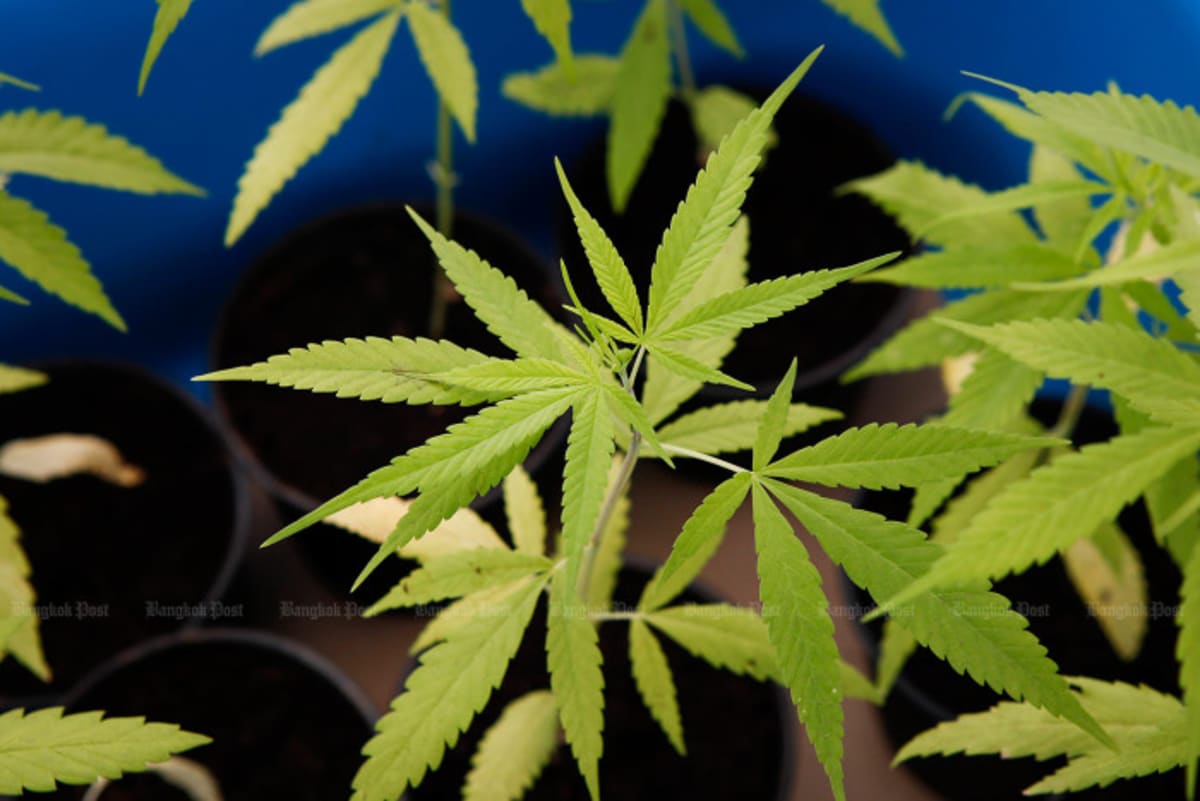
After four years of legal chaos, Thailand is finally bringing order to its cannabis industry by requiring all 11,000 shops to convert into medical clinics. The three-year transition marks Asia's first country to decriminalize cannabis moving toward regulated, medicine-only use.
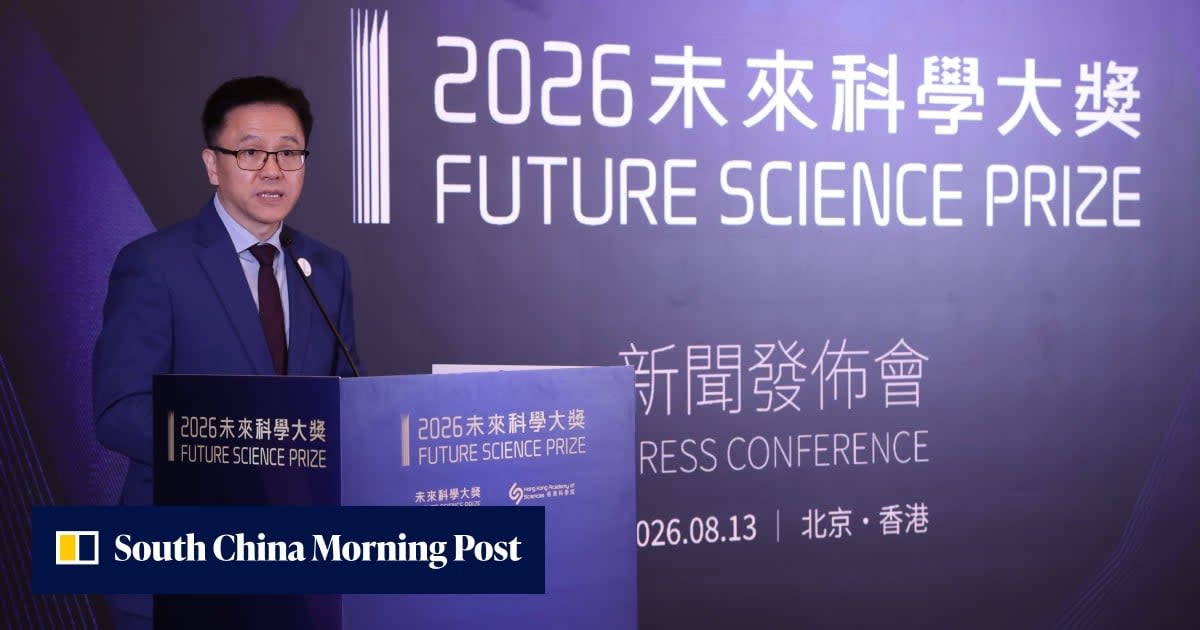
Three Chinese scientists won major awards for breakthrough research as Hong Kong cements its role as Asia's science hub. The Future Science Prize, China's first privately funded research award, chose the city for its fourth consecutive year.
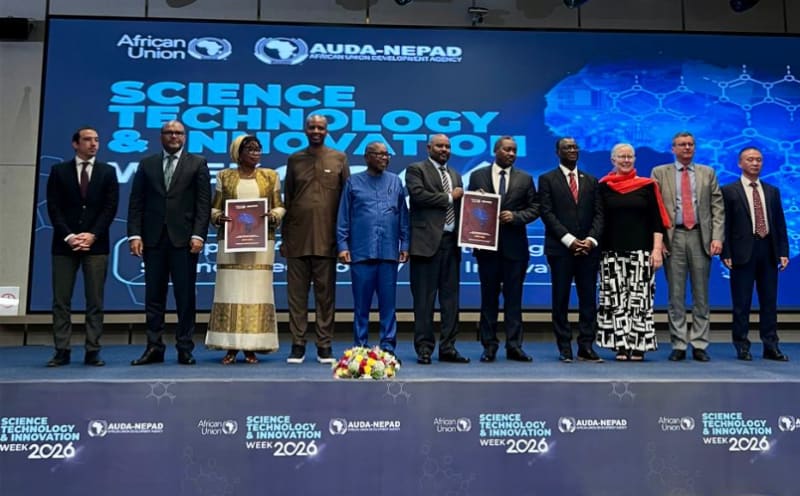
Six international partners just pledged $42 million to fuel Africa's ambitious 10-year science and innovation strategy. The funding will help African nations build stronger research systems and solve local challenges through homegrown science.

A public health professor is slashing his annual research output from 15 papers to just seven, betting that quality beats quantity in science. His radical move challenges a system where some researchers now pump out more than 60 papers yearly.
)
Trinity College just unveiled a privately funded plan to triple the Cambridge Science Park's size, creating 20,000 high-value jobs while opening a free public Park of Science to inspire local kids in STEM. The 50-year masterplan transforms Britain's oldest science park into a £3 billion innovation hub for life sciences, tech, and clean energy.
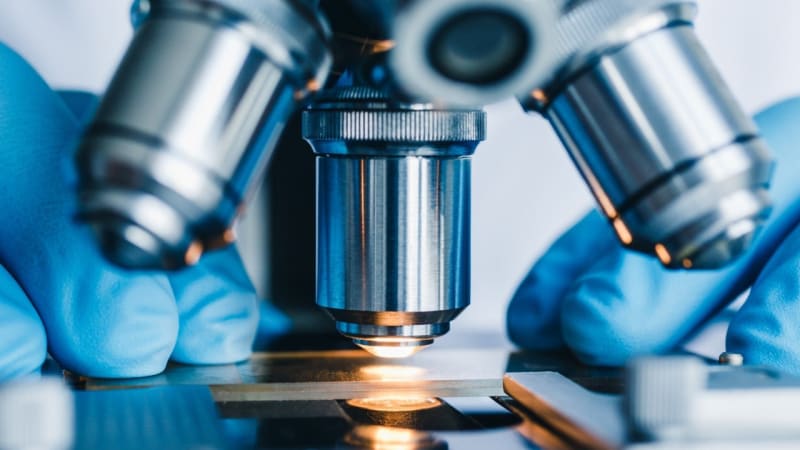
China's largest research institution is redirecting funds from expensive Western science journals to build its own publishing system. The move could reshape global science publishing and make research more accessible worldwide.
%3Amax_bytes(150000)%3Astrip_icc()%2FCannabis-Compounds-Reverse-Fatty-Liver-Disease-FT-DGTL0726-b37d8c4164cd41338ee3e866028de742.jpg)
Two cannabis compounds reversed liver damage in obese mice, offering new hope for millions with the most common chronic liver disease worldwide. Scientists are cautiously optimistic but say human trials are needed next.
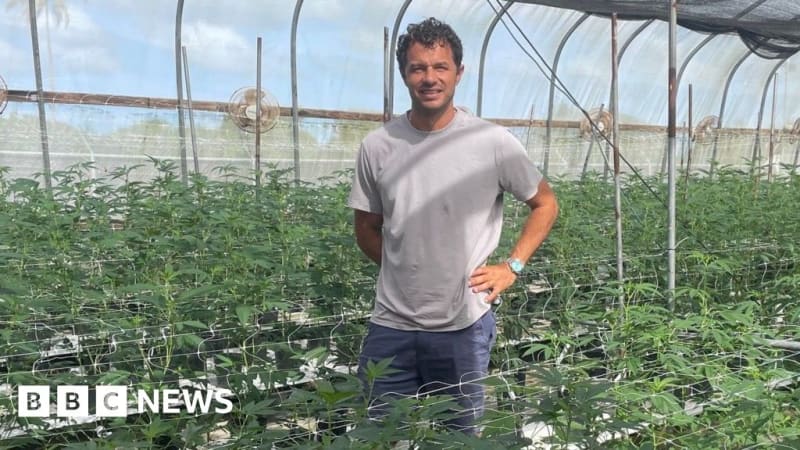
A decade after Jamaica decriminalized cannabis, Caribbean nations are turning their traditional expertise into a thriving legal industry with global potential. With perfect growing conditions and new US drug policy shifts, the region is positioned to become a major player in medical cannabis exports.
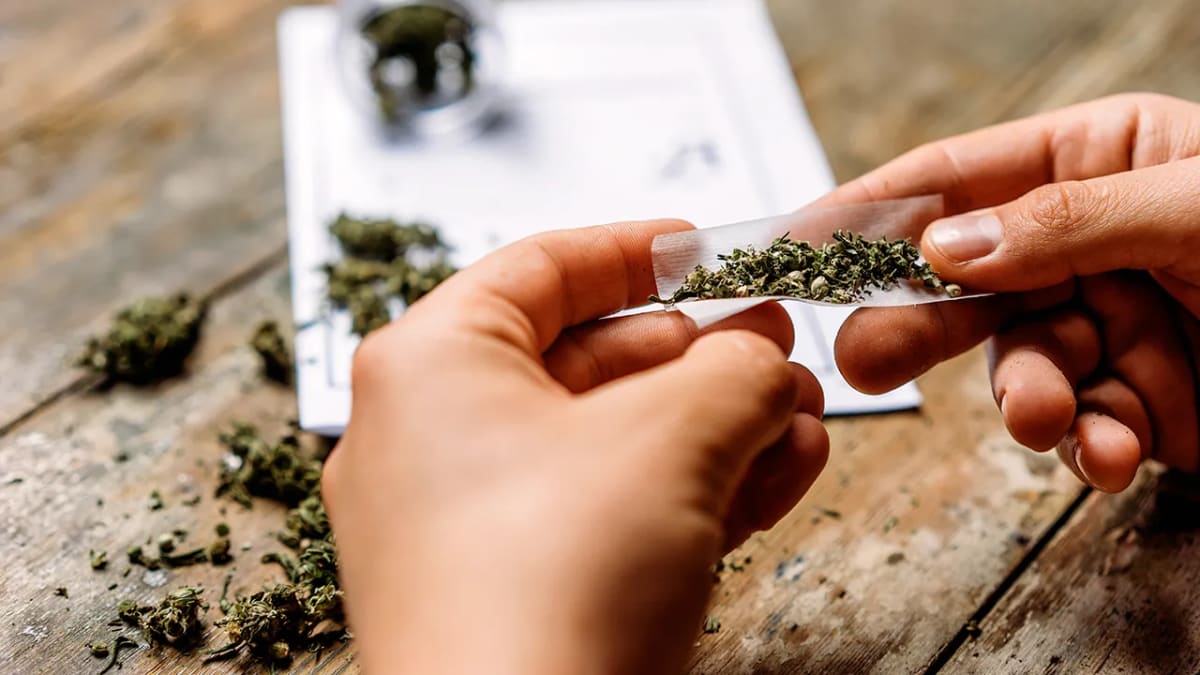
Scientists in Jerusalem discovered two non-psychoactive cannabis compounds dramatically reduced liver fat in lab studies, offering hope for the one-third of adults worldwide living with the most common chronic liver disease. The breakthrough could lead to new treatments for a condition with few approved medications.
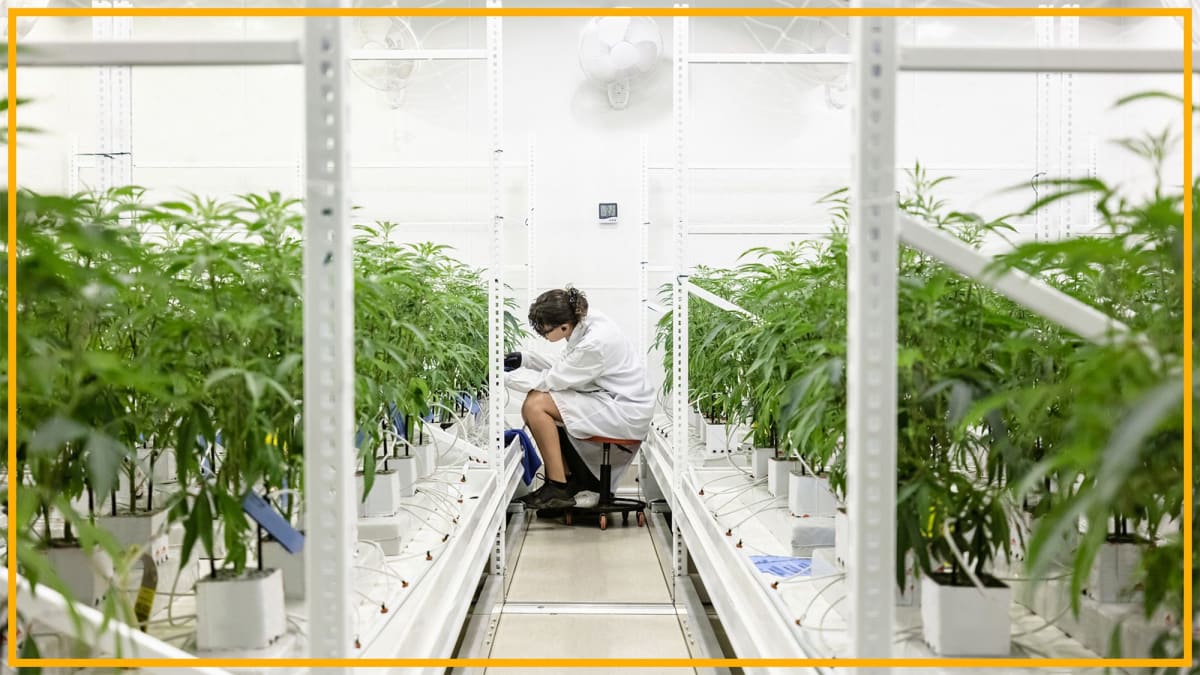
The federal government is pushing to reclassify cannabis, a change that could trigger the largest wave of medical research funding in the drug's history. After decades of regulatory roadblocks, scientists may finally get the tools to answer crucial questions about cannabis as medicine.

The National Science Foundation just launched a $100 million program to transform existing scientific datasets into AI-ready tools that could accelerate breakthroughs across research fields. Instead of collecting new data, scientists will unlock hidden insights from decades of valuable research already sitting in databases.

A billionaire-backed vessel is revolutionizing marine research by pairing cutting-edge science with Hollywood-level storytelling. OceanXplorer partners with local scientists worldwide to explore the deep sea while sharing discoveries with millions online.
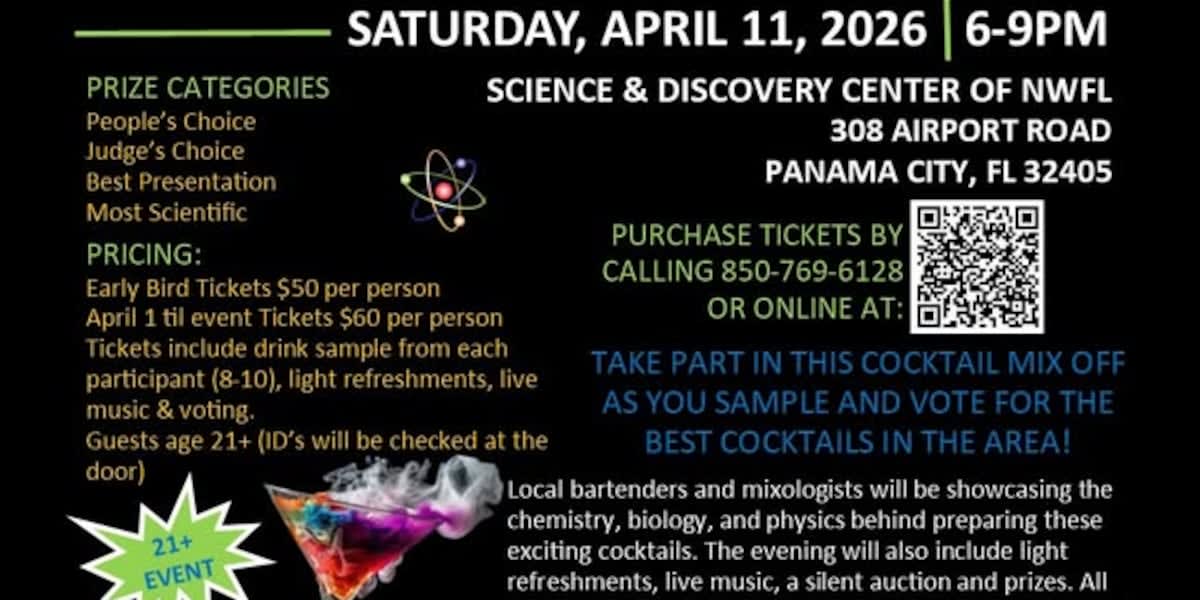
A Panama City science museum is turning cocktail hour into a chemistry lesson. Local bartenders will demonstrate the science behind mixology while guests vote for the best drinks.

Rebecca Maynard, a high school science teacher in Massachusetts, has earned one of just six national awards recognizing excellence in teaching. Her work includes bringing real-world climate science into the classroom through expeditions to Kenya and Alaska.
Directors Phil Lord and Christopher Miller are bringing optimistic science fiction back to the big screen with their adaptation of Andy Weir's beloved novel. The film premieres March 20, showing how science can solve humanity's biggest problems.
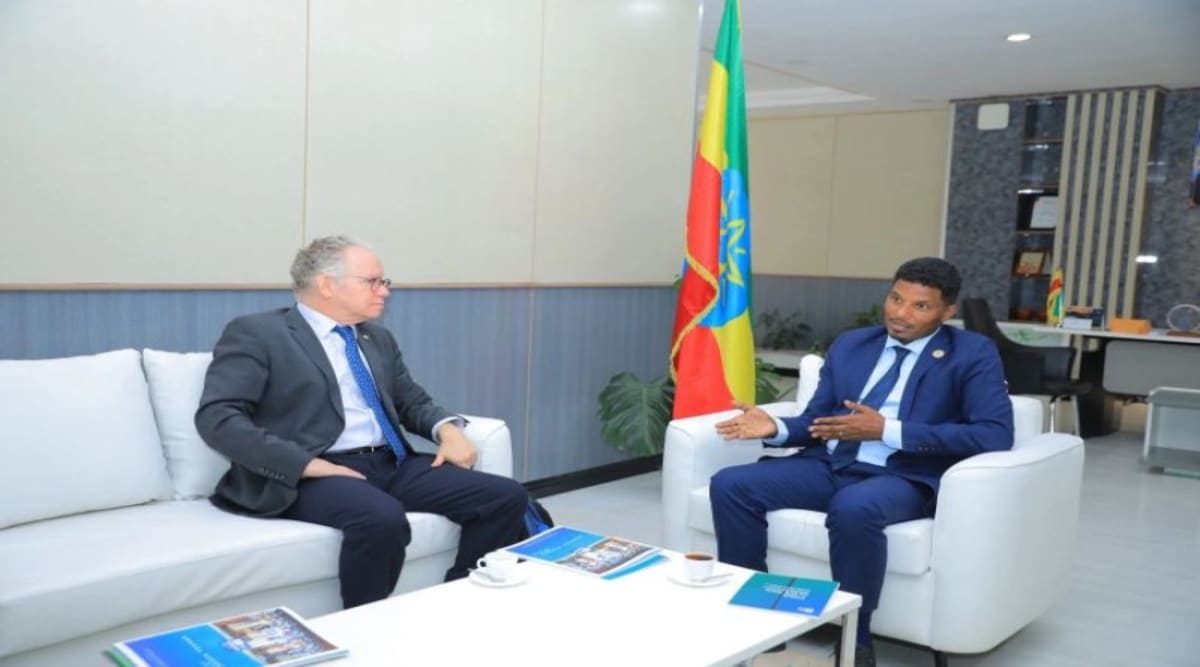
Ethiopia is teaming up with The World Academy of Sciences to supercharge its research ecosystem and train the next generation of African scientists. The partnership will focus on health, climate science, and digital technology while connecting Ethiopian researchers to global scientific networks.
Showing 20 of 10572