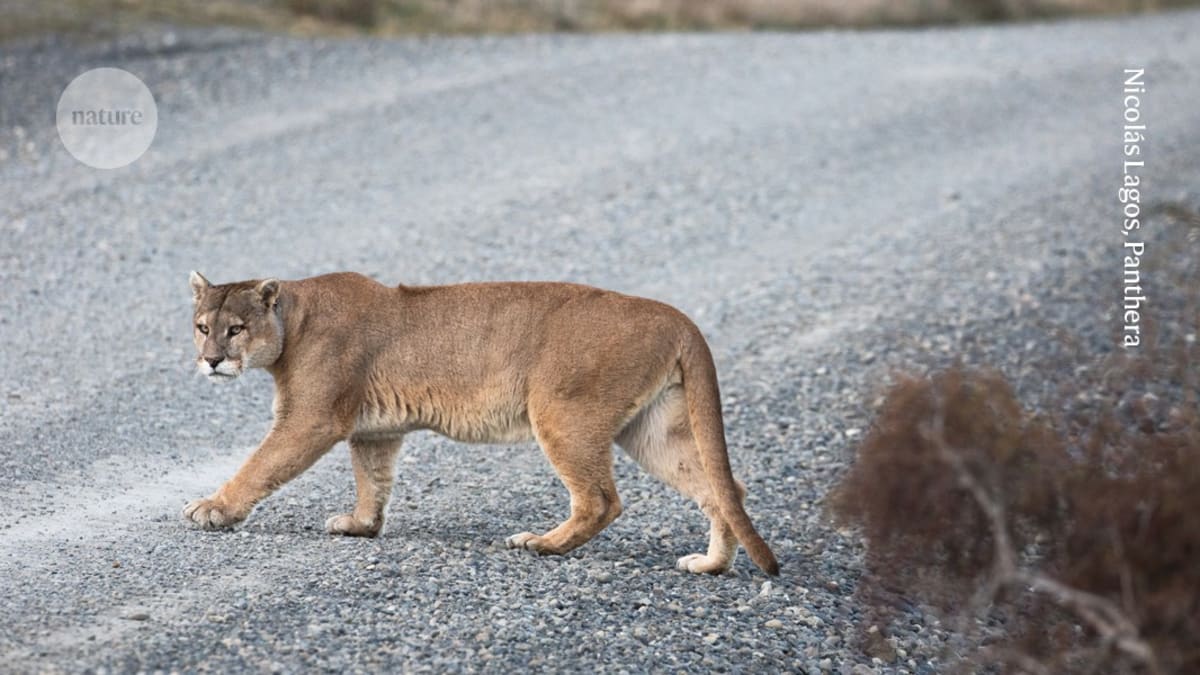
Pumas Cut Deer-Car Crashes on Washington Roads
Big cats are making highways safer in an unexpected way. A new study finds that pumas reduce deadly deer collisions by changing how their prey behaves.
Find uplifting stories about heroes, innovations, and solutions
843 results for "deer collisions"
Big cats are making highways safer in an unexpected way. A new study finds that pumas reduce deadly deer collisions by changing how their prey behaves.
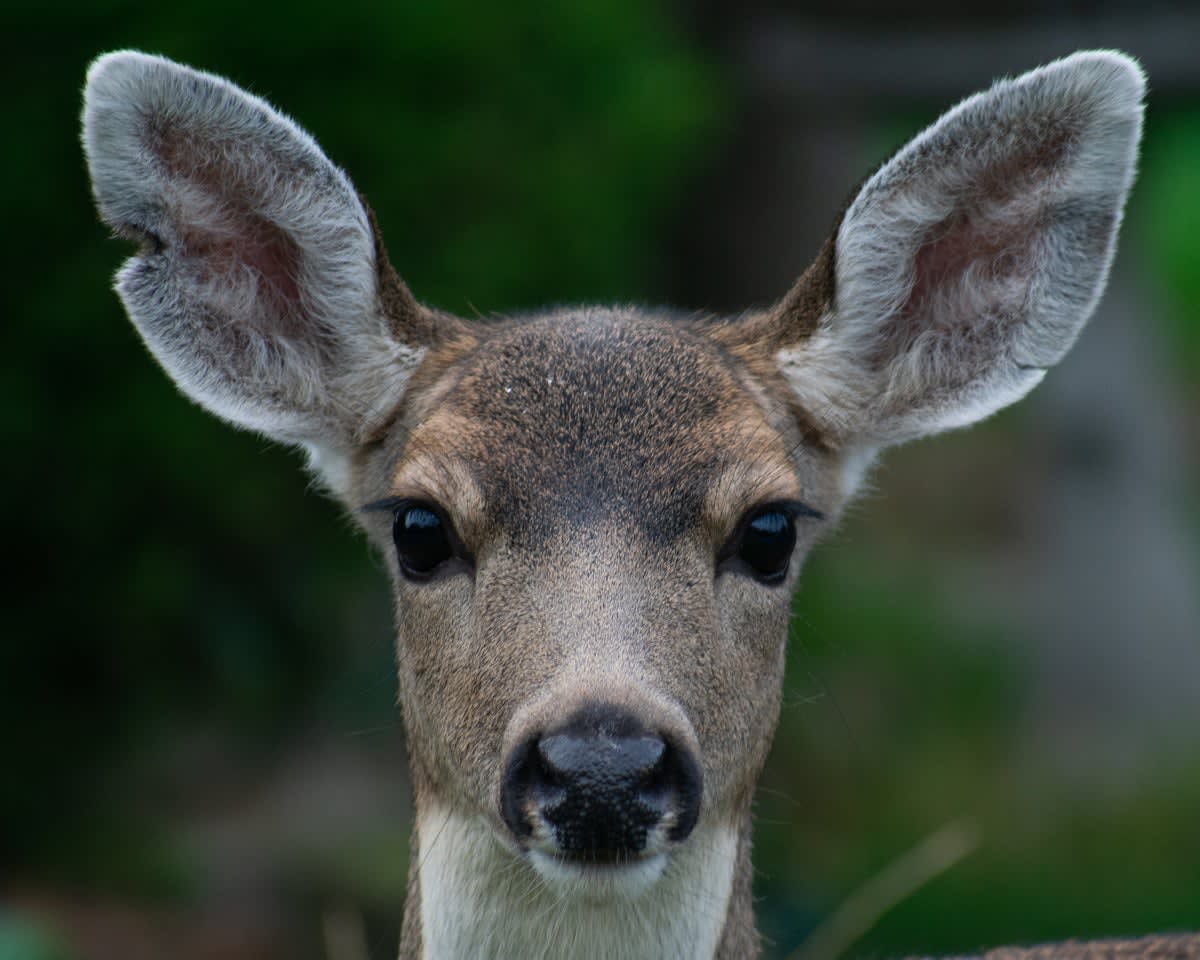
Scientists discovered that daylight saving time prevents tens of thousands of deer deaths and saves human lives by keeping evening commutes lighter. The simple clock change could reduce deadly collisions by 14 times during peak hours.
%2Fhttps%3A%2F%2Ftf-cmsv2-smithsonianmag-media.s3.amazonaws.com%2Faccounts%2Fheadshot%2FSarahKuta.png)
Mountain lions are making roads safer by changing how deer behave around highways. A five-year study in Washington found pumas reduced deer-vehicle collisions by two-thirds, saving lives and millions in damages.
Cougar populations in Washington's Olympic Peninsula reduced deadly deer-vehicle collisions by three-quarters, saving lives and millions of dollars. The predators don't eat more deer—they simply scare them away from busy roads.
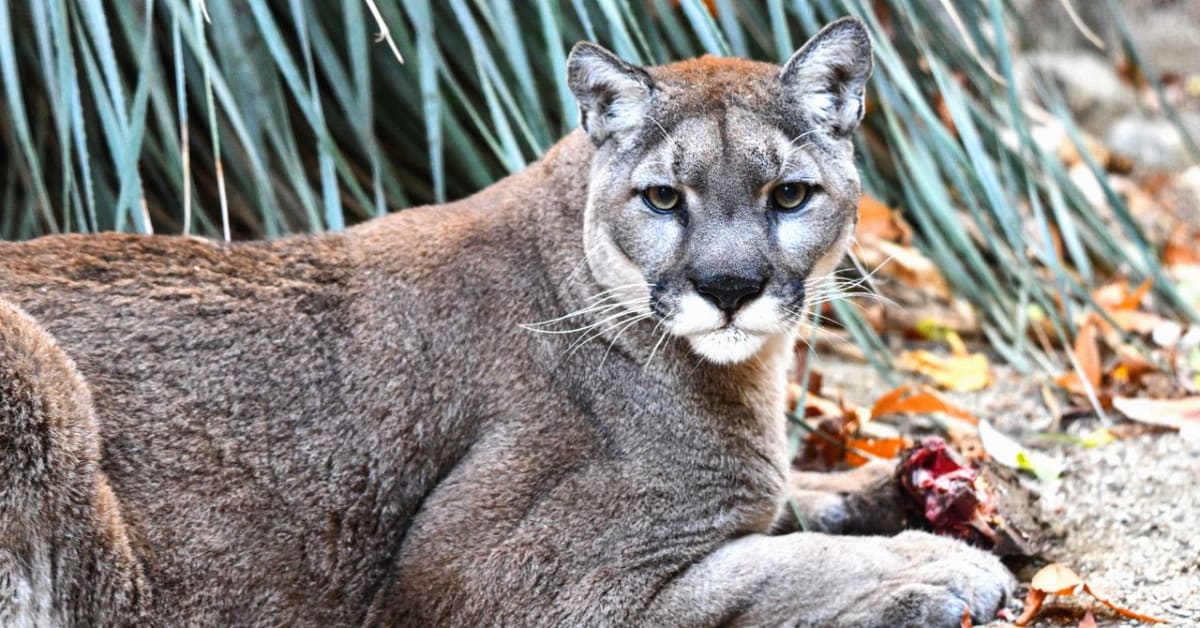
Mountain lions are making roads safer by keeping deer away from highways, and the results are dramatic. A new study shows areas with healthy cougar populations saw deer-related car crashes drop by more than three-quarters.
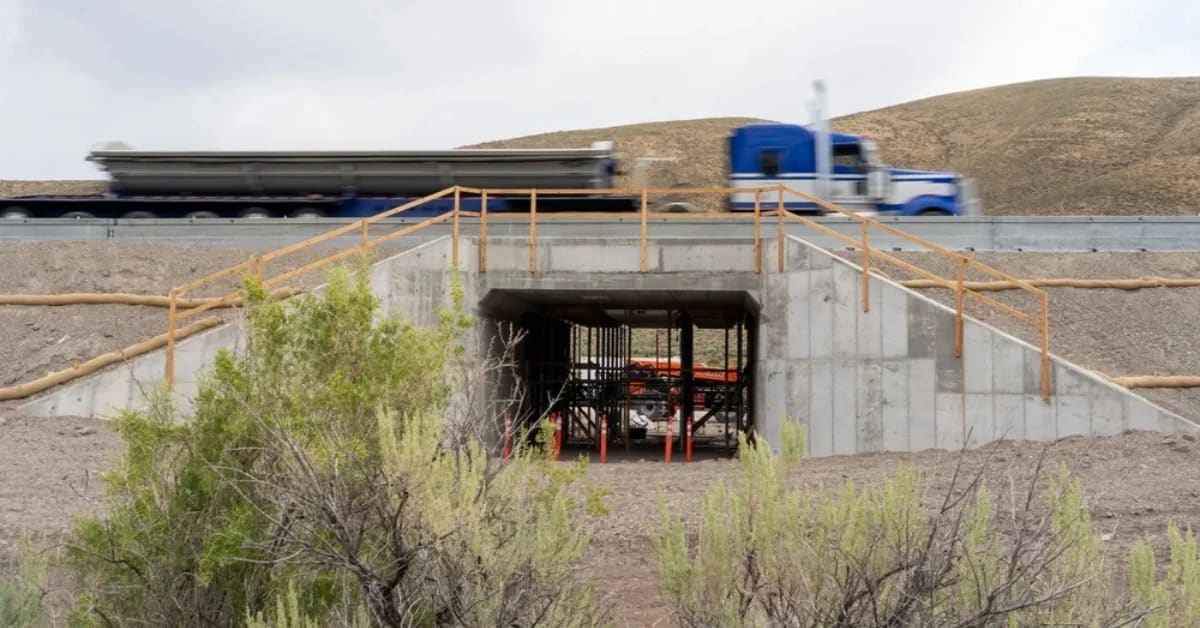
A new wildlife underpass in Idaho will save at least 100 deer each year while protecting drivers from dangerous collisions. The $20.8 million project shows what's possible when communities work together for safer roads and healthier wildlife.
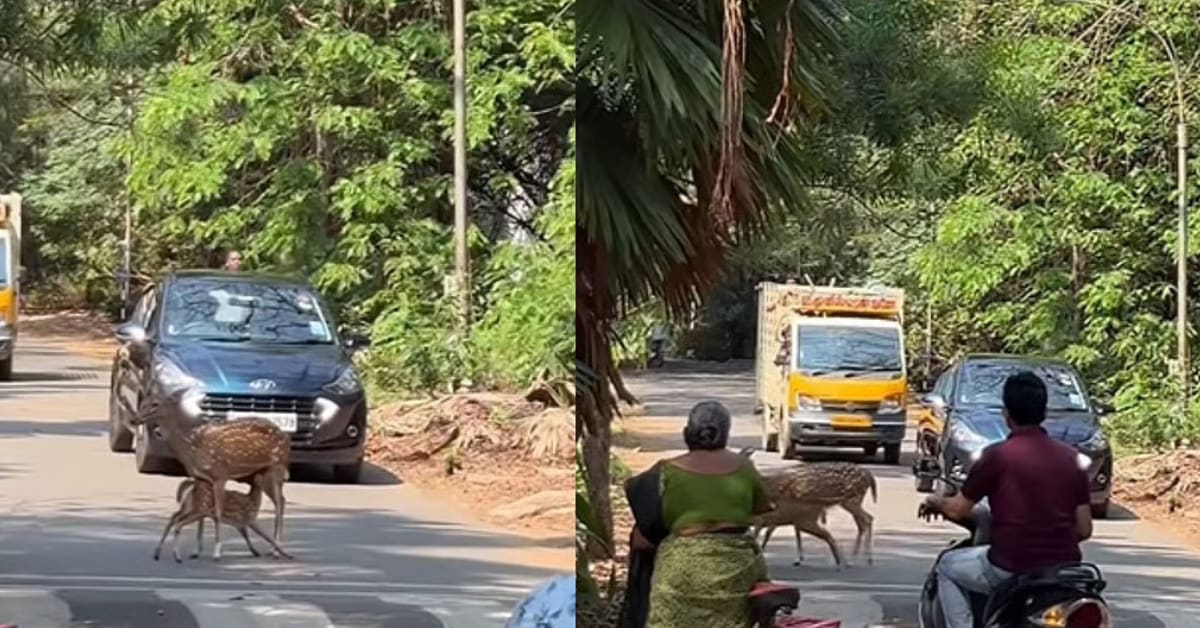
A mother deer paused traffic at IIT Madras to feed her fawn, and every driver waited patiently. The 20-second moment of compassion is reminding millions that humans and wildlife can share space beautifully.
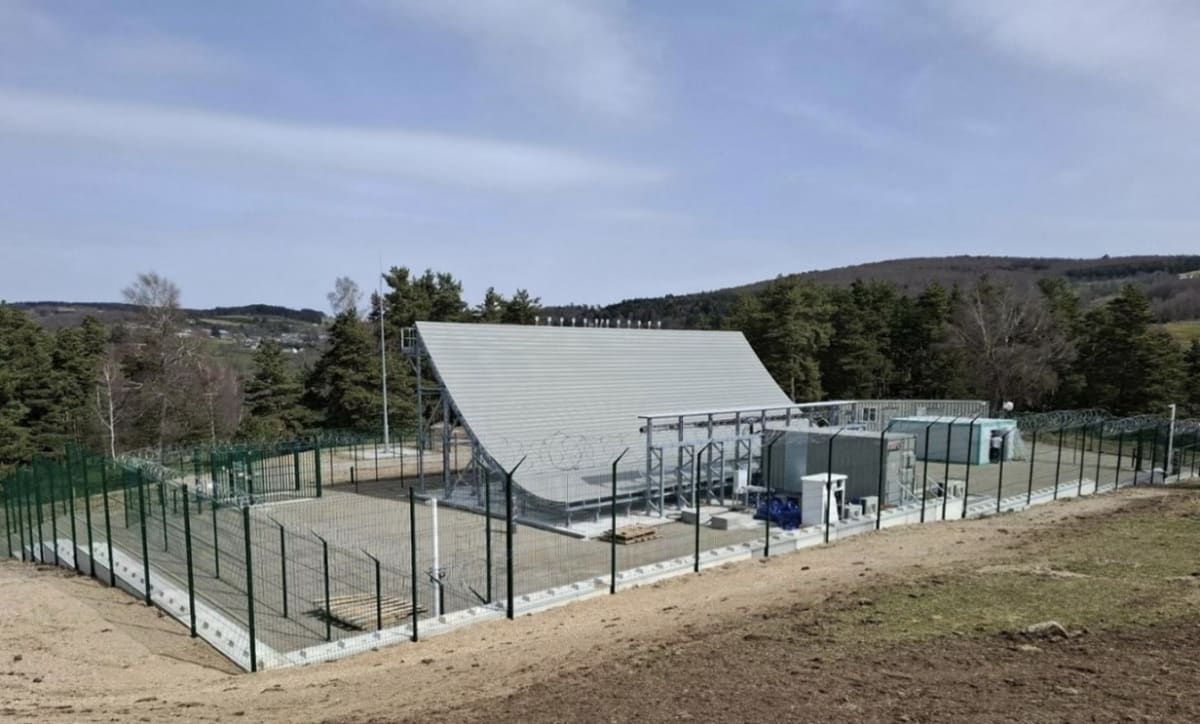
Two French space companies are building a system that could warn satellites about dangerous collisions and help them dodge debris in minutes instead of hours. The breakthrough could make Earth's crowded orbit safer as more than 15,000 satellites circle our planet.

Scientists discovered that deer create glowing signposts in forests that only they can see under UV light. The finding reveals a secret visual language prey animals use to safely share information without alerting predators.

Three mule deer couldn't wait for California's first major highway wildlife bridge to officially open, already using the $20 million structure while workers put finishing touches on it. The Route 97 crossing promises to save thousands of animal lives and make roads safer for drivers across the state.

After years of repair battles, John Deere released software that lets farmers fix their own tractors. The tool connects to machines and guides owners through repairs, though some farmers remain skeptical.
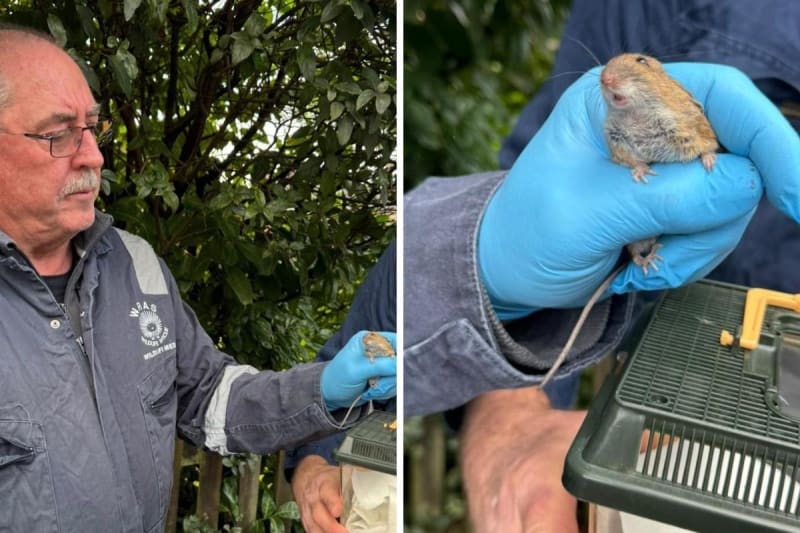
A wildlife ambulance crew in East Sussex discovered a tiny mouse hitchhiking on their windscreen while racing to save a trapped deer. Both animals got the help they needed, proving no rescue is too big or too small.
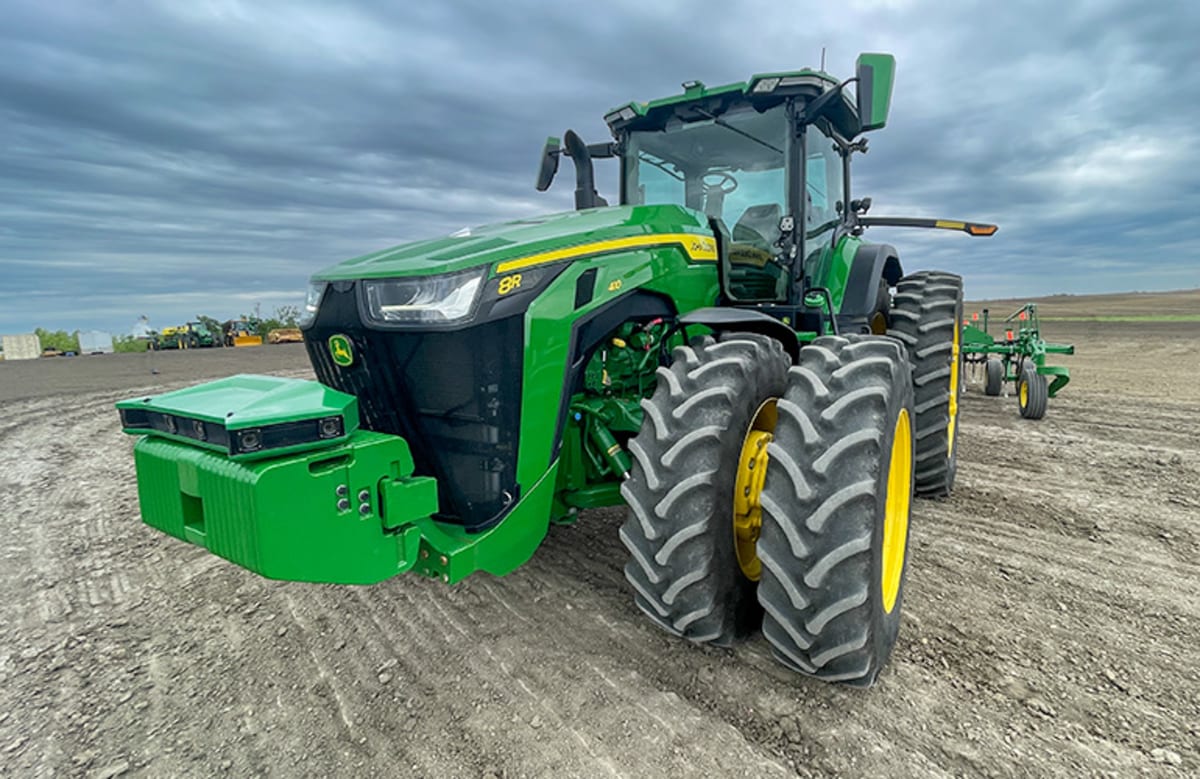
Farmers can now chat with their field data like texting a friend, thanks to John Deere's new AI assistant that turns years of records into instant answers. The best part? It's completely free.
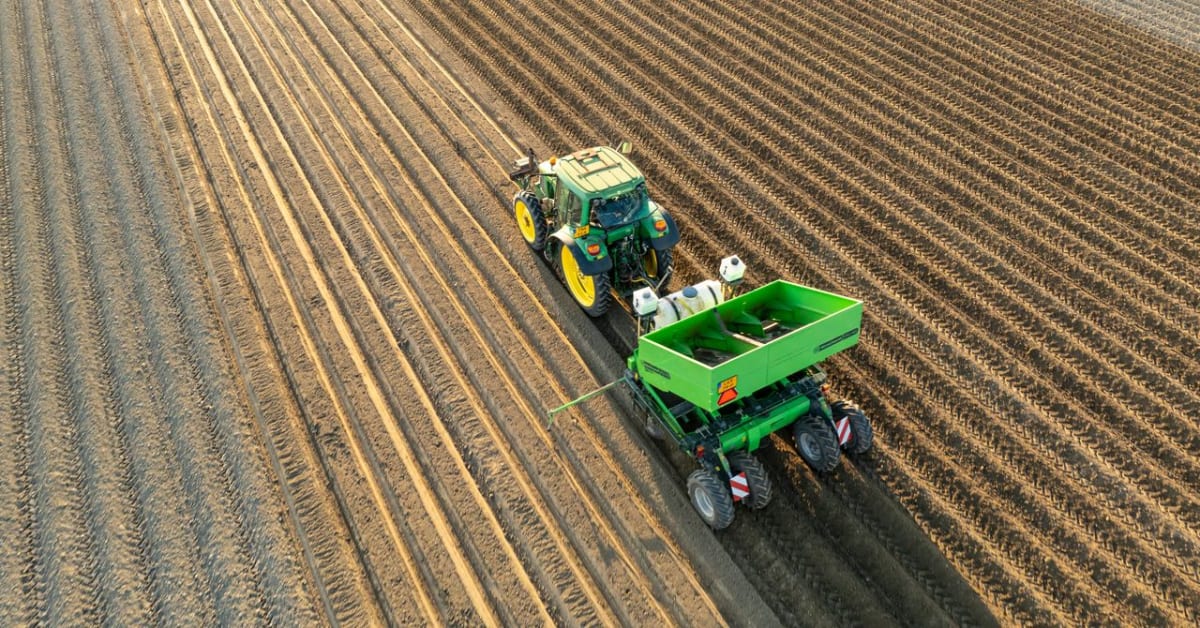
After years of farmers fighting for the right to fix their own equipment, John Deere will pay $99 million and make repair tools widely available for the next decade. It's a major win for 200,000 farmers who can now repair tractors themselves instead of waiting weeks for approved dealerships.

Walk a month in someone else's shoes this June in Red Deer. A free interactive event helps community members understand the daily struggles families face when every dollar counts.

After a fatal helicopter collision killed two firefighters in Greece, an Israeli system that helps aircraft avoid crashes is gaining attention. The technology lets helicopters, planes, and drones share their locations in real time without needing air traffic control.
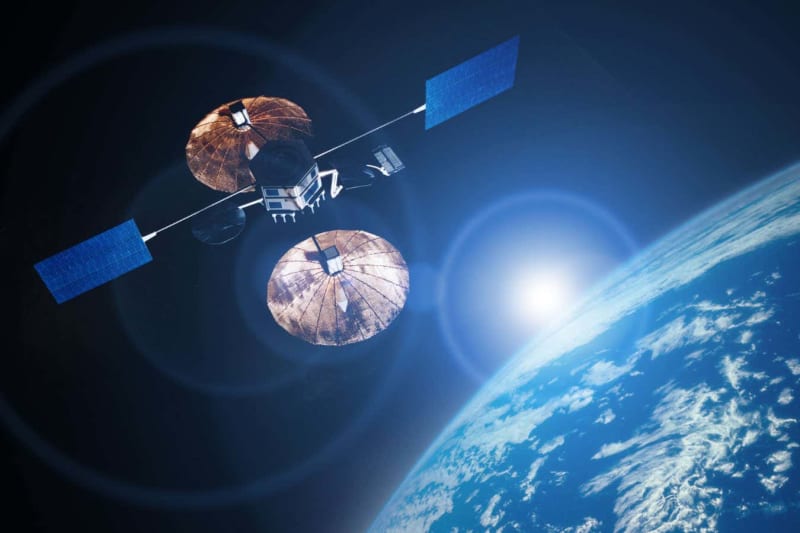
Scientists have cracked a major puzzle in satellite control, using magnetic fields instead of fuel to move spacecraft. This breakthrough could keep space missions running longer and prevent dangerous collisions in orbit.
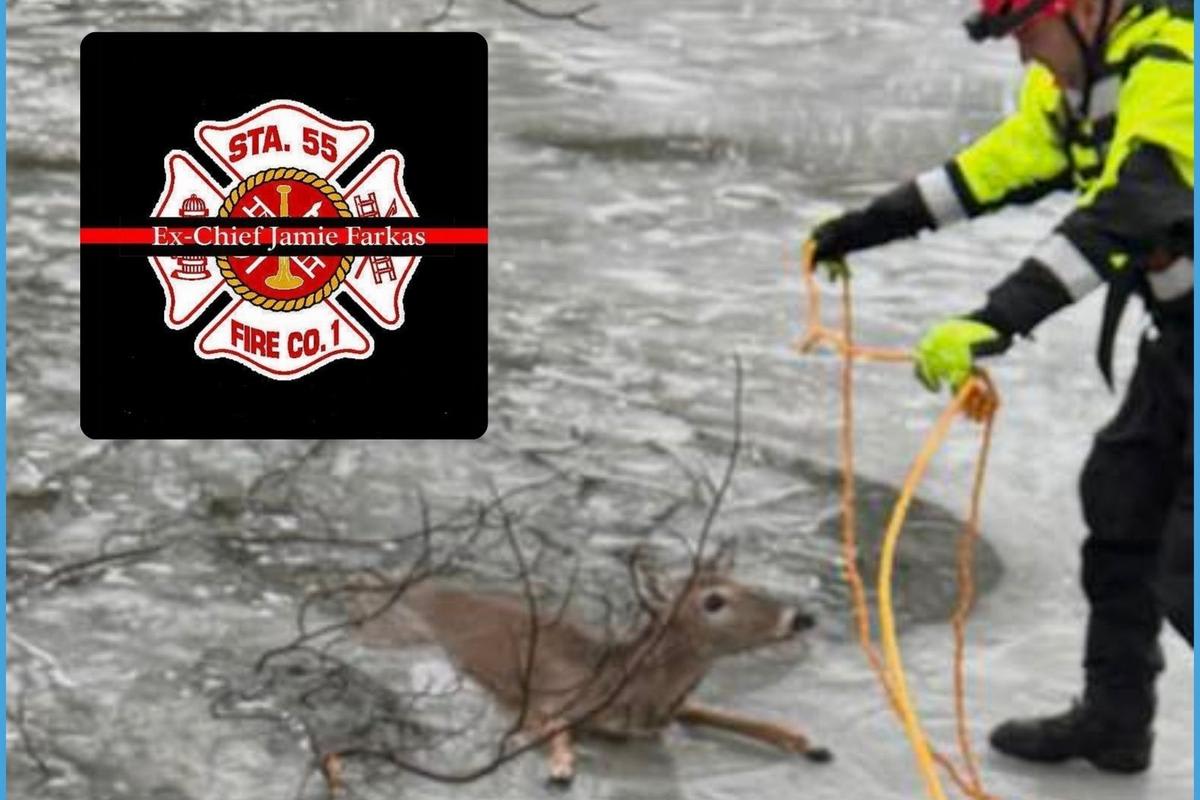
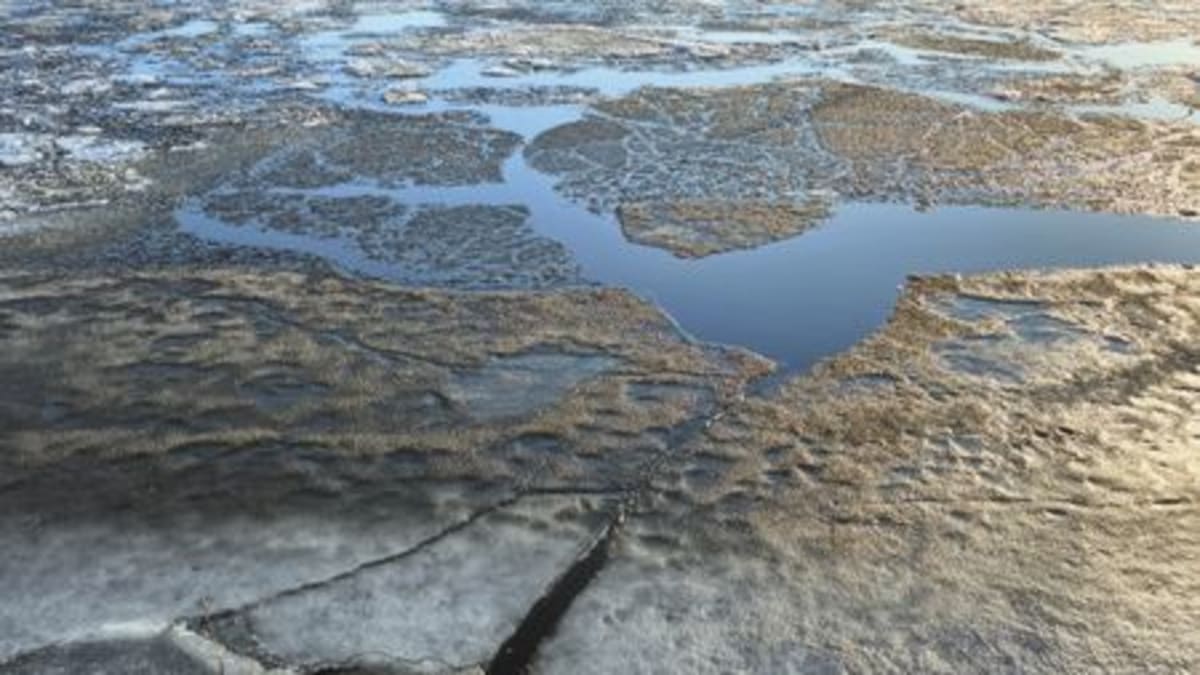
A deer that fell through ice in a Somerset County canal got a second chance at life thanks to quick-thinking firefighters who launched an inflatable raft to reach the frightened animal. The uninjured deer ran back into the wild moments after being rescued.
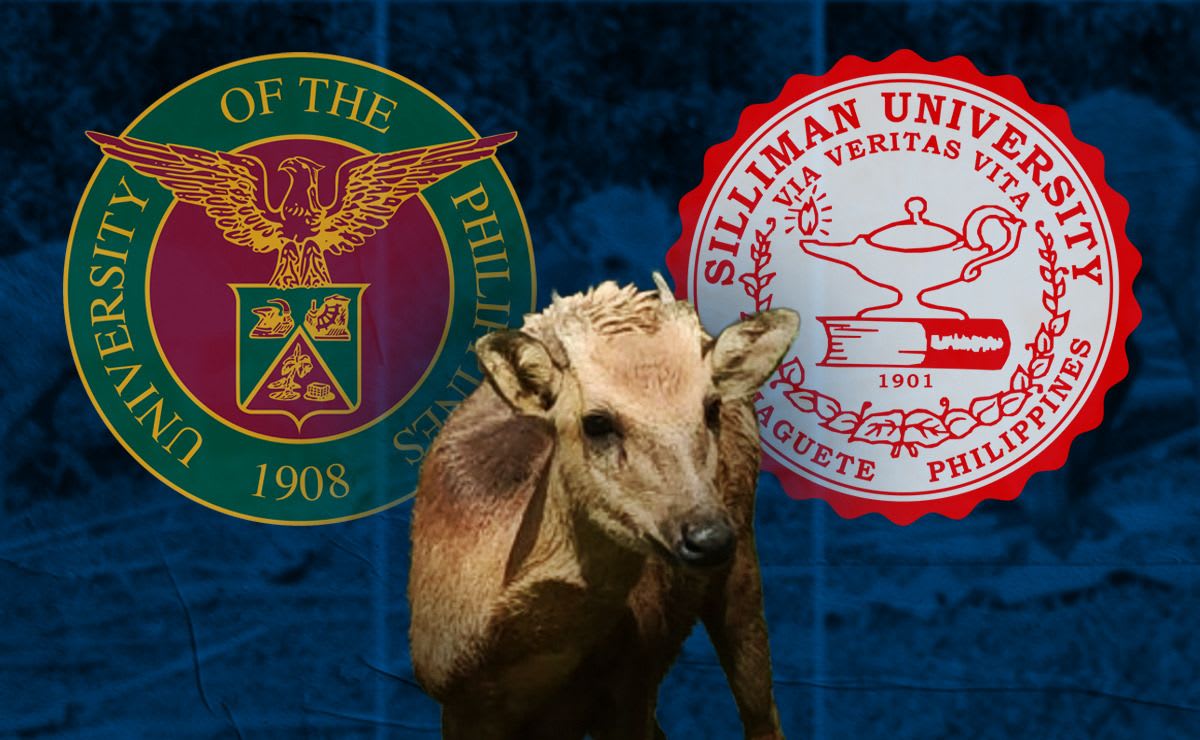
Scientists in the Philippines have unlocked the complete genetic code of the Visayan spotted deer, one of the world's rarest deer species with only 700 left in the wild. This breakthrough gives conservationists the tools they need to save the beautiful spotted creature from extinction.

South Australia is making major progress in controlling feral deer populations after tightening farm regulations and introducing advanced tracking systems. The state is now leading Australia's fight against invasive deer species.
Showing 20 of 843