6 Tech Companies Let You Work From Anywhere on Earth
The future of remote work isn't just your home office. It's a beach in Bali, a café in Paris, or wherever inspiration strikes you.
Find uplifting stories about heroes, innovations, and solutions
50109 results for "future of work"
The future of remote work isn't just your home office. It's a beach in Bali, a café in Paris, or wherever inspiration strikes you.

The pandemic shift to working from home has found its sweet spot, with over 13% of Americans now working primarily remotely. That's more than double pre-COVID levels, signaling a permanent transformation in how we work.
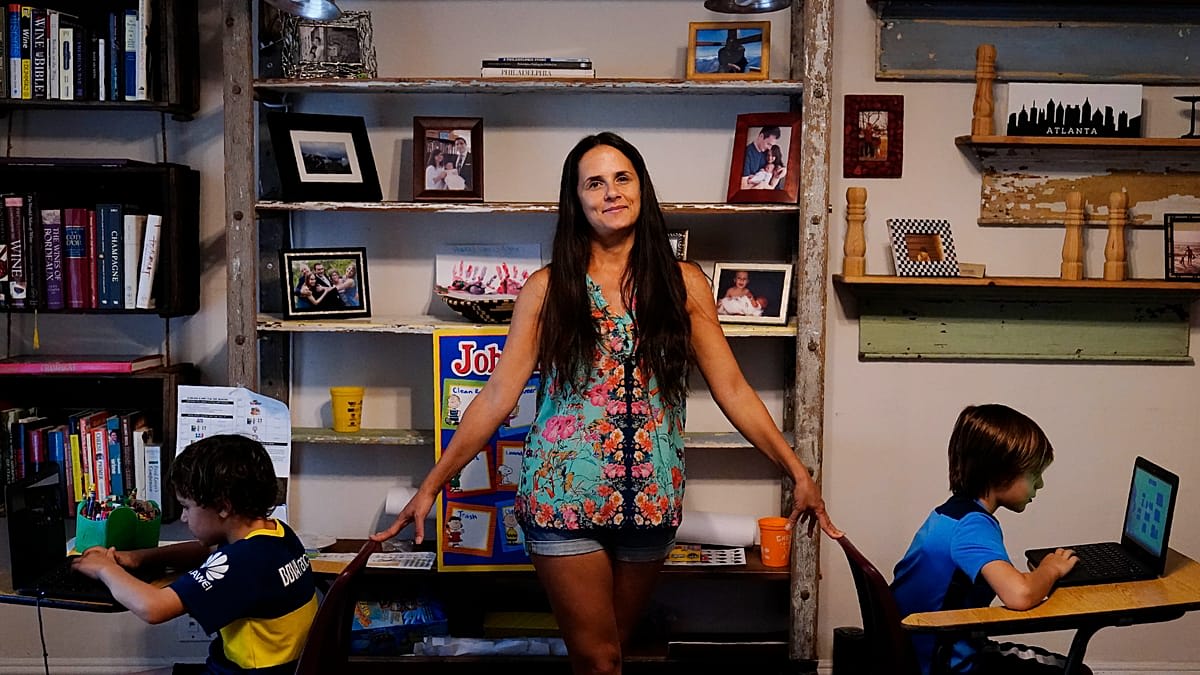
Couples who work from home at least one day a week have more children than those who don't, according to new research across 38 countries. The findings suggest flexible work could help families balance careers and parenthood.

An Instagram creator's video about her first full week of remote work has sparked a massive conversation about work-life balance. Her surprising discovery: she became more productive, not less, when she ditched the commute. #
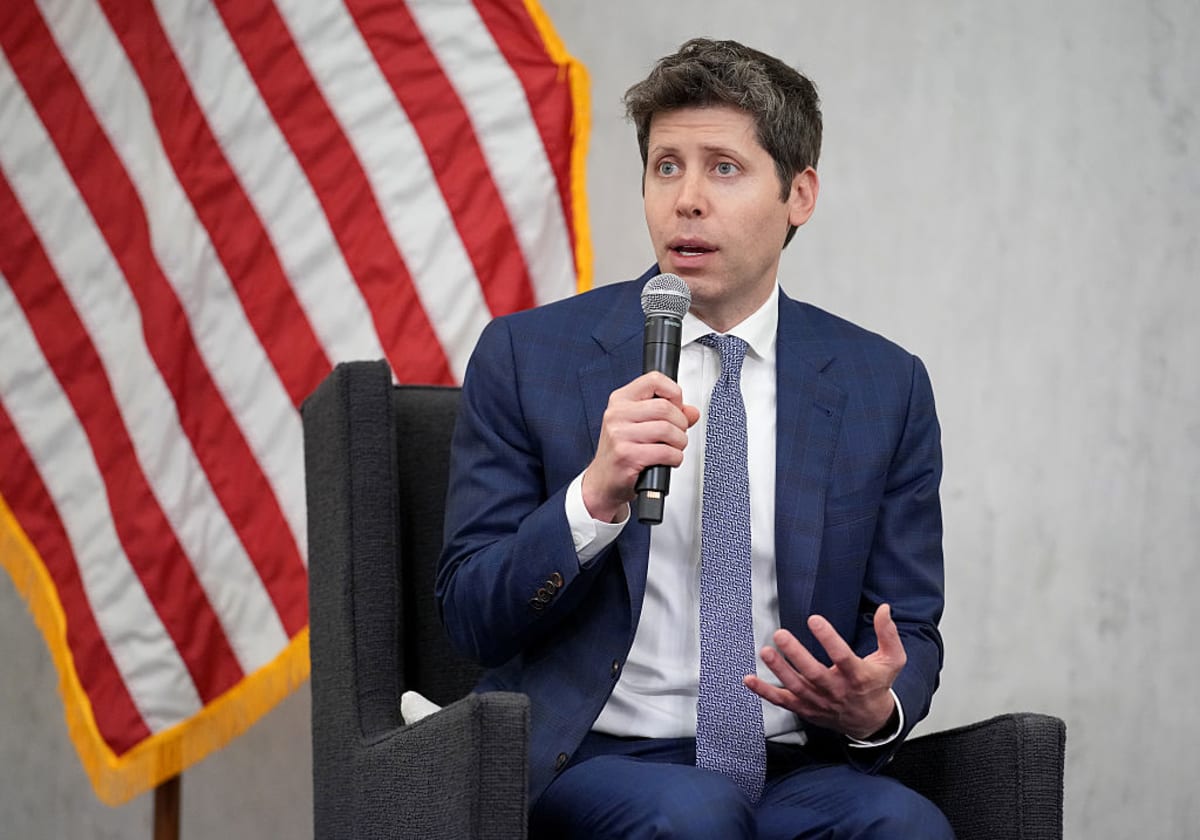
OpenAI just released a bold vision for an AI-powered future where Americans work fewer hours without losing pay and everyone gets a stake in AI company profits. The tech giant's new policy blueprint aims to spread AI prosperity beyond Silicon Valley and into everyday wallets.

As artificial intelligence automates white-collar jobs, economists predict human skills like caregiving and teaching will become more valuable. The question is whether the women who dominate these fields will finally see the recognition they deserve.

Astronauts have long compared space missions to working in a warehouse, spending precious time on repetitive tasks. New robotic systems from companies like Icarus Robotics could soon handle the grunt work, letting crews focus on groundbreaking research.

A groundbreaking Australian study reveals the exact strategies that make managers say yes to remote work requests. The best news? Parents and non-parents have equal chances when they frame their pitch correctly.

Working from home is solving a problem governments spent billions trying to fix: falling birth rates. A 40-country study shows remote work is quietly fueling a baby boom, with couples gaining time and flexibility to start families.

ChatGPT creator OpenAI wants companies to試試 four-day work weeks with full pay as artificial intelligence reshapes the workplace. The tech giant's new policy roadmap aims to help workers thrive during rapid technological change.

Over 100 senior-level working mothers opened up about balancing careers and caregiving, and their honest stories reveal both struggle and resilience. Their creative solutions and fierce determination show how women are adapting to make it work, even when systems aren't supporting them.

A tech expert who's worked with AI for over a decade shares why the rise of artificial intelligence should give us hope, not fear. History shows us that while tools change, human value endures.
Thailand is requiring most state agencies to offer full work-from-home capabilities in a bold move to slash fuel consumption. The policy could reshape how government work gets done while tackling energy costs and emissions.
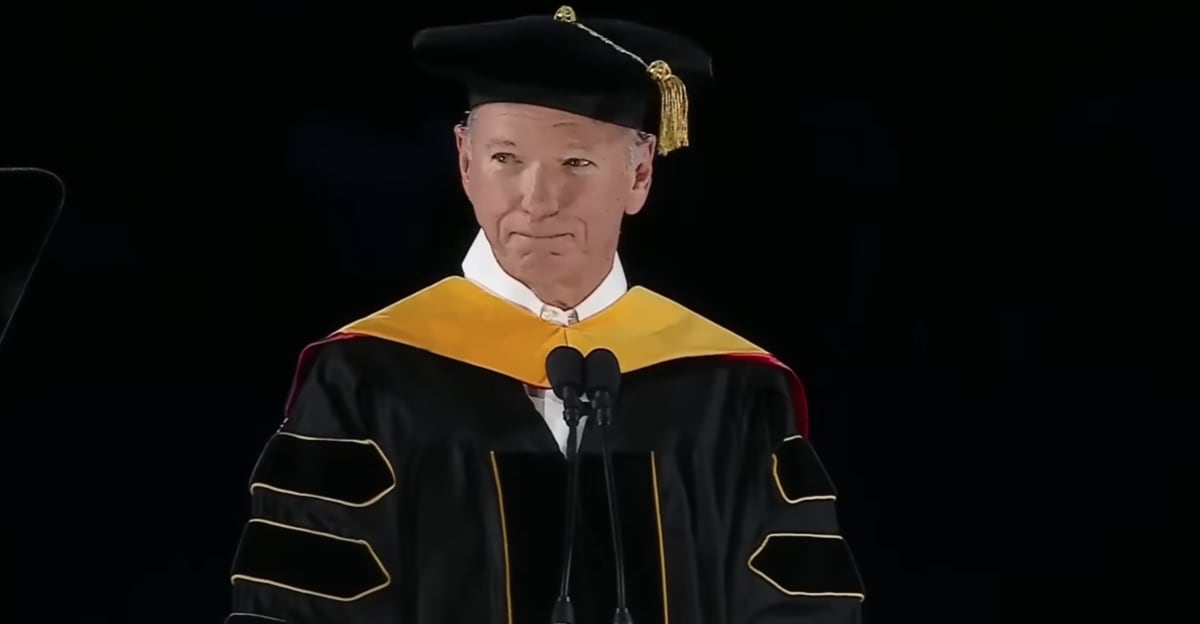
College graduates across America are making their voices heard, booing tech executives who dismiss their concerns about AI replacing their careers. Their courage is sparking an important conversation about the future of work.
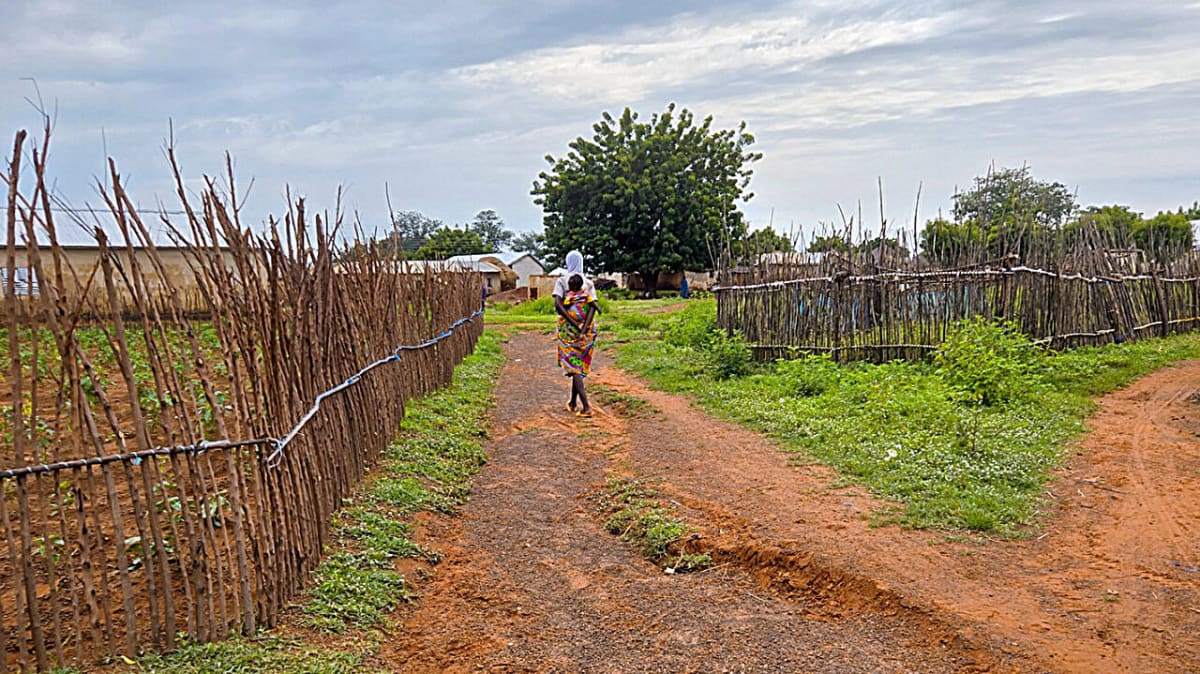
New research shows that offering remote work options helped Ghanaian women struggling with anxiety and depression enter the job market. Once working from home, their mental health didn't affect their productivity or earnings at all.

Dubai's Museum of the Future is approaching five million visitors just four years after opening, cementing its status as a global hub for innovation and dialogue. The museum has hosted 620 events and welcomed leaders from around the world while launching initiatives to empower Arab minds and shape humanity's future.

Working closer to home could slash work-related carbon emissions by up to 90%, according to groundbreaking research from International Workplace Group and engineering firm Arup. The findings show that simply shortening commutes delivers massive environmental wins while boosting employee wellbeing.

A regional Australian council wants to give employees Fridays off without cutting pay or hours, potentially saving $1 million while improving work-life balance. The Murrumbidgee Council believes the compressed schedule could help recruit staff and boost productivity in rural areas.
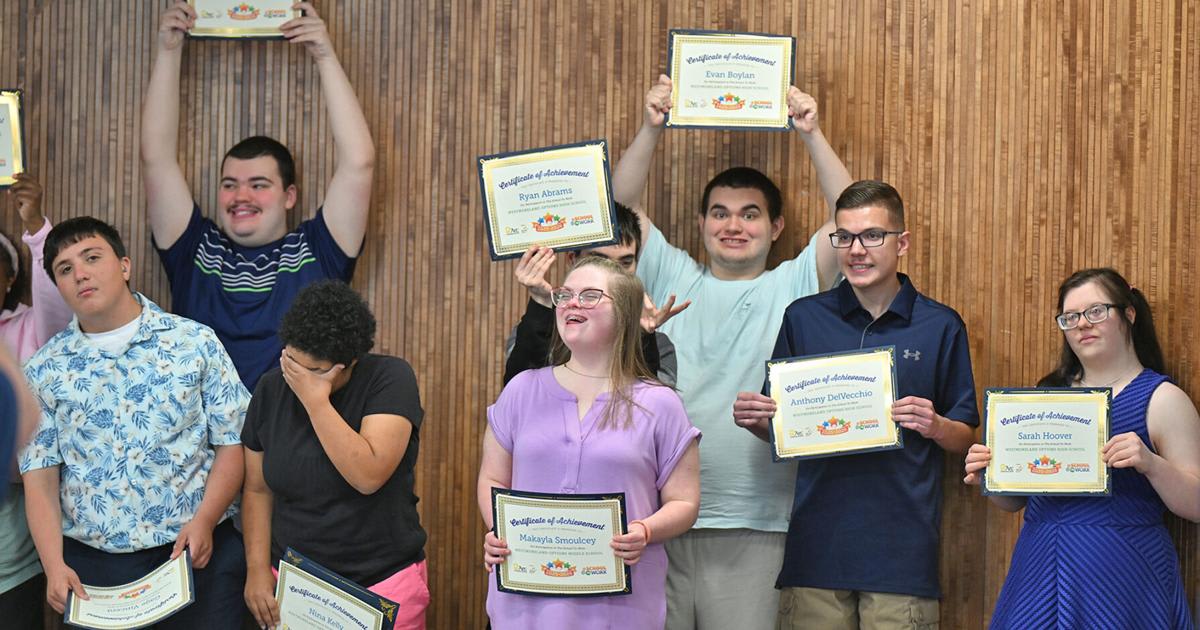
Students with disabilities from across Oneida County gathered to celebrate their achievements in The Arc's School to Work programs. Two seniors shared how the program transformed their confidence and readiness for the future.
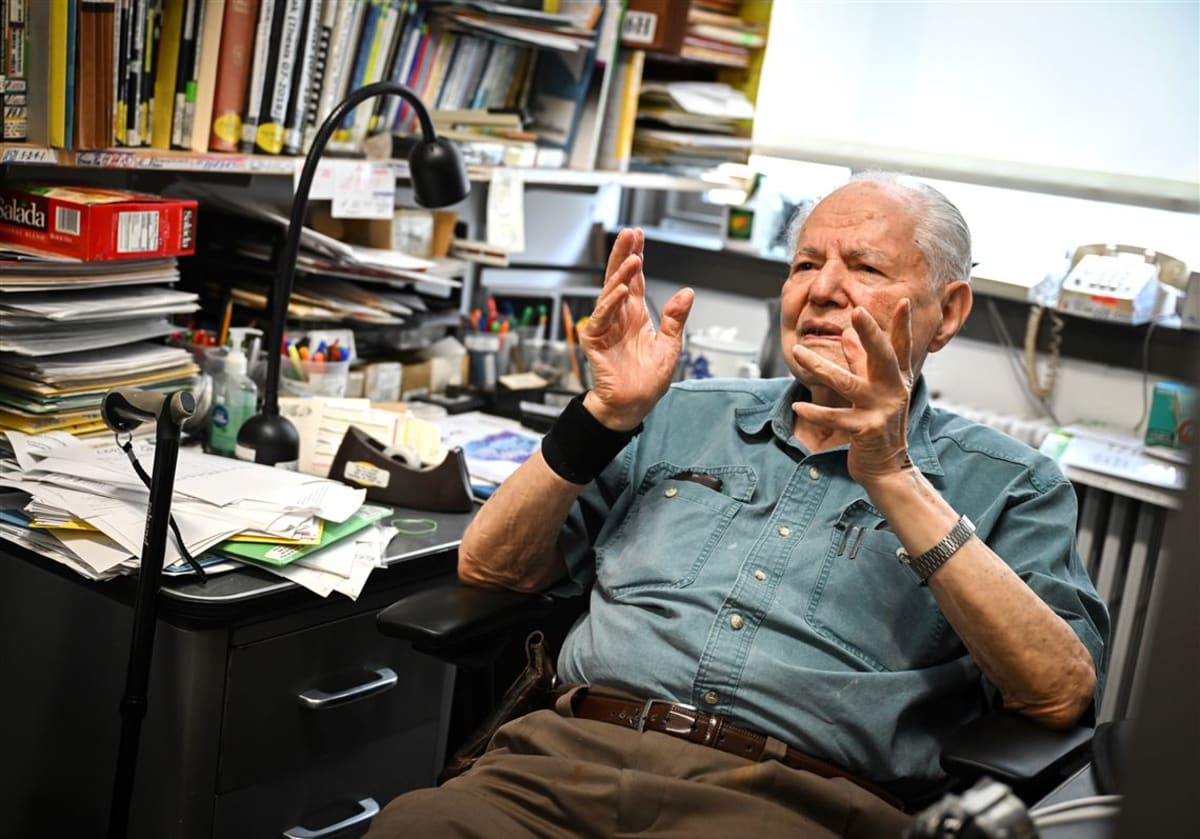
Jim Choyke fled Nazi Germany at age 9, and now at 100, he's still conducting research that powers today's artificial intelligence revolution. The University of Pittsburgh professor emeritus spent 50 years studying silicon carbide, a material now essential for AI and electric vehicles.
Showing 20 of 50109