Search

Find uplifting stories about heroes, innovations, and solutions

1143 results for "galaxy clusters"

Webb Telescope Spots Galaxy Cluster That Shouldn't Exist Yet
InnovationJun 22

Webb Telescope Spots Galaxy Cluster That Shouldn't Exist Yet

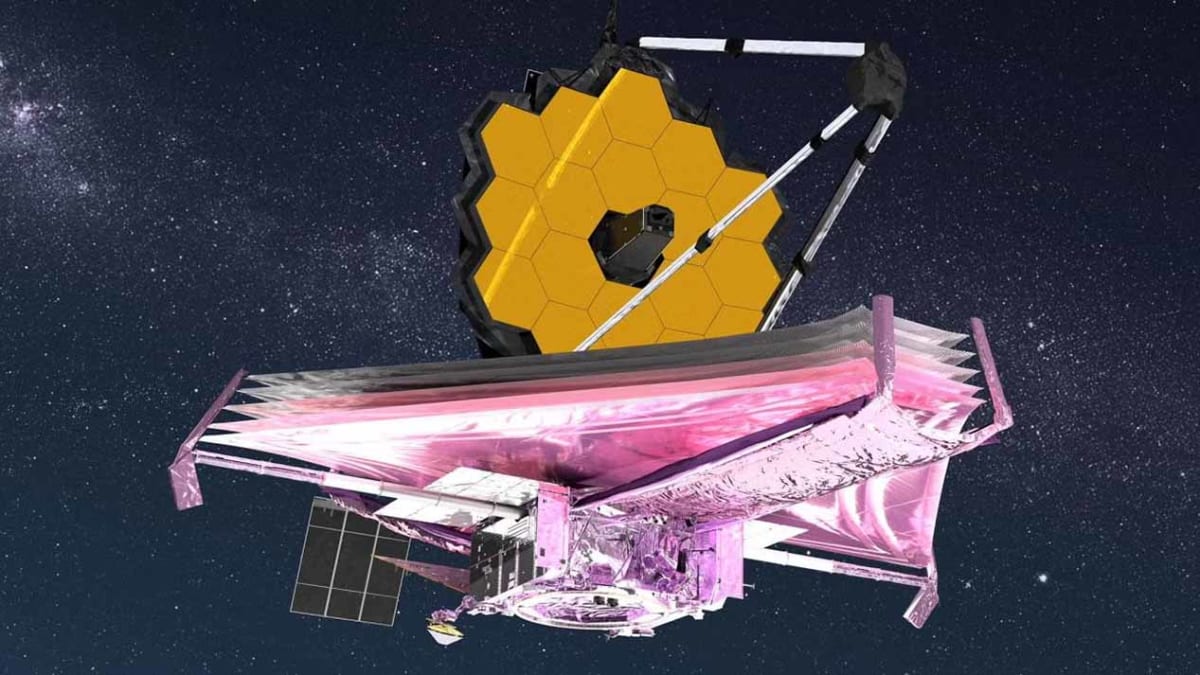
The James Webb Space Telescope discovered a massive galaxy cluster 10 billion light years away that formed way faster than scientists thought possible. This cosmic oddity is rewriting what we know about how the universe grew up.
Google: James Webb telescope3 min read
Universe Grew Up Fast: Earliest Galaxy Cluster Found
InnovationFeb 2

Universe Grew Up Fast: Earliest Galaxy Cluster Found

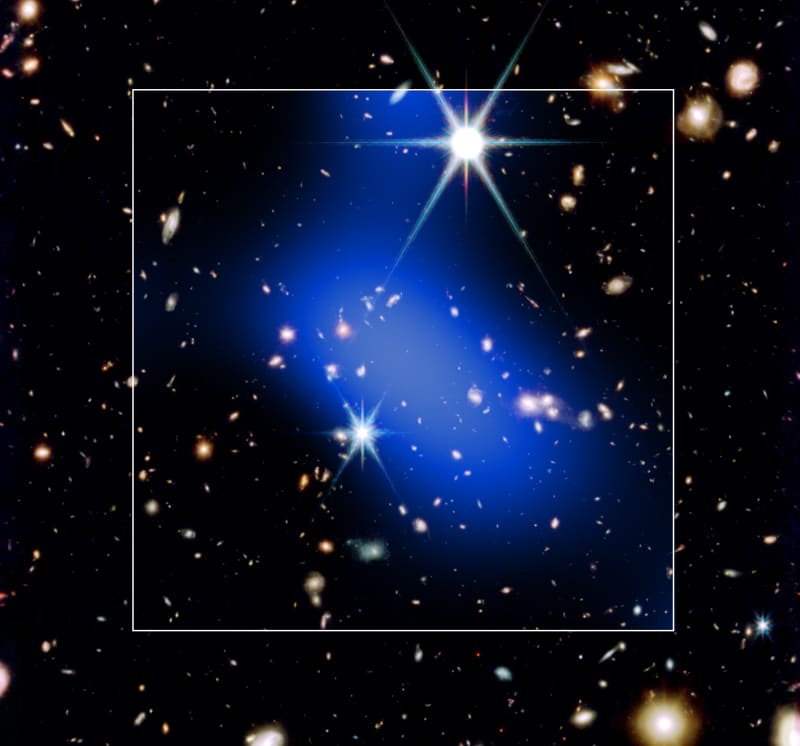
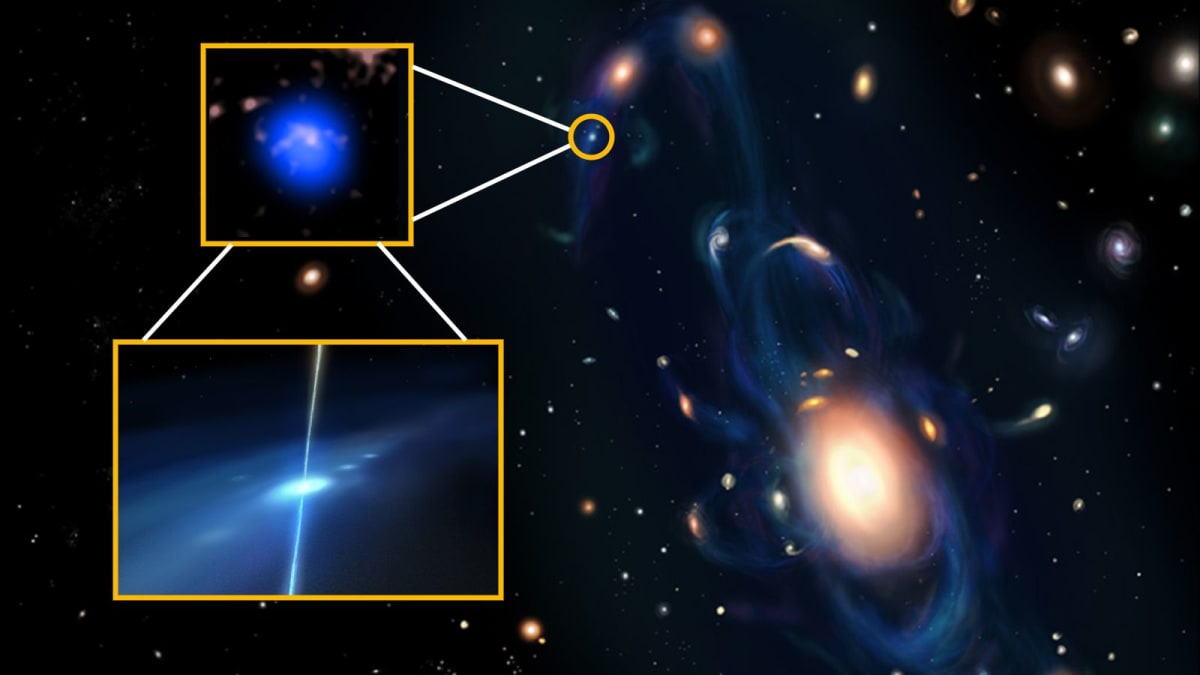
Scientists using NASA's most powerful telescopes just spotted galaxies forming into a cluster barely 1 billion years after the Big Bang, billions of years earlier than anyone thought possible. The discovery reveals the universe was in a "huge hurry to grow up."

Space.com2 min read
Ancient Galaxy Cluster Stuns Scientists, Rewrites Timeline
InnovationFeb 15

Ancient Galaxy Cluster Stuns Scientists, Rewrites Timeline

Two powerful space telescopes just spotted a galaxy cluster so massive and so old, it shouldn't exist according to our current understanding of the universe. The discovery could reveal secrets about how the cosmos grew up faster than anyone thought possible.

Live Science2 min read
NASA Finds Massive Galaxy Cluster 2 Billion Years Early
InnovationFeb 1

NASA Finds Massive Galaxy Cluster 2 Billion Years Early

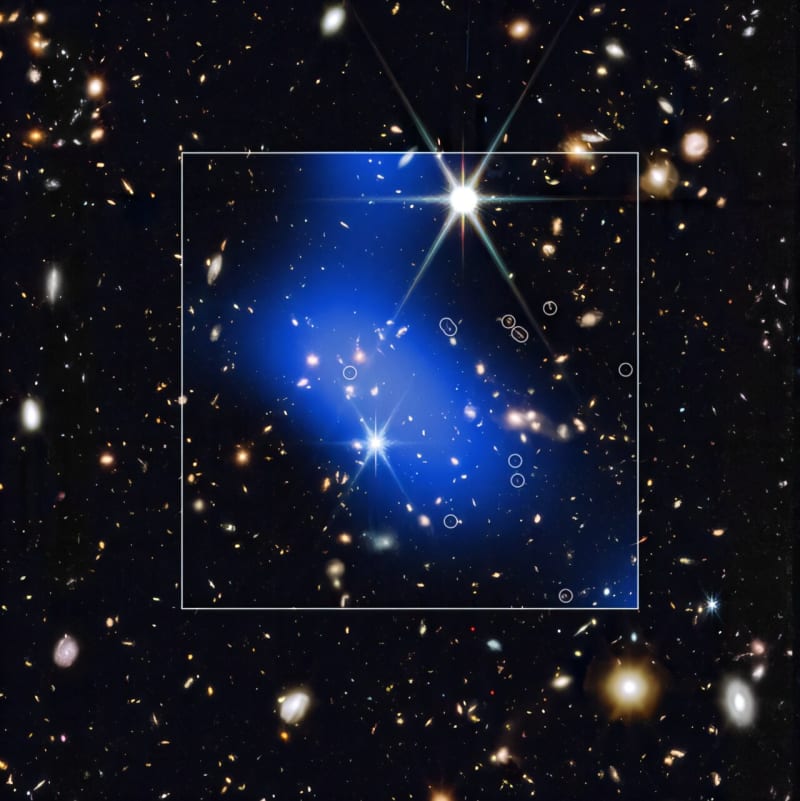
Scientists just discovered a galaxy cluster forming only 1 billion years after the Big Bang, a full 2 billion years earlier than they thought possible. The finding challenges everything we knew about how quickly massive structures can form in the universe. #

Google: NASA discovery2 min read
NASA Finds Galaxy Cluster Born 1 Billion Years After Big Bang
Planet WinsJan 29

NASA Finds Galaxy Cluster Born 1 Billion Years After Big Bang

Scientists just spotted a massive galaxy cluster forming way earlier than anyone thought possible, rewriting our understanding of how the universe grew up. Two powerful telescopes caught the cosmic nursery in action, revealing the universe was in a bigger hurry than we imagined.

NASA2 min read
NASA Finds Galaxy Cluster Forming 1 Billion Years Early
InnovationJan 28

NASA Finds Galaxy Cluster Forming 1 Billion Years Early

Astronomers discovered a massive galaxy cluster forming just 1 billion years after the Big Bang, up to 2 billion years earlier than scientists thought possible. The finding suggests the universe grew up much faster than we imagined.

Phys.org3 min read
Webb Telescope Reveals How Star Clusters Shape Galaxies
InnovationMay 12

Webb Telescope Reveals How Star Clusters Shape Galaxies

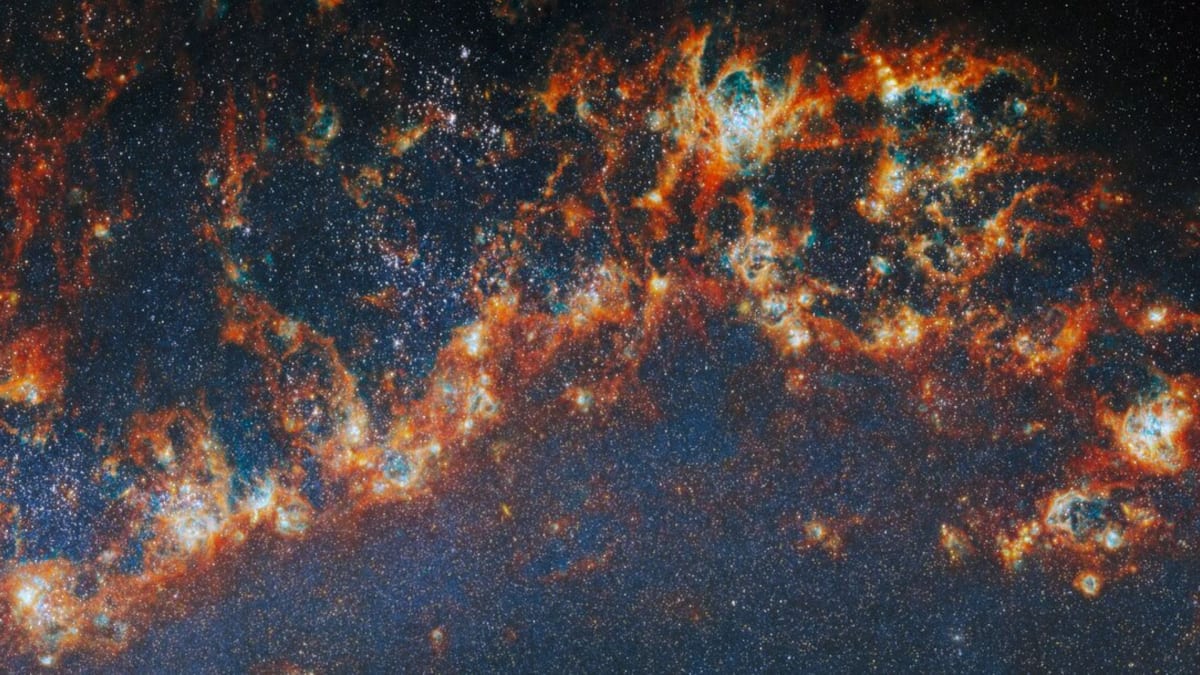
The James Webb Space Telescope captured stunning images of nearly 9,000 young star clusters being born, revealing how these massive stellar nurseries reshape entire galaxies and influence planet formation in ways scientists never expected.

Google: James Webb telescope2 min read
Webb Telescope Finds Galaxy Cluster That Shouldn't Exist
VideosFeb 3

Webb Telescope Finds Galaxy Cluster That Shouldn't Exist

The James Webb Space Telescope discovered a massive galaxy cluster forming just one billion years after the Big Bang, two billion years earlier than scientists thought possible. The finding is forcing astronomers to completely rethink how the universe's largest structures formed.

Google: James Webb telescope3 min read
Webb Telescope Reveals How Star Clusters Reshape Galaxies
InnovationMay 11

Webb Telescope Reveals How Star Clusters Reshape Galaxies

Scientists using the James Webb and Hubble telescopes discovered that massive star clusters break free from their birth clouds faster than expected, completely transforming how we understand galaxy evolution. The findings could reshape our understanding of how planets form and grow.

Space.com3 min read
Galaxies Clustered 12.8 Billion Years Ago, Earlier Than Thought
InnovationFeb 5

Galaxies Clustered 12.8 Billion Years Ago, Earlier Than Thought

Scientists just witnessed the earliest gathering of galaxies ever seen, forming when the universe was barely a billion years old. The discovery suggests our cosmic neighborhood came together much faster than anyone predicted.

Smithsonian2 min read
Manipuri Scientist Names Ancient Galaxy Cluster After Loktak Lake
Acts of KindnessJun 7

Manipuri Scientist Names Ancient Galaxy Cluster After Loktak Lake

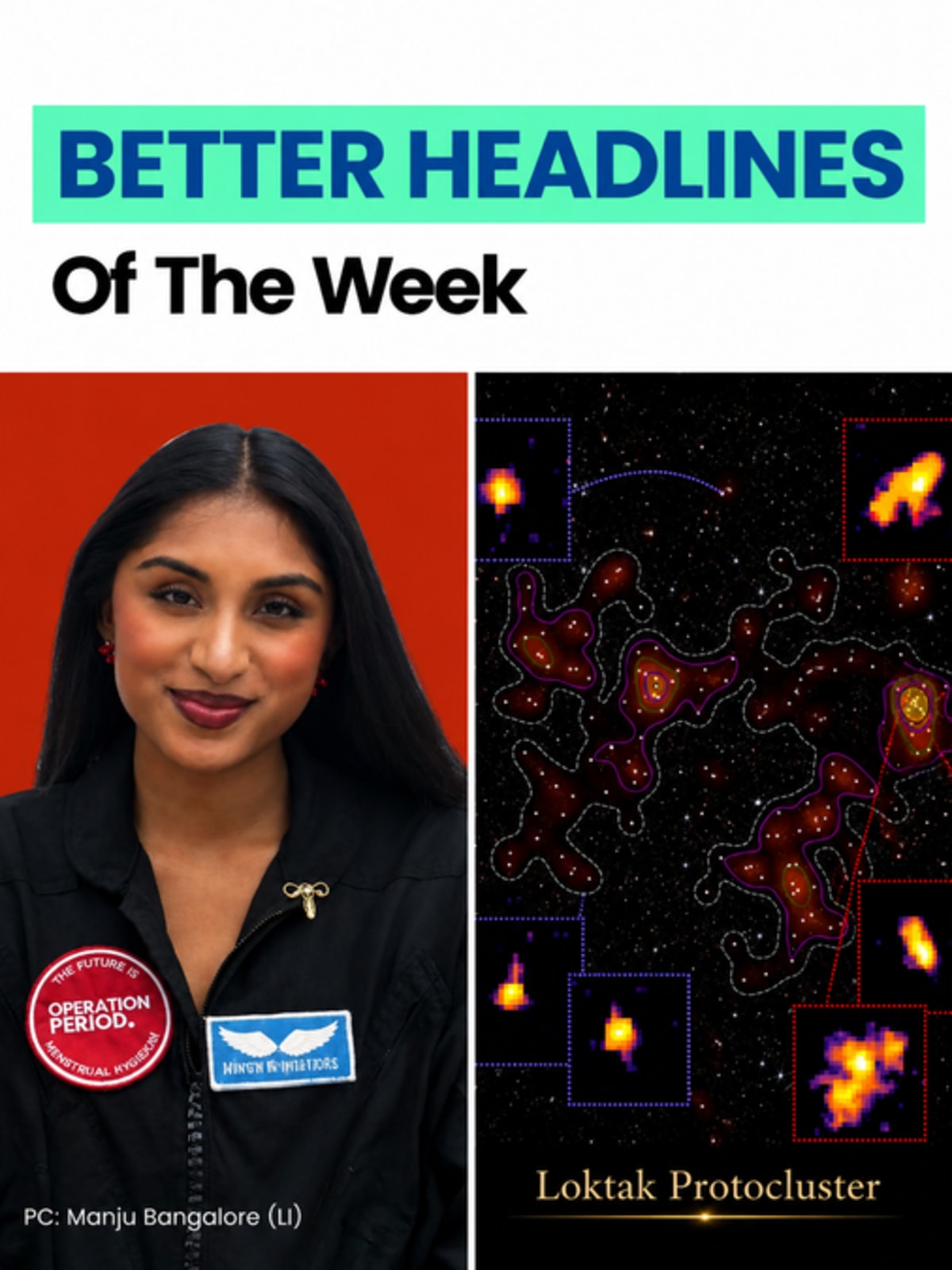
A 29-year-old scientist from Manipur discovered a 12.6-billion-year-old galaxy cluster and named it after his homeland's iconic floating lake. Meanwhile, Costa Rica protects monkeys from power lines and Sweden lets grandparents share parental leave.

The Better India3 min read
Sombrero Galaxy Shines in Stunning New Space Photo
Planet WinsApr 30

Sombrero Galaxy Shines in Stunning New Space Photo

A breathtaking new image reveals the Sombrero galaxy in unprecedented detail, showing why it's become one of astronomers' favorite cosmic targets. The hat-shaped wonder sits 28 million light-years away and holds nearly 10 times more star clusters than our own Milky Way.

Space.com2 min read
Scientists Find Galaxy Within a Galaxy 4.7 Billion Light-Years Away
InnovationMar 13

Scientists Find Galaxy Within a Galaxy 4.7 Billion Light-Years Away

Astronomers discovered a powerful cosmic explosion coming from a tiny, hidden galaxy nestled inside an ancient stream of gas and dust. The collision of two neutron stars inside this mini-galaxy could solve mysteries about where precious metals like gold and platinum come from.

Live Science2 min read
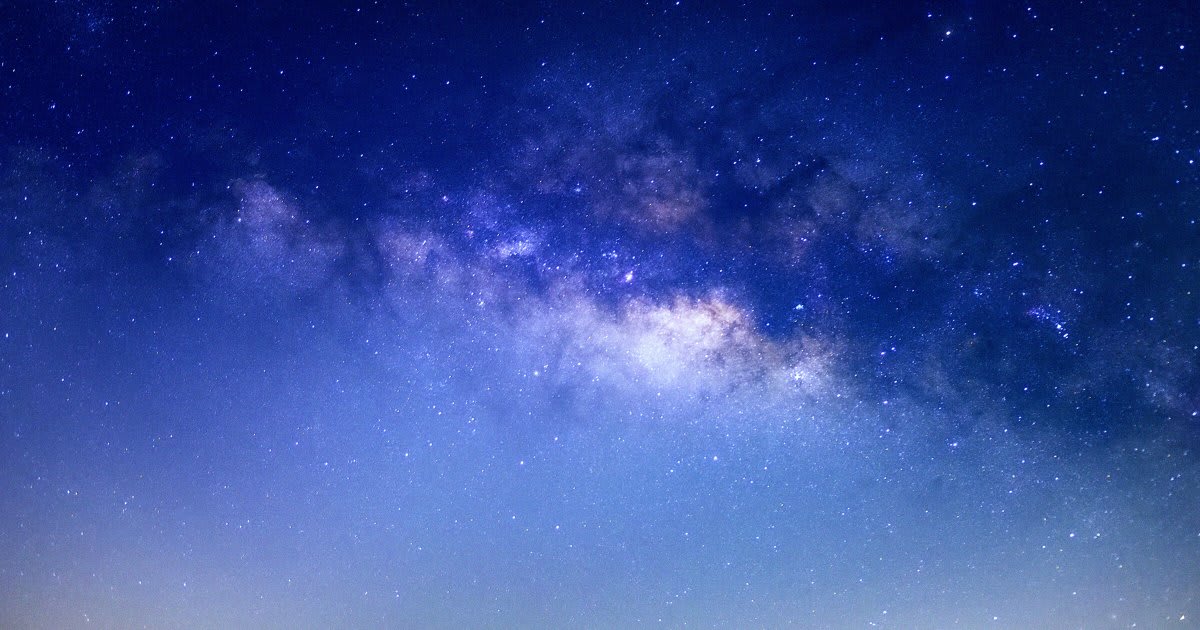
Ancient Galaxy Discovered Hidden Inside the Milky Way
InnovationMay 4

Ancient Galaxy Discovered Hidden Inside the Milky Way

Scientists found the remains of an ancient dwarf galaxy buried inside our own Milky Way, consumed billions of years ago. The discovery reveals new clues about how galaxies grow and evolve over time.

Futurism2 min read
Galaxies Collide in Stunning 21-Hour Photo from Texas
Planet WinsMar 28

Galaxies Collide in Stunning 21-Hour Photo from Texas

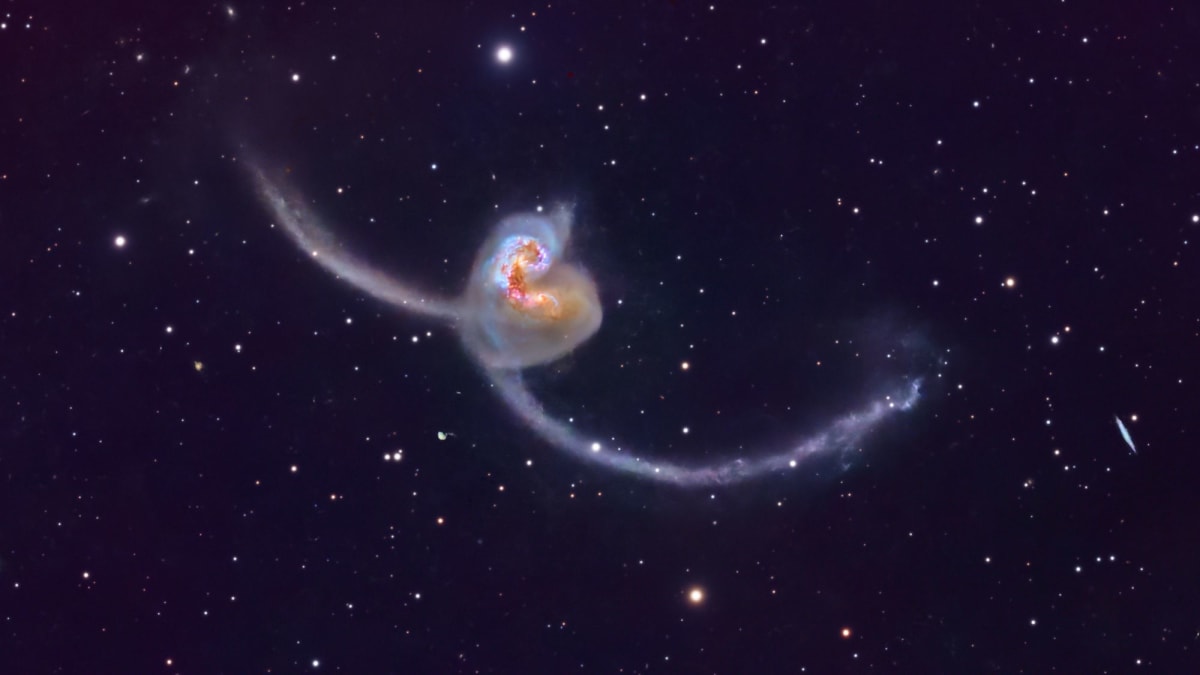
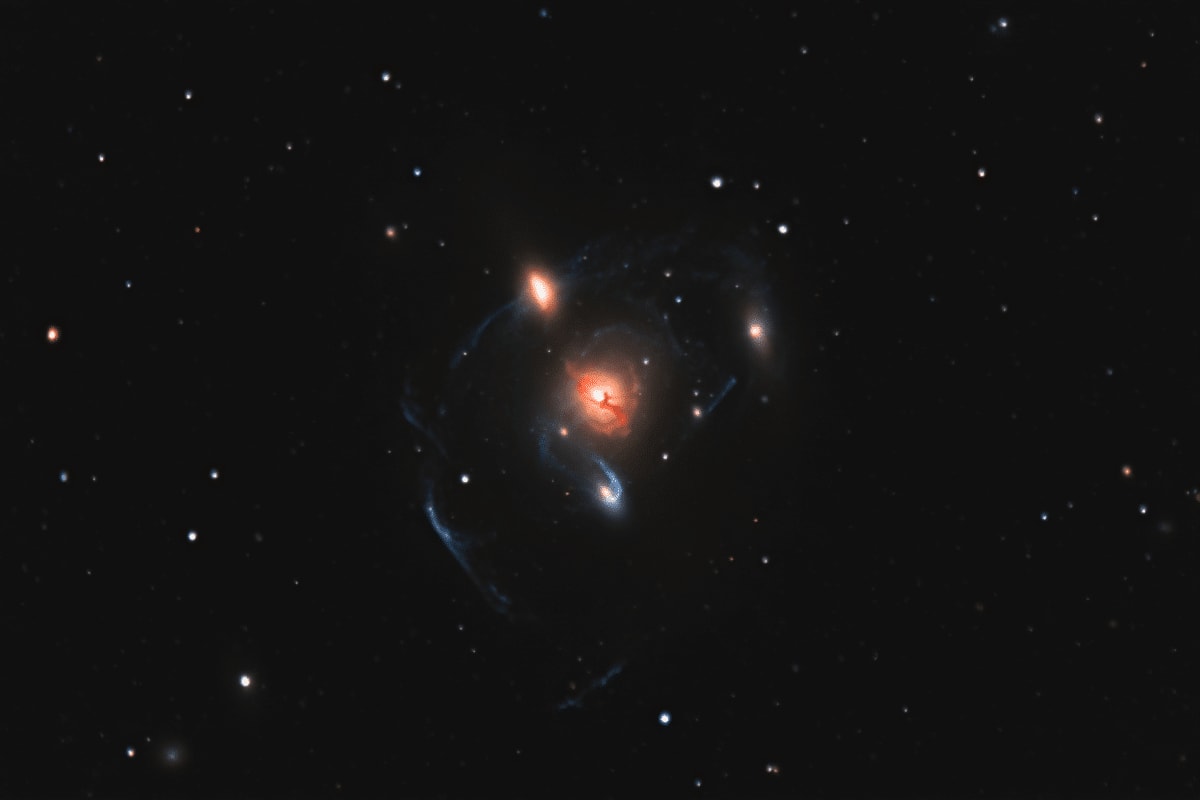
A Texas astrophotographer captured two galaxies merging 45 million light-years away in a cosmic dance that's been unfolding for hundreds of millions of years. The breathtaking image reveals star clusters being born in the collision's spectacular tidal tails.

Space.com2 min read
Hubble Captures Stunning Galaxy Dancing Through Deep Space
Planet WinsMay 30

Hubble Captures Stunning Galaxy Dancing Through Deep Space

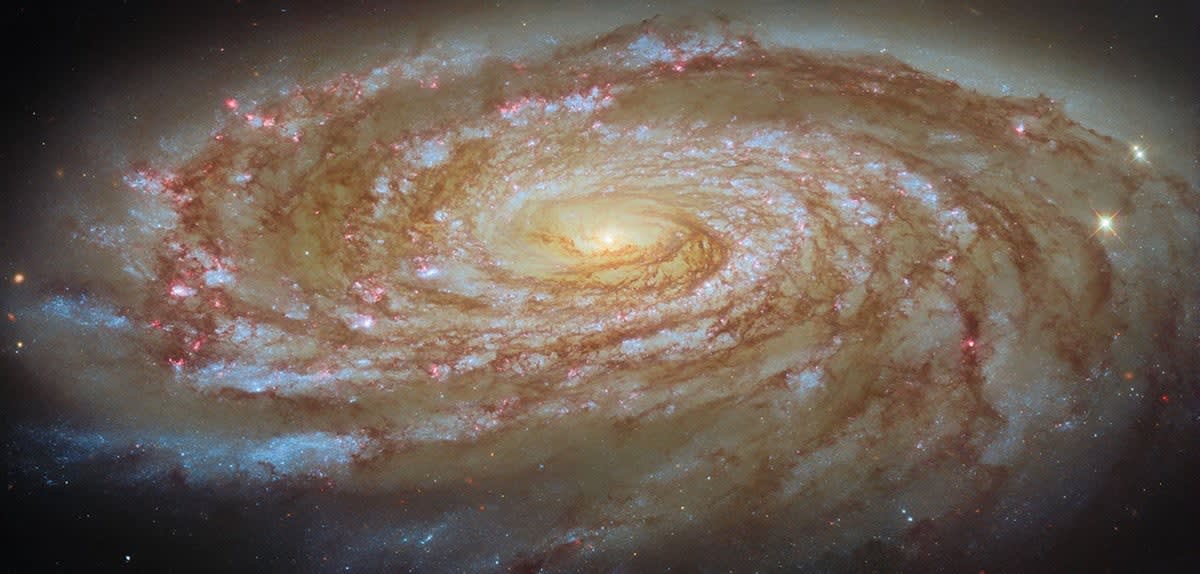
NASA's Hubble Space Telescope photographed a gorgeous spiral galaxy twirling toward the center of a massive cluster 60 million light-years away. The image reveals a cosmic dance that's been unfolding for millions of years.

Scientific American3 min read
Scientists Find 99% Dark Matter Galaxy Using New Method
InnovationFeb 23

Scientists Find 99% Dark Matter Galaxy Using New Method

Astronomers discovered an almost invisible galaxy made nearly entirely of dark matter, using a clever new technique that tracks ancient star clusters instead of searching for starlight. The finding opens new doors to understanding the mysterious substance that makes up most of our universe.

Google News - Scientists Discover3 min read
Ancient Galaxy Puzzles Scientists by Not Spinning
InnovationMay 19

Ancient Galaxy Puzzles Scientists by Not Spinning

The James Webb Space Telescope discovered a 2-billion-year-old galaxy that isn't rotating, a behavior scientists only expect in much older galaxies. The finding challenges our understanding of how early galaxies formed and evolved.

Google: James Webb telescope2 min read
James Webb Finds Galaxy's Ancient Building Block in Space
InnovationJun 30

James Webb Finds Galaxy's Ancient Building Block in Space

Two powerful telescopes just revealed that a mysterious star cluster isn't what astronomers thought. Instead, it's a 12.5-billion-year-old survivor that helped build our galaxy's heart.

Google: James Webb telescope3 min read
🌍
Planet WinsFeb 13

Astronomers Find Triple Galaxy System Near Andromeda

Scientists discovered three dwarf galaxies dancing together in a rare gravitational trio near the Andromeda Galaxy, revealing new secrets about how small galaxies survive in cosmic neighborhoods. The finding shows that even in the vast universe, companions stick together.

Google: NASA discovery2 min read

Showing 20 of 1143