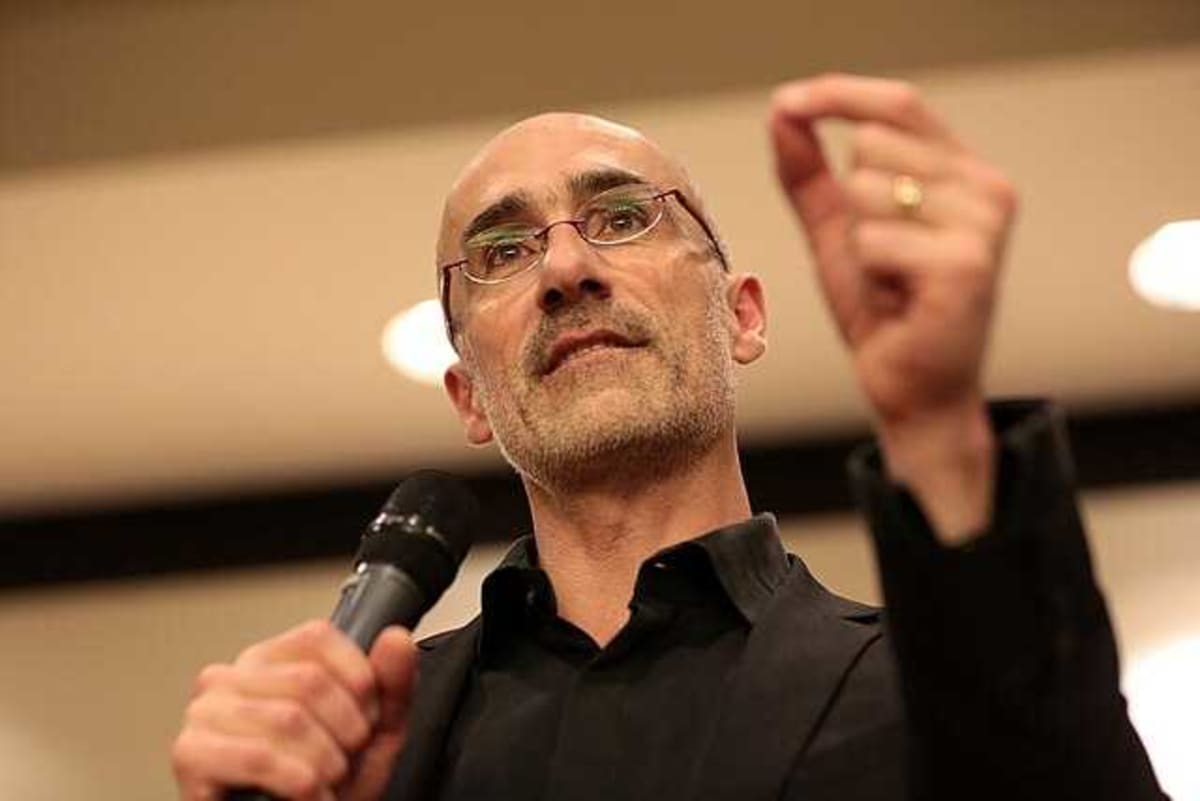
Harvard Researcher's "Reverse Bucket List" Boosts Happiness
A Harvard happiness researcher discovered that achieving every goal on his bucket list made him less happy, not more. His simple solution flips traditional goal-setting on its head.
Find uplifting stories about heroes, innovations, and solutions
19514 results for "harvard research"
A Harvard happiness researcher discovered that achieving every goal on his bucket list made him less happy, not more. His simple solution flips traditional goal-setting on its head.

A 23-year-old from Porirua just won one of Harvard's most prestigious awards for groundbreaking research that maps New Zealand's neighborhoods by opportunity. Her work reveals how your birthplace shapes your future and highlights gaps between Māori and Pākehā communities.
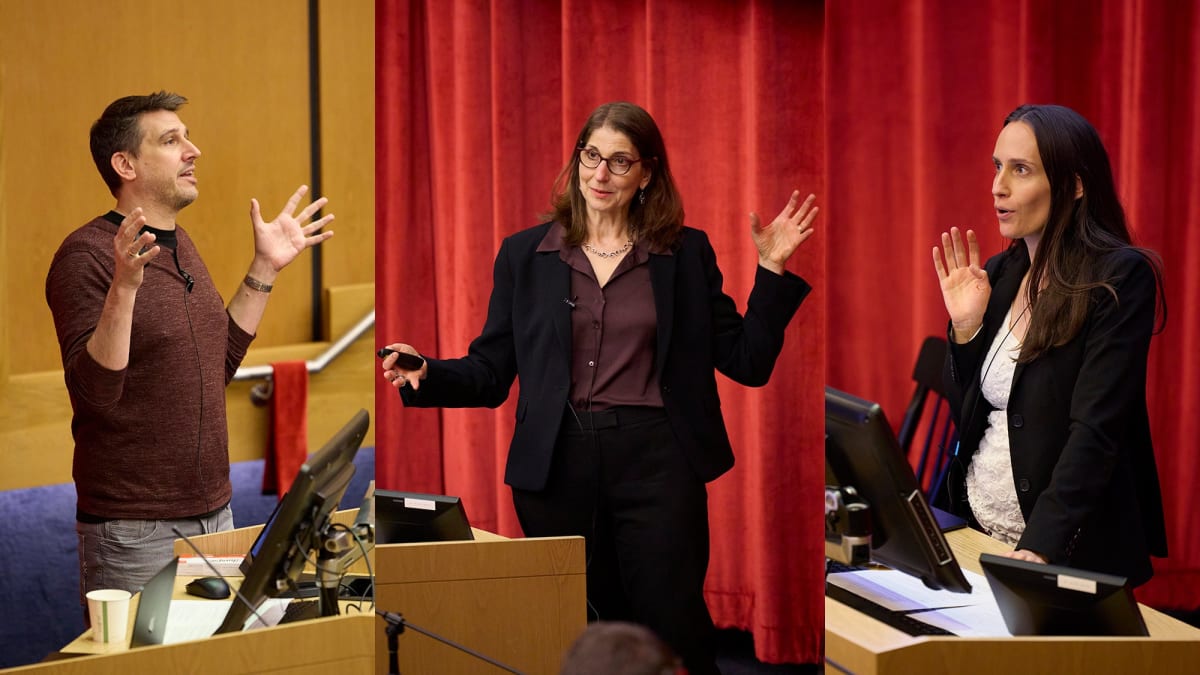
Scientists at Harvard are uncovering real ways to help people stay healthier as they age, from intermittent fasting to social connection. The research could transform how we experience our later years.

South Korea just launched an international quantum computing center that brings together top minds from Harvard, MIT, and local universities. The collaboration aims to solve one of quantum computing's biggest challenges.

A Harvard happiness expert says the secret to joy after middle age isn't getting more—it's wanting less. Dr. Arthur Brooks reveals why ditching unnecessary desires leads to deeper satisfaction as we age.

Harvard researchers discovered that 80% of first impressions come down to just two qualities you can easily control. The secret? It's all about the order in which you show them.

Scientists at Harvard Medical School created the first complete map of smell receptors in the nose, solving a mystery that has puzzled researchers for decades. The breakthrough could lead to new treatments for millions who lost their sense of smell to COVID-19 and other conditions.

A Harvard behavioral scientist reveals that the fastest way to lose an argument is to say "I disagree." Her research-backed approach keeps conversations open and actually changes minds over time.
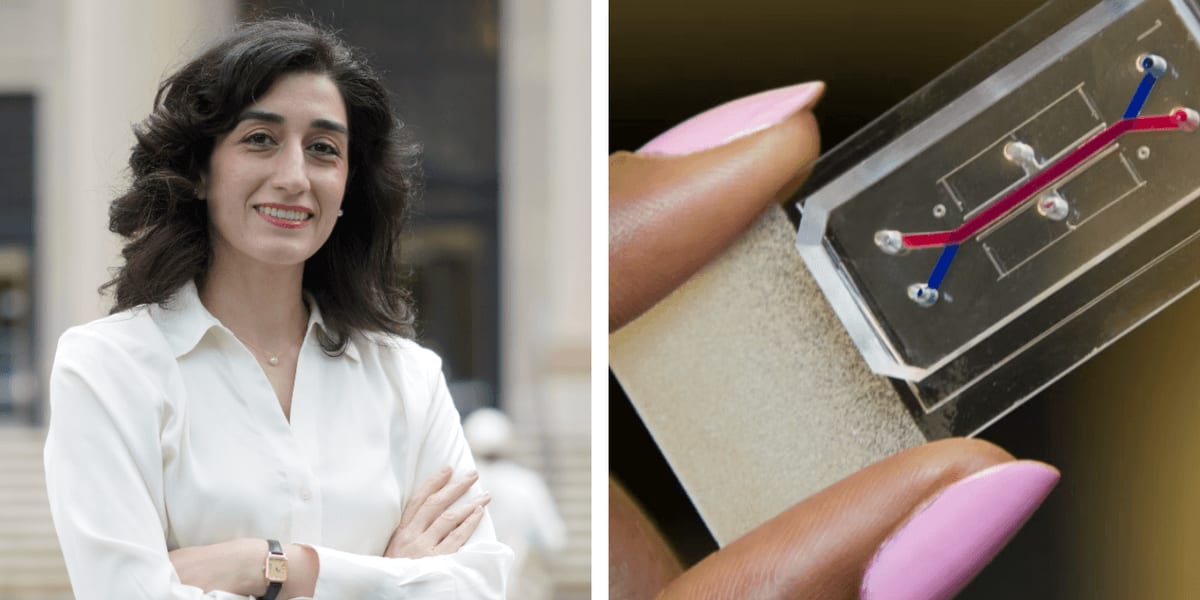
A Harvard scientist just won a major prize for creating a tiny device that could transform women's health research without using animals. The palm-sized chip mimics human reproductive tissue and tracks real-time responses to hormones, bacteria, and infections.
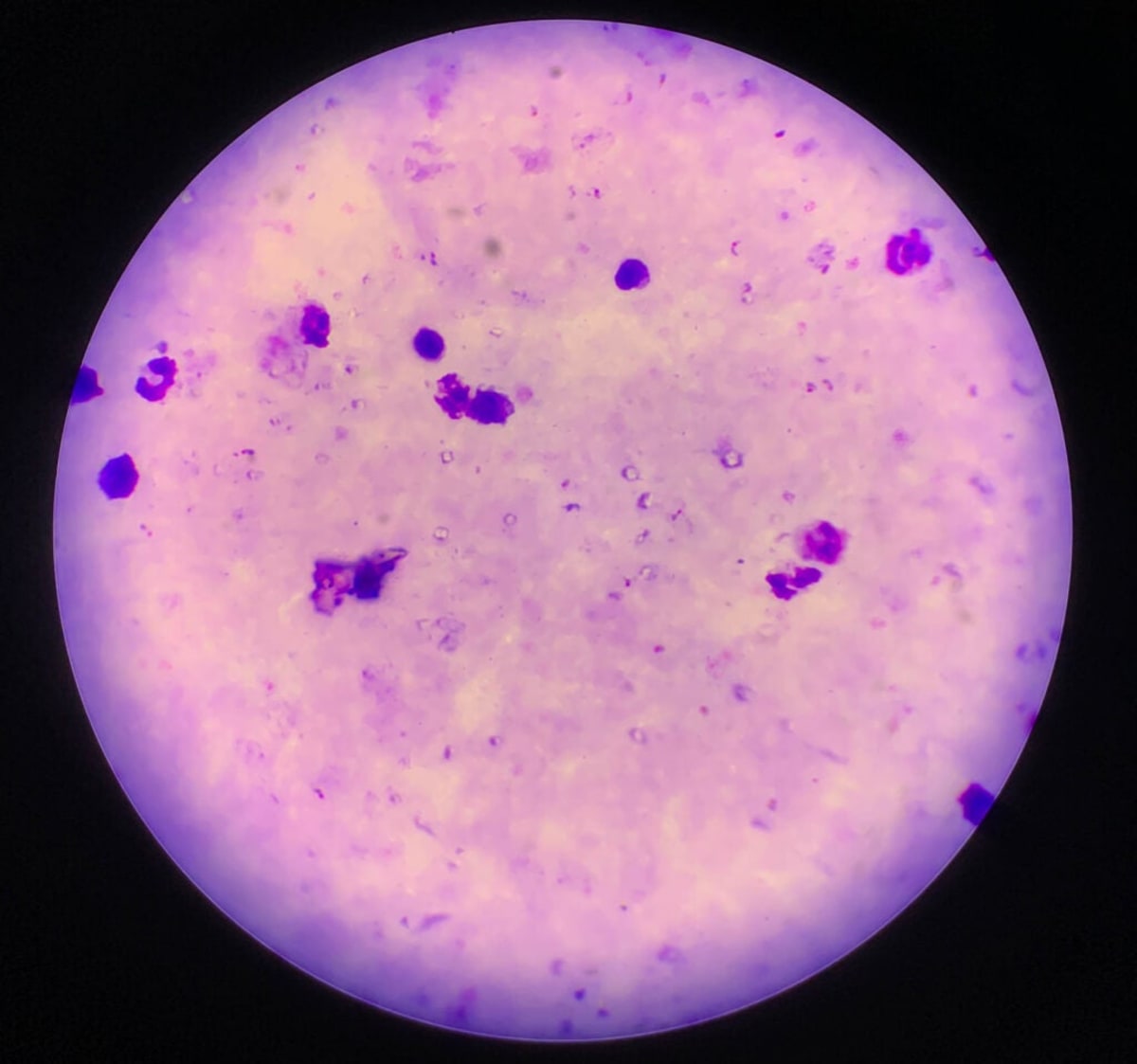
Scientists at Harvard have discovered how malaria parasites outsmart one of our best treatments, a breakthrough that could help save the lives of millions. The finding reveals a survival trick the deadly parasite uses to dodge artemisinin, the drug that's kept malaria deaths from climbing even higher.

A Harvard biologist is preparing to test a pill that could make people biologically younger by a decade. The treatment is part of a global competition offering major prizes for teams that can prove they've reversed human aging.
Leading autism researchers and advocates formed a new independent committee to guide autism research priorities and counter recent federal changes. The group aims to unite the autism community and protect evidence-based research as funding reaches $568 million annually.
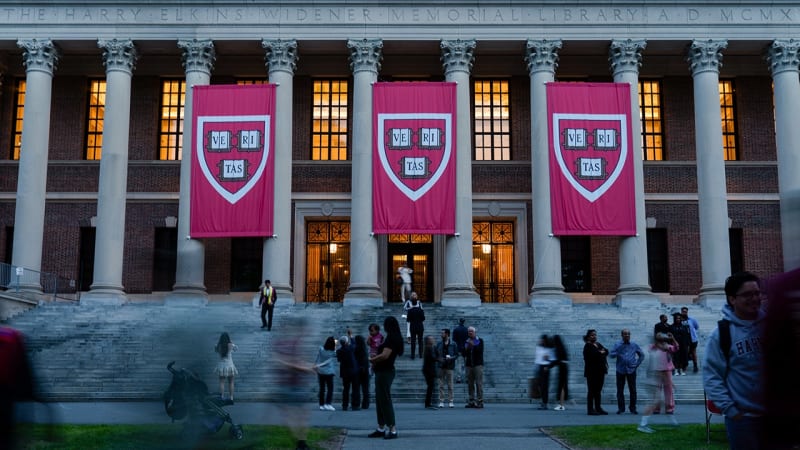
Harvard undergraduates are combining classroom learning with real-world service by conducting research and writing for asylum applicants through a unique partnership. The Immigrant Justice Lab course connects students with nonprofit attorneys providing free legal representation to people seeking refuge.
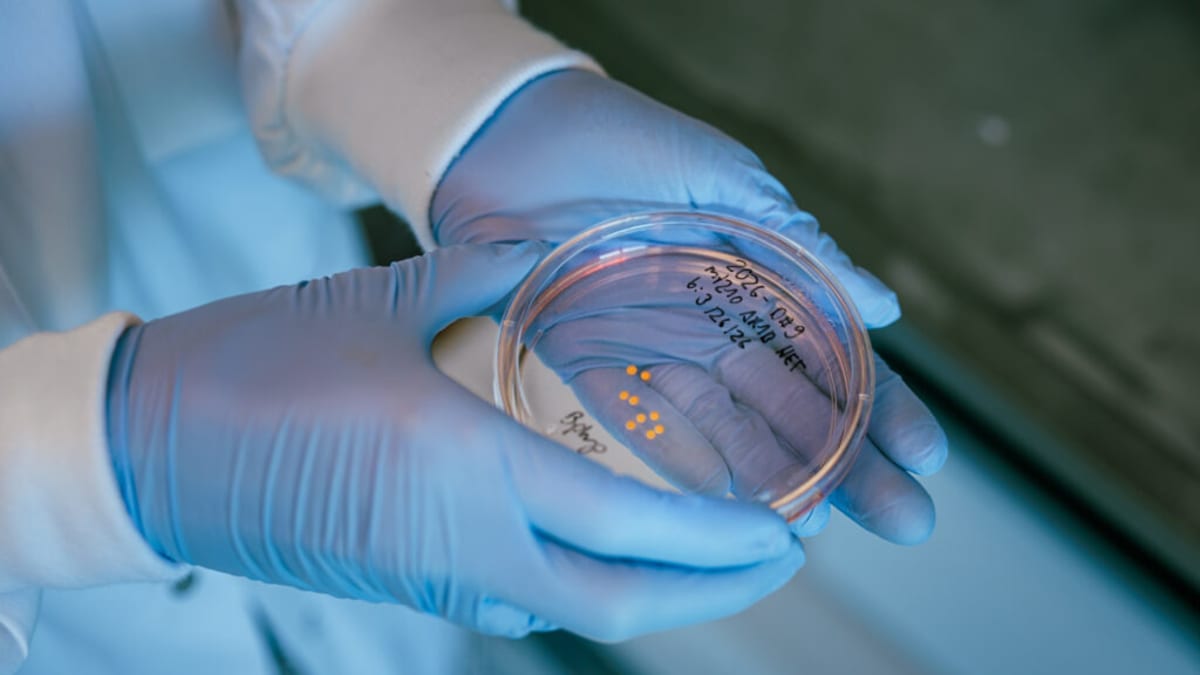
Scientists at Harvard have kept miniature lab-grown brains alive for over five years, watching them mature like real human brains. This breakthrough could revolutionize how we study brain development and neurological diseases.
Scientists at Harvard's Wyss Institute are using artificial intelligence to fast-track breakthrough treatments by combining computer predictions with real lab experiments. Their approach has already launched six companies developing new therapies for rare diseases and gene therapy.
A scientist who revolutionized protein research is now tackling science's reproducibility crisis with AI. His new approach could help researchers separate reliable studies from questionable ones, speeding up cures for diseases like Alzheimer's.

Scientists now have access to an AI tool that filters through 150 years of research data to deliver trustworthy answers in seconds. CAS Newton helps researchers move from question to verified answer without drowning in information overload.

A new AI system from China's Zhejiang University just claimed the top spot on an international test for autonomous scientific research, beating out major competitors. The breakthrough shows how AI is getting better at thinking through complex research problems independently.

When US funding cuts threatened to collapse decades of life-saving health research in South Africa, the country fought back with a $32 million rescue package. Now 59 critical HIV and tuberculosis research projects are moving forward.
Billions in private donations are accelerating life-saving medical discoveries that might otherwise take decades or never happen. From cancer treatments to brain disease research, philanthropic funding is helping researchers pursue bold ideas with the flexibility government grants can't provide.
Showing 20 of 19514