
Red Hair Gene Rising Due to Natural Selection, Study Finds
A Harvard study analyzing 10,000 years of human DNA reveals that red hair isn't a genetic fluke. Nature has been actively selecting for it, especially since humans started farming.
Find uplifting stories about heroes, innovations, and solutions
23011 results for "human nature"
A Harvard study analyzing 10,000 years of human DNA reveals that red hair isn't a genetic fluke. Nature has been actively selecting for it, especially since humans started farming.
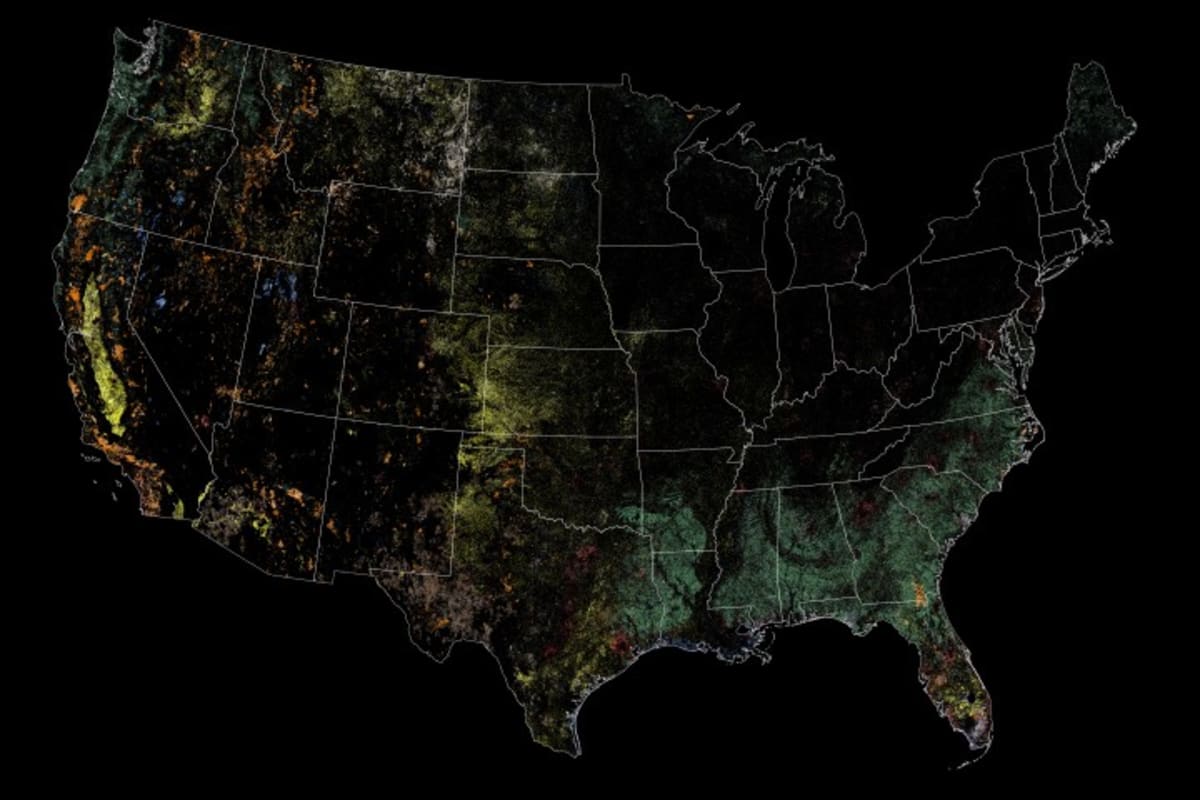
After decades of expansion, human development of U.S. land is declining while forests and wild areas recover. NASA satellites captured 35 years of change showing nature's remarkable comeback across nearly one-third of America.
A groundbreaking book challenges the myth that humans are naturally greedy, revealing research that shows we're wired for cooperation instead. Author Jeremy Lent makes the case for rebuilding society around interconnectedness rather than exploitation.

The largest study of ancient human DNA reveals that human evolution has dramatically accelerated since farming began, reshaping everything from disease resistance to physical appearance. Scientists found nearly 500 gene variants that changed through natural selection as our ancestors adapted to revolutionary lifestyle changes.

Musical ecologist Louis VI says humans are hardwired to understand nature's sounds, but modern life has drowned them out. In a new TED talk, he performs an original song synced with actual bird calls to help us hear the "ancient evolutionary wiring" we've forgotten.
At 84, Diego Villaseñor—ranked among the world's 100 best living architects—designs homes that celebrate nature as the star. His philosophy: beauty isn't decoration, it's essential to human wellbeing.
A writer set out to explore the Appalachian Trail and ended up discovering how trails connect everything from ant behavior to the internet. Robert Moor's "On Trails" transforms a simple hiking story into a fascinating journey through science, history, and human nature.
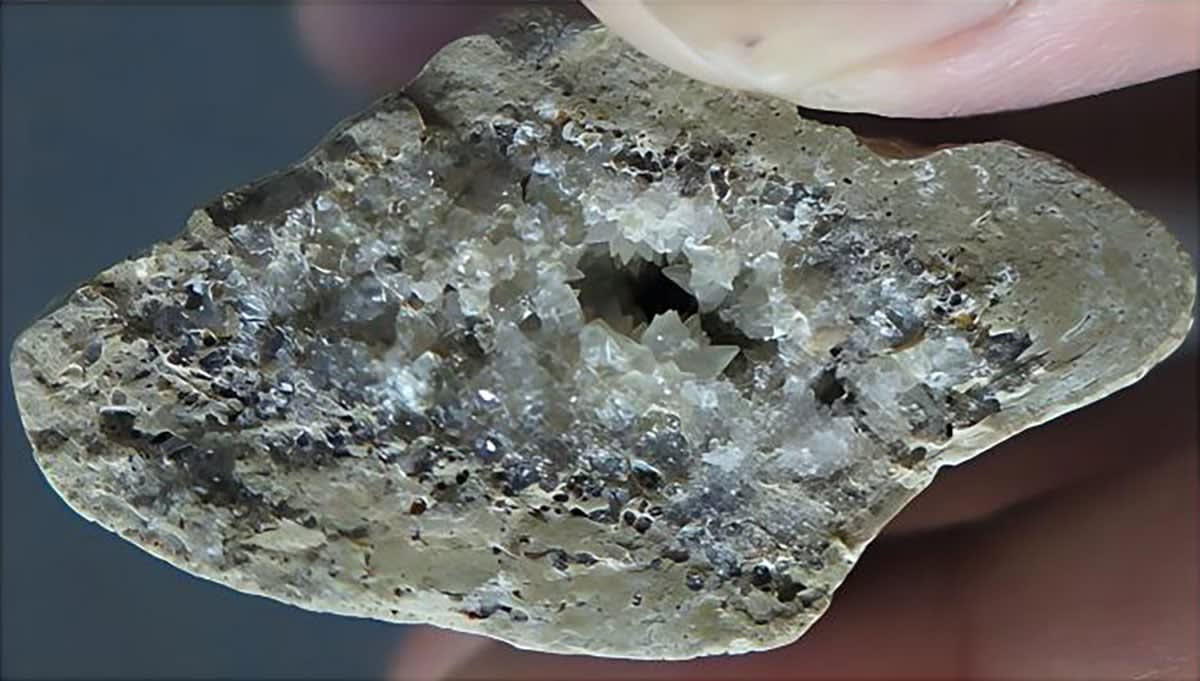
Ancient humans in China crafted sophisticated stone tools during a brutal ice age, proving creativity thrives under pressure. The discovery rewrites what we thought we knew about early human innovation.
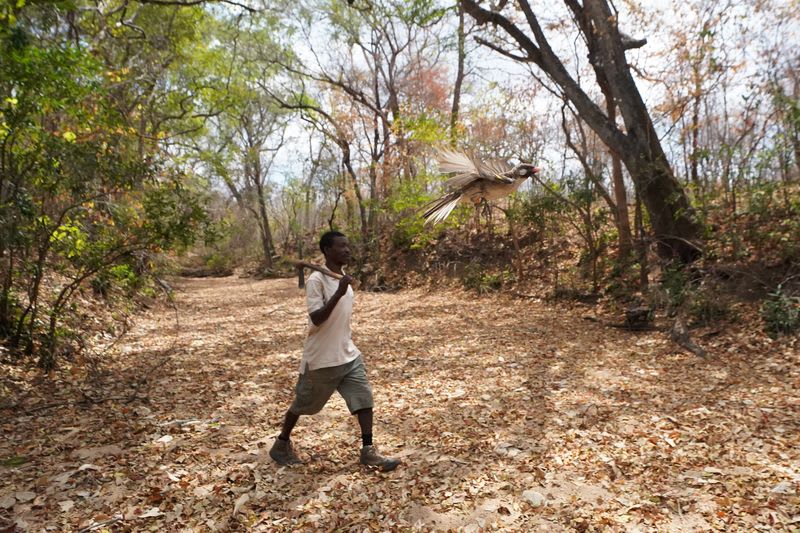
In Mozambique, honeyguide birds learn the specific calls used by honey-hunters in different villages, adapting to local human "dialects" to maintain an ancient partnership. This remarkable flexibility helps explain how one of nature's rarest human-animal partnerships has survived across Africa for generations.

An artificial intelligence called The AI Scientist just became the first AI to write and publish a complete research paper that passed human peer review in Nature. The breakthrough suggests scientific discovery could soon scale as fast as software development.

New evidence from a South African cave suggests our early human ancestors were using fire nearly 1.8 million years ago, pushing back the timeline by hundreds of thousands of years. The discovery shows they weren't just watching natural fires but actively bringing them into caves and keeping them burning.

Archaeologists discovered dice made 12,000 years ago by Native Americans, making them the oldest known playthings ever found. The discovery proves that joy, fun, and games have been part of human nature since ancient times.
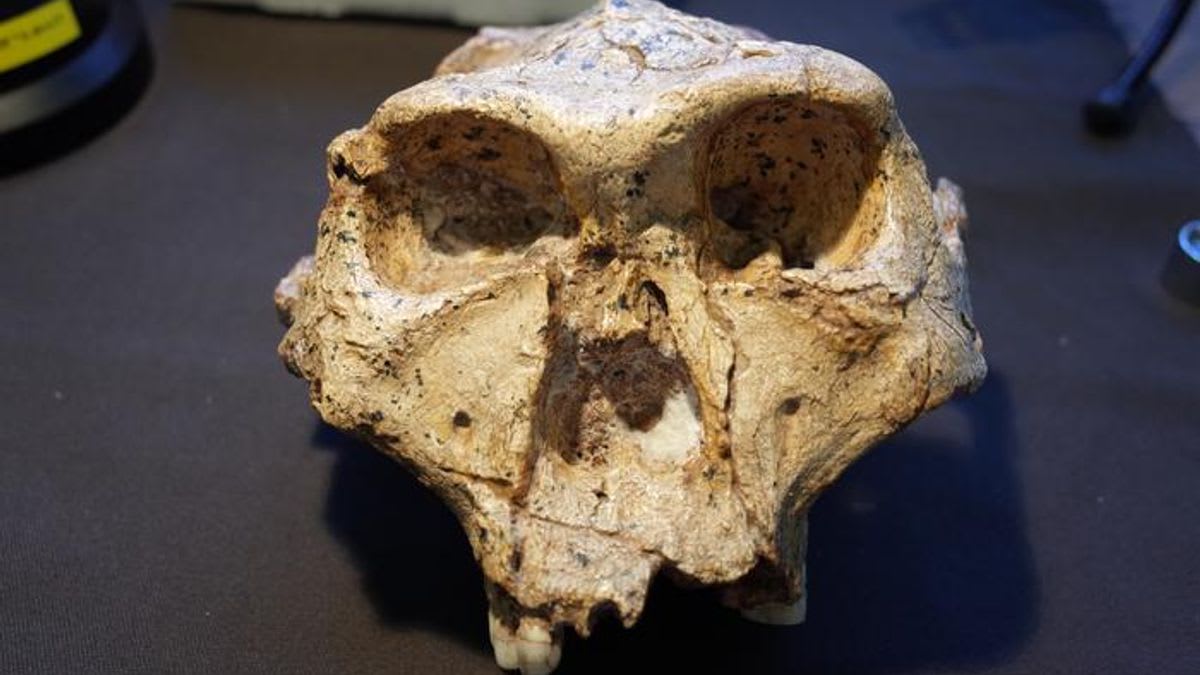
New research reveals our evolutionary history wasn't a straight line from apes to humans. Scientists are rethinking how we classify our ancient relatives as discoveries show they were more sophisticated than we believed.

In Mozambique, people and wild honeyguide birds have developed regional dialects to communicate with each other, proving that human-wildlife cooperation can mirror human language patterns. This rare partnership helps both species find food and reveals how culture shapes our relationship with nature.

Scientists discovered ancient human ancestor fossils in Morocco dating back 800,000 years, revealing that North Africa played a central role in human evolution. The findings are transforming our understanding of how early humans lived, worked, and mourned their dead.
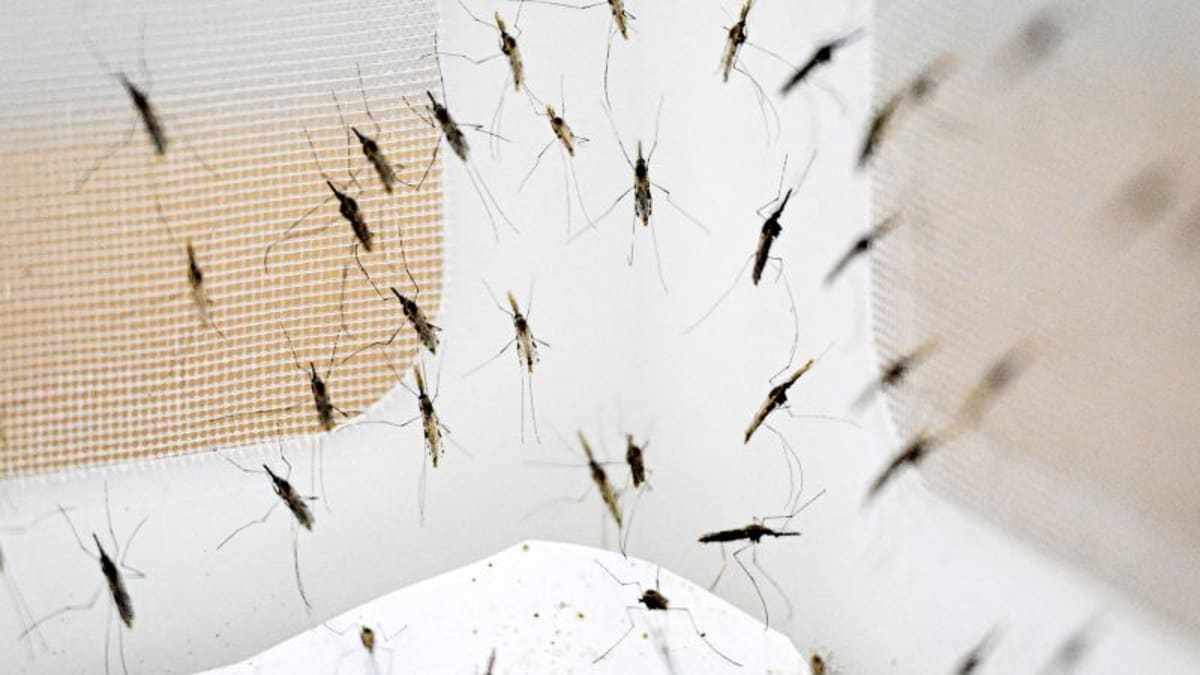
Scientists discovered that mosquitoes in Southeast Asia evolved to prefer human blood between 2.9 and 1.6 million years ago, offering new evidence of when our ancestors first arrived in the region. This breakthrough shows how nature itself can fill gaps in the fossil record.
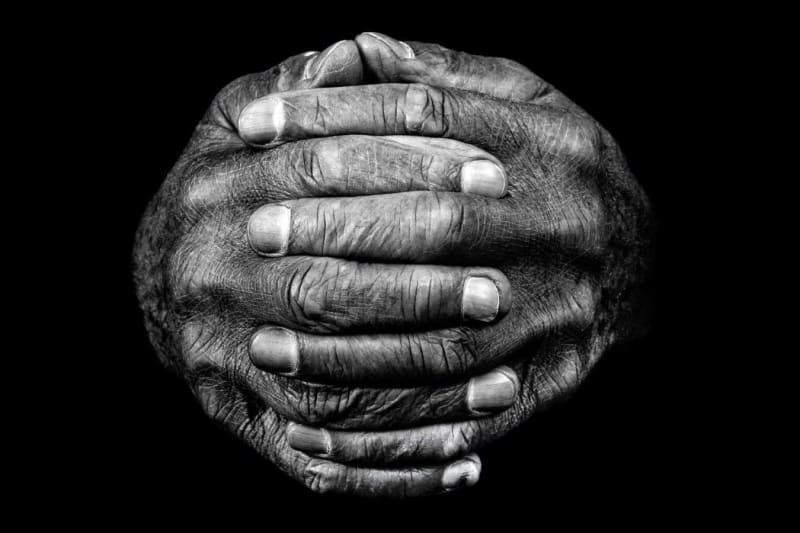
New fossil discoveries reveal how our uniquely powerful thumbs helped make us human. The evolution of our hands may be just as important as our big brains in shaping who we became.
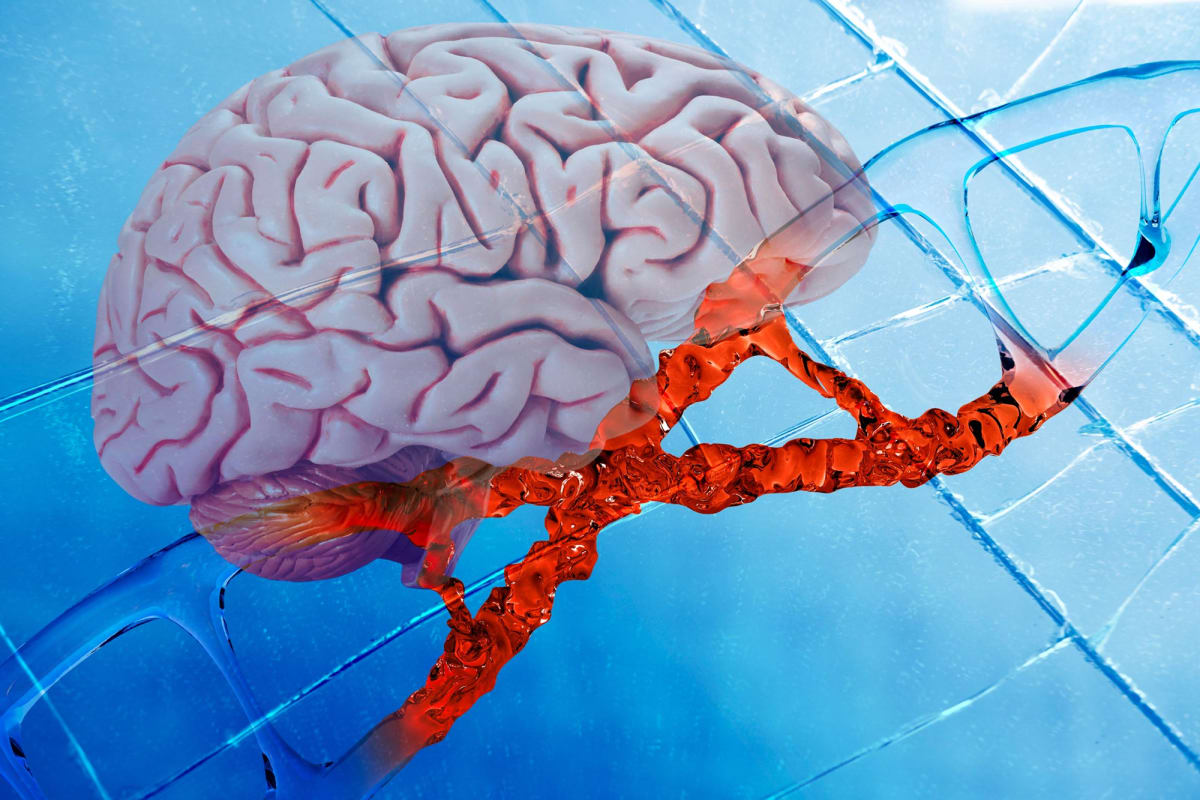
Scientists discovered tiny genetic "switches" that shaped human language ability before we split from Neanderthals. These ancient regulators still influence how we learn and use language today.
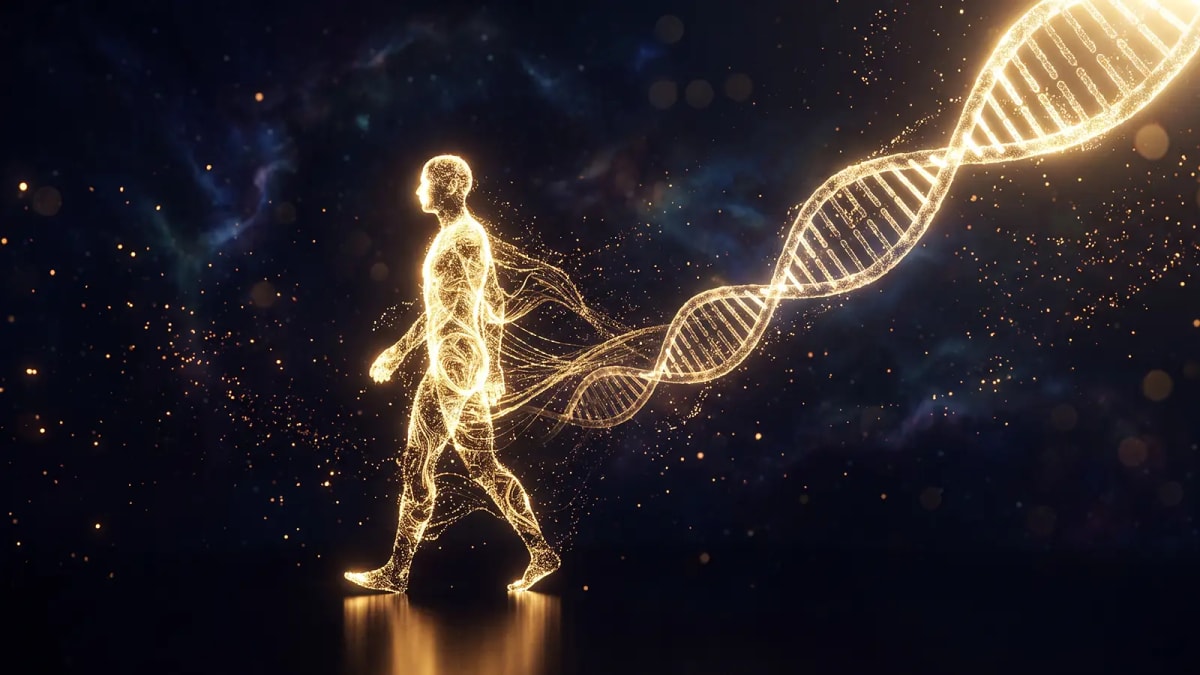
A new method has revealed that all living humans carry DNA from a mysterious extinct human group that interbred with our ancestors before they left Africa. The discovery rewrites our understanding of human evolution and proves we're connected to relatives we've never even found fossils for.

Actor Ethan Hawke delivered a moving explanation of why AI can never replace human creativity, describing his daughter's imperfect art as more valuable than any AI-generated masterpiece. His response is resonating with millions who worry about technology replacing human expression.
Showing 20 of 23011