Watch Eta Aquarid Meteor Shower Live From 6 Global Sites
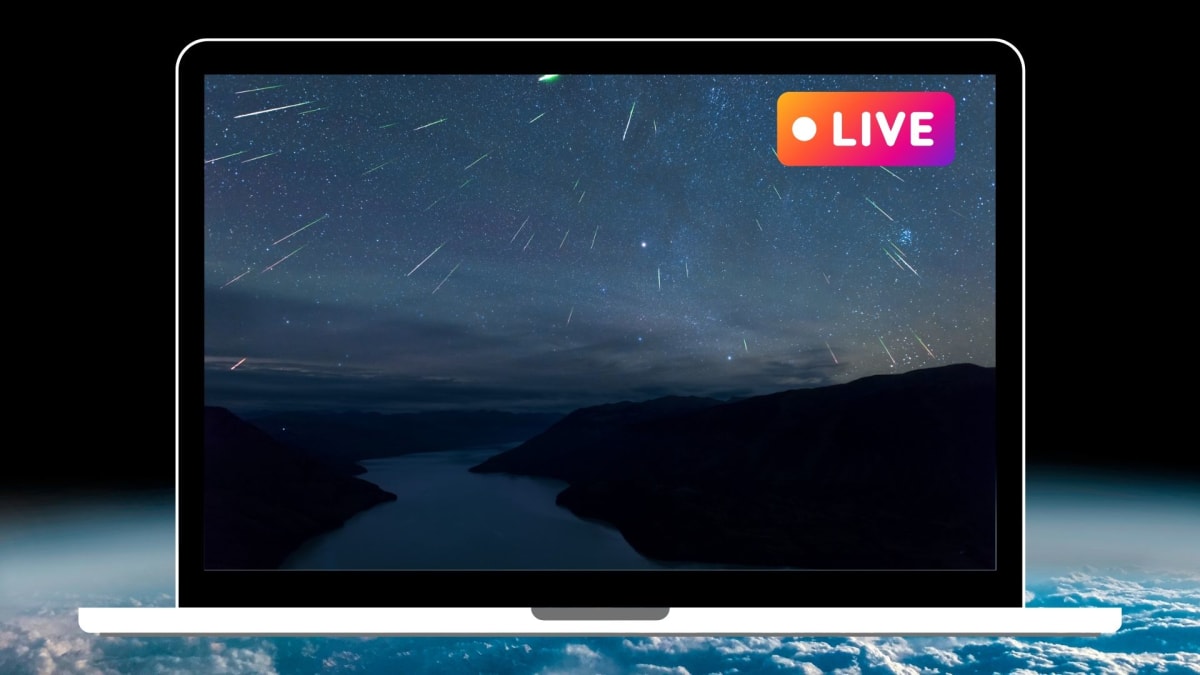
Missing the meteor shower peak because of clouds or city lights? Six free livestreams from Chile to Japan are bringing the night sky straight to your screen this week.
Find uplifting stories about heroes, innovations, and solutions
17 results for "meteor shower"

Missing the meteor shower peak because of clouds or city lights? Six free livestreams from Chile to Japan are bringing the night sky straight to your screen this week.

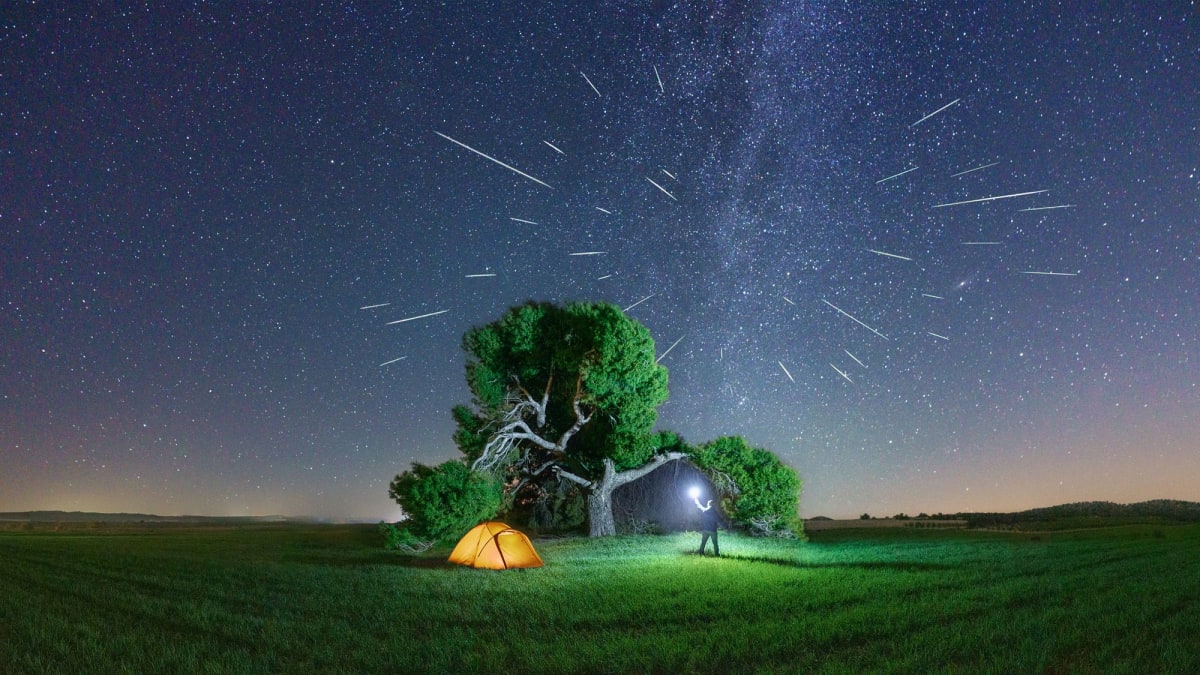
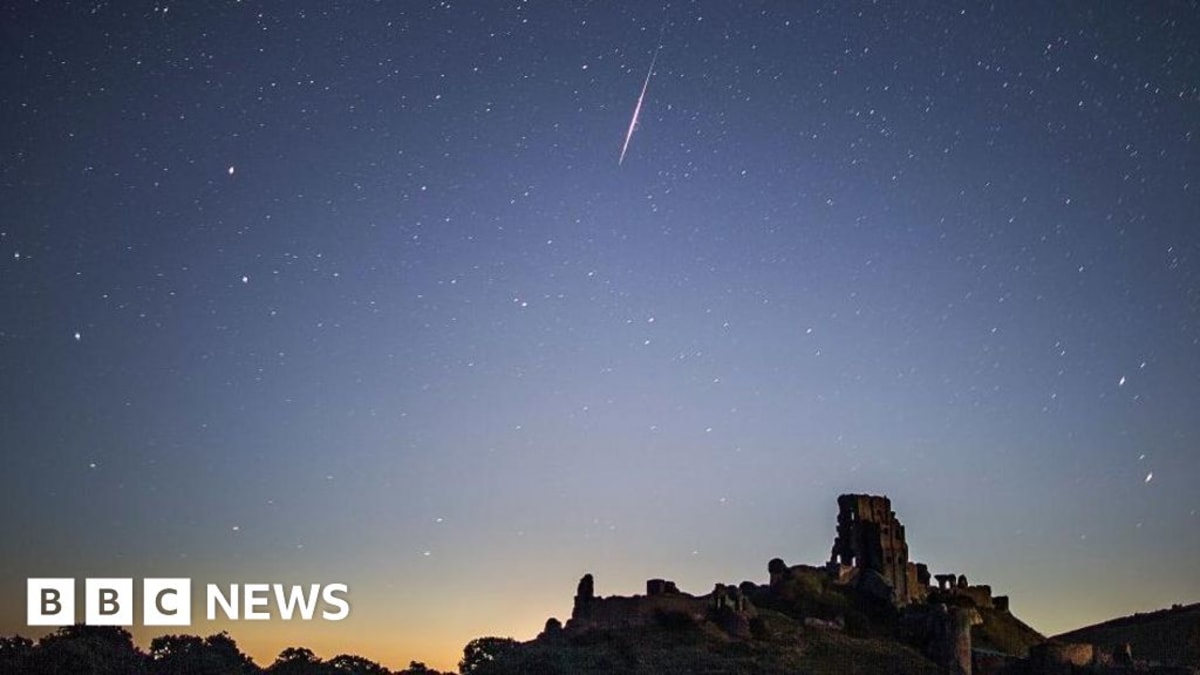
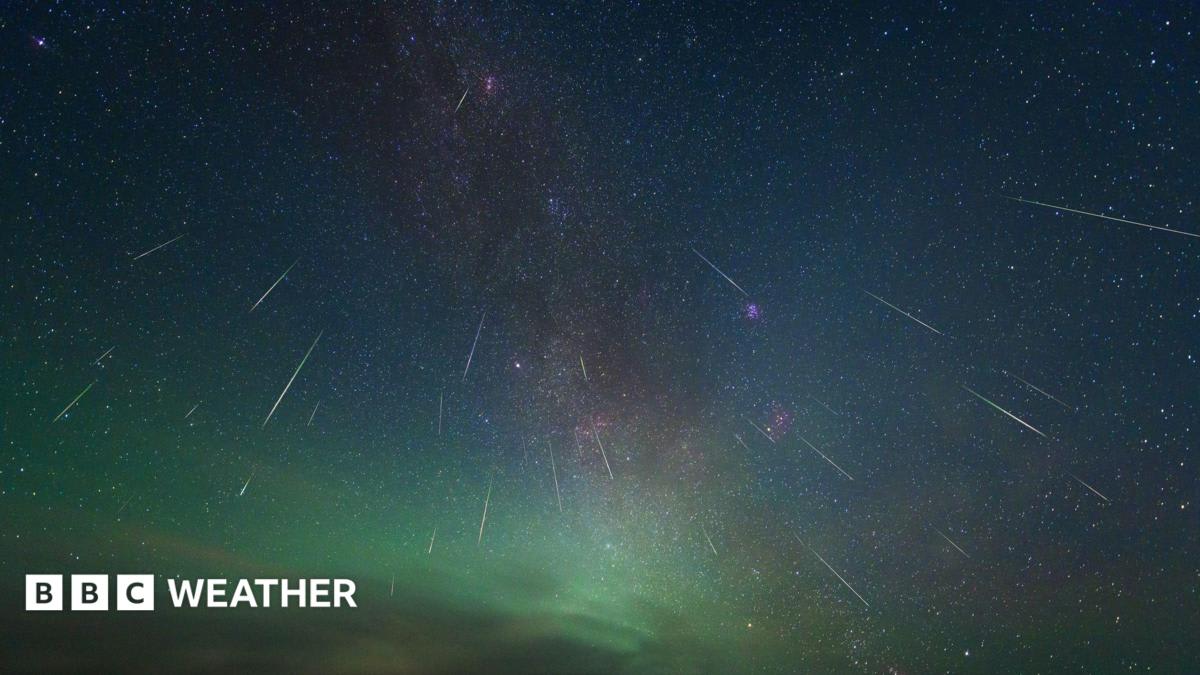
Stargazers across the globe will have a chance to witness shooting stars from the famous Halley's Comet during the first week of May. The Eta Aquarid meteor shower peaks overnight May 5-6, offering a celestial show that connects us to one of the universe's most iconic visitors.

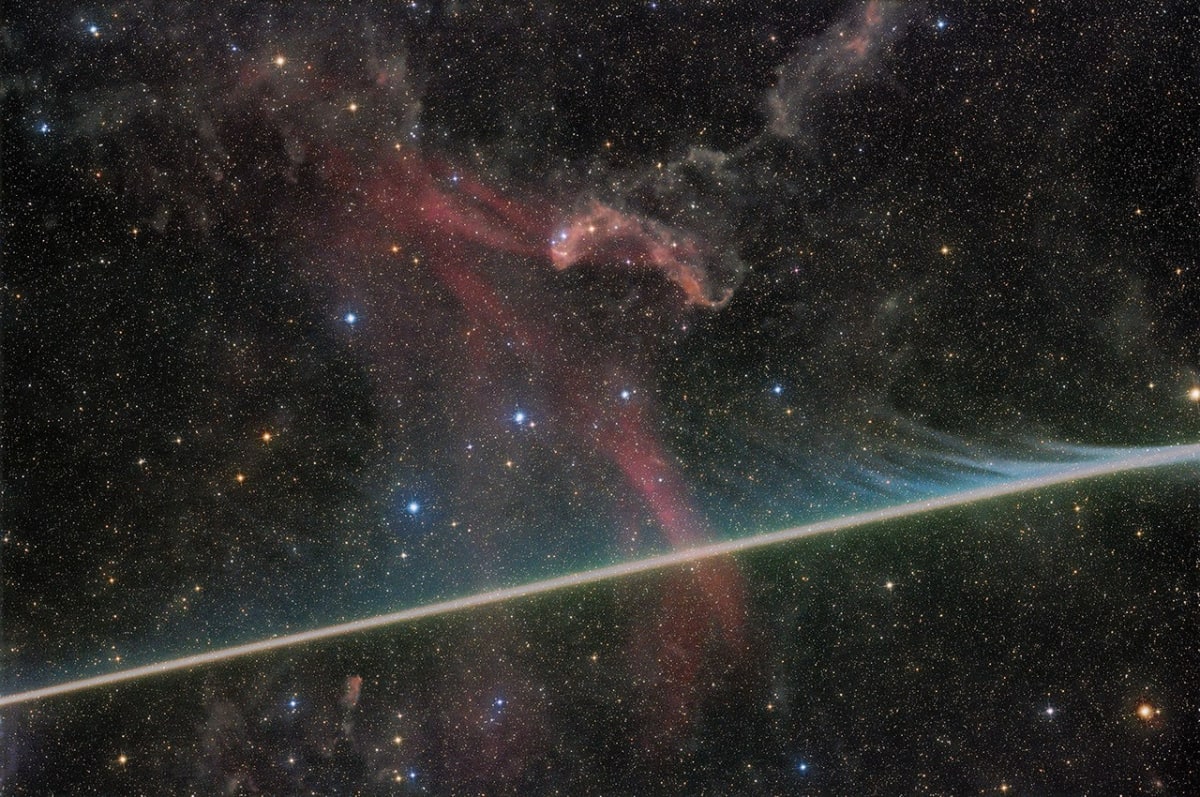
Thousands of automated cameras across the globe just helped scientists discover a brand new meteor shower created by an asteroid breaking apart near the Sun. This breakthrough reveals how space rocks behave and could help protect Earth from future threats.

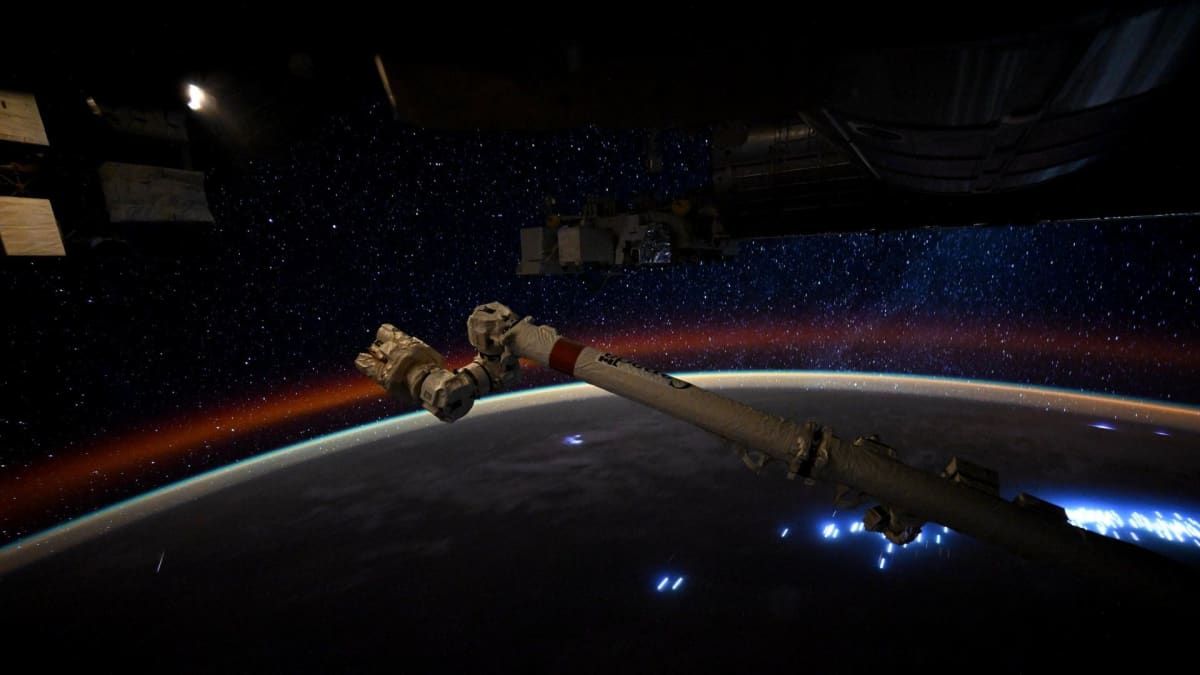
NASA astronaut Jessica Meir captured a stunning photo of the Lyrid meteor shower from above, watching meteors streak through Earth's atmosphere from the International Space Station. The image offers a breathtaking reminder of our planet's protective atmospheric shield.

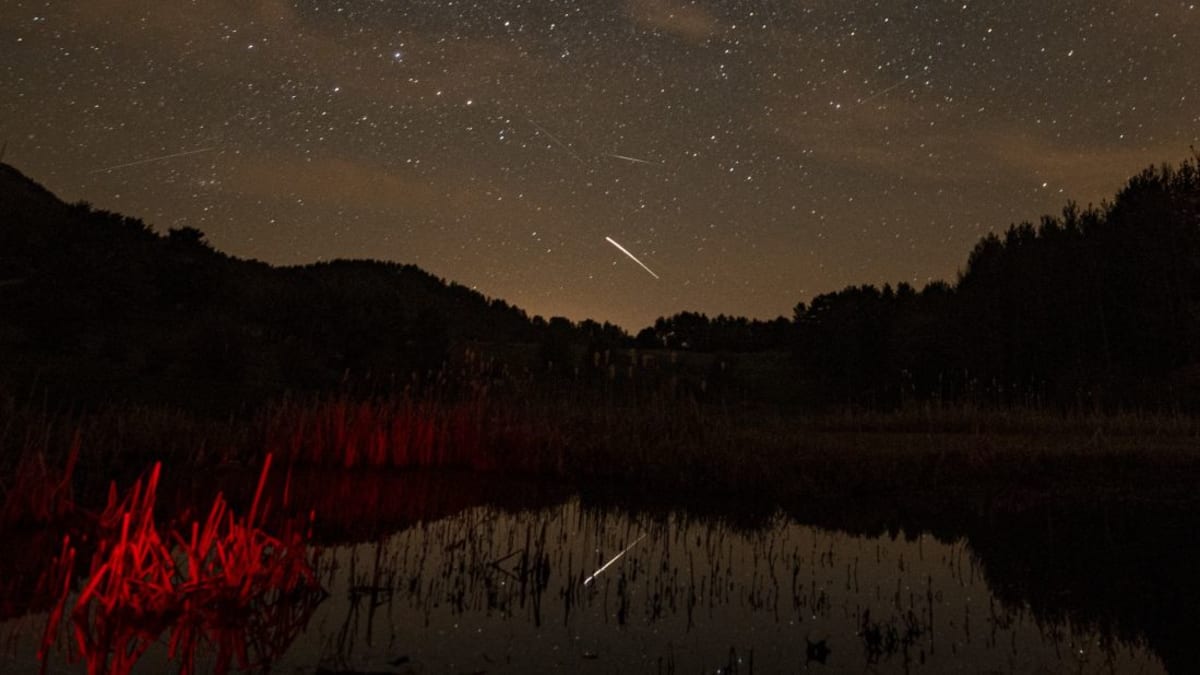
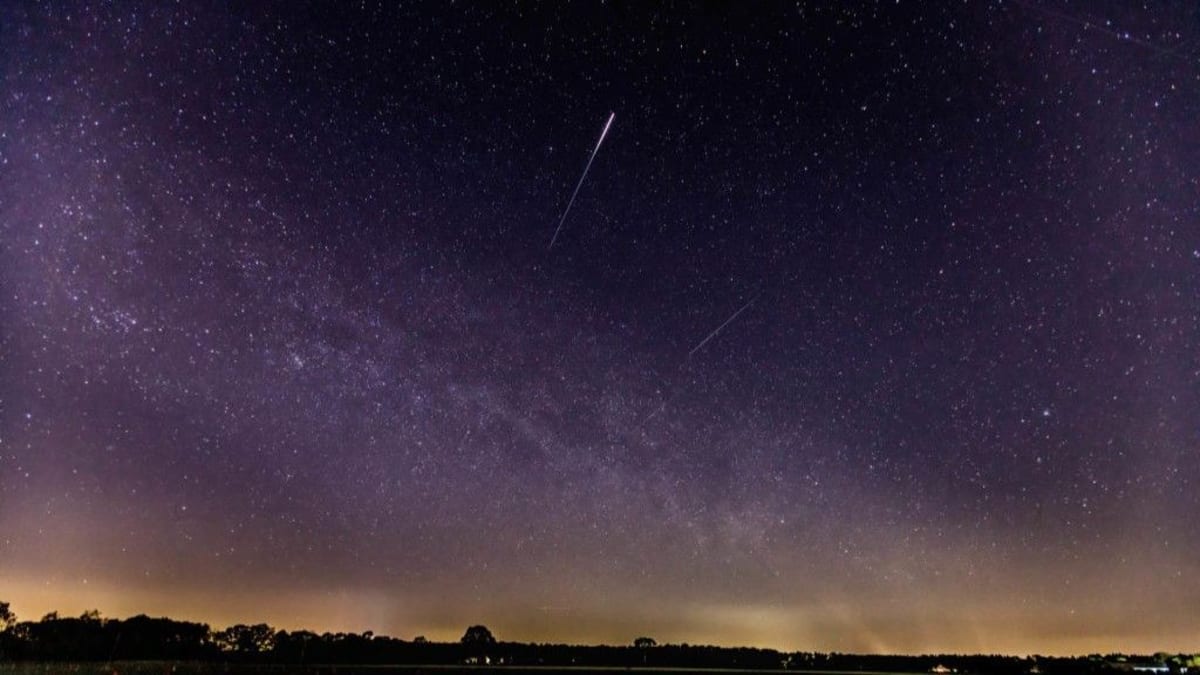
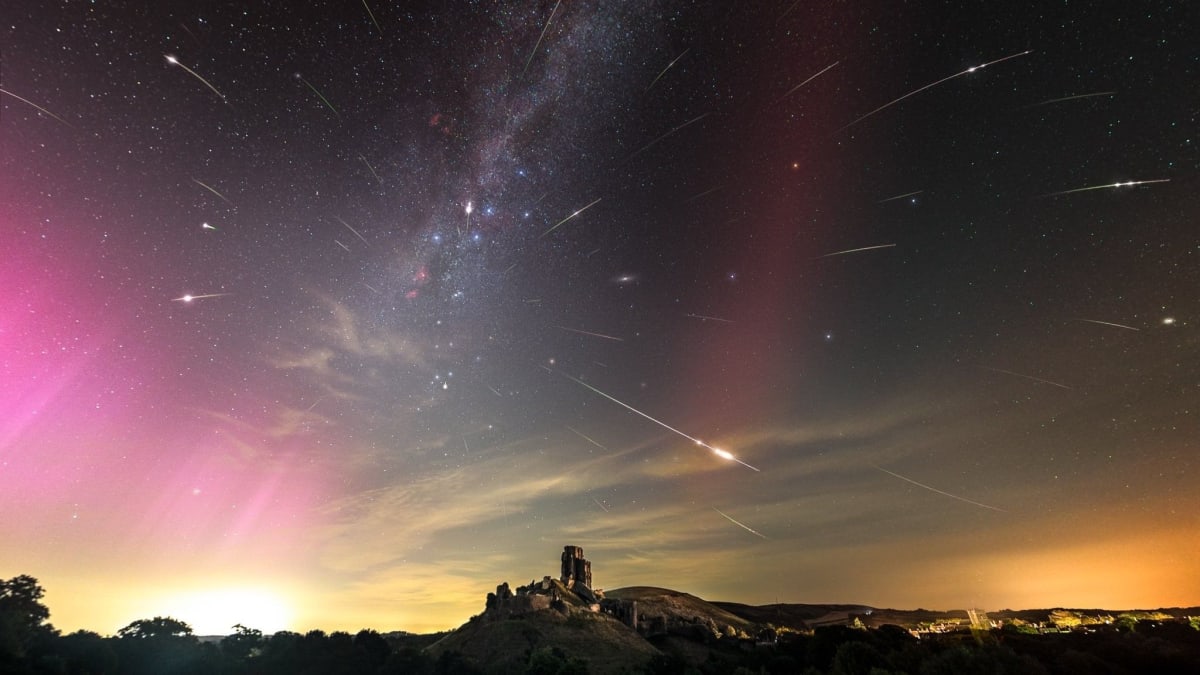
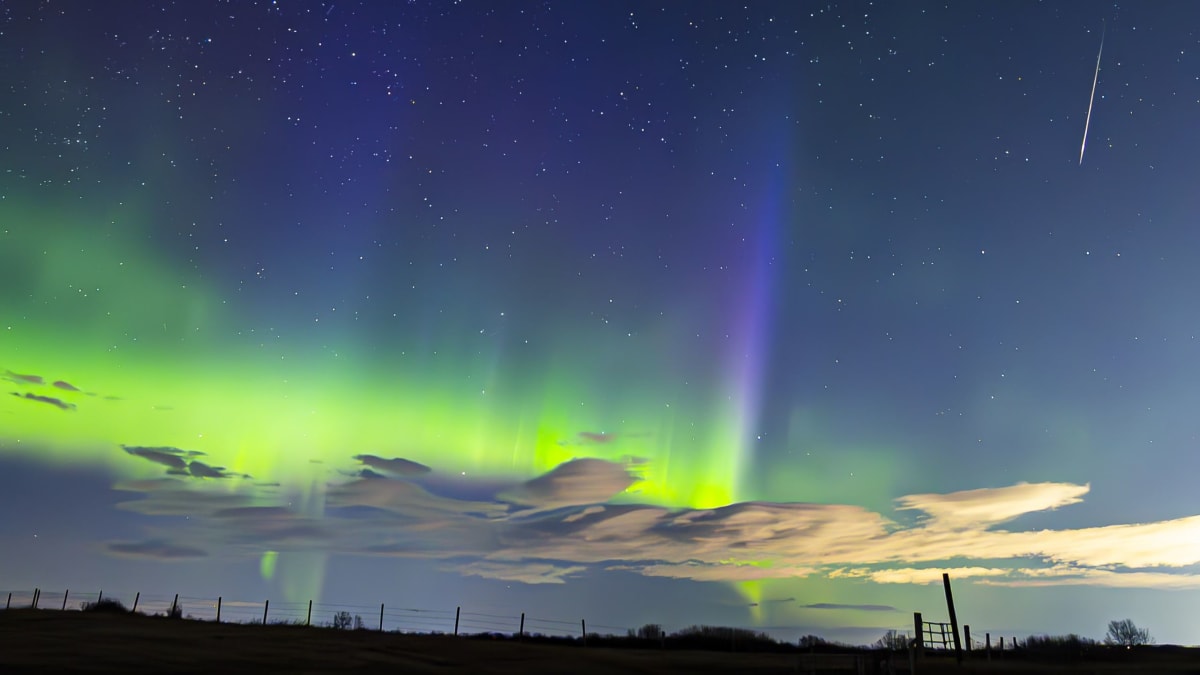
Photographers captured stunning images of the 2,700-year-old Lyrid meteor shower as it peaked on April 22, with views ranging from Canadian auroras to the International Space Station. The annual celestial show lit up skies worldwide with shooting stars racing away from the constellation Lyra.

NASA astronaut Jessica Meir captured a stunning image of the Lyrid meteor shower from the International Space Station, looking down at meteors streaking through Earth's atmosphere from above. The rare perspective shows our planet's protective atmosphere in action during one of spring's most reliable celestial shows.

Can't step outside for this week's Lyrid meteor shower? Free livestreams from Hawaii to Chile let you watch shooting stars from your couch, complete with helpful viewers calling out meteors in real time.

This week's Lyrid meteor shower promises up to 20 shooting stars per hour with perfect viewing conditions, thanks to a crescent moon that sets early. Skywatchers worldwide can catch the 2,500-year-old celestial show starting Tuesday night.

After nearly four months without a major meteor shower, the ancient Lyrids return this week with ideal viewing conditions and dark, moonless skies. Stargazers could see up to 20 shooting stars per hour before dawn on Wednesday.

One of Earth's oldest meteor showers returns this month, promising a spectacular predawn light show that anyone can see for free. The Lyrids have been dazzling stargazers since 687 BCE.

The annual Lyrid meteor shower returns this month, offering up to 18 shooting stars per hour during its peak on April 22. Perfect dark skies after moonset will give stargazers their best view of these fast-moving meteors from Comet Thatcher.

The Lyrid meteor shower peaks April 21-22, and you don't need fancy equipment or dark skies to see shooting stars. A stargazer shares his simple camera trick that captures fireballs while he sleeps.

The first major meteor shower since January arrives this week with ideal viewing conditions. A new moon means even faint shooting stars will shine bright across clear night skies.

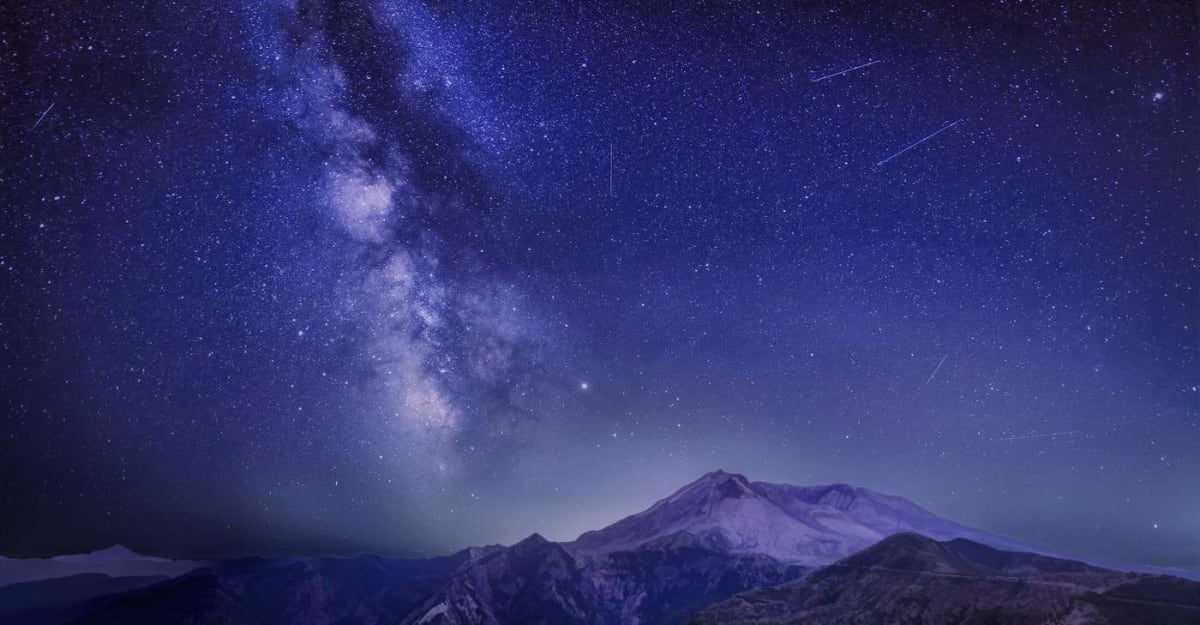
Stargazers can catch up to 15 shooting stars per hour during the Lyrid meteor shower's peak on April 22-23, with perfect dark sky conditions this year. A new moon on April 17 also offers a rare chance to see the Milky Way's galactic core in all its glory.

Stargazers are in for a treat this April with a rare double comet appearance, the dazzling Lyrid meteor shower, and a full moon—all visible without expensive equipment. The best part? You can see most of these celestial wonders with just your eyes.

Stargazers have three reasons to look up this April as a potentially bright comet visits Earth, the Lyrid meteor shower lights up the sky, and Mercury shines at its best all year. NASA says these celestial events are all visible without special equipment, though binoculars help.

Scientists discovered that two asteroids sharing the same orbit were once a single body that broke apart up to 21,000 years ago. The cosmic debris could create a spectacular meteor shower on Venus this July.